
Mahjong Open Play in Memphis: Where to Find Games & Join
Last updated: Nov 23, 2026
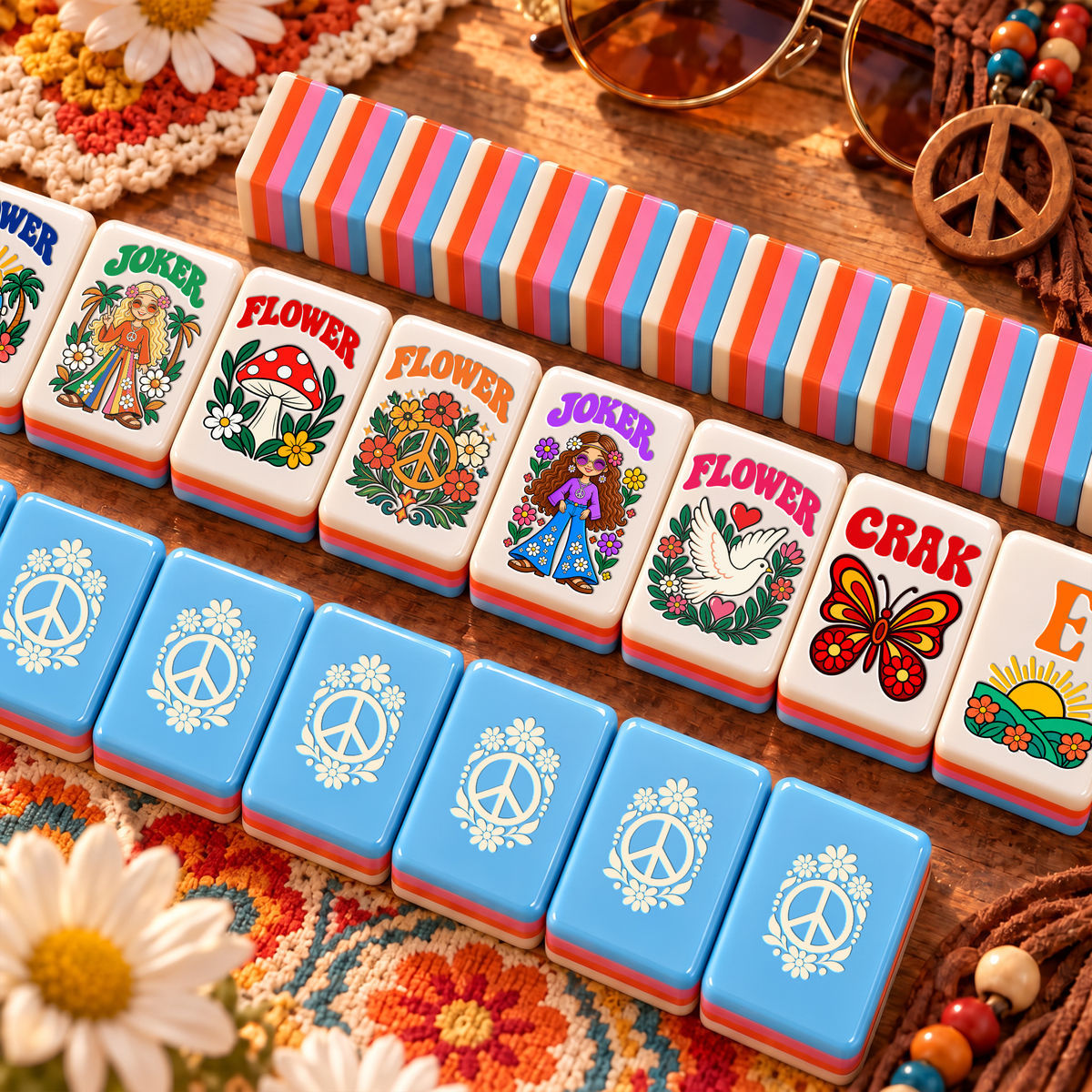
Open-play mahjong in Memphis happens primarily at community centers, libraries, synagogues, and country clubs—though venues and schedules shift annually. Your best bet is contacting the library system's events coordinator or asking at local Jewish community centers about weekly or monthly game groups. Meetup.com and Facebook community boards often list active tables. Most games follow American mahjong rules using a 152-tile set plus 8 jokers; expect to learn the current year's National Mah Jongg League card, master the Charleston, and play for fun or modest stakes. Bring a note-taker, since learning mahjong takes an evening to absorb. Many groups welcome beginners; call ahead to confirm player level and whether you should bring your own set or if one's provided.
Where do most Memphis mahjong groups meet?
Community centers run the most stable open-play sessions in mid-sized cities. Contact the Memphis Parks & Recreation department directly—they often host or can refer you to standing groups. Libraries frequently sponsor craft and game clubs; staff can connect you to coordinators. Jewish community centers typically host weekly tables (mahjong has deep roots in Jewish-American social tradition). Country clubs sometimes run private games; ask if they allow guest players. Facebook groups indexed to "Memphis mahjong" or "Memphis mah jongg" often have current schedules and host information updated monthly. Start with three calls: Parks & Rec, your nearest library reference desk, and a local JCC if one exists in your area.

What skill level do I need to start playing?
You need none. All open-play groups we know of accept absolute beginners, though some sessions separate rookie tables from seasoned players. If a group says "intermediate or advanced only," ask them to recommend a beginner venue instead—don't force yourself into a fast-moving table. Learning American mahjong rules takes 60–90 minutes; most hosts run a 15-minute crash course before play. You'll trip on hand-reading and the Charleston at first—that's universal. Ask the organizer whether the group emphasizes patient teaching or assumes everyone knows the National Mah Jongg League card. Beginner-friendly tables review discards aloud, allow questions mid-hand, and use printed reference sheets. Groups that don't do those things aren't right for you yet.
Should I bring my own mahjong set or use the group's?
Bring your own if you own one; it builds familiarity and speeds up your learning. Most groups have a communal set or two, but they're often battle-worn—tiles stick, pushers are chewed up, or jokers are missing. If you don't own a set yet, use the group's first, then invest once you've played 4–6 times. A reliable best-selling mahjong set ships quickly and works for decades. When you do buy, pick acrylic (quieter than bamboo, nearly indestructible) with clear tile printing. Don't overbuy: a basic set with racks with pushers and a simple mat is all most players need. Leave fancy engraved sets for group gifts or your third year in the hobby.
What should I expect on my first night?
Arrive 15–20 minutes early. Introduce yourself to the organizer and ask: "Do I need to know the card beforehand?" (Usually no.) Most groups review how jokers work and basic hand types before the first round. You'll sit at one of four spots around a mahjong mat or table. The organizer will explain or refresh the Charleston—a three-stage tile swap—which catches most beginners off-guard. Play will feel chaotic your first two hands; by hand three you'll recognize the rhythm. Expect to make mistakes (playing out of turn, calling a tile incorrectly, misreading the card). Everyone will help you catch them. Bring a small notepad; jotting down winning hand patterns cements your memory faster than watching.
Venue Type | How to Find | Typical Schedule | Beginner-Friendly? | Cost Basis |
Community center | Parks & Rec phone line or website | Weekly evenings or afternoons | Often yes | None or small donation |
Public library | Reference desk or events calendar | Monthly or quarterly | Mixed—ask first | Free |
Synagogue/JCC | Google "JCC [city]" or call | Weekly or bi-weekly | Almost always | Free or member fee |
Country club | Ask membership or call pro shop | Varies; may require guest pass | Sometimes; call ahead | Per club policy |
Meetup.com group | Search "mahjong [city]" | Varies by group admin | Verify in description | Usually free |

What do first-timers most often get wrong?
They assume jokers work like wild cards in poker—they don't. In American mahjong, jokers replace specific tiles you name when you expose a meld, and you can't use a joker to complete a pair or a single tile. Beginners also panic about the Charleston, which is just an organized way to trade unwanted tiles before play—not a decision point, just a rhythm. A third mistake: not reading the current year's card closely. The card changes every spring, so a hand that won out last year might not exist this year. Bring the current card printed or on your phone. Finally, many new players call a discard too quickly; take two full seconds before saying "I pass" so you don't interrupt the person who actually needs it.
How do I stay current with Memphis game schedules?
Ask the organizer for their email or phone list when you join. Most groups text or email changes a week in advance. Join the Facebook groups indexed to your city and mahjong; these are often more active for schedule announcements than official websites. Check Meetup.com monthly. If a venue goes quiet for two weeks, contact the organizer directly—venues sometimes pause for holidays or coordinator changes without updating online. Don't assume a group has disbanded until you've called. Memphis's mahjong calendar is decentralized, so proactive follow-up replaces a single official schedule.
🀄 Shop best-selling mahjong sets →
What to check before you buy or attend
Call or email first. Venues change hours. A library's game might have moved to a synagogue, or a country club might have started a new evening table. Confirm the address and time.
Ask about the card version. Some groups print the 2025 card; others have 2026. Make sure you're on the same year or you'll misread hands.
Confirm beginner tolerance. Some tables move fast and don't pause for learning. Beginner tables do. Don't guess—ask.
Bring small cash. Some groups play for nominal stakes (a quarter or dollar per point). Others play for fun. Know which before you sit.
Own a set within three sessions if you like it. Relying on the group's set slows you down. A best-selling mahjong set becomes an investment, not an expense, after your tenth game.
🎁 See our most-loved mahjong sets & accessories →
Open-play mahjong is about rhythm, community, and learning on a real table with real players—not solo apps or videos. Memphis has the bones of a game scene; you just need to find the table nearest you, show up early, and watch one hand before joining in. The beginner's guide to mahjong covers rules you'll hear on that first night. Most groups are generous with time. Your job is just to show up curious and ready to lose your first five games—everyone does.
✨ Find your Mahstead set — free US shipping →

FAQ
Do I need to buy a set before my first game?
No. Most groups have a communal set. After 3–4 games, if you want to own one, a basic acrylic set works for decades. Buy then, not before.
What's the Charleston and why does it confuse everyone?
It's a three-stage tile trade before play starts: everyone passes 3 tiles left, then 3 right, then 1 center. It's not optional. Organizers demo it; watch one round and you'll get it.
Can I play American mahjong if I learned Chinese or Hong Kong rules?
The tile sets are similar, but hands, scoring, and tile exchanges are completely different. Ask the Memphis group which variant they play; most play American. You'll need to relearn the card and rules.
How much does open play usually cost?
Most community and library tables are free or ask for a small donation. Some groups play for nickels or quarters per point. Confirm before you join.
What happens if I mess up a hand or make a bad call?
Everyone stops and helps you fix it. Mistakes are part of learning. No group will penalize you for a beginner error on your first or second night.
Is there an age limit or gender split?
No. Mahjong tables in Memphis (as elsewhere) span ages 20–90 and all genders. Organizers welcome all skill levels equally.


View More
View More
View More
