
Mahjong Open Play in Houston: Where to Play & How to Start
Last updated: Nov 23, 2026
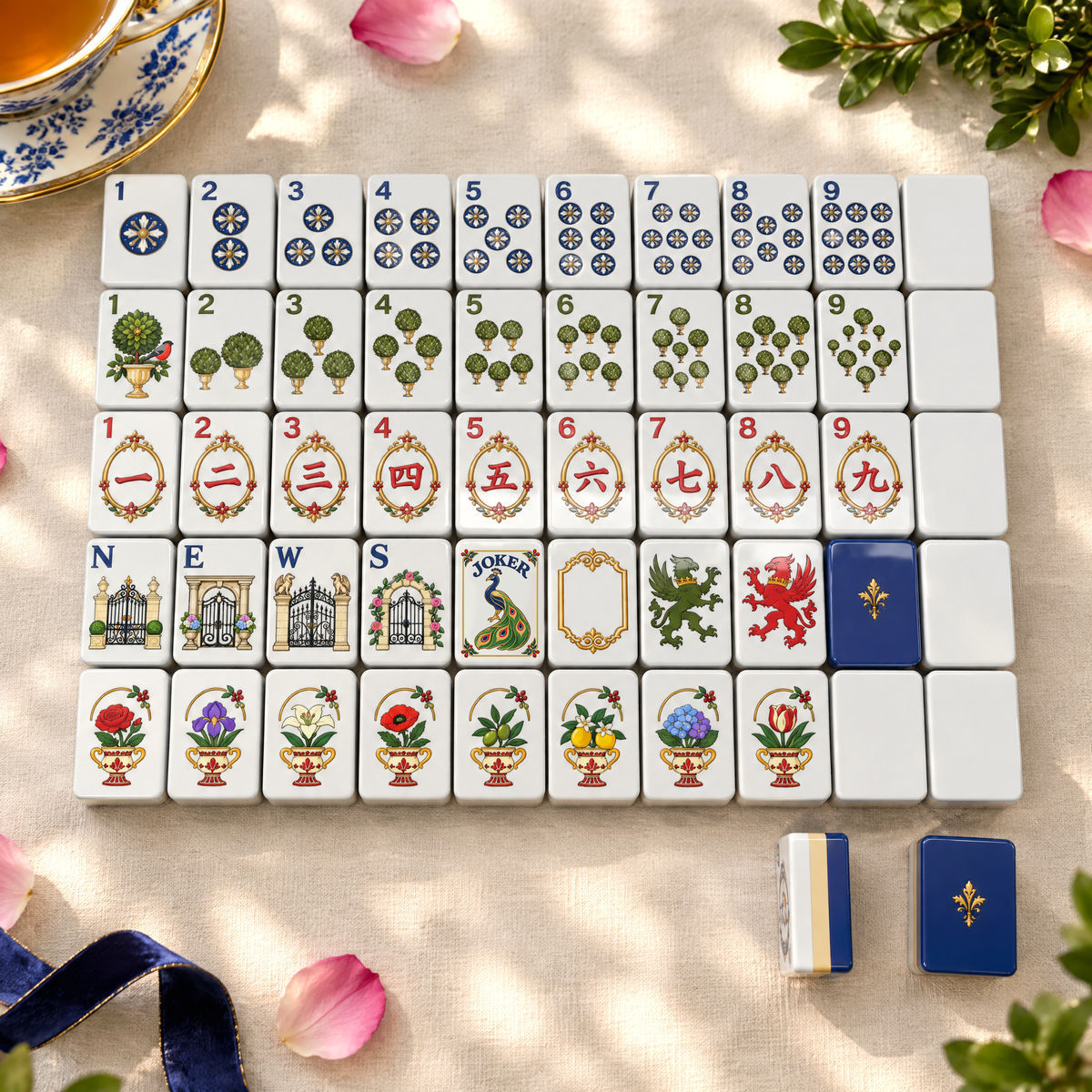
Open play in Houston happens year-round at community recreation departments (check the City of Houston Parks and Recreation website), Jewish community centers, country clubs with game rooms, and informal meetup groups posted on neighborhood boards and social platforms. Games typically run weekly or twice weekly, cost nothing to a small table fee (usually split four ways), and range from beginner-friendly to competitive American mahjong. Most tables follow the National Mah Jongg League rules and current-year card. To join, show up with a willing attitude—groups welcome newcomers and loan equipment—or bring your own best-selling mahjong set if you already own one. Expect to learn the Charleston passing ritual, hand recognition from the seasonal card, and scoring before your first game.
Where do Houston players actually gather?
Houston has no single mahjong hall, but games cluster at community centers (especially in Midtown, Chinatown, and southwest neighborhoods), synagogues with active game committees, country clubs in Memorial, Bellaire, and Inner Loop areas, and private homes hosting weekly rotations. The Houston Public Library system sometimes lists community game calendars on bulletin boards. Check Facebook community groups tagged "Houston mahjong" or "Houston game night"—many longstanding groups post their next session there. Start by visiting a community center and asking the front desk; staff often know which rooms host mahjong and when. Synagogues are historically reliable anchors for American mahjong in Texas. Most tables welcome drop-ins, though calling ahead (or messaging a group admin online) prevents wasted trips.

What should I bring to my first open table?
A notebook, a pen, and an open mind beat fancy gear for your debut. Most established tables have spare sets and lend without fuss—never assume you need your own. Wear comfortable clothes and avoid strong perfume (a courtesy when sitting close). Bring cash if there's a small table fee or snacks rotation. If you own a set, a protective bag or case prevents damage in transit and marks your equipment as yours. Mahjong bags and cases designed for American sets protect tiles and racks during car rides. Arrive 10–15 minutes early to watch a hand, ask which card year the group uses (currently 2026), and confirm the house rules (some groups add local twists). Most critically, ask if the group teaches or expects you to know the game already.
🀄 Shop best-selling mahjong sets →
What rules and house variations do Houston groups use?
Nearly all Houston open tables play American mahjong with the National Mah Jongg League card (updated every March), meaning hands come only from that card's 100+ patterns. Basic scoring follows standard: a winning hand is 2 points minimum; winners collect from all three opponents; payment multiplies by hand difficulty (limit hands pay the most). Common house rules include: wall break position varies by preference, joker penalties (some tables penalize drawing the last joker), exposure (some allow optional or require exposure of pungs/kongs after a set period), and seating rotation (some spin after every hand, others after every round). A few tables add optional paid "plays" to sweeten stakes. Before sitting, ask the table captain or eldest player: "What's your scoring—limit or no limit?" and "Do you expose?" These two questions cover 90% of variation. Never assume rules; always ask.
How long does a game take and how many hands play?
Most casual open tables plan for two to three hours and play 8–16 hands depending on speed and breaks. A single hand typically takes 8–15 minutes once all players understand the card and their tiles. New players lengthen hands by 5–10 minutes as they read the card and spot legal patterns. Tournament play is faster (6–8 minutes per hand); social play is relaxed. A typical session runs one round of four hands (each player East) or two rounds, plus breaks for snacks or chat. Ask the group: "How many hours should I block?" so you plan your evening. Bring water and a snack if the group doesn't provide them. Experienced tables finish 16 hands in 2.5 hours; learner tables aim for 8–10 hands in 3 hours and call it a night.

What's the fastest way to learn before showing up?
Read the mahjong for beginners guide to grasp tile names, the four suits, winds, and dragons. Watch one 10-minute video of the Charleston passing ritual (search "American mahjong Charleston" on video platforms)—this is the single most foreign thing to beginners and worth seeing in motion. Then study how to read the mahjong card: the card is printed in sections; each section is one hand pattern; you match your 13 tiles (plus the draw) to a pattern on the card to win. Spend 15 minutes learning the card's sections (matching symbols, pung/kong notation, and how to spot "like numbers" or "consecutive"). Download or print a 2026 card so you can hold one at the table. Ask the group: "Can I bring the card with me to read?" (yes, always yes). You don't need to memorize; you need to recognize patterns and ask for help. Most Houston tables expect to teach one hand per new player, then you accelerate.
✨ Explore mahjong sets built for group play →
What equipment mistakes do newcomers make?
Common pitfalls at the table:
Mistake | Why it happens | How to avoid it |
Losing or mixing up tiles during the game | Tiles are small; tables are crowded | Keep your rack neat; use mahjong racks with pushers to organize tiles and prevent accidental drops. |
Forgetting the card location or misreading a pattern | The card is dense with symbols; hands look similar | Ask: "Is this hand worth limit?" before declaring. Point to the card. A veteran will confirm. |
Bringing a beat-up set that's hard to read | Old tiles fade or chip; symbols blur | Use best-selling sets with crisp, large symbols. If you borrow, inspect tiles under good light before play. |
Arriving without knowing winds or dragons | You'll spend the first three hands confused | Spend 10 minutes learning tile names before day one. A quick YouTube search or blog post covers it. |
Using wrong joker rules | Jokers behave differently than expected and derail scoring | Ask the table: "Can jokers be used as a pair?" (Almost always: no. How jokers work explains why.) |
The fastest mistake to fix: bring a pen and notebook, write down the house rules the first hand, and re-read them before hand two.
What to check before you buy your own set
If you decide to own a set after a few sessions, prioritize clarity. Acrylic tiles resist fading and chipping; bamboo/bone tiles are traditional but require care. Buy a set with clearly engraved symbols—especially important if you have any vision limits. Check that the set includes all 152 playing tiles plus spare jokers. Avoid sets with blank or filler tiles in the count; you need exactly 152 for legal play. A mahjong mat isn't essential but saves your dining table and defines the playing area for four players. If you play weekly, invest in a mat and a set of racks with pushers—they prevent tile spillage and speed up hand management. For transport, a padded travel bag or case protects your investment.
🎁 See our most-loved mahjong sets & accessories →
How do I find a group that matches my pace and style?
Houston groups span from ultra-casual (zero stakes, pure fun) to money games with modest bets. Ask before joining: "Is this a friendly game or a money game?" Friendly games welcome mistakes, teach new players, and play for the enjoyment; money games move faster and expect you to know the rules. If you're new, start friendly. Beginner-focused groups meet at community centers and are announced via recreation department websites. Competitive groups often find each other through word-of-mouth or private messaging on game boards. If you know someone who plays, ask them to invite you to their table or group—that's the most direct path. Once you attend one open table, you'll hear about others. Houston's mahjong community is small, interconnected, and welcoming to newcomers who show respect for the game and other players.

FAQ
Do I need to own a mahjong set to play open games in Houston?
No. Almost every established group has spare sets and welcomes players to borrow. After a few sessions, if you fall in love with the game, buying your own becomes worthwhile for home practice and confidence at the table.
What's the difference between American mahjong and Chinese mahjong I see online?
American mahjong uses only patterns from a printed card issued each year, no sequences or chows, and plays with exactly 152 tiles and 8 jokers. Chinese mahjong uses different tiles, allows sequences, and has no annual card. Most Houston open tables play American rules only.
Can I join a game if I've never played mahjong before?
Yes, if you pick a beginner-friendly group. Call the community center or group organizer and ask: "Is this table good for someone who's never played?" Most groups say yes and assign a mentor for your first session.
What does the 2026 card mean, and why does it matter?
The National Mah Jongg League issues a new card every March with 100+ hand patterns specific to that year. Hands are only legal if they appear on the current card. Using an old card causes disputes, so always confirm the year with your table.
How much does it cost to play open mahjong in Houston?
Casual open play at community centers is usually free or a small drop-in fee (under $5 per person, often shared as table fees). Money games vary; ask the group upfront what stakes apply so there are no surprises.
If I bring my own set, what should I look for to make sure it's legal and won't embarrass me?
Verify the set has exactly 152 playing tiles (not counting spare jokers), that symbols are clear and easy to read, that tiles are uniform size, and that you have racks with pushers or can borrow them. A well-made set signals you respect the game.


View More
View More
View More
