
Common Mistakes in Shanghai Mahjong: Rules, Hands & How to Avoid Them
Last updated: Nov 23, 2026
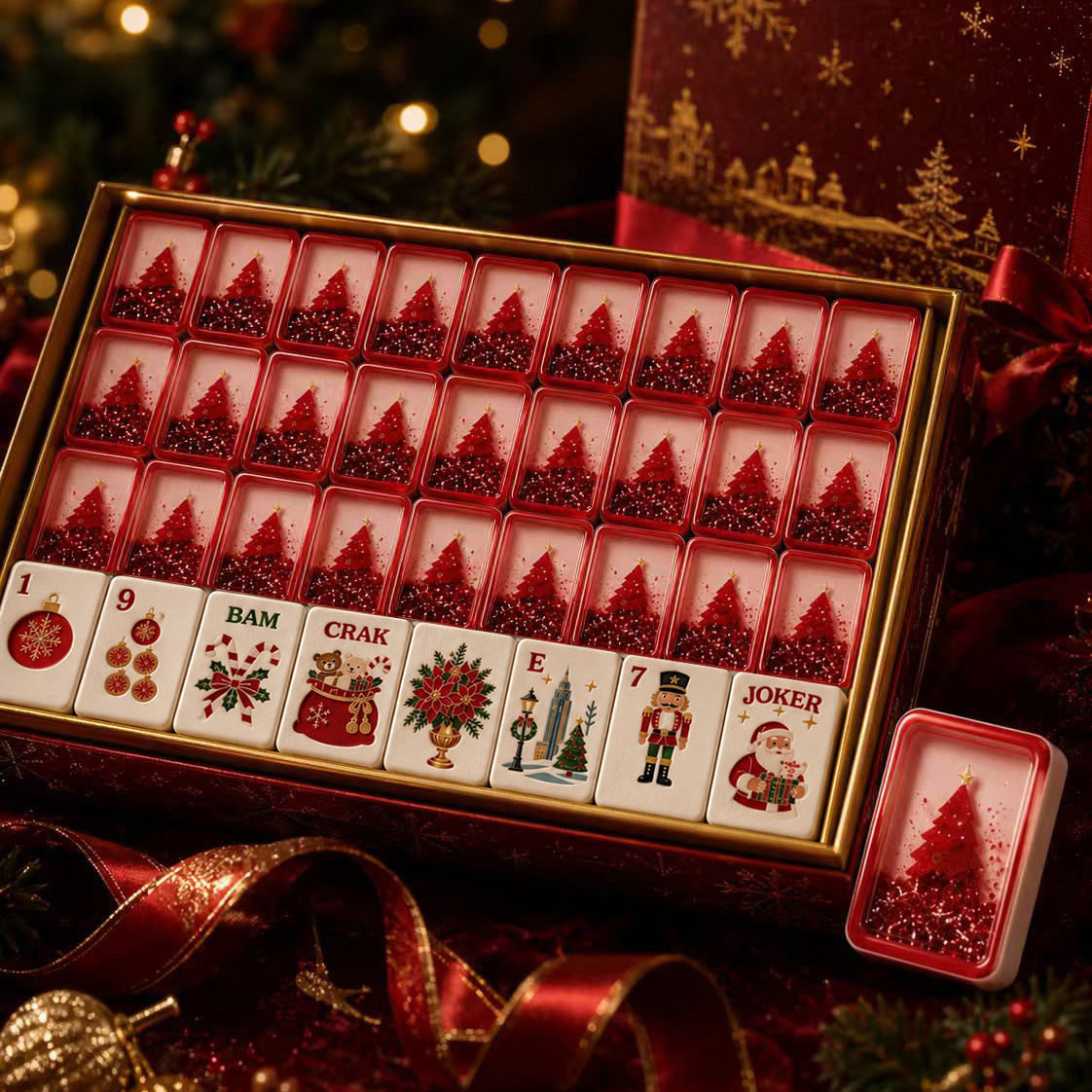
Shanghai mahjong is played with 144 tiles, no jokers, and follows a completely different hand system than American mahjong. Unlike American play, Shanghai allows sequences (chows) as exposed melds, and the winning hand structure is fundamentally different. The most common errors are calling illegal melds, confusing pung rules with sequence rules, miscounting tiles in sequences, and misreading flower tiles. We recommend playing with a mat for clarity and a scorepad to track discards precisely.
What's the difference between a pung and a chow in Shanghai?
In Shanghai mahjong, a pung is three identical tiles (e.g., three 5 Craks) and a kong is four identical tiles. A chow (or meld sequence) is three consecutive numbers in the same suit—for example, 4 Bam, 5 Bam, 6 Bam. You can expose a pung, kong, or chow on the table after someone discards it. The critical mistake: treating a chow as a pung by grouping non-consecutive numbers. Always verify the numbers run in order before calling.

Why do new players miscount tiles in a sequence?
Counting errors happen because the three tiles in a chow must be consecutive numbers in the same suit. Players often call a sequence that skips a number (like 3 Dot, 5 Dot, 7 Dot) or mixes suits (like 3 Dot, 4 Bam, 5 Crak). Before you expose a meld, touch each tile and say the numbers aloud: "3, 4, 5—Dots." If the sequence breaks, stop and keep your tiles hidden.
Can you use flowers and winds in Shanghai melds?
Flowers (eight tiles total: spring, summer, autumn, winter, and four seasonal variants in some sets) are not part of your hand. When you draw a flower, it goes immediately face-up beside your rack and you draw a replacement from the end of the wall. Winds and dragons can form pungs and kongs but never form chows—honor tiles cannot be consecutive. A common blunder is trying to meld a wind or dragon as if it were a numbered suit tile.
What is the correct winning hand structure in Shanghai?
A winning Shanghai hand has 14 tiles total: one pair (two identical tiles) plus melds that sum to 12 tiles. Those melds must include at least one pung, quint, or kong (a set of identical tiles); the rest can be chows (sequences). Some hands allow seven pairs instead, and the "thirteen unique terminals and honors" hand requires one of each highest and lowest number per suit plus all winds and dragons. The most frequent error is declaring a win with only chows and no pungs—that is illegal.
How do you know when to stop and not call?
The most costly mistake is calling a meld that is not actually a meld, or declaring a win when your hand doesn't match the legal structure. Before you call, recount every set: pungs must have three or four identical tiles; chows must be consecutive numbers in one suit; the pair must be two identical tiles; at least one set must be a pung, quint, or kong. If you're unsure, ask the table before you expose—hesitation saves points.
Common Shanghai Mistake | Why It Happens | How to Fix It | Result If You Don't |
Calling a non-consecutive sequence (3, 5, 7 in same suit) | Miscount or misread tiles | Verify every number aloud before calling | Meld is invalid; tiles are returned to rack |
Melding a pung of different numbers (1, 2, 3 identical tiles but different suits) | Confusing "pung" with "sequence" | Pungs are three identical tiles—same number, same suit | Meld is disallowed; hand is invalid |
Trying to form a chow with wind or dragon tiles (e.g., North, East, West in sequence) | Honor tiles look like they should work like numbered suits | Honor tiles form only pungs and kongs, never sequences | Meld is illegal; you must break apart your hand |
Drawing a flower and not replacing it from the wall | Forgetting flowers are auto-melds and not part of scoring | Immediately flip the flower and draw a new tile from the end of the wall | Hand count is wrong; you may not be able to win legitimately |
Declaring a win with no pungs—only chows and a pair | Forgetting the "at least one identical set" rule | Require that at least one meld is a pung, kong, or quint | Win is invalid; you discard and lose your turn |
🀄 Shop best-selling mahjong sets →

How do you read a Shanghai hand card or winning pattern list?
Shanghai mahjong often uses a printed card showing winning patterns, similar in concept to the American National Mah Jongg League card but with different hand types. Each pattern shows the exact tile configuration required: a sequence of three chows, a set of three pungs, seven pairs, or the "thirteen terminals and honors" (all 1s and 9s of the three suits plus all winds and dragons, with one pair). Before you play, ask your group which reference card you're using—Shanghai has regional variations. Study the pattern list until you can recognize the winning shapes without hesitation.
What role does the wall play, and when do tiles run out?
Shanghai mahjong tiles are drawn from a central wall of face-down tiles. Players take turns drawing one tile and discarding one, which shortens the wall. When the wall is depleted and no one has won, the round is a draw (no payment). A critical mistake is drawing or discarding out of turn, which can render the game invalid. Always wait for the player directly before you to discard; then you draw one tile from the wall (or from your previous discard if you're melding a discard). Count carefully, and if the wall is nearly empty, play extra carefully or agree to reset and replay.
Why do hands fail even when tiles look correct?
The most subtle error is forgetting that every hand must include at least one set of identical tiles (a pung, kong, or quint). A hand of all sequences plus a pair looks tempting but is not a legal win in Shanghai. Additionally, some hands require specific suit distributions or honor tile counts. Before you claim a win, read the winning pattern one more time: Does it match your tiles exactly? Are all sequences in the correct order? Is there a pung or kong? If any detail fails, your win is invalid and you lose points.
🎁 See our most-loved mahjong sets & accessories →
What to check before you buy a Shanghai mahjong set
If you're new to Shanghai and want to practice with a dedicated set, look for one that clearly distinguishes the suits by color and includes a reference card for winning patterns. Many general-purpose sets work for multiple variants, but engraved or color-coded tile markers help you spot suit changes faster. Pair your set with a mat to keep tiles organized during play—clear sight lines prevent the meld-calling errors that trip up beginners. A pen and scorepad (not built into every set) are essentials for tracking discards and keeping scores accurate across multiple rounds.
Common beginner scenarios and how to handle them
Scenario 1: You draw a flower. Stop. Flip it face-up beside your rack. Draw a replacement tile from the end of the wall, not from your hand. Count your hand: it should still be 13 tiles plus the one you just drew.
Scenario 2: Someone discards a tile you can add to a mung (three identical tiles). Call "pung" clearly. Take the discard, place it face-up with your two matching tiles, and discard one unwanted tile from your hand. Announce the suit and number so everyone sees it (e.g., "pung of 7 Bams").
Scenario 3: You think you have a winning hand. Before you declare, lay it out on the table and read aloud: "Pair of [tile], pung of [tile], chow of [three tiles], chow of [three tiles], chow of [three tiles]." If every set is legal and matches a winning pattern, you win. If not, retrieve your tiles and keep playing.
✨ Find your Mahstead set — free US shipping →

FAQ
Can you form a chow using a flower tile?
No. Flowers are auto-melds that do not count toward your hand structure. You flip a flower immediately and draw a replacement. Chows use only numbered tiles (Bams, Craks, Dots) in consecutive order within one suit.
What happens if two players want to claim the same discard?
Priority goes to the player claiming a kong or pung (identical sets). If both want a pung or chow, the player closest to the discarder in turn order wins the tile. Agree on house rules before the game starts.
Is Shanghai mahjong the same as Hong Kong mahjong?
No. Shanghai and Hong Kong are distinct variants with different tile counts, hand structures, and melding rules. Shanghai uses 144 tiles with no jokers; Hong Kong also uses 144 tiles but has different winning patterns and scoring. Always confirm which variant your group plays before you begin.
Can you discard a flower tile?
No. Flowers cannot be discarded—they are removed from play immediately when drawn. If you somehow hold a flower in your hand (an error), flip it and draw a replacement at once.
What is the penalty for calling an illegal meld?
Most groups require you to take back your tiles and forfeit your turn. In formal play, an illegal meld may cost you points or count as a dead hand. Agree on penalties with your group before the first hand.
Why do players use a mat even for Shanghai mahjong?
A mat keeps tiles organized, prevents mixing up suits, and makes it easy to see all discards at a glance. Even though Shanghai sets and American mahjong sets differ in size and composition, a quality mat improves accuracy and speed for any variant.


View More
View More
View More
