
Mahjong Open Play in Dallas: Where to Find & How to Join
Last updated: Nov 23, 2026
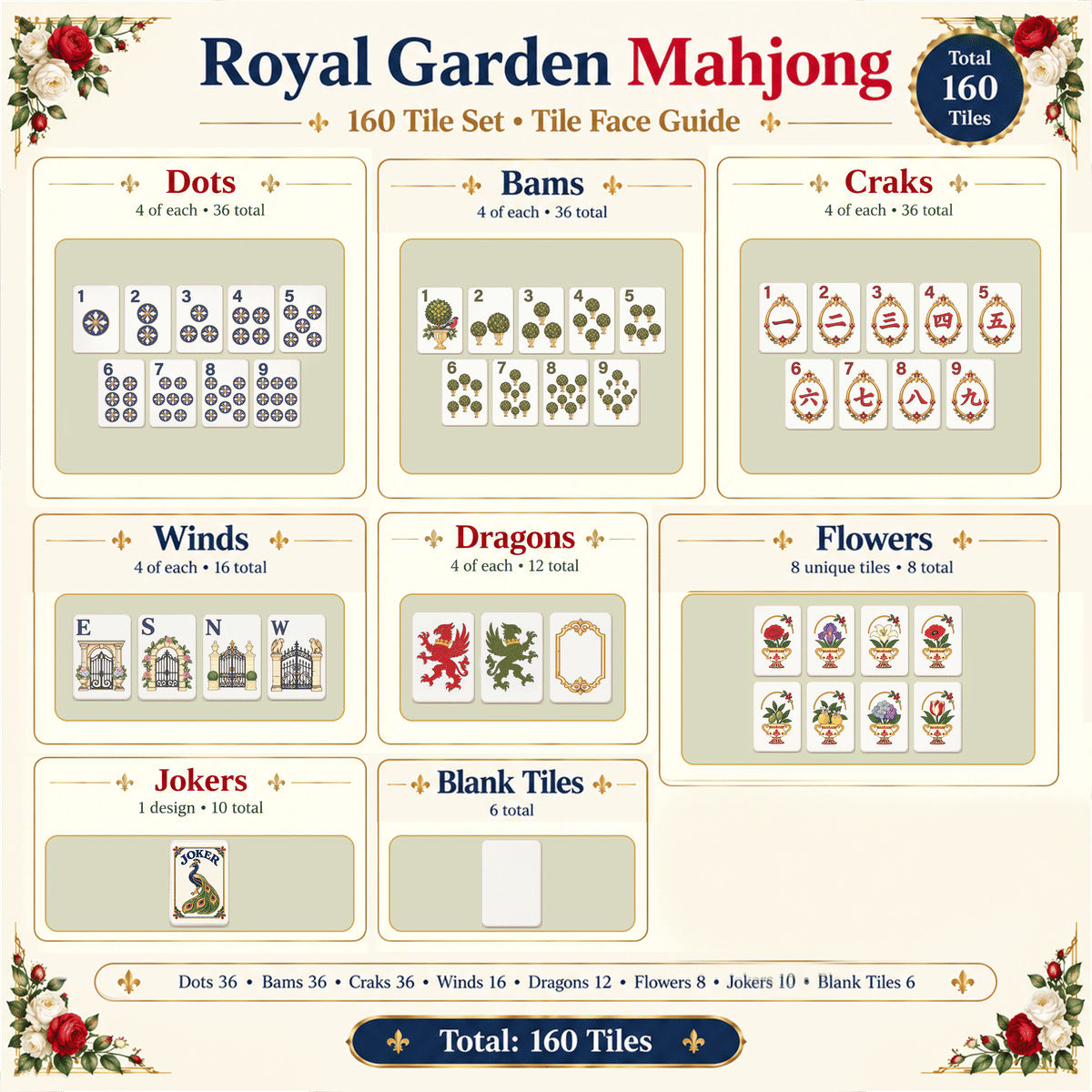
Open mahjong play in Dallas exists at community centers (check Parks & Recreation), public libraries (call ahead for gaming schedules), senior centers, Jewish community centers, and country clubs that host games. Most groups play American mahjong on a weekly or bi-weekly basis; games typically run 2–4 hours. To find a group, search Meetup for "mahjong Dallas," call your neighborhood library or rec center directly, or ask your synagogue or social club whether they host or know of regular games. No membership fee is standard, though some venues may charge a small room fee split among players. Bring familiarity with American rules and a full 152-tile mahjong set, or ask ahead whether the host provides equipment.
Where do I find an open mahjong game in Dallas?
Start by contacting your local Parks & Recreation department—Dallas has multiple branches, and many host game nights or can connect you to community groups. Public library branches, especially those in central areas, often host gaming tables and can tell you which afternoons are reserved for mahjong. Senior centers frequently run games on weekday mornings or afternoons; call ahead to confirm. Jewish community centers, synagogues, and country clubs in the Dallas metro area often have weekly or monthly mahjong nights open to members or, sometimes, to anyone. For the broadest search, try online community boards—Meetup, Facebook groups for Dallas hobbies, or Craigslist events—where players advertise regular games. Ask for the game's format (American, Hong Kong, Riichi, or mixed) because rules vary significantly. The majority of casual Dallas open-play groups use American mahjong rules.

What skill level do I need to start?
Most open-play groups in Dallas welcome beginners, though calling ahead is wise—some groups are competitive and expect intermediate or advanced play, while others prioritize fun and teaching. If you're new to American mahjong, spend time learning the fundamentals of American mahjong before joining, so you can follow the Charleston (the tile-passing ritual) and recognize pung, kong, and hand patterns. You don't need to memorize the entire National Mah Jongg League card—experienced players will guide you on hand values during play. Many groups have one or two slower rounds early on to help newcomers catch the pace. Bring a physical copy of the current year's League card (printed or digital) so you can reference hands as they're called. Most tables are forgiving about rule questions, especially early in a game. Confidence matters more than perfection; if you're unsure, ask.
What should I bring to an open mahjong game?
Bring a full 152-tile American mahjong set unless the host has confirmed they provide equipment for all players. Bring paper and pen to track scores; most groups keep informal running tallies, though some use apps. Bring the current year's National Mah Jongg League card in a format you can read quickly—printed wallet-size card, full 8.5"×11" copy, or a photo on your phone. If you own racks and pushers, bring them (these speed up play and reduce hand strain, though they're optional for casual games). Bring water or a beverage; most games run 2–4 hours, and hydration matters. If the venue is cold, bring a light layer—gaming rooms often run cool. Do not bring money unless the group explicitly tells you the game is for stakes; many Dallas open-play groups are purely social. If you own a mahjong mat, a personal mat can make travel and setup easier, though hosts usually provide one or simply play on a table.
🀄 Shop best-selling mahjong sets →
How do I prepare before my first open-play session?
Learn the rules, the tile names, and what the Charleston looks like. Watch a 10-minute video tutorial on American mahjong basics or read a concise guide so you recognize the four tile suits (Bams, Craks, Dots, Winds, Dragons, Flowers, Jokers). Practice recognizing a pung (three identical tiles), a kong (four identical), and a quint (five identical)—American mahjong does not use sequences, so your brain's pattern-matching needs to shift from other games. Understand that jokers are wildcards and can substitute for any tile in a meld, but never for a single tile or a pair; this rule often confuses new players. Know the Charleston sequence: players pass three tiles to the right, then three to the left, then three across, then (optionally) pass two tiles a fourth time—but only if everyone agrees. Bring a pen and paper to jot hand scores or ask a veteran player to be your scorekeeper the first game; most groups don't enforce perfect score accuracy in casual play. Text or call the host 24 hours before to confirm the game is running and to ask whether it's beginner-friendly. Arriving 10 minutes early helps you meet players and ask quick rule questions before tiles hit the table.

What's the unwritten etiquette at a Dallas mahjong table?
Be on time; late arrivals disrupt the Charleston and force the group to seat-swap or delay. Respect tiles—don't grab another player's hand, don't flip tiles face-down unless you're discarding, and don't touch tiles in the wall or melds unless it's your turn. Keep your hand and discards organized so other players can count your tiles and melds; sloppiness breeds disputes and slows the game. Don't announce your hand strategy aloud before you've declared—it spoils the draw. If someone wins, congratulate them quickly and move to the next game; rehashing strategy comes after play ends. Don't give unsolicited advice to newer players mid-game, but answering a direct question is fine. If you make a rule mistake, speak up immediately so the group can decide how to handle it (usually by re-dealing or playing on, depending on severity). Tip the host if they've provided drinks, snacks, or a private space. Ask before taking photos; some groups prefer privacy. If you'll miss a session, let the host know in advance so they can plan for four players. These norms differ slightly by venue, but politeness, punctuality, and respect for the game go everywhere.
🎁 See our most-loved mahjong sets & accessories →
How do I stay engaged after my first few games?
Return to the same game weekly or bi-weekly to build familiarity with your opponents and improve. Keep notes on hands you see frequently so you recognize patterns faster each week. Join a second group or venue to meet different players and learn regional rule variations (Dallas groups mostly play National League American mahjong, but nuances exist). Consider an online community or a Discord group for Dallas mahjong players where you can ask rules questions between games. If you enjoy hosting, discuss starting a game at your own home once you're confident in the rules; a custom engraved mahjong set or a quality mahjong mat can make your game night feel more polished. Invest in quality accessories—racks with pushers reduce hand fatigue and speed up play, making you a better player over time. Track your personal score over the season if your group keeps stats; improvement is tangible and motivating. Most of all, lean into the social rhythm: mahjong is a four-player game, and the friendships formed at the table are half the appeal.
Venue Type | How to Find | Typical Schedule | Beginner-Friendly? | What to Expect |
Community center (Parks & Rec) | Call Parks & Rec directly or visit website | Weekday evenings or weekend afternoons | Usually yes | Casual, mixed skill levels, low cost |
Public library | Call or visit branch; ask for game nights | Weekly or bi-weekly, evenings or mornings | Varies | Quiet, public space, library card may be required |
Senior center | Call directly; ask for mahjong schedule | Weekday mornings, multiple times per week | Often yes | Slower pace, very social, strong community |
Jewish community center or synagogue | Call membership or ask if games are open | Weekly, evenings or afternoons | Often yes | Welcoming, often free or low cost |
Country club or private club | Contact membership; ask if visitor play allowed | Weekly, usually fixed night | Varies | More formal, may require intro from member |
Online (Meetup, Facebook, Craigslist) | Search "mahjong Dallas" + venue keyword | Varies by group; often weekends | Varies | Read reviews; confirm format and skill level first |
✨ Find your Mahstead set — free US shipping →
What to check before you buy or bring equipment
If you're shopping for your own set to bring to open play, verify that it's a full 160-tile American mahjong set with 152 playing tiles and spares—this is the standard in Dallas. Check that tiles are clearly marked (acrylic or bone-and-bamboo sets from our best-selling collection both work; acrylic is more durable for travel). If you're considering a travel bag or case, measure your set's box or storage box beforehand—not all bags fit all sets, and a snug fit prevents tile breakage. If you wear glasses or have vision concerns, hold a sample set under the lighting at the venue before committing; some acrylic tints reduce glare, while others reflect light. Ask the host whether they allow personal mats, racks, and dice—a few groups prefer uniformity for fairness or speed. If you're buying racks with pushers for the first time, practice at home; they speed play but require a learning curve. Most important: ask the host what format they play (American mahjong, Hong Kong, Riichi, Taiwanese, mixed) and whether house rules exist—no two Dallas games are identical, and arriving prepared prevents frustration.

FAQ
Is there a cost to join an open mahjong group in Dallas?
Most open-play groups are free or split a small room-rental fee among four players. Some senior centers charge a nominal activity fee; ask when you call. No gambling stake is expected unless the group explicitly says so—many Dallas games are purely social.
Do I need to own my own mahjong set to play in Dallas open play?
No, but it's helpful. Many groups have sets available for shared use, but owning one ensures you're familiar with your tiles and can practice at home. A full 152-tile American set with a durable storage solution makes a good investment.
How long does a mahjong game take?
A single game (four hands) typically runs 30–45 minutes. Most open-play sessions last 2–4 hours, so you'll play 3–8 games depending on pace and breaks. Slower groups with more teaching take longer.
What if I forget the rules mid-game?
Ask the table. Most Dallas open-play groups pause to clarify rules, especially if a beginner is playing. Experienced players expect rule questions and don't penalize you—speed and etiquette matter more than perfection.
Should I practice before attending my first game?
Yes. Spend 30 minutes learning American mahjong basics, the tile suits, and what a pung and kong are. Watch one tutorial video or read a beginner's guide. This prevents you from feeling lost and lets you contribute to the flow of the game.
Can I play mahjong online to practice before joining Dallas open play?
Yes, browser-based and app mahjong games exist, but American-mahjong-specific platforms are rare. Practicing with a physical set at home is better; invite a friend and play through a few hands to build confidence.
What's the best neighborhood in Dallas for finding a mahjong game?
Call multiple Parks & Recreation branches (north, central, south Dallas) and libraries to find which has the most active schedule. Jewish community centers and country clubs in the Dallas metro often host games. Meetup and local Facebook groups show which neighborhoods have active communities.


View More
View More
View More
