
Mahjong Racks with Pushers: Materials Compared
Last updated: Nov 23, 2026
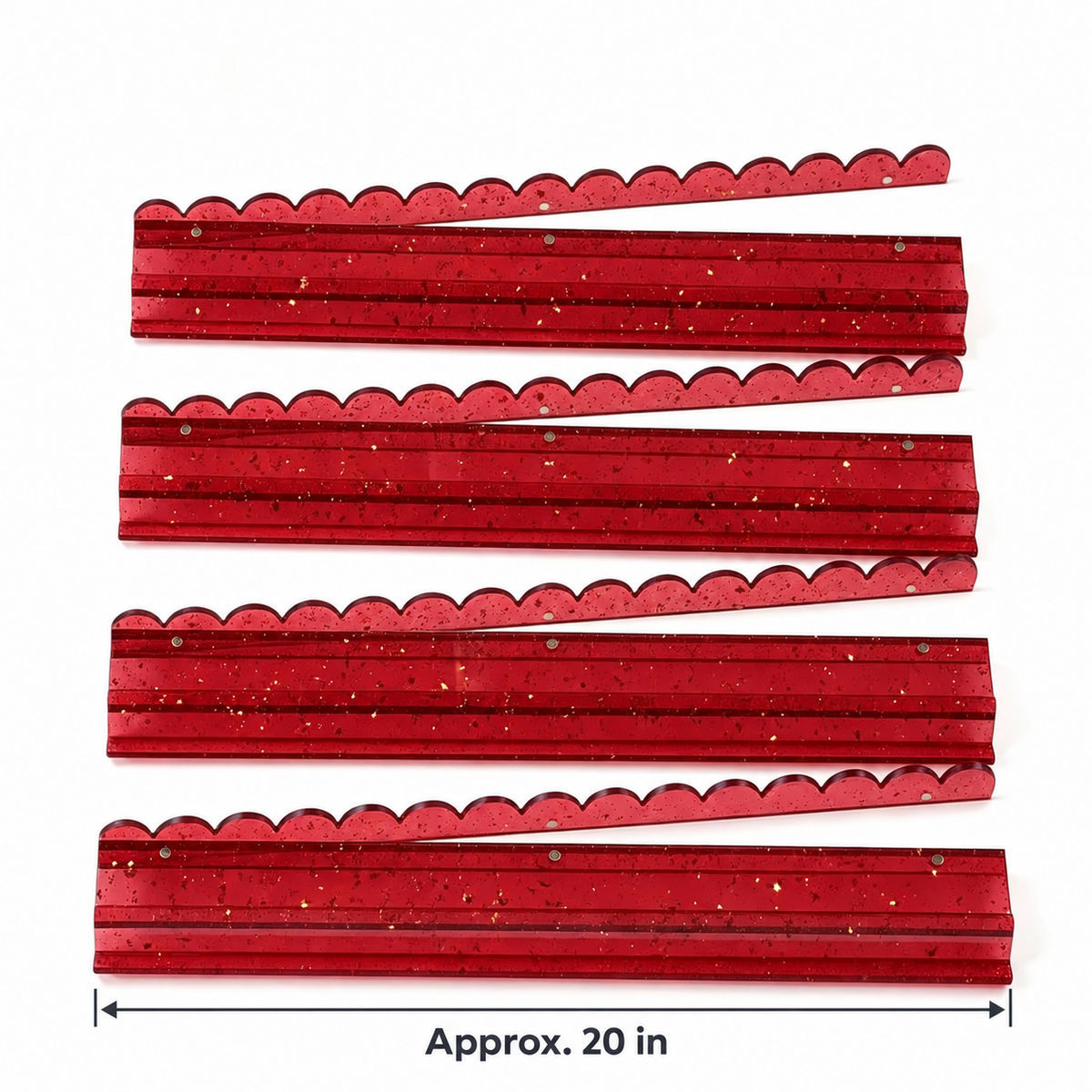
A mahjong rack with pushers is a tile holder that sits in front of each player, keeping their hand upright and organized; the pusher is a small stick that helps you slide tiles without touching them with your fingers. Racks are sold as sets of four (one per player). Materials fall into three main categories: acrylic (lightweight, durable, transparent or colored), wood (traditional, warm, mid-range price), and bamboo (eco-conscious, lighter than wood, similar aesthetics). You'll find acrylic racks bundled with many best-selling mahjong sets, while specialty wood and bamboo racks are available separately. Acrylic is easiest to clean and won't warp; wood and bamboo require occasional oiling and prefer stable humidity. Choose acrylic if you host frequent games or travel; wood if you value traditional look and feel; bamboo if sustainability matters. Check the rack height (usually 2–4 inches) against your tile size and hand comfort before ordering.
What's the real difference between acrylic and wood racks?
Acrylic racks are molded from clear or opaque plastic, light enough to hold comfortably for hours, and they don't absorb moisture or odors. Wood racks are carved from hardwood (often walnut, mahogany, or similar), heavier, warm to the touch, and age gracefully with use. Acrylic can feel slippery if your hands are damp; wood offers slight friction that keeps tiles from sliding. Wood is louder when tiles settle (some players love this; others find it distracting). Acrylic costs less, ships safely without risk of cracking, and works equally well in any climate. Wood is an investment—you'll pay more upfront but it lasts decades and gains character. Choose acrylic for practicality and worry-free shipping; wood for heritage and atmosphere.
How does bamboo compare for regular home games?
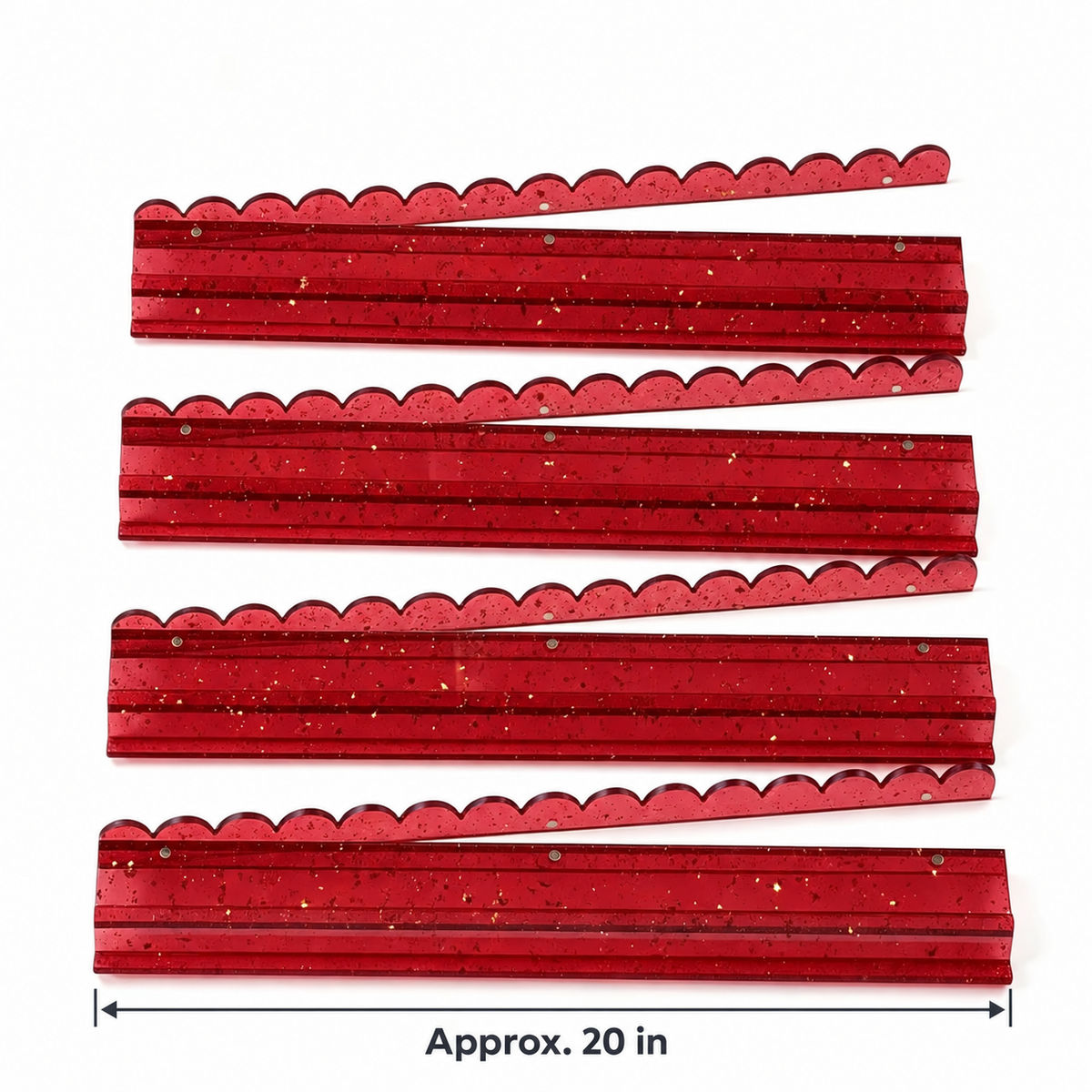
Bamboo racks split the difference: lighter than hardwood, renewable, and visually similar to traditional materials. They're warmer and quieter than acrylic but less slippery. Bamboo absorbs humidity faster than wood, so it requires the same care (occasional oiling, stable storage) to prevent warping or mold in damp climates like the Gulf Coast or Pacific Northwest. The pusher quality matters more with bamboo—a thin or rough-textured pusher can catch on the rack's grooves over time. If you play year-round indoors with climate control (heated and air-conditioned), bamboo is excellent. If your game room fluctuates in temperature or humidity, acrylic is safer. Bamboo wins for eco-conscious players in stable environments; acrylic wins for durability in variable conditions.
What size rack should match your tile set?
Most racks are designed for standard American mahjong tiles (roughly 1 × 1.25 inches), but depth and height vary. A shallow rack (2 inches tall) works for players with good hand strength and quick reflexes; a deeper rack (3.5–4 inches) lets tiles lean back more comfortably during long games, reducing hand fatigue. If you own engraved American mahjong sets with oversized or custom tiles, measure your tile width and check the rack's slot size before buying. Acrylic racks from Mahstead are sized for standard tiles and ship with clear dimensions; wood and bamboo racks vary by maker, so request specs before ordering. Measure your tiles and verify slot depth—a mismatch ruins flow and slows the game.
Which material travels best with your gear?
Acrylic racks are virtually shatterproof, compact (no more than 8–10 pounds per set of four), and pack flat in a rigid case or bag without risk of splitting. Wood racks are heavier (15–20 pounds for a full set) and risk cracking if packed carelessly or exposed to temperature swings during travel. Bamboo is lighter than wood but still denser than acrylic. If you carry your game to tournaments, vacation homes, or weekly clubs, acrylic is the traveler's choice. Pair it with a mahjong bag or case designed for American sets, and you're protected. Wood and bamboo racks belong in a permanent home setup where they're handled regularly but not moved. Acrylic racks + protective case = portable, worry-free games anywhere.
Material | Best For | Weight (4 racks) | Durability | Maintenance | Travel-Friendly? |
Acrylic | frequent players, beginners, travel | ~6–8 lb | 10+ years (no warp/crack risk) | Wipe with damp cloth, dry immediately | ✓ Yes |
Hardwood | traditionalists, permanent setups, collectors | 15–20 lb | 20+ years (requires care) | Oil quarterly, avoid humidity swings | ✗ No |
Bamboo | eco-conscious players, stable climates | 10–14 lb | 15+ years (if climate-controlled) | Oil quarterly, sensitive to humidity | ✗ Risky |
How do you avoid common mistakes when buying?
Before you order, check these five things:
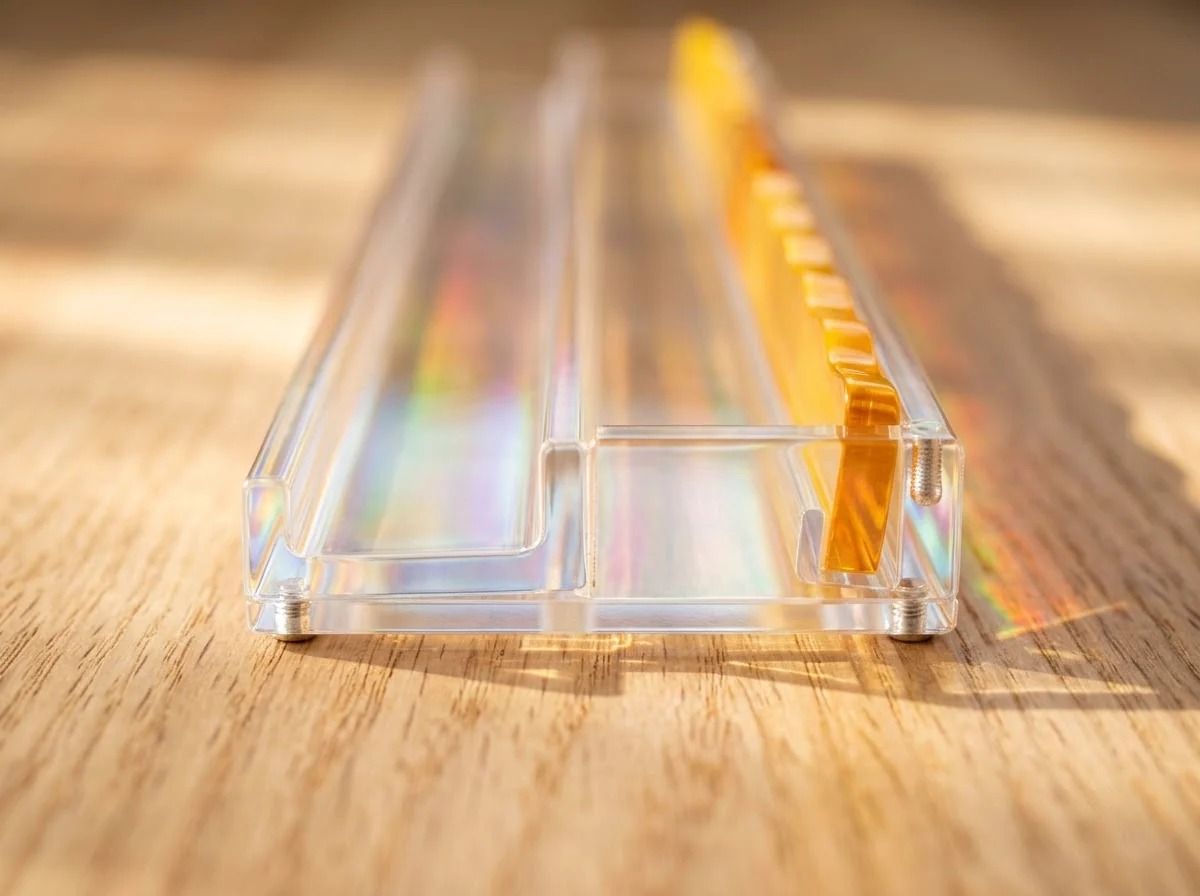
Pusher quality. A pusher should be smooth, slightly tapered, and not too thin (risk of bending). Acrylic pushers are uniform and reliable; wood/bamboo pushers can splinter if rough-finished. Run your finger along the pusher edge—it should feel sanded, not sharp or splintered.
Slot spacing and depth. Measure your tiles' width. If the rack slots are too wide, tiles will wobble; too narrow, and they won't slide smoothly. Standard American tiles are ~1 inch wide; slots should be 1–1.1 inches. Acrylic racks are consistent; wood racks vary by carver.
Finish (especially for acrylic). Clear acrylic shows fingerprints; opaque acrylic hides wear. Frosted finishes reduce glare. Decide based on your aesthetic and cleaning tolerance.
Set completeness. You need exactly four racks and four pushers for a legal game. Confirm your order includes this before paying. Some bulk sellers bundle racks without pushers.
Climate where it will live. Acrylic is climate-proof; wood/bamboo hate rapid humidity or temperature changes. If your game room isn't climate-controlled, stick with acrylic.
What to check before you buy
Measurement checklist:
Tile width (measure one tile at its widest point)
Rack slot width (ask the seller or measure a sample)
Rack height (compare to your hand size and comfort)
Pusher thickness and edge smoothness
Intended climate (stable, humid, or variable)
Shipping & care:
Acrylic: ships fast, arrives intact, requires no break-in
Wood/bamboo: request signature delivery and inspect for cracks immediately; allow 24 hours indoors before first use
Budget reality:
Acrylic sets of four racks are the most affordable option from Mahstead
Wood and bamboo specialty racks cost more but last longer if properly stored
Bundled racks (sold with a full mahjong set) offer the best total value
If you're building a complete setup for the first time, buy acrylic racks bundled with a best-selling mahjong set. As you deepen your practice, you can upgrade to wood or bamboo for specific setups.
🀄 Shop best-selling mahjong sets →
Browse our mahjong racks with pushers collection to compare all available materials and sizes. Each is designed for American mahjong tiles and ships free across the US.
Real-game scenarios: which rack wins?
Scenario 1: Weekly home game, same four players, climate-controlled living room. Acrylic or bamboo. Consistency matters more than character. Acrylic is lowest-maintenance; bamboo feels nicer if humidity stays 40–50%. If anyone spills drinks, acrylic wins (bamboo can stain and trap moisture). Verdict: acrylic.
Scenario 2: Traveling to tournaments or vacation rentals. Acrylic only. Weight and durability are non-negotiable. Pack with your mahjong bag or case and you'll never worry. Verdict: acrylic.
Scenario 3: Permanent club setup in a historic home or museum-style room. Wood. You're not moving it, and aesthetics matter. The extra heft and sound reinforce the ritual. Oiling quarterly is a meditative part of ownership. Verdict: hardwood.
Scenario 4: Eco-conscious player, year-round air-conditioned game room. Bamboo. Sustainability aligns with values, and stable climate protects it. Verdict: bamboo.
🎁 See our most-loved mahjong sets & accessories →
The material you choose shapes how your game feels and lasts. Acrylic is the practical workhorse; wood is the heirloom; bamboo is the compromise. None is objectively "best"—only best for your game, your space, and your habits. Start with acrylic if you're uncertain. You'll always have a reliable, travel-ready setup. Once you know your style, you can layer in wood or bamboo racks for specific games or rooms. Our mahjong racks with pushers come in all three materials, sized for American tile sets and designed to ship intact.
✨ Find your Mahstead set — free US shipping →
FAQ
Can I mix materials—use acrylic racks for two players and wood for two?
Technically yes, but it's poor form. Racks should match in height and slot spacing so all four players' tiles sit at the same visual level. Mismatched racks create a disjointed look and can slow tile-reading during play. Keep a set uniform.
Do acrylic racks yellow or cloud over time?
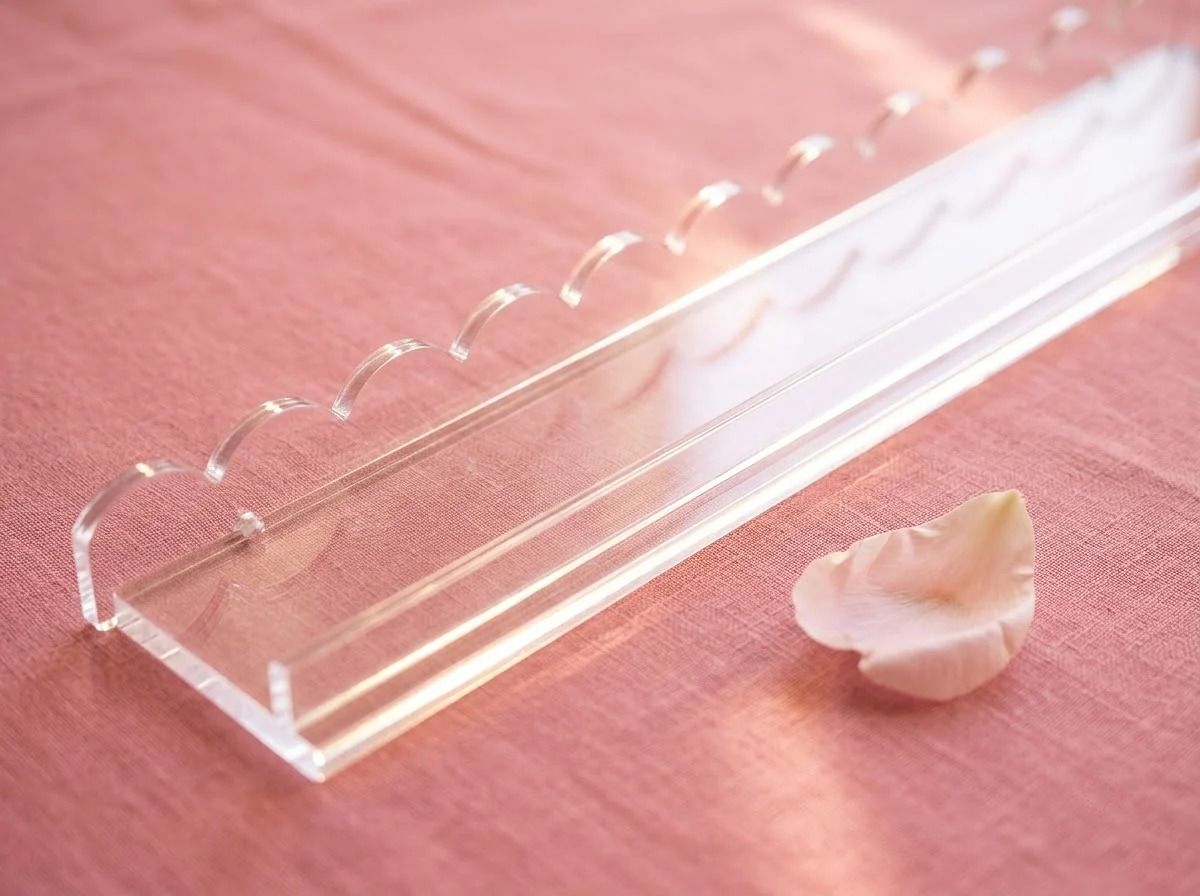
High-quality acrylic (like Mahstead's) resists yellowing for years. Cheaper acrylic can cloud if exposed to direct sunlight or stored in extreme heat. Keep racks indoors and away from windows for long-term clarity.
How often should I oil a wood or bamboo rack?
Oil every three to six months if the rack lives in a climate-controlled room, or monthly if humidity fluctuates. Use food-grade mineral oil or beeswax; wipe on, let sit 30 minutes, buff dry. This prevents drying, cracking, and mold.
Can I use a rack designed for another tile game (like dominoes or tiles)?
No. American mahjong tiles are 1 × 1.25 inches and need specific slot spacing. Dominoes or Chinese tile racks have different dimensions and will hold American tiles poorly. Buy a rack sized for American mahjong.
What's the weight limit for a rack before it warps?
Acrylic racks hold a full hand (14 tiles plus jokers, ~8–10 ounces) indefinitely without warping. Wood and bamboo can warp if exposed to sustained humidity above 60% or swings of more than 20% between seasons. Store in stable conditions and you won't hit a weight limit—humidity is the enemy.


View More
View More
View More
