
Taiwanese Mahjong Kong Strategy: Win More Kongs, Block Opponents
Last updated: Nov 23, 2026
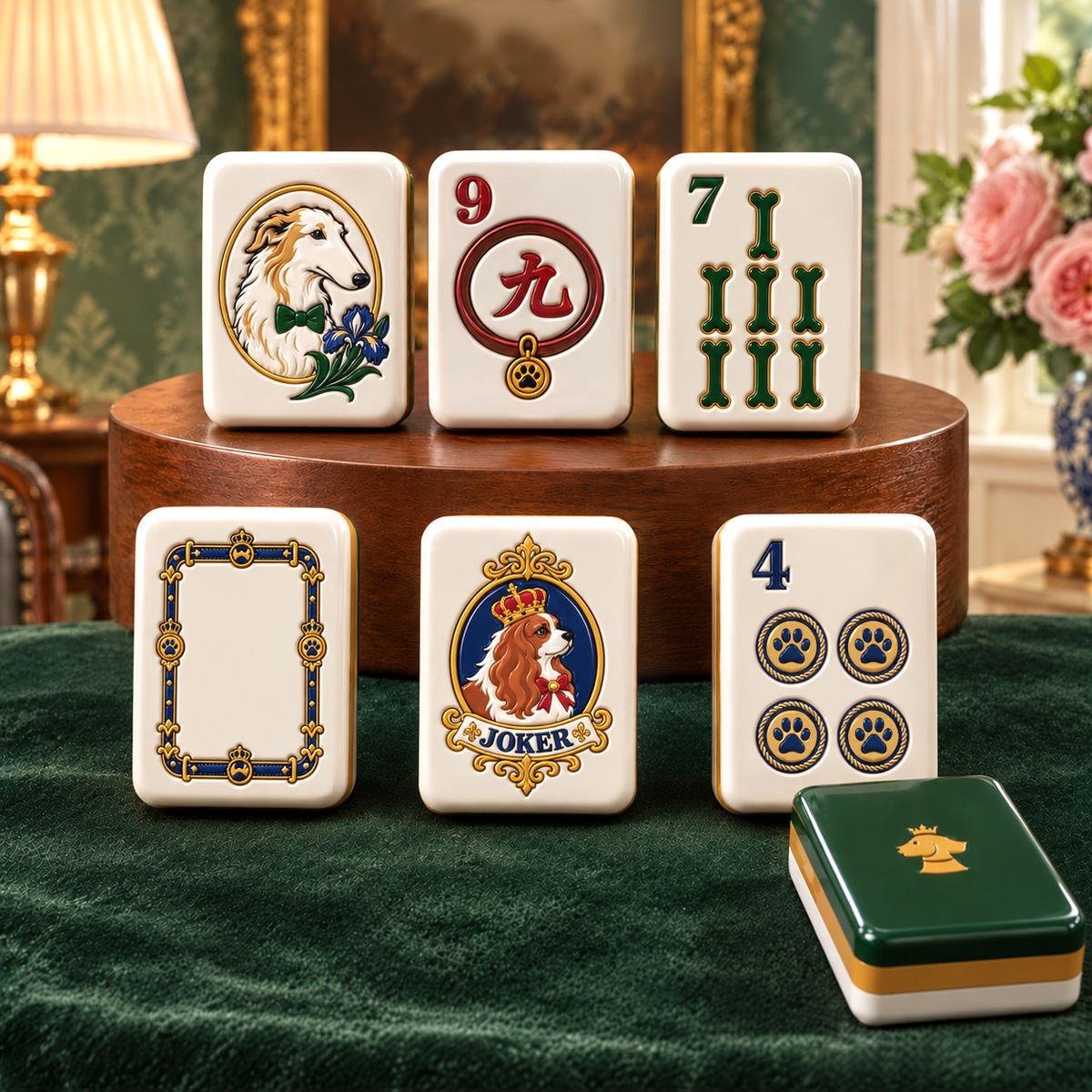
Taiwanese mahjong kong strategy centers on timing and tile prediction. A kong (four identical tiles) scores higher than a pung in most Taiwanese variants, and drawing the replacement tile after completing a kong gives you an extra turn to pursue another meld or block. Unlike American mahjong, where you expose kongs only from your own hand, Taiwanese rules let you call a kong from the discard if you hold three identical tiles (a concealed or exposed kong). The best players delay declaring kongs until late in the hand to avoid telegraphing their suit focus, carefully track which high-value tiles have been discarded, and discard strategically to either encourage opponents to throw tiles you need or force them to discard honors and terminals. Success depends on reading tile flow, managing your rack pressure, and knowing when a "holding" pattern beats immediate exposure.
Why do Taiwanese players prioritize kongs over pungs?
Kongs in most Taiwanese variants award bonus points—often double or triple a pung's base score—and critically, completing a kong lets you draw a replacement tile from the kong box, granting an extra turn. This "bonus draw" can be the difference between dead-ending and securing a winning hand. American mahjong awards no extra draw; the mechanic fundamentally shifts strategy. In Taiwanese play, a player who builds early kongs controls the tempo: you draw 13 or 14 tiles total instead of 12, compressing the remaining deck faster and limiting opponents' options. The risk is that visible kongs broadcast your suit strength, so opponents can block by holding or discarding safer tiles.

When should you declare a kong versus hold it concealed?
Declaring a kong early telegraphs your strategy; opponents see that you're chasing Bams (or Dots or Craks) and adjust their discards accordingly. Holding a concealed kong—keeping all four tiles hidden in your rack—costs you nothing immediately, but you forfeit the bonus draw until you commit. The timing decision depends on your hand state: if you need three more tiles for a winning combination, declaring now and drawing the replacement might hand you exactly what you need. If you're midway through building two melds and still uncertain of your winning path, hold the kong and watch which tiles opponents discard; a single opponent's discard of a crucial tile might make your concealed kong suddenly valuable. Late-game kongs (turn 8 or later) are often the strongest, because the deck is thin and a bonus draw can deliver a tile no one else wants to give up.
How do you block an opponent's kong strategy?
Blocking hinges on reading tile flow and pressure. If an opponent has shown two Bams of the same number or has been discarding craks heavily (suggesting they're focused elsewhere), they likely hold a concealed pair waiting to call a kong from your discards. To block: (1) hoard the third copy of any tile you suspect they need, so they cannot complete a pung-to-kong upgrade; (2) discard the fourth copy early if you draw it, denying them the option entirely; (3) watch their rack body language and discard timing—hesitation often signals they're waiting for a specific tile. The counter-counter-move is to fake a focus by holding and later discarding tiles from your apparent "suit," luring opponents into blocking the wrong path. Experienced players layer this deception: discard three Craks early to seem weak in that suit, then pivot hard when the deck thins.
What tile pressure and discard sequencing reveal about hand strength?
Tile pressure—how many tiles you retain in each suit—is visible to all players if they track your rack carefully. After the opening Charleston (if played) and first five turns, the number of tiles you hold in each suit narrows their guess significantly. Discard sequencing matters equally: discarding safe terminals and honors first signals a hand focused on number melds (pungs and kongs), while discarding low numbers early suggests you're chasing honor-heavy or mixed hands. Opponents use this to infer whether you're likely to need their discards or declare kongs soon. Smart players randomize their discard order slightly—holding a potentially needed tile for one or two more discards before playing it—to avoid becoming predictable. The Taiwanese game rewards this observation; reading two opponents' tile pressure correctly in an eight-turn window can net you 5–10 extra strategic plays.
Signal | What it suggests | How to respond |
Heavy early honor discards | Opponent chasing number melds or kongs | Hold honors; watch their number suit |
Rapid pung/kong declarations | Aggressive, score-chasing player | Tighten your discards; block aggressively |
Mixed suit discards mid-game | Flexible hand; still deciding | Hold diverse tiles; don't commit early |
Late-game concealed kong hold | Waiting for bonus draw setup | Discard the fourth of any suit they might call |
Hesitation + pause before discard | Weighing risk; hand pressure high | They likely need your next discard |
🀄 Shop best-selling mahjong sets →

How does Taiwanese scoring stack up against American mahjong?
American mahjong uses the National Mah Jongg League card issued each spring; hands are fixed patterns, and scoring is binary (win or no win on a specific hand). Taiwanese variants use point-based scoring where each meld type carries a base value (often: pair = 2 points, pung = 4 points, kong = 8 points or more, winning hand multiplier = 2–4× depending on table rules). A kong-rich hand in Taiwanese play can score 2–3 times a pung-only hand, which is why the strategy diverges so sharply. Because American mahjong prohibits chows (sequences like 1-2-3), your meld options are fewer, and kongs are simply higher-value versions of pungs with no bonus turn. In Taiwanese play, the bonus draw from a kong and the doubled points create cascading pressure: one good kong often leads to a win within 2–3 turns. Understanding your house rules before sitting down is critical; some tables award fixed kong bonuses, others scale them by round number (East round kongs worth more) or by whether the kong was concealed or called.
What are the most common mistakes Taiwanese players make with kongs?
Declaring kongs too eagerly costs tempo: you reveal your suit focus and give opponents critical information for three turns before you draw your replacement. A premature exposed kong in turn 3 is a roadmap. Holding concealed kongs too long wastes the bonus draw; if you need only two more tiles to win and three turns remain, your concealed kong is dead weight—declare and draw to increase your odds. Not tracking which tiles have been discarded leads to calling kongs for tiles already gone: if a 5 Dot was discarded in turn 2 and you're holding three 5 Dots in turn 8, a fourth copy exists but may never surface; you've wasted rack space. Ignoring opponent tile pressure leaves you blindsided: if you build a kong and your opponent immediately discards their dangerous tiles, they've likely already secured a winning path and were stalling you. Forgetting the bonus draw sequence: after you declare a kong, you draw from the kong box (the far end of the wall), not the regular draw. In some variants, drawing the replacement tile before your regular turn can reset turn order—know your house rules. Our best-selling mahjong sets come with clear tile counts and standard sizes, so you always know what you're working with when you're learning these nuances.
How should you adjust your strategy in late-game kong plays?
In the final 3–4 turns, kongs shift from exploratory to decisive. The deck is thin; one player may be one tile from winning. Declaring a kong here is a double signal: (1) you're close, and (2) you're betting the bonus draw wins the hand. If you hold a concealed kong and three turns remain, calculate: does your winning path require the bonus draw, or can you win without it? If yes, declare and draw—you gain one extra tile at minimal information cost. If no, stay concealed and force opponents to guess. Late-game blocking becomes ruthless: if an opponent discards a tile that completes your kong, you have two choices—call it (revealing your hand focus) or pass (denying them the information but also the tile). Passing a late-game kong call is rare but powerful: it signals confidence elsewhere and forces them to find another path. The player who controls the last three discards usually controls the hand; kongs in this window are often the win or the block that prevents it.
🎁 See our most-loved mahjong sets & accessories →
What to check before you buy into Taiwanese mahjong seriously
If you're committing to Taiwanese play, verify your group's rule set first. Kong bonus points vary wildly: some tables award 8 points per kong, others 12 or a multiplier. Bonus draw mechanics (do you draw before or after your regular turn? does it reset play order?) differ by province and house rule. Request written rules or watch a hand before money is on the table. Second, invest in a quality mahjong set with durable tiles and clear markings—Taiwanese games move faster than American play, and worn or ambiguous tiles cost you accuracy under pressure. Third, bring a mat if your play venue doesn't provide one; the consistent surface helps you read tile pressure more accurately. Fourth, know the discard order convention at your table (do players discard to a center pool or to individual corners?) and practice tracking all three opponents' discards, not just one. Finally, learn the hand notation or "speak" your group uses—some Taiwanese players call melds by phonetic code or shorthand; mishearing a kong call mid-game costs you a turn.
✨ Find your Mahstead set — free US shipping →

FAQ
Can you call a kong from the discard in American mahjong?
No. American mahjong only allows you to expose pungs (three identical), kongs (four identical), quints (five), and sextets (six) from your own hand. You cannot call any meld from another player's discard. Taiwanese rules permit calling kongs from the discard if you hold three identical tiles.
What happens if you run out of tiles in the kong box?
This rarely occurs in casual play. If it does, house rules vary: some allow a substitute draw from the regular wall, others declare a dead hand. Clarify this before the game starts. In Taiwanese tournaments, the kong box is always sufficiently stocked.
Does declaring a kong earlier in the hand give you a statistical advantage?
Early kongs show your suit strength, giving opponents 3–4 extra turns to block. Late kongs deny this information but cost you 3–4 bonus draws. Both strategies have trade-offs; early is riskier, late is slower. Experience teaches you which matches your play style.
How many points is a kong worth in Taiwanese mahjong?
It depends on your house rules, which vary by region and table. Common values: 8 points base, 16 for a concealed kong, sometimes multiplied by round or hand circumstances. Ask your group before playing for stakes.
Is tile tracking the same in Taiwanese as in American mahjong?
Yes—in both, tracking all discards and opponent rack pressure is critical. Taiwanese play rewards this even more because bonus draws and fast tempo compress the decision window. Start tracking from turn one and update your mental model every discard.
Can you discard a tile the same turn you declare a kong?
No. Declare, draw, then on your next turn you discard. Never declare and immediately play the same tile.


View More
View More
View More
