
Mahjong Open Play in Charlottesville: Where to Find Games & Get Started
Last updated: Nov 23, 2026
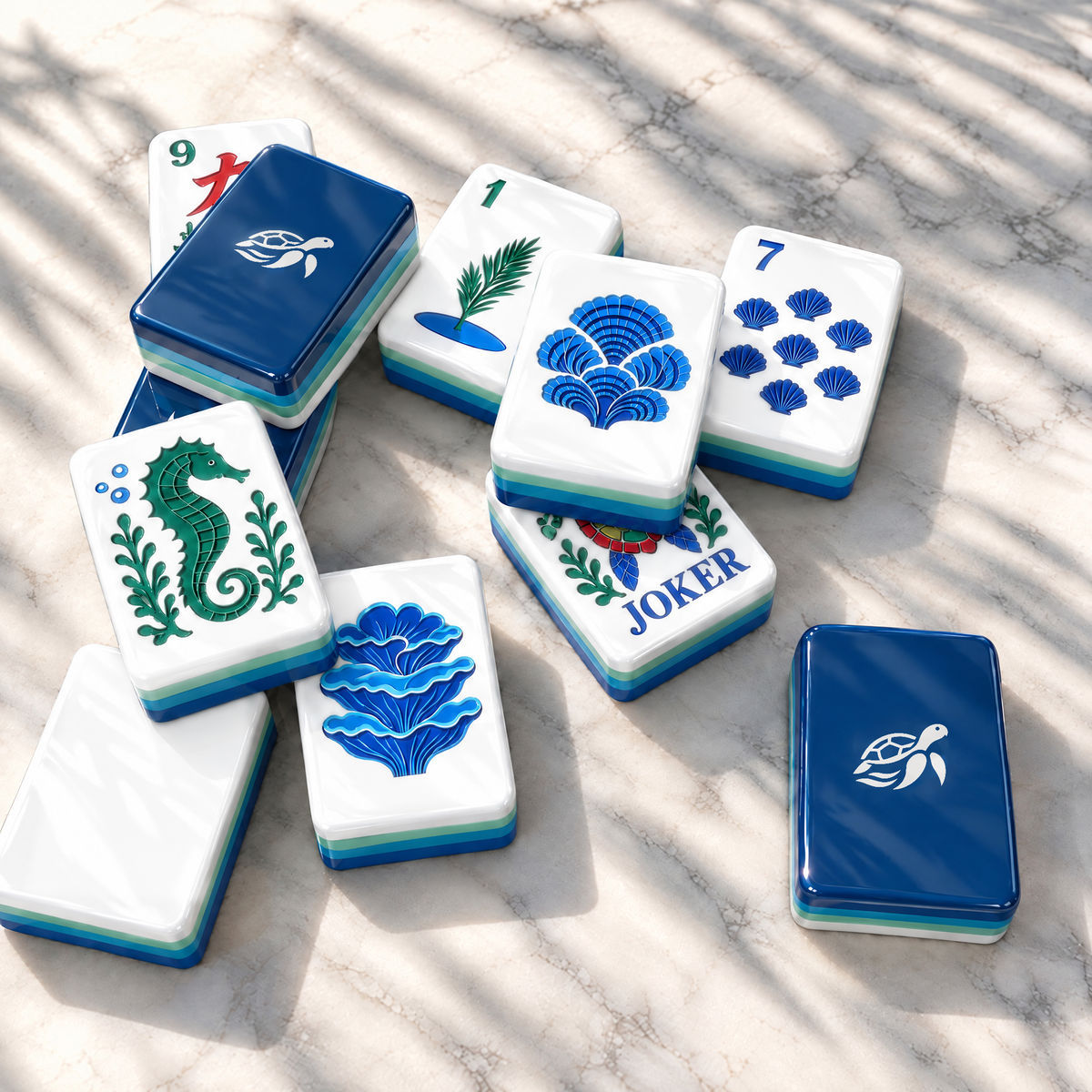
Open mahjong play in Charlottesville happens in community centers, libraries, synagogues, and country clubs—check bulletin boards, Meetup, and Facebook groups for current schedules and host contacts. Most games run weekly, typically Thursday or Friday evenings, and welcome both beginners and experienced players. American mahjong (the 4-player variant played with 152 tiles, the National Mah Jongg League card, and a formal tile-passing ritual called the Charleston) dominates the region. Expect to find games ranging from casual social play to friendly competition. You'll need a 160-tile set, a mat, and basic familiarity with the current year's card—a best-selling mahjong set with clear acrylic tiles works well for beginners and experienced players alike. No cost is involved in joining a public game; some venues ask a small drop-in fee or a shared snack contribution. Start by calling your local community center or library to ask whether they host mahjong; if not, ask for recommendations from their activities staff. 🀄 Shop best-selling mahjong sets →
Where do Charlottesville players gather for open mahjong?
Community centers, public libraries, synagogues, and country clubs are the most reliable venues for weekly or monthly open play. Start with the Charlottesville Parks & Recreation department and ask about mahjong programs; check your library's event calendar online or call the adult programs desk. Synagogues often host Thursday-evening games (mahjong has deep roots in Jewish-American culture); call ahead to confirm the schedule and whether you need membership. Country clubs sometimes welcome non-members to specific game nights—ask your library if they know of one. Facebook groups dedicated to Charlottesville area games and Meetup.com often list exact times and hosts' contact info; search "Charlottesville mahjong" or "mahjong open play Virginia." When you find a contact, ask the host what tile set they use (American or another variant), what skill level they welcome, and whether you should bring your own set or if one is provided.

What's the difference between open play and league mahjong?
Open play is casual, friendly, and flexible—games end when players want to leave, stakes are low or none, and the host chooses whether to follow strict rules or play relaxed. League mahjong (National Mah Jongg League) uses an official tournament hand card, enforced scoring, formal rankings, and competitive pressure; you pay an annual membership fee and compete in scored games. Most Charlottesville open games are social open play, meaning no money involved and house rules are common. However, if a host mentions "NMJL card" or "official hands," they're running semi-competitive games aligned with league standards. Either way, you'll use the same 152-tile American set and the same basic rules—the difference is atmosphere and rigor. Ask the host before you join: "Is this strict league format or casual open play?" so you know what to expect and whether you're ready.
How do I learn the rules before my first game?
Read the mahjong for beginners guide and watch one teaching video (search "American mahjong basics" on YouTube—look for videos under 15 minutes). Spend 20 minutes on how to read a mahjong card—that's 80% of what you need. Practice the Charleston (the tile-passing ritual) with a friend if possible. Then ask the host if you can watch one full hand before playing; most open-play hosts welcome one sitting-out game so you see the flow. Bring a notebook and jot down hand patterns you see. Don't memorize the entire card—focus on recognizing your own discards, how pungs (triplets of identical tiles) work, and when to claim a discard. After one evening of play, you'll absorb more than a week of reading.
🎁 See our most-loved mahjong sets & accessories →

What tile set should I bring to a Charlottesville game?
Bring a 160-tile American set with clear, large tiles (at least 1¼ inches wide) if tiles are printed rather than painted—acrylic sets are durable, easy to read, and last years of weekly play. Avoid cheap bone sets with tiny tiles or worn numbers; they're slow to identify and frustrate experienced players. If you don't own a set, ask the host before you arrive: "Should I bring my own or will one be provided?" Many groups have a shared set or rotate whose set hosts the table. If you're buying your first set, browse engraved American mahjong sets (they're customizable for tournament organizers but work perfectly for open play), or start with a best-selling standard set that's been tested by thousands of weekly players. Test the tiles in your hand: they should fan smoothly, stack neatly, and not smell strongly of chemicals (a sign of poor manufacturing). Bring the set in a padded bag or case—tiles damage easily in a cardboard box in a car trunk.
What to bring | Why it matters | Our pick |
160-tile acrylic set | Large, readable tiles; durable for weekly play | |
Padded travel case | Protects tiles and racks from damage in transit | |
Current year's NMJL card (printed or digital) | Read legal hands; required if playing league format | Print free from NMJL.org or ask the host |
Racks with pushers (if you don't have them) | Organize tiles safely; faster hand-reading for beginners | |
Notebook & pen | Track hand patterns and scoring for learning | Any—optional for experienced players |
How do I avoid rookie mistakes at open play?
Before the game: Confirm the host is running American mahjong (not Chinese, Hong Kong, or Riichi variants—all have different rules). Ask the host what variant of scoring they use (there are several ways to calculate points; most casual groups simplify it).
During the Charleston: Don't pass your best tiles thinking you're being clever—pass tiles you're least likely to need. Wait for the host to explain which direction you're passing and when to stop.
During play: Never call a discard unless you can actually complete a hand—calling and then not having a legal hand is humiliating and breaks flow. Hold your tiles in your rack so no one else can see what you have—accidental "flashing" of tiles isn't cheating, but it slows the game. Don't memorize the discard wall; it's not how the game works.
Asking for help: It's fine to say "Can someone explain why that's a legal hand?" Most experienced players enjoy teaching. But don't ask for tile-drawing advice mid-hand ("Should I draw from the wall or claim that discard?")—that's considered steering, even if innocent.
Joker rules: Jokers are the most misunderstood element. How jokers work in American mahjong: they substitute for any single tile within a pung, kong, quint, or sextet (exposed sets), never stand alone as a single tile or a pair. Ask the host to demonstrate joker placement before you play.
✨ Find your Mahstead set — free US shipping →
What should you check before you buy or bring a set?
Before purchasing, verify the tile size (tiles should measure at least 1¼ inches wide so older eyes can read them); check that numbers and suit symbols are painted or printed clearly (not embossed—embossed tiles wear down with handling); and confirm the set includes 160 tiles (152 playing tiles + spares). Read the product description for material (acrylic, bone, bamboo); acrylic is most beginner-friendly and affordable. If you're buying as a gift or for yourself, decide whether you want a plain set or a personalized engraved set (engraved sets take longer to arrive but look striking on a game night).
Before bringing a set to a game, shake it in its bag—you shouldn't hear loose tiles (a sign of a cracked tile or missing joker). Lay out a sample hand at home (ask the host or watch a video so you know what 14 tiles looks like) and make sure your racks hold them comfortably. If you've never played before, do a full practice hand with a friend so you're not fumbling at the table.

FAQ
Do I need to buy an expensive set or can I borrow one at my first game?
Ask the host in advance. Many open-play groups have a shared set or rotate sets; if you do buy, a quality acrylic set is an investment that lasts decades and costs less than 10 beginner lessons. Free shipping across the US makes it convenient to order online.
What if I don't know anyone in Charlottesville yet—how do I find a game as a newcomer?
Call your local library's adult services desk and ask them to recommend a mahjong contact or venue; they almost always know of at least one group. Post "Looking for mahjong in Charlottesville" on Meetup or Facebook; players regularly scan those channels for new members.
Is American mahjong the only variant played in Charlottesville?
Predominantly yes, but call ahead. Some groups mix in Chinese mahjong or other variants on alternate nights. The host will tell you which ruleset they're using so you can prepare accordingly.
Do I need to bring my own racks and pushers?
No—most hosts provide them. But if you buy a set, racks with pushers make it much easier to organize your hand and prevent tiles from tipping, especially for beginners. They're a one-time purchase.
What happens if I can't complete a hand I called?
You "misdeclare" or have a "false win." You're out of that hand, you forfeit any points you would have won, and play moves to the next player. It's awkward but not permanent—ask the host the scoring penalty beforehand and move on.
How long does a typical open-play evening last?
Most groups play 3–4 hands in 2 hours, often stopping around 9 p.m. Call the host to confirm start and end times so you can plan your evening accordingly.


View More
View More
View More
