
Recycled Mahjong Tiles: Pros, Cons & What Players Actually Need
Last updated: Nov 23, 2026
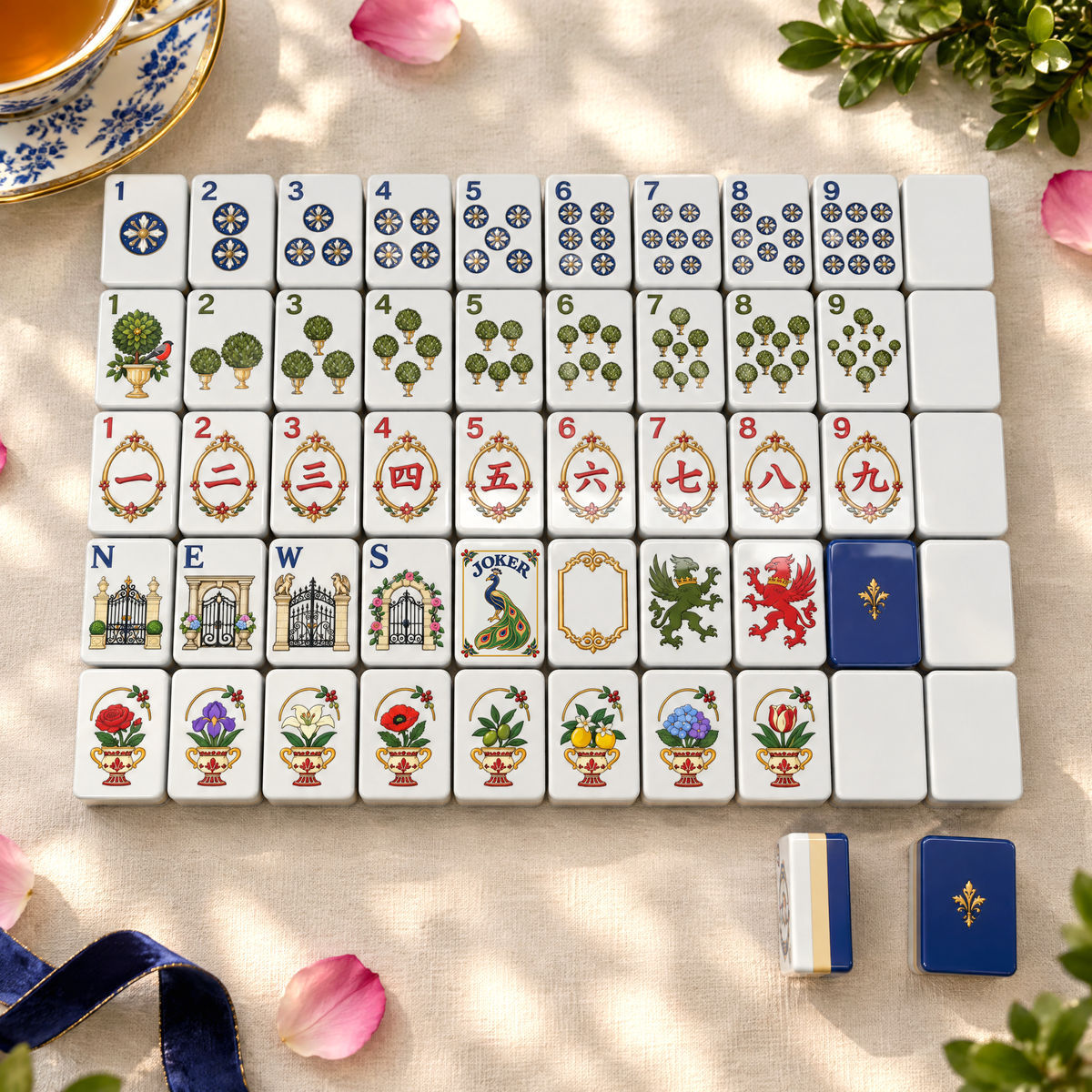
Recycled mahjong tiles are manufactured from reclaimed plastic, resin, or composite materials to reduce landfill impact—a genuine environmental goal. In American mahjong, a standard set contains 152 playing tiles plus 8 jokers; recycled versions aim to replicate that full 160-tile experience. The pros: lower carbon footprint, lighter weight for travel, and often lower upfront cost. The cons matter more in weekly play: recycled tiles chip faster under shuffling, lose surface grip after 50+ games, feel hollow compared to cast acrylic or bone-resin, and the engravings—if any—fade quicker under stacking wear. Durability typically runs 6–18 months of regular play before the tile face degrades or cracks initiate at the edges. Most players at our weekly tables find recycled tiles work for gift sets or casual once-a-month games, but switch to premium engraved American mahjong sets for serious play.
🀄 Shop best-selling mahjong sets →
Do recycled tiles really reduce environmental impact?
Yes, but the savings depend on manufacturing method and transport distance. Recycled plastic tiles eliminate virgin polyester or acrylic resin production, cutting energy use by 30–50% per tile compared to virgin casting. The catch: recycled resin often requires extra processing to remove contaminants, and if the tiles ship overseas before reaching your table, carbon transport offsets the material gain. Local or domestic recycled production (made and sold within the US, for example) gives real net benefit. Single-use plastic avoided and reduced landfill diversion are genuine wins, though recycled doesn't mean biodegradable—these tiles persist for decades if discarded. For players who prioritize the environment, our best-selling mahjong sets include sustainably cast acrylic options; some players donate worn sets to libraries or community centers instead of replacing them, which extends lifecycle far beyond recycled tiles' typical wear window.

Why do recycled tiles feel different during shuffling and play?
Recycled composite materials compress differently than virgin acrylic or bone-resin. A recycled tile weighs 10–20% less, feels slightly hollow, and the sound when tiles collide is muted and plasticky rather than crisp. During the shuffle—the fast, chaotic mixing before dealing—recycled tiles slide less predictably because surface texture degrades in 30–50 games. This matters: shuffling should feel smooth and controlled; poor tile friction costs seconds per hand and interrupts table rhythm. Players with arthritis or hand fatigue often prefer heavier, grippier tiles anyway. Cast acrylic tiles hold their surface sheen for 2–3 years; recycled composite tiles lose their gloss by month four. If you value the tactile experience of mahjong—and most long-term players do—recycled tiles disappoint quickly.
What happens to engravings on recycled tiles over time?
Engravings on recycled tiles fade, blur, or chip within 6–12 months if the tiles are personalized or customized. Recycled resin holds ink inconsistently because the material density varies within the same batch. Custom engravings sit in shallow grooves; repeated stacking and shuffling wear down those grooves until the engraved design becomes hard to read. By contrast, engraved mahjong sets made from premium acrylic hold sharp, legible engravings for years. If you're buying a recycled set as a gift and expect the recipient's name or date to remain visible, you're likely to be disappointed within one season. Many gift-buyers choose premium sets specifically because the personalization outlasts the tiles' useful life—a lasting keepsake rather than a consumable.
Should you choose recycled tiles for travel or casual play?
Recycled tiles can work for occasional games (4 times a year or fewer) because wear accumulates slowly at that frequency. If you travel regularly and want lightweight, compact carry, a recycled set takes up less luggage space and won't shatter if the bag gets dropped. However, a lighter tile also moves easier when the wind or a nearby table bumps yours—stability matters in group play. For serious travelers or weekly players, a compact travel bag paired with durable premium tiles beats a fragile recycled set. Consider your game frequency: once a month, recycled works; once a week, it will frustrate you within a season. Most of us at our regular tables buy one quality set and keep it for years, accepting the weight because the tiles simply feel right.

Recycled vs. premium tiles: a comparison
Factor | Recycled Composite | Premium Acrylic | Winner for You |
Initial cost | Lower | Higher | Recycled (budget), Premium (value) |
Durability (years) | 0.5–1.5 | 3–5+ | Premium |
Surface grip after 100 games | Slippery | Excellent | Premium |
Engravings hold | Fade in 6–12 months | Sharp for years | Premium for gifts |
Weight | 10–20% lighter | Standard | Recycled (travel) |
Sound during play | Dull, plastic | Crisp, clear | Premium |
Environmental footprint | Lower production | Higher production | Recycled |
Waste impact | Still landfill-bound after use | Still landfill-bound after use | Tie (donate instead) |
Best use case | One-off gifts, rare play | Weekly games, lasting sets | Depends on play frequency |
The table shows a hard truth: recycled tiles trade durability and playability for a smaller upfront cost and lower production impact. For weekly players, the math favors premium tiles because they last 3–5 times longer, making the per-game cost actually lower.
🎁 See our most-loved mahjong sets & accessories →
How to choose between recycled and premium tiles: a checklist
Ask yourself these questions before buying:
How often will you play? Weekly = premium. Monthly or less = recycled might suffice.
Is this a gift or personal use? Gift = consider premium for lasting value. Personal = depends on play frequency.
Do you want engravings? Yes = premium only; recycled engravings won't last. No = recycled is fine.
Do you travel with your set? Frequently = recycled's lighter weight helps, but durability still matters. Rarely = durability > weight.
Can you afford to replace it? Yes in 6–12 months = recycled. No = premium saves money over three years.
Does the tile feel matter to you? Yes (most serious players) = premium. No (casual social play) = recycled acceptable.
Most of us at Mahstead recommend starting with best-selling mahjong sets—proven durable, reasonable price—rather than betting on recycled durability. If sustainability is your primary driver, buy a premium set and use it for 5+ years; that's genuinely greener than replacing recycled tiles every season.
What to check before you buy recycled tiles
Durability guarantees: Recycled tile sellers rarely offer 1+ year guarantees; premium sellers often do. Ask for specifics.
Material spec sheet: Know whether the tiles are recycled plastic, resin, or composite. Each degrades differently.
Surface finish: Request a sample or watch a video. If the tile surface looks waxy or dull, chips and fading start sooner.
Weight and dimensions: Recycled tiles may be thinner or lighter, affecting shuffling feel. Confirm standard American mahjong dimensions (roughly 1" × 0.75" × 0.4").
Engravings: If personalized, ask the seller how durable they are under shuffling. Most recycled sellers won't guarantee engravings.
Joker count: American mahjong sets contain exactly 8 jokers among 160 tiles. Some recycled sets skimp on jokers or include low-quality joker substitutes. Verify the full tile count.
Return policy: Recycled tiles often have no-return policies once opened. Premium sets usually allow return within 14–30 days if tiles are defective.
✨ Find your Mahstead set — free US shipping →
The sustainability angle: is recycled always greener?
Not automatically. A recycled tile made overseas and shipped 8,000 miles may have a higher total carbon footprint than a premium tile made and sold domestically. A recycled set used for six months then discarded sends the same tiles to landfill as a worn-out premium set—the difference is that the premium set had already been played for three years. Genuine sustainability favors durability: buy once, play for years, donate or recycle at end of life. If you're motivated by environmental impact, calculate the full lifecycle. Most of us find that a single premium set played weekly for four years beats buying four recycled sets one per year. Alternatively, connect your worn premium tiles with libraries or senior centers; extending their use to a second or third owner multiplies their environmental value.

FAQ
Can you use recycled mahjong tiles in official American mahjong games?
Yes, if the set has exactly 152 playing tiles plus 8 jokers in proper quantities (36 Bams, 36 Craks, 36 Dots, 16 Winds, 12 Dragons, 8 Flowers). The material doesn't matter for rule enforcement. However, recycled tiles' lighter weight and reduced grip can affect shuffling consistency, which some formal groups notice and object to informally.
How long do recycled tiles last if I play once a month?
Recycled tiles typically remain playable for 2–4 years at once-monthly frequency because wear accumulates slowly. Engravings fade faster (within one year), and surface grip degrades noticeably by month 12–18. Weekly players see degradation within 6–12 months. Travel or storage damage accelerates failure in either case.
Are recycled tiles lighter because they're hollow or thinner?
Both factors contribute. Recycled composite materials are less dense than virgin acrylic, making individual tiles 10–20% lighter. Some recycled tiles are also slightly thinner (0.3"–0.35" vs. standard 0.4"), which reduces total set weight by 8–12%. The lighter weight affects shuffling feel and tile stacking stability; some players notice and dislike the difference immediately.
Do recycled tiles cost significantly less than premium tiles?
Recycled tiles typically cost 15–35% less upfront (based on market-standard sets around 160 tiles). However, because recycled tiles last one-third to one-half as long, the per-year cost is often similar or higher. For budget-conscious weekly players, premium tiles offer better long-term value.
Can you refresh or re-coat recycled tiles if they get slippery?
No. Recycled tile surfaces degrade at the material level; re-coating or polishing won't restore original grip or appearance and may damage engravings further. Professional refinishing is not cost-effective for a single set. Once recycled tiles degrade, replacement is the only option.
What's the environmental impact of donating used premium tiles instead of recycling them?
Donating extends the tiles' lifecycle by 2–5 years with a second or third owner, which dramatically improves the product's environmental return on investment. The embodied energy and material waste are amortized over more years of use. Libraries, senior centers, community colleges, and synagogues often welcome donations; recycling facilities break down mixed plastic and resin, which is lower-value than reuse. Donation beats recycling every time.


View More
View More
View More
