
Mahjong Mat Size Guide: Choose the Right Fit for Your Game
Last updated: Nov 23, 2026
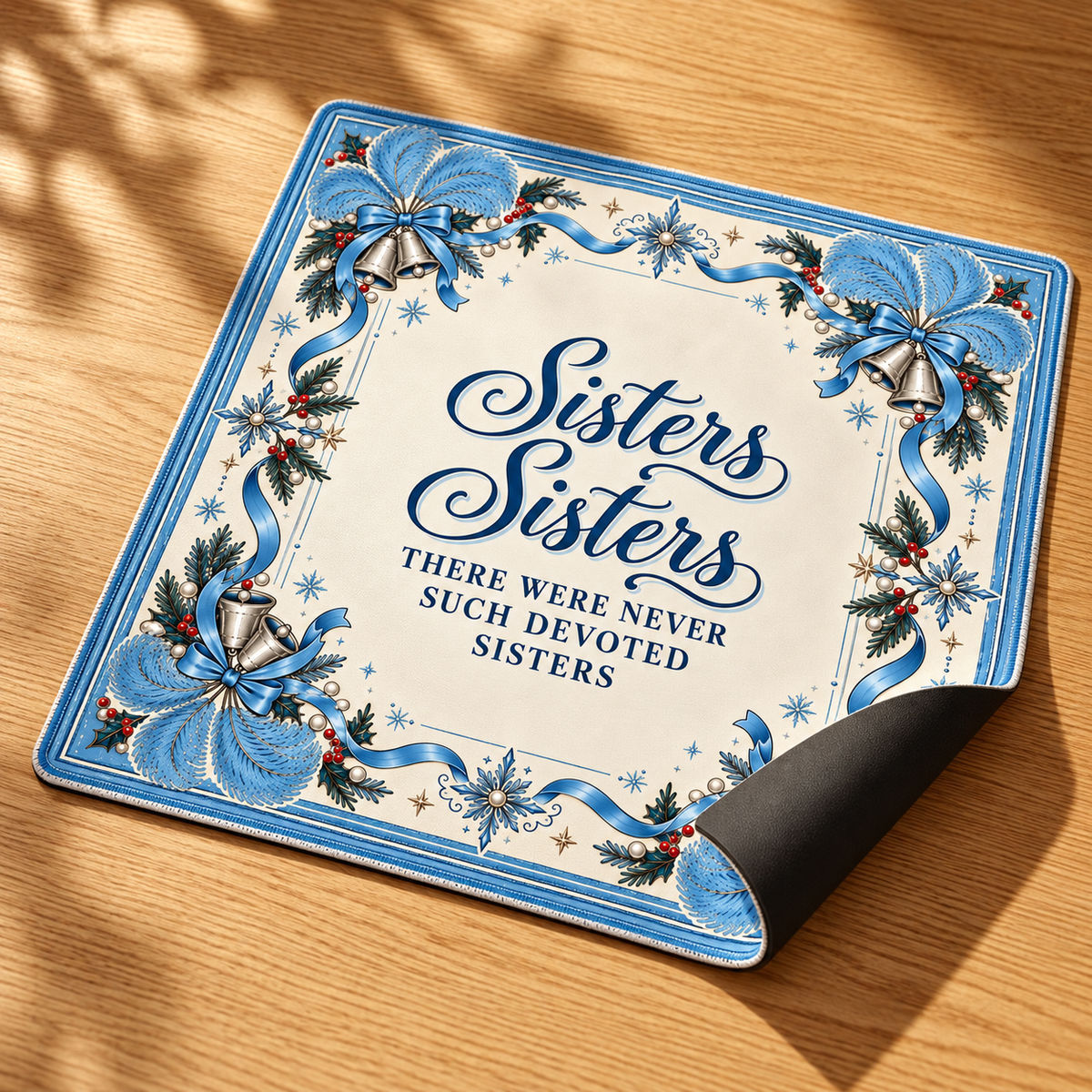
Mahjong mats range from compact 27×27 inches for casual play to tournament-sized 36×36 inches or larger for serious four-player games. Most American mahjong players use mats between 28 and 36 inches square, sized to fit standard dining tables (36–48 inches wide) with room for tile racks on all four sides. Mats are typically made from felt or vinyl with a protective baize top and rubberized backing to prevent sliding. A quality mat from our mahjong mats collection costs less than replacing a scratched table and lasts for years of weekly games. The most common mistake is buying too small—you need 8–10 inches beyond the tile layout on each side for racks and your hands. Measure your table first, check how many players you host, and consider whether you'll fold and store the mat or leave it out.
Most of us play four-handed American mahjong on a standard dining table, so mat sizing feels straightforward until you actually try to fit everything on the playing surface. The right size prevents tiles from spilling onto the table, protects your furniture, and gives every player comfortable space for their rack and hand. Let's walk through how to measure, compare options, and avoid the undersized mat that forces you to stack tiles or crowd your racks.
What size mat do I actually need?
A mahjong mat must be large enough to hold the central discard area, the four walls (where players draw tiles), and space for each player's rack and hand. For a four-player game, the center takes up roughly 18×18 inches; each side needs 4–6 inches for a vertical rack, pushers, and the player's hand. A 28–30 inch mat works for compact setups or tables less than 36 inches wide. A 34–36 inch mat is the standard for four players on a typical 48-inch dining table, leaving 6–7 inches of overhang on each side. Most hosts we know choose 34–36 inches because it's neither cramped nor oversized, and it fits the Charleston tile-passing phase without players colliding.
How do I measure my table before ordering?
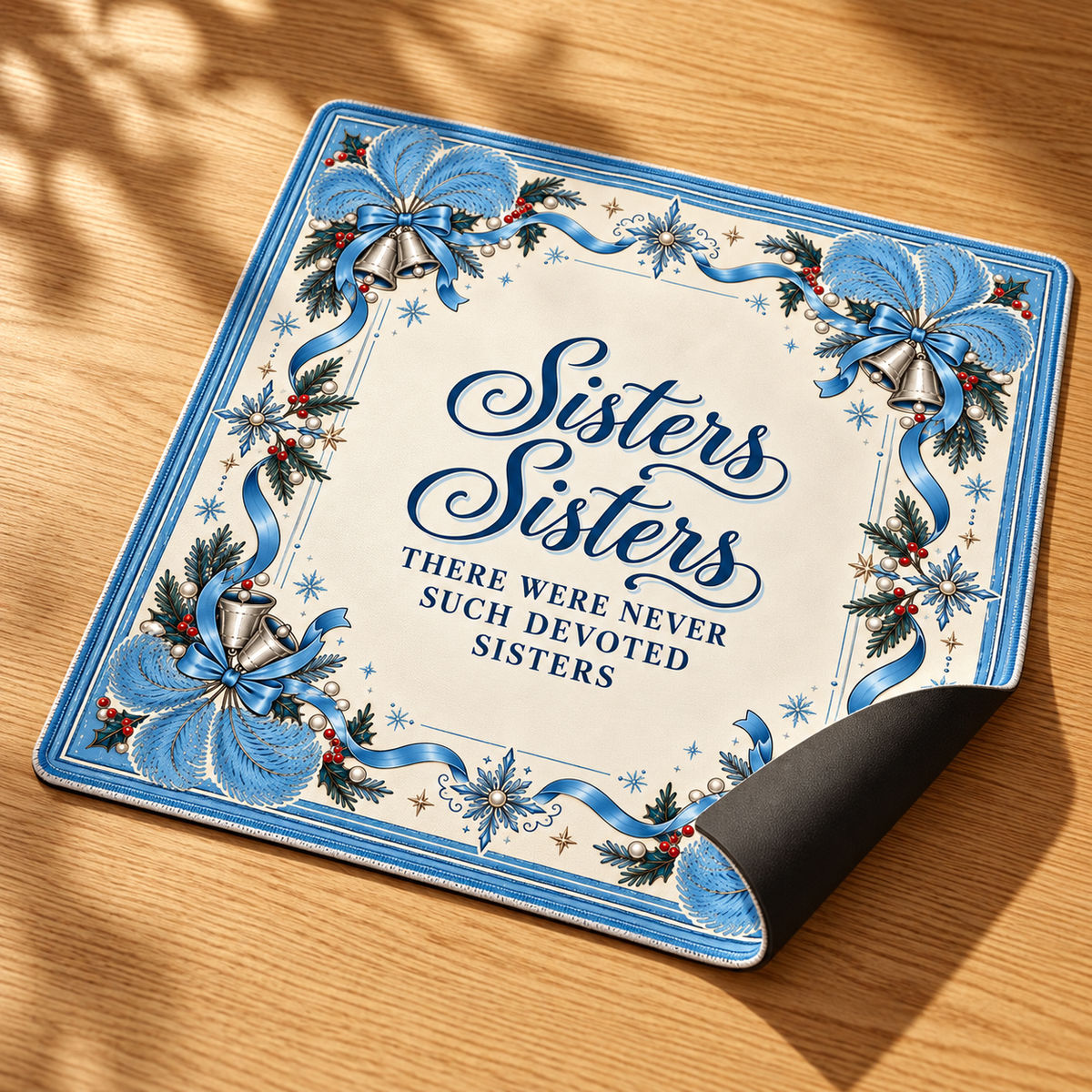
Measure your table's width and length, then subtract 12 inches (6 inches on each long side for racks and player space). If your table is 48 inches wide, a 36-inch mat fits comfortably with 6 inches to spare on each side. For a 42-inch table, a 28–30 inch mat is safer. If you play on a folding card table (typically 34 inches), a 27-inch mat is ideal. Don't forget to check the table's depth: if it's less than 36 inches front-to-back, a square mat may overhang the edge. Measure twice, account for racks and hands, then choose one size up if you're uncertain—a slightly large mat is far more forgiving than a cramped one.
Which mat materials last longest during weekly play?
Felt mats are soft, quiet, and traditional; they absorb moisture and feel smooth under tiles but pill over time and stain if liquids spill. Vinyl mats are durable, waterproof, and easy to wipe clean—ideal if you play in a kitchen or host multiple games per week. Wool-blend baize (the felt-like top on premium mats) resists wear better than pure felt and gives tiles stable, predictable movement. Rubber backing keeps the mat from sliding on wood or laminate tables. We recommend vinyl or wool baize with rubber backing for weekly players; felt is lovely for occasional social games. Check the pile thickness: a mat thinner than 3mm feels insubstantial, while anything over 6mm may be too thick for tile movement and racks to sit flush.
How do mat size and table shape affect player comfort?
Round tables demand circular mats (usually 30–36 inches diameter), which waste corner space and crowd racks at opposing ends—most of us avoid round setups for four-player mahjong. Rectangular tables (48×36 inches or larger) pair best with square mats: a 36-inch square mat on a 48×36 table leaves balanced space on all sides. Narrow tables (42×36 inches) need mats no larger than 30 inches to avoid overhang at the short ends. If you have two tables pushed together or an irregular layout, consider an oversized mat (40+ inches) that lets players sit back from the edge. Measure your actual playing configuration, not just the table's listed dimensions—a leaf inserted or an extension added changes everything.
Mat Size | Best Table | Player Setup | Use Case |
27 in. | 34–36 in. card table | 4 seated close | Casual, travel |
30 in. | 36–40 in. | 4, compact | Apartment, small space |
34 in. | 44–48 in. | 4, standard | Most weekly games |
36 in. | 48+ in. | 4, spacious | Tournament, regular host |
40+ in. | 54+ in. or custom | 4, very spacious | Large tables or oversized tile sets |
What should I check before ordering a mat?
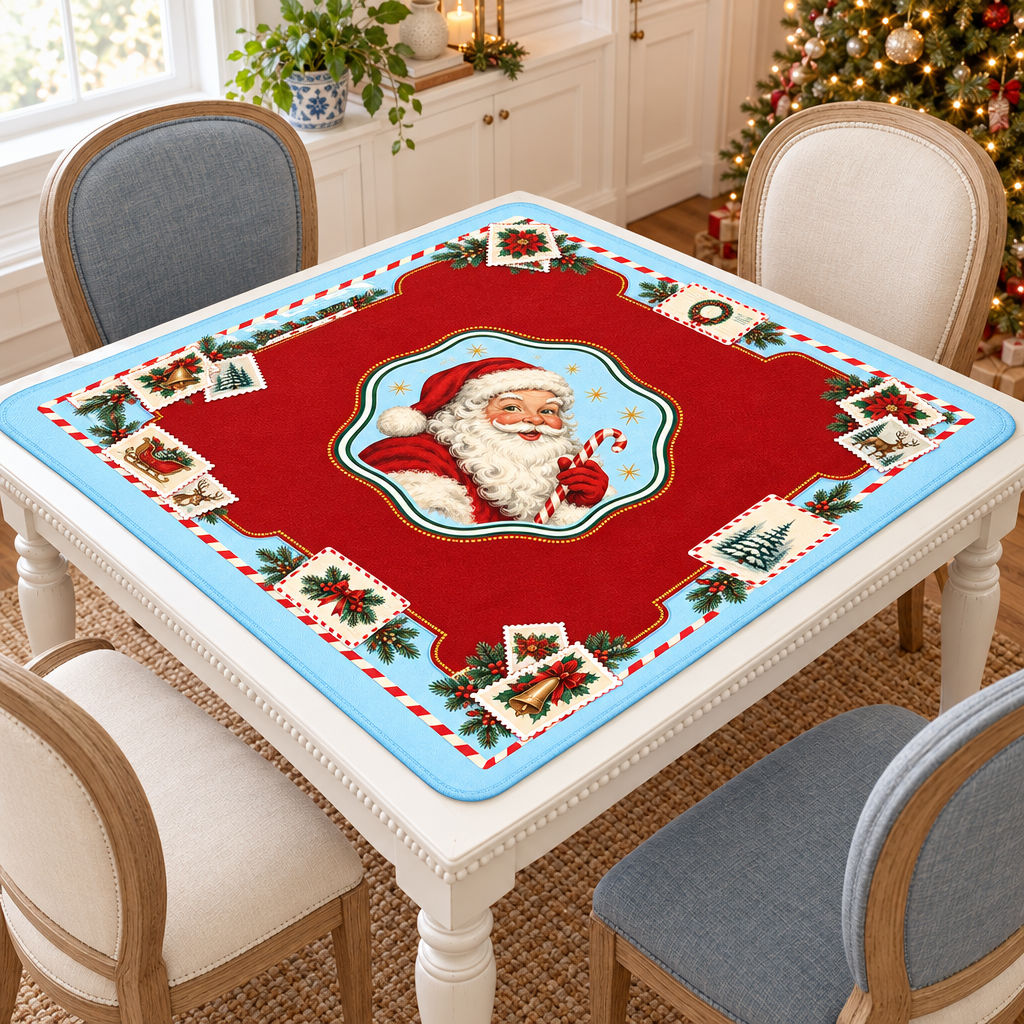
Confirm your exact table dimensions and the space available for racks—measure the distance from the table edge to where a player sits. Verify whether you need a foldable or rollable mat for storage; compact mats (27–30 inches) fold into a bag, while larger mats (36+ inches) may require a tube or dedicated shelf. Check if the mat has a designated top side (printed design, logo) or is reversible. Ask whether the backing is truly slip-resistant rubber or just a light coating—slipping mats ruin games. Read reviews for stain resistance if you serve drinks during play. If you're buying a mat as part of a set with new tiles and racks, ensure the mat's size pairs with your table before checkout. Our best-selling mahjong sets include mat options that match standard table sizes—check the product description for mat dimensions.
✨ Find your Mahstead set — free US shipping →
How do storage and portability affect mat choice?
If you host at home and leave the mat on your table, size is your only concern. If you host rotating locations, travel to club games, or store the mat between sessions, a smaller mat (27–30 inches) folds into a standard bag or case. Mats 34+ inches are harder to pack neatly but some fold in thirds or roll into a tube—check the product description. Foldable mats retain creases if stored compressed for months; rolling mats avoid creases but need more space. A mahjong bag or case designed for your set size can hold a smaller mat, while larger mats are best left on a dedicated table or stored flat on a shelf.
Many of us rotate hosting duties among four players, so portability matters. A 30-inch mat fits most car trunks, stays wrinkle-free if rolled, and works on tables from 36–44 inches wide. A 36-inch mat requires a larger vehicle and careful folding but gives all players more breathing room. If you're the primary host, buy the largest mat your table supports; if you travel, compromise at 30–34 inches and pack it in a tube or flat bag.
🀄 Shop best-selling mahjong sets →
When is a mat cover or tablecloth a better choice than a dedicated mat?
A mat is rigid, portable, and designed for mahjong—it protects your table and organizes play. A tablecloth or generic table cover protects your table but offers no tile control, no baize surface for smooth play, and no racks to anchor player hands. If you're protecting a dining table you use for other purposes and play mahjong only occasionally, a dedicated mat is still the better choice because it's rolled away when not in use. If you're playing on a mahjong-specific table or a folding card table reserved for games, a mat is essential. The mahjong mats collection includes mats in various sizes; for a detailed comparison of mats, covers, and alternatives, see our guide on mat vs. table cover.
🎁 See our most-loved mahjong sets & accessories →
What size mat pairs with engraved or specialty mahjong sets?
Engraved sets (such as personalized tiles or tiles with custom titles) are often bought for display and serious play, so they deserve a mat that matches their quality. Standard tile dimensions are identical across most sets, so mat size depends on your table, not your tile set. However, oversized acrylic sets or luxury sets sometimes ship with larger tiles; if you buy such a set, verify tile dimensions (most are standard) before choosing a mat. A 36-inch mat works for any standard four-player American mahjong game, regardless of tile material or personalization. Pair a premium set with a quality mat (wool baize, rubber backing) for consistent play experience and long-term durability.
What to check before you buy
Measure your table's width. Subtract 12 inches; that's your maximum mat size.
Count your players and racks. Four players need 4–6 inches per side; use that to calculate your ideal size.
Check the mat's top material. Wool baize or vinyl holds up longer than pure felt under weekly play.
Confirm rubber backing. Non-slip backing prevents the mat from shifting during the Charleston or when reaching for tiles.
Plan for storage. If you travel, opt for a foldable or rollable mat; if you host at home, buy the largest size your table supports.
Review the product page for dimensions and care. A 36-inch mat on a 36-inch table is too snug; a 34-inch mat on a 48-inch table is ideal.
FAQ
Can I use the same mat for 2, 3, and 4-player games?
Yes. A 30–36 inch mat works for any player count; just arrange the walls differently. For 2 or 3 players, fewer walls take up less space, so the mat feels oversized but still functions. Most players stick with one mat size for all variants.
How do I clean a mahjong mat without damaging it?
Wipe vinyl mats with a damp cloth and mild soap; air-dry flat. For felt or baize, use a lint brush or soft cloth; avoid soaking. Blot spills immediately and do not machine-wash. Check your mat's care instructions before ordering.
Is a larger mat always better?
Not always. An oversized mat on a small table crowds players and creates awkward angles for reaching tiles. Match the mat to your table size, not your ambitions; undersized is worse, but oversized wastes space and money.
What's the difference between a mat and a wall pad or rack?
A mat covers the entire playing surface and anchors all four players' racks and hands. A wall pad or rack is a single component for one player's tiles. You need a mat plus four individual racks (or racks with pushers) to set up a game.
Can I fold a 36-inch mat and store it in a standard bag?
Most 36-inch mats fold into thirds or halves; check the product page. A thick baize mat may resist folding or retain creases. Rollable mats (stored in a tube) avoid creases but need more storage depth. For frequent travel, choose a mat 30 inches or smaller.
Do I need a mat if I play on a dedicated mahjong table?
Dedicated tables (with built-in baize) don't need an additional mat. If your table is shared or unfinished wood, a mat protects it and provides consistent tile movement. Most of us use mats even on nice tables to extend their life.


View More
View More
View More
