
Where to Learn Three-Player Mahjong: Rules & Setup
Last updated: Nov 23, 2026
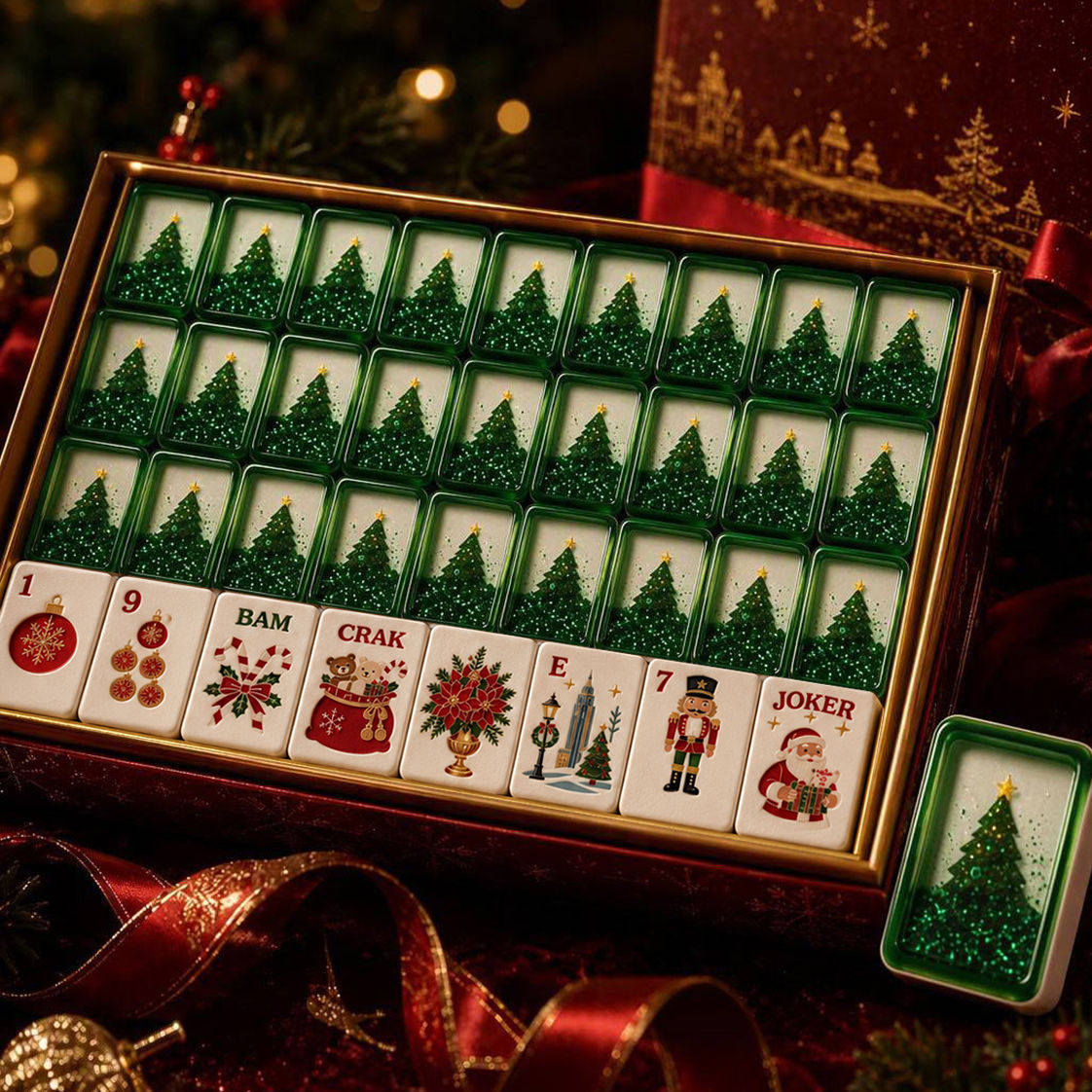
Three-player mahjong removes the fourth seat and redistributes 114 tiles among three players (38 each, plus 8 jokers for American; Chinese variants use 108 tiles total). The most accessible route is online forums and YouTube tutorials covering American three-player rules—search "three-player mahjong American" or visit community boards like Mahjongg.com's forums. Local community centers, libraries, synagogues, and country clubs sometimes host open groups; call ahead and ask if anyone teaches the three-player variant. Learning takes 2–4 sessions if you already know four-player American; expect 6–10 if you're new to mahjong entirely. Variants differ significantly: Chinese three-player omits Flowers, uses only 108 tiles, and follows different winning patterns; Hong Kong and Taiwanese versions have their own seat rotations and scoring. Check which variant your teacher uses before committing. Best-selling mahjong sets work for three-player once you understand which tiles stay in the wall.
Three-player mahjong removes one player and adjusts tile distribution and winds. The most accessible route is online forums and YouTube tutorials covering American three-player rules—search "three-player mahjong American" or visit community boards like Mahjongg.com's forums. Local community centers, libraries, synagogues, and country clubs sometimes host open groups; call ahead and ask if anyone teaches the three-player variant. Learning takes 2–4 sessions if you already know four-player American; expect 6–10 if you're new to mahjong entirely. Variants differ significantly: Chinese three-player omits Flowers, uses only 108 tiles, and follows different winning patterns; Hong Kong and Taiwanese versions have their own seat rotations and scoring. Check which variant your teacher uses before committing.
Which seats stay and which tiles are removed?
In American three-player mahjong, one wind seat is eliminated entirely (usually West or a designated "dead" seat). The three active players sit East, South, and North. East remains the dealer who opens the wall first. Instead of 152 tiles, you remove all tiles of one suit or specific winds to reach 114 tiles total, leaving 38 tiles per player and the kong box intact. The exact removal method varies by house rule—some players remove all Green Dragons, others remove one entire Crak suit (9 tiles), others remove specific winds. Before playing, clarify with your group which tiles stay off the table; this shapes which hands are possible on that year's National Mah Jongg League card adaptation.

How does the Charleston work with three players?
The Charleston—the tile-passing ritual before play—adapts by passing left, right, and across the same way as four-player, but one player passes to an empty space (or exchanges with a "dead" position that never plays). Each player still passes three tiles in each of three directions. Some groups skip the Charleston entirely for three-player, dealing and drawing directly instead. Ask your teacher or group which method they use; this affects strategy and luck balance. The fewer pre-game exchanges, the more luck dominates; the full Charleston with a dead seat creates the same luck balance as four-player.
What hands count in three-player American mahjong?
American three-player uses a modified version of the current year's National Mah Jongg League card, adapted for 114 tiles. Not every hand from the official four-player card is playable in three-player—for example, hands requiring all four Flowers or certain Dragon combinations become impossible if those tiles are removed. Most online three-player communities publish their own adapted card or reference specific sections of the League card that work with their tile count. Before learning, ask your teacher for a copy of the card they use; this prevents confusion when you sit down. Some groups play "loosely," allowing any winning pattern that makes sense, which speeds up casual games but loses the structure of League-style play.
How do you score and rotate seats in three-player?
Scoring typically follows four-player American mahjong principles but may be scaled down since fewer players contribute to the "pool." Most three-player games use the same point values (e.g., 3-point hand, 5-point hand) but adjust payouts: in four-player, losers pay equally; in three-player, you may pay only to the winner or split the loss among the two losers. Seat rotation (East → South → North → East) keeps the game fair; after each hand, the next East takes the dealer position. Clarify payout rules at the start—this is a major source of confusion and argument in casual games.
Where to find three-player teachers and groups near you
Online options:
Mahjongg.com forums: beginner-friendly threads with rules and recorded games
YouTube channels dedicated to three-player variants: search "three-player mahjong tutorial"
Zoom or Discord groups: post in r/mahjong on Reddit or search "mahjong online community"
In-person:
Community centers and senior centers: call and ask for open mahjong nights; explain you're learning three-player and request an introductory session
Libraries: many host game clubs; check bulletin boards or ask a librarian
Synagogues and country clubs: long-standing mahjong traditions; call their events coordinator
Game stores: some stock mahjong sets and may know local teachers or casual groups
Most three-player communities are informal and welcoming to learners. Bring a best-selling mahjong set to your first lesson—teachers and groups almost always provide sets, but having your own removes friction.
Learning Path | Time to Competence | Best For | What to Prepare |
Online video + solo practice | 4–8 hours | Independent learners, flexible schedule | Computer/tablet, notebook, tile reference |
One-on-one with a teacher | 2–4 sessions (2–3 hours each) | Beginners, hands-on learners | Payment (if applicable), questions, American mahjong set |
Casual group (library, community center) | 4–6 visits | Social learners, people who want game context | Set (or use theirs), openness to house rules, patience |
Online Zoom group | 3–5 sessions | Remote learners, consistent schedules | Computer, webcam, set, stable internet |
🀄 Shop best-selling mahjong sets →

Three-player vs. four-player: rule differences at a glance
In American four-player, all 152 tiles play, four winds, and every seat sees action. Three-player American removes 38 tiles (a full suit, specific Dragons, or Winds per house rule), leaving 114 tiles. In Chinese three-player, Flowers are removed entirely; the game uses only 108 tiles split three ways. Hong Kong three-player (popular in Asia) treats one player as a "banker" who plays longer and wins differently. Taiwanese three-player has strict rules about which tiles are set aside before dealing. The rule differences mean a hand that wins in four-player might not exist in three-player, so always confirm which variant you're learning. Most casual Western groups default to American three-player, which is easier for players familiar with four-player American mahjong.
Common mistakes beginners make in three-player
Assuming four-player rules transfer exactly: They don't. Seat rotation, payout splits, and which tiles are live all differ. Always ask at the start.
Not clarifying which tiles are removed: Playing with wrong tiles invalidates hands and slows the game. Confirm before the first game begins.
Forgetting to adapt the League card: Using a four-player card hand list leads to confusion when tiles don't exist in three-player.
Treating jokers as wildcards in pairs: Even in three-player, jokers cannot form a pair or replace a single tile—this is a hard rule across all American variants.
Misunderstanding seat priority in three-player: Fewer players means fewer claiming opportunities; some groups modify calling rules so draws and walls interact differently. Ask your group's convention before claiming or discarding.
What you'll need to start three-player mahjong
A standard American mahjong set works for three-player once your group agrees which tiles to remove. You'll also want a durable mahjong mat if you play regularly—it protects tiles and speeds up wall-building on a smaller footprint. For better tile handling, racks with pushers make organizing your hand faster and quieter, especially if you're nervous as a new player. If you travel to lessons or group games, a padded carrying bag keeps your set safe.
🎁 See our most-loved mahjong sets & accessories →
What to check before you buy a set for three-player learning
Tile count: American mahjong sets are always 160 tiles (152 playable + spares), which works for three-player after you remove your group's designated tiles. Verify your set has all four copies of each tile—no gaps.
Tile clarity: Choose a set with clear markings on suit symbols and numbers. Blurry printing causes errors in hand-reading, especially under fluorescent lighting.
Rack and mat fit: If you buy racks, make sure they nest comfortably on a mat; uneven surfaces make three-player games harder since the wall is tighter.
Portability: If you'll travel to lessons, check that your set fits in a carrying case or bag without loose tiles shifting.
House rules on jokers: Confirm your group uses standard joker rules (no pairs, no single-tile use) before play. Variant groups sometimes house-rule jokers differently, and a set bought for standard rules won't help if your group plays loose.
✨ Find your Mahstead set — free US shipping →

FAQ
Can you play American mahjong with only three players?
Yes. Remove 38 tiles from a standard set, leaving 114 tiles. Three players each draw 38 tiles and 8 jokers remain for play. Your group decides which tiles to remove; common choices are one full suit (9 tiles), specific Dragons, or certain Winds.
How long does it take to learn three-player mahjong?
2–4 sessions if you know four-player American already. 6–10 sessions if you're new to mahjong. Most learners are game-ready in 1–2 weeks of casual play.
Where do I find people who teach three-player mahjong?
Search online forums (Mahjongg.com, r/mahjong), YouTube tutorials, and contact local community centers, libraries, synagogues, and country clubs to ask if anyone runs open three-player games. Many groups teach on the first night.
Is three-player mahjong different from Chinese three-player?
Yes. American three-player keeps four suits and Dragons but reduces tile count. Chinese three-player removes Flowers entirely, uses only 108 tiles, and follows different winning combinations. Always confirm which variant your teacher uses.
Do the same hands work in three-player as in four-player?
No. The adapted National Mah Jongg League card for three-player removes hands that require all four Flowers or specific tile combinations now missing. Use your group's adapted card, not the standard four-player card.
What if I don't have eight jokers in my set?
A standard American mahjong set contains 152 playable tiles plus spares; it always includes exactly 8 jokers for play. If your set is missing jokers, contact the seller for replacement tiles—jokers are essential to American three-player.


View More
View More
View More
