
Mahjong Lessons in Oklahoma City: Where to Start
Last updated: Nov 23, 2026
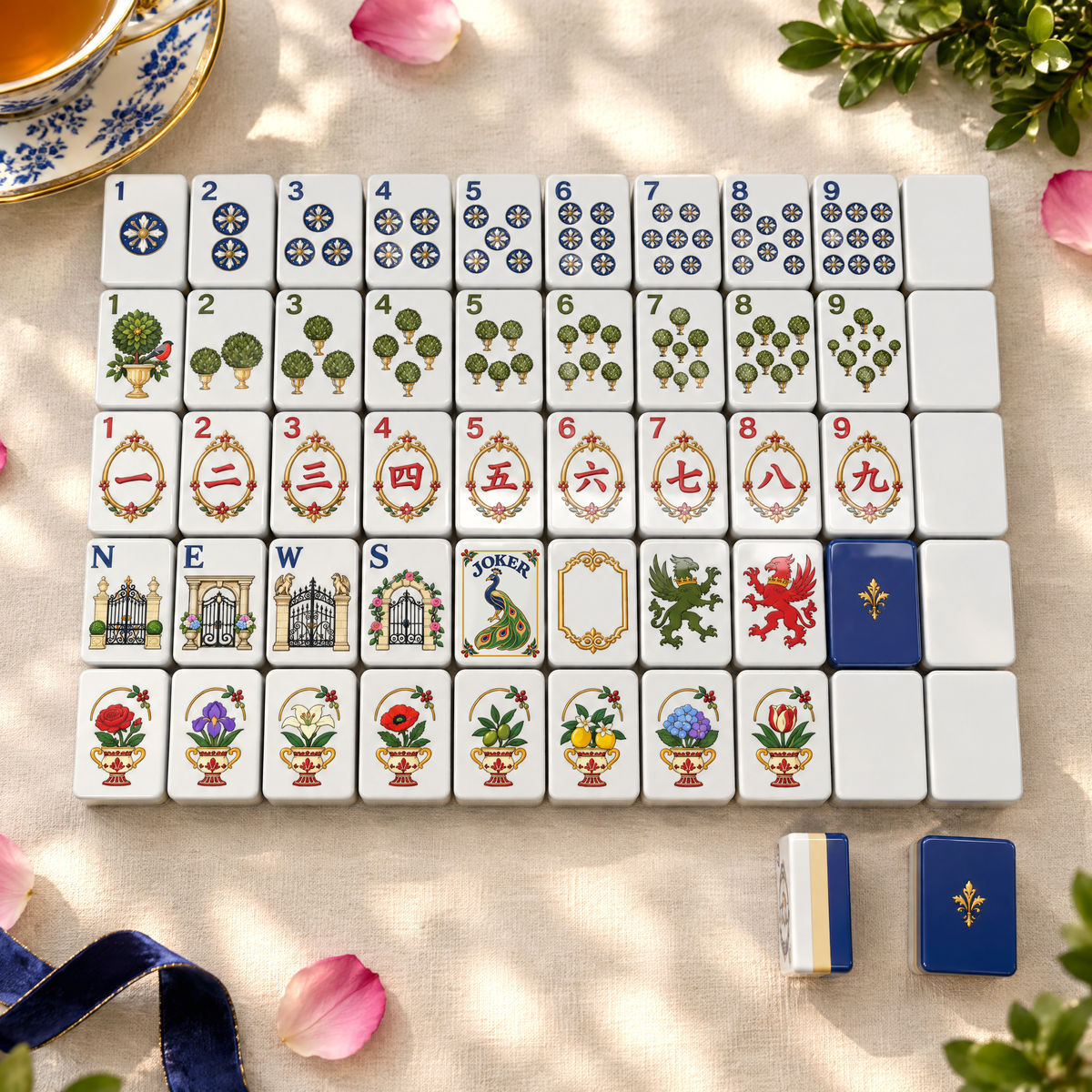
Mahjong lessons in Oklahoma City are available through community centers, libraries, synagogues, and casual neighborhood game groups advertised on meetup boards and social media. The city hosts regular four-player American mahjong games (the most common variant in the US), typically played with a 152-tile set and the National Mah Jongg League card released each spring. Most beginner lessons run 4–8 weeks and teach tile recognition, how to play American mahjong, the Charleston (tile-passing ritual), and how to read the annual card. Cost varies widely depending on the venue. Before signing up, confirm the instructor teaches American mahjong (not Chinese or Hong Kong variants), that the class uses the current year's official card, and that you'll play real games after learning basics. Many beginners benefit from owning their own best-selling mahjong sets to practice tile recognition at home.
Where Do OKC Players Find Lessons?
Your best starting point is your neighborhood community center or public library—they often host mahjong clubs or can direct you to active players. Local synagogues and country clubs in the OKC metro frequently run beginner sessions during the fall and winter months. Check Meetup, Facebook community groups, and Nextdoor for weekly game schedules; many established groups welcome absolute beginners and will teach you before you join. Ask the host upfront what variant they play (American is most common in Oklahoma and the US, but confirm) and whether they follow the current National Mah Jongg League card.

What Does a Typical First Lesson Cover?
A solid first session teaches the 152 tiles used in American mahjong, how they're organized into suits (Bams, Craks, Dots) and honor tiles (winds and dragons), and why what's in an American mahjong set matters. Your instructor will walk you through the Charleston—the three rounds of tile-passing that happen before any hand is played—and show you how to read the current year's card to identify legal hands. You'll learn that in American mahjong, you can only expose (show face-up) pungs (three identical tiles), kongs (four), and jokers; there are no sequences or chows. Most classes spend the first hour on these basics, then do a practice hand with the dealer role rotating so everyone understands the rhythm. By the end, you should know what a complete hand looks like and why timing matters.
🀄 Shop best-selling mahjong sets →
How Long Until You Can Play a Real Game?
If you take a single 2-3 hour lesson, you'll understand the rules well enough to join a beginner-friendly game where experienced players are patient with questions. Most people need 4–6 weeks of weekly play (or 8–10 games) before tile recognition becomes automatic and you stop asking "wait, which suit is that?" every turn. The Charleston is usually the trickiest part—learners sometimes pass tiles too fast or forget the passing direction—but it clicks after two or three rounds. Scoring and strategy take months to master, but you don't need to be good to have fun. Oklahoma City's casual groups generally expect beginners to ask questions mid-hand; rushing to competence happens only if you're playing multiple times a week.
What Equipment Should You Bring or Own?
Most established game groups provide a set, mat, and racks; you'll just bring snacks or money for the pot. But as soon as you commit to playing weekly, owning your own tiles helps. You'll learn tile weights and textures faster, recognize suit markers at a glance, and feel more confident at the table. Look for a best-selling acrylic set with clear tile markings (especially important if you have any vision challenges) and a sturdy mahjong mat to protect your playing surface and the tiles. Add racks with pushers if you play weekly—they reduce wrist strain and keep your hand neat. A travel bag or case isn't essential early on, but many OKC players eventually toss a set in a bag to take to friends' homes or clubs across town.
Gear | Who Needs It | Why It Helps |
160-tile set | Regular players | Learn tile weight, feel, suit marks; play anywhere |
Mahjong mat | Weekly groups | Protect tiles and table; mark discard area clearly |
Racks with pushers | Comfort-focused | Reduce hand fatigue; keep tiles organized visually |
Travel bag | Mobile players | Safe storage and easy transport to games |

How to Decide: Self-Study vs. In-Person Lessons
Self-study works if you're patient and disciplined. You can read mahjong for beginners guides, watch video walkthroughs, and practice the Charleston with a friend—all free or low-cost. But you'll miss the muscle memory of real tile-handling and the social permission to ask dumb questions that a live instructor gives. In-person lessons cost money but save weeks of confusion and often connect you to a ready-made game group. Oklahoma City's community centers and libraries charge little or nothing for club access; private instructors (found via word-of-mouth at game sites) typically quote a per-hour or per-session rate. For most adults, a hybrid approach—one 3-hour group lesson plus 2–3 games with patient players—beats either extreme alone.
🎁 See our most-loved mahjong sets & accessories →
What to Check Before You Sign Up for Lessons
Confirm the variant. Ask "Do you teach American mahjong?" (the four-player, 152-tile version with the National Mah Jongg League card). Many OKC groups play American; a few play Chinese or Hong Kong variants, which have very different rules.
Check the card year. The instructor should teach using the current year's card (issued each spring). Using an old card is like learning chess from outdated rules—all your practice mismatches the real game.
Ask whether to bring gear. If the group provides sets and mats, you don't need to buy anything to start. If you're expected to own a set, confirm the tile count (152 tiles for actual play) before purchasing.
Verify the pace. Beginner-friendly groups tolerate questions mid-hand and re-deal if you discard wrong. Competitive groups do not. Pick the right environment for your comfort.
Find the cost. Community centers and libraries charge nothing to little; private instructors and clubs vary. Ask upfront so there are no surprises.
How Long Should a Full Beginner Lesson Be?
A compressed 90-minute lesson teaches rules but won't leave time for real practice. Aim for a 2.5- to 3-hour session: 45 minutes on tiles and card reading, 45 minutes on the Charleston and basic strategy, and 90 minutes of actual play (usually one or two full hands). This rhythm lets you absorb information, ask questions, then apply it immediately while the instructor watches and corrects. Shorter sessions work if you plan to return weekly; one-off 2-hour lessons rarely stick.
✨ Find your Mahstead set — free US shipping →

FAQ
Is American mahjong the only variant taught in Oklahoma City?
American mahjong is the most common in OKC and across the US, but some groups teach Chinese or Hong Kong mahjong. Always ask the instructor which variant they teach before enrolling; rules differ significantly.
Do I need to own a mahjong set before taking lessons?
No. Most lesson groups and casual clubs provide sets. But if you plan to play weekly, owning your own helps you learn tile recognition faster and play confidently in different settings.
How much does a typical mahjong lesson cost?
Community center and library lessons are usually free or under a small session fee. Private instructors vary by experience and location; ask for a quote directly. Game group entry is often free or a small buy-in to the pot.
What's the difference between the National Mah Jongg League card and other cards?
The National Mah Jongg League card is the official American mahjong standard, released each spring. It shows all legal hands for that year. Using an outdated card means you'll learn hands that don't match current play; always confirm your instructor uses the current year's card.
Can I learn mahjong just by watching videos online?
You can learn the basics, but in-person play is much faster. Watching teaches rules; playing with patient instructors teaches muscle memory, confidence, and the social rhythm of the game that video can't replicate.
What should I bring to my first mahjong lesson?
Nothing, in most cases—the group provides tiles, mat, and racks. If asked to bring anything, confirm before you arrive. A notebook for jotting down rules and hand patterns can help retention.
How quickly can I move from lessons to a regular weekly game?
Most people are ready after 3–4 group sessions. You won't be fast, but you'll understand the flow and ask good questions. Casual OKC groups welcome learners indefinitely; you become "regular" simply by showing up each week.


View More
View More
View More
