
Tea Party Mahjong Party Ideas: Games, Themes & Hosting Tips
Last updated: Nov 23, 2026
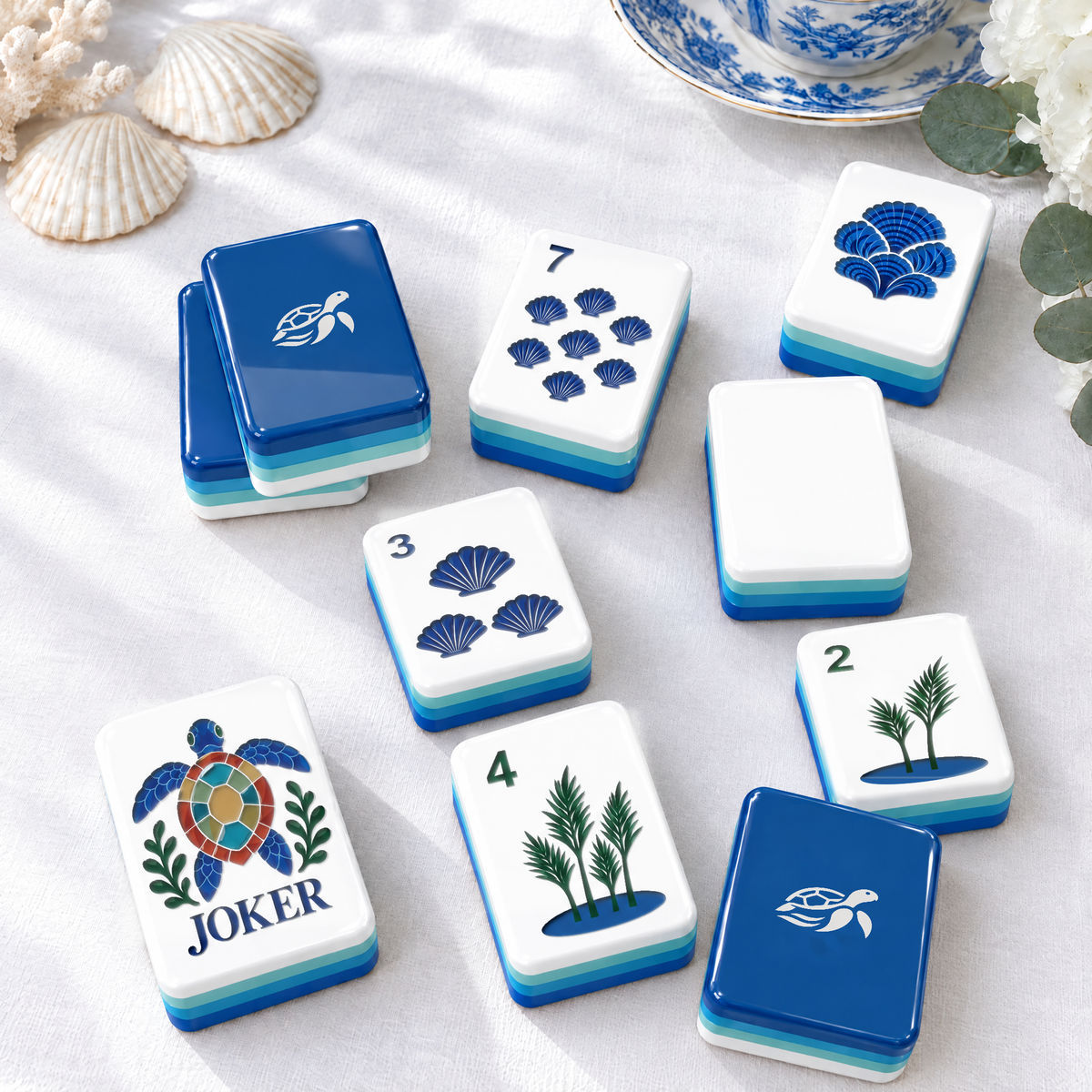
A tea party mahjong party combines the social flow of traditional American mahjong with a refined tea and snack setting. Serve tea, pastries, and light bites—finger sandwiches, scones, fruit—during breaks and between rounds so players aren't juggling food and tiles. The game itself runs three to four hours per session; plan a two-table setup (four players per table) if hosting six to eight guests. Each player needs a clear view of the current-year National Mah Jongg League card, racks to hold their tiles upright, and a mat to define the play surface and protect your furniture. Mahstead's best-selling mahjong sets include everything needed to play: 160 tiles (152 playing, plus spares), dice, and jokers. Set the tone with soft background music, good lighting, and a calm pace so conversation flows between plays—that's the heart of a tea party game night. 🀄 Shop best-selling mahjong sets →
How do you set up the table layout and seating?
Arrange four chairs around a sturdy table (at least 36 inches wide and deep). Position each player at one cardinal direction: East, South, West, North. Place the mat in the center; set racks along each player's edge (so tiles face them, not opponents). Set a tea service on a side table or cart, well away from play—tea stains and tile sets don't mix. Stack the League card printouts where all four can see it; use a small card holder or clip so pages don't flutter. A lazy Susan or turntable in the center makes passing the dice smooth, especially during the opening roll.

What game flow works best for a tea service rhythm?
Start with the Charleston (the tile-passing ritual before play) as guests arrive and settle. Once tiles are drawn and the first hand begins, let three full rounds (roughly 45 minutes to an hour) run uninterrupted; play moves quickly once everyone is focused. Between rounds, pause for tea refills and snacks. This natural break lets players rest their eyes, chat, and reset. After two or three such cycles (two to three hours), take a longer intermission: 15–20 minutes for a small meal or dessert. Then resume play for a final round or two. This pacing keeps energy steady and avoids the mental fatigue that kills the party mood.
Which hand types encourage steady play for mixed skill levels?
Choose hands from the current-year card that emphasize pungs (three identical tiles) and kongs (four identical), avoiding those that demand rare tile combinations or exotic joker swaps. Hands with one or two jokers per player tend to move faster and feel less frustrating for beginners; hands requiring four or five jokers often stall. A tip: pre-scan the card and note which hands appear in the first column or two (usually simpler); suggest those early so newer players see frequent wins. Experienced players will pivot to harder hands naturally as the session deepens. If your table has one brand-new player, let them sit as East in the first round—East starts and sets the tone, and going first eases opening nerves.
What décor and refreshment choices elevate the feel without overwhelming the game?
Theme Element | Why It Works | What to Avoid |
Pastel tablecloth under the mat | Frames the play zone; protects furniture | Loud patterns that distract from tile colours |
Real teapot, cups, saucers | Signals intentionality; feels grown-up | Single paper cups—impersonal and wasteful |
Tiered cake stand for pastries | Pretty and keeps food off the play table | Serving directly from the kitchen—breaks flow |
Soft jazz or classical background music (low volume) | Masks awkward silences; aids focus | Music lyrics or drums—competes with conversation |
Candlelight or warm-white string lights | Creates intimacy; shows care for ambiance | Bright overhead lights alone—cold and harsh |
Small name cards per seat | Adds formality; helps players remember each other | No markers—guests feel anonymous |
Water glasses, napkins, and small plates stationed beside each rack | Ready access without reaching across tiles | Food and drink near the mat—spillage risk |
Avoid heavy appetizers before play; full stomachs and bent-over tile racks are uncomfortable. Offer tea, coffee, hot water, and still or sparkling water as the main beverages; alcohol is optional and light (a glass of wine per person, not rounds). Nuts, cheese, grapes, and biscuits work well. Save heavier snacks (cheese boards, charcuterie) for the final intermission, when play winds down.
🎁 See our most-loved mahjong sets & accessories →

How do you manage mixed experience levels and keep everyone confident?
Brief all players before tiles are drawn on one simple rule: everyone plays their own game; there's no hierarchy at a tea party. Pair one experienced player at each table with one or two relative newcomers. The seasoned player isn't a teacher during rounds—just a calm presence. After each hand, take 30 seconds to recap: "East won with a pung hand in the second suit row; here's why." No judgment, just clarity. If a new player calls a tile prematurely or makes a small mistake, pause, smile, and say, "Let's reset—that's how we all learned." Laughter dissolves tension. Invest in clear, readable tiles; squinting breeds frustration and slows play. Acrylic sets with engraved numerals are easier to read than painted ones, especially under varied lighting. Have mahjong racks with pushers on hand so players can organize tiles neatly—a tidy rack keeps the mind calm and the game flowing.
What timeframe, invitation, and prep should you plan?
Send invitations two to three weeks ahead; mahjong players often juggle multiple games and appreciate advance notice. Ask guests to arrive 15 minutes early so you can brief them on the League card and house rules (for example: whether you play with all-joker hands, how you handle a dead hand). Prep the table the morning of: dust the mat, check that racks slide smoothly, print two or three copies of the current year's card, and set out tea supplies and snacks in advance. Set phone notifications to silent; one buzzing device derails table focus fast. Plan for three to four hours total (including setup, Charleston, play, breaks, and wind-down). If you're hosting two tables, do a quick walkthrough at each after the first round to answer questions and gauge comfort levels.
What equipment makes the difference between a smooth party and a frustrating one?
Mats: A dedicated mahjong mat protects your table from tile scratches and defines the play zone. Compare mat styles based on size (large enough for four to move tiles freely), thickness (padding matters for comfort and sound), and aesthetics (solid colors or subtle patterns read more elegantly than loud designs in a tea party setting).
Racks with Pushers: These keep tiles upright and organized, so players see their hand clearly without bending forward or leaning in. Pushers let players shift tiles silently—no clacking and scraping that breaks the calm mood.
Tile Quality: Clear, deeply engraved numerals beat flat or painted marks. In soft light or across a large table, painted numerals blur; engraved ones remain crisp. Acrylic tiles (non-toxic, durable) are easier to read than bamboo or bone under most home lighting.
Bag or Case: If guests will travel to your home with their own tiles or reference cards, a sturdy mahjong bag protects equipment and signals that the game is worth caring for.
What to check before you buy:
Does the set include racks, mat, and dice, or are you buying à la carte?
Are numerals engraved (readable) or painted?
Is the mat large enough (at least 27 inches square) for comfortable play?
Do racks have pushers, or just open slots?
Are spare jokers included, or will you need extras?
✨ Find your Mahstead set — free US shipping →

FAQ
Can I host a tea party mahjong night if not everyone knows how to play?
Yes. Brief new players on tile suits and the current card 15 minutes before; pair them with experienced players. After one or two hands, most grasp the flow. Focus on calm pacing and laughter—learning happens naturally in a relaxed setting.
How many guests should I invite for a first-time tea party mahjong?
Start with exactly four (one table). A single table is easier to manage, and you can focus on good play and conversation. Once comfortable, scale to two tables (eight guests) with a co-host or a willing experienced player to help at the second table.
What if I don't have a mahjong mat—can I play on the bare table?
Yes, but a mat protects your table from tile marks and gives the game a dedicated, intentional feel. Unpadded tables also magnify tile noise, which disrupts the calm mood of a tea party. A mat is a small investment that pays big dividends.
Should I serve alcohol at a tea party mahjong night?
Light and optional—one glass of wine or beer per person, offered upfront. Heavy drinking slows play and erodes focus. Tea, coffee, and water are the true stars. A gentle "no" from any player should be met with grace; never push.
How do I choose which hands to use from the League card if some look too hard?
Scan the card before play and note hands in the first two columns—usually simpler, faster to achieve. In early rounds, call out one or two suggested hands per player. As confidence grows, let players choose freely. Experienced players will naturally gravitate toward harder hands; beginners will find hands that click.
Can I play tea party mahjong with fewer than four people?
Yes. Rules for two and three players adjust the tile draw and hand structures. Two-player is essentially a duel; three-player requires a "dummy hand" (unplayed tiles in the center). Both are slower than four-player but work well for intimate gatherings.
How often should I host a tea party mahjong night to keep a regular group together?
Most weekly or biweekly groups stay cohesive. Monthly is easier to sustain if schedules are tight. Whatever cadence you choose, announce it early so guests can plan. Consistency builds community; rotate hosting duties among players to share the load.


View More
View More
View More
