
Mahjong Lessons in Knoxville: Where to Start & What You Need
Last updated: Nov 23, 2026
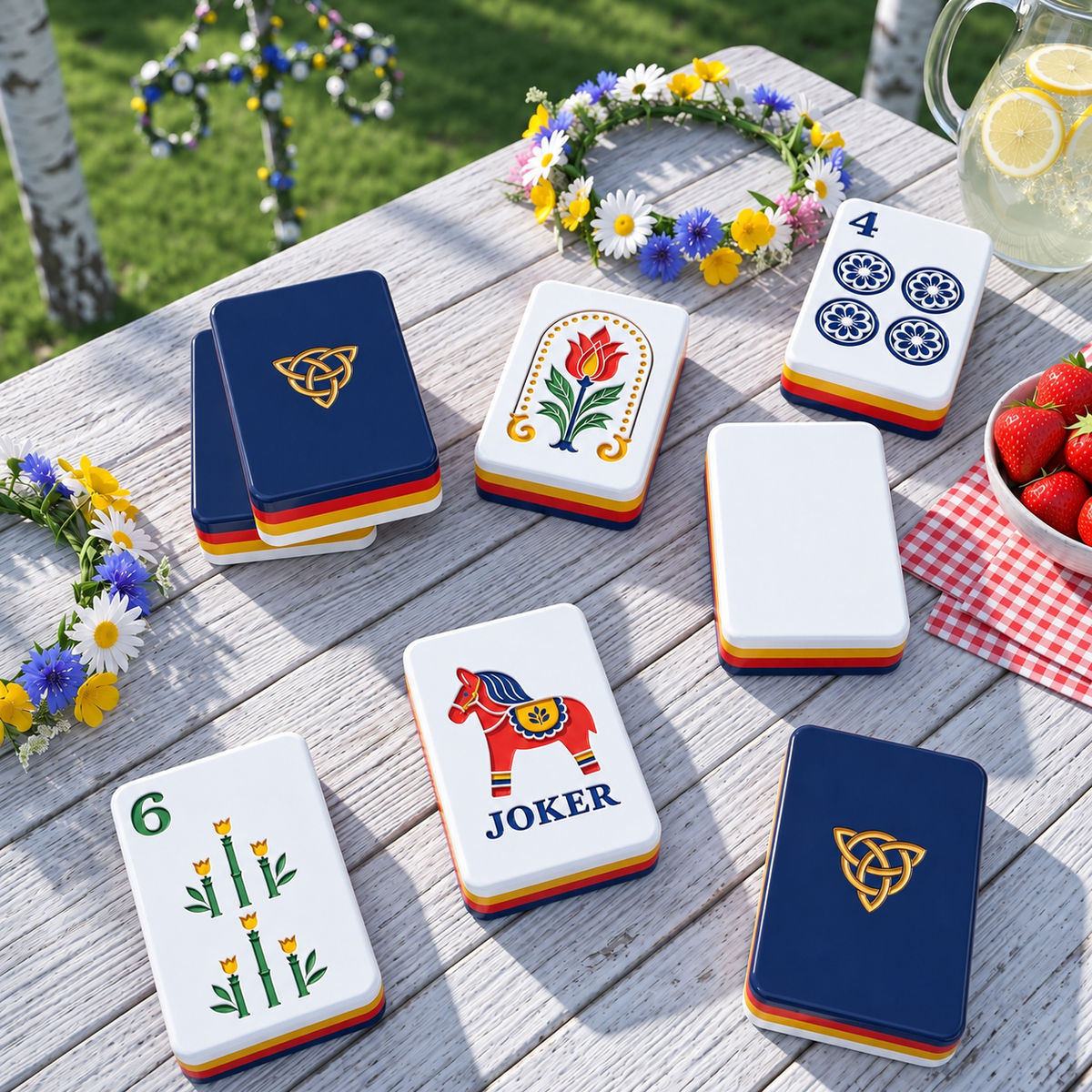
Mahjong lessons in Knoxville are available through community centers, libraries, synagogues, country clubs, and Meetup boards—search for "mahjong club Knoxville" or check bulletin boards at cultural centers. Lessons typically run 4–8 weeks and cost per-session (rates vary by venue). A full American mahjong game requires exactly 152 tiles plus 8 jokers, and beginners benefit from learning the National Mah Jongg League card alongside foundational rules. Most instructors provide sets, but owning engraved American mahjong sets accelerates learning and lets you practice at home. Avoid cheap plastic sets—tiles break, numbers fade, and shuffling becomes frustrating after two sessions.
Where do Knoxville players find mahjong lessons?
Community centers and public libraries often host beginner classes during spring and fall; call ahead or check their events calendar online. Synagogues and country clubs occasionally offer lessons to members or the public. Meetup.com and Facebook groups are reliable for finding active player groups—search "Knoxville mahjong" and message organizers directly; established groups often teach newcomers at the first session. You can also ask at cultural centers or senior centers, which sometimes host informal teaching circles. The best groups meet weekly and expect you to bring your own set within a few weeks.

What should you learn first—American, Chinese, or another variant?
Start with American mahjong if you're in Knoxville, since most local clubs play the American version. American mahjong uses the current year's National Mah Jongg League card—a reference sheet of legal hands—and plays only from that card, which changes every spring. Chinese mahjong (including Cantonese and Mandarin variants) allows sequences (chows), has no annual card, and plays on different scoring rules; it's less common in Knoxville but thrives in some cities. Hong Kong and Taiwanese variants are rarer still. Ask your instructor which variant the group plays before committing; learning the wrong one wastes weeks. Most Knoxville clubs play American, making it the practical starting point.
How long does it really take to become competent?
Most players can recognize tile groups, understand pungs and kongs, and play a full hand competently after 6–10 hours of instruction and supervised play. Reading the card and choosing hands takes longer—expect 20–30 hours before you stop slowing down the table. True fluency (fast decision-making, hand strategy, scoring mental math) typically requires 8–12 weeks of weekly play. New players often underestimate how much memorization the card demands; that's why instructor-led lessons beat YouTube tutorials—they drill you on common patterns. Many Knoxville groups have "new player nights" where stakes are low and table talk is encouraged, which accelerates learning by weeks.

What's the honest difference between a beginner set and a quality one?
A beginner set (144–152 tiles, plastic, printed numbers) costs less but degrades after 20–30 games: numbers peel, tiles warp in humid Knoxville summers, and cheap racks crack. A quality 160-tile acrylic mahjong set lasts years—acrylic resists humidity, engraved tiles never fade, and sturdy racks stay straight. Beginners don't need embellishment, but acrylic durability and precise tile sizing matter immediately: poorly cut tiles jam in racks, stopping play mid-hand. Our recommendation: buy best-selling engraved sets once you're committed to weekly play (after 2–3 lessons), not before. Instructors provide teaching sets; you'll know your style (speed, noise tolerance, aesthetics) by week three.
Set Type | Best For | Durability | Why It Matters |
Loaned from instructor | Trial phase (week 1–2) | One season | Low commitment, learn rules first |
Budget plastic set | Budget-conscious learners | 20–30 games | Numbers fade, tiles warp in humidity |
Quality acrylic (160-tile) | Serious weekly players | 5+ years | Tiles stay true, racks don't crack, resale value |
Engraved acrylic set | Long-term players who host | 5+ years + aesthetic | Personalized, memorable, doubles as décor |
🀄 Shop best-selling mahjong sets →
What gear should you buy once you commit to Knoxville lessons?
After your first two weeks, invest in a quality acrylic mahjong set so you can practice at home and don't annoy group members with a creaky plastic set. A mahjong mat isn't essential but prevents tiles sliding across your table and reduces noise at shared venues. Racks with pushers are worth buying if your instructor recommends them; many players prefer manual tile management at first, then switch to racks for speed. Skip the bag initially—once you're playing weekly, a travel case protects your set during transport and keeps all pieces organized. A current-year National Mah Jongg League card (provided by instructors but good to own) and a reference guide on how jokers work eliminate mid-game confusion. Total investment: set, mat, and card only—roughly a few casual dinners.
🎁 See our most-loved mahjong sets & accessories →
What to check before you buy a set for Knoxville play
Tile size: Ask your instructor what tile dimensions the group prefers (standard American tiles are uniform; confirm before buying so they work with existing racks).
Joker count: American mahjong always uses exactly 8 jokers in play; sets sold as 160-tile packs include spare tiles—that's normal.
Acrylic vs. plastic: Humidity in Knoxville summers warps cheap plastic; acrylic holds its shape.
Rack compatibility: If the group uses racks, test your tiles in a borrowed rack before buying the set.
Carrying plan: If you'll bring the set to lessons weekly, a mat or small travel case is worth the investment.
Clarity of markings: Engraved tiles beat printed ones—numbers stay legible for years, not weeks.
Getting the most from your Knoxville lessons
Attend every session for the first 8 weeks, even if you feel lost; the card patterns build cumulatively. Take photos of hands your instructor highlights. Play one practice round at home before each lesson using the mahjong rules guide. Ask about the Charleston—the pre-game tile-passing ritual—early; it confuses newcomers most. Join the group's chat (Meetup message thread, Facebook group, or text chain) to ask quick rule questions between lessons. Finally, host one practice game at home once you have your own set; teaching someone else cements what you've learned.
✨ Find your Mahstead set — free US shipping →

FAQ
Can I learn mahjong online instead of taking in-person lessons in Knoxville?
Online tutorials teach rules but miss the critical element: live correction and hand-reading strategy from an experienced player watching your choices. Video lessons are useful for review, but your first 6–10 hours should be in-person with a group. Knoxville has enough active clubs that you can find in-person instruction.
How much does it cost to take mahjong lessons in Knoxville?
Rates vary by venue and instructor; community centers often charge per-class fees, while informal club groups may be free or ask for a small donation. Contact specific venues directly for their current pricing structure.
What if no Knoxville club is accepting new players right now?
Check back monthly—groups rotate newcomer sessions. Meanwhile, ask if you can observe one game (many clubs allow silent observers) and study the American card so you arrive prepared when a teaching cohort starts.
Do I need to own a mahjong set to take lessons?
No—instructors provide teaching sets for the first 2–4 weeks. Once you commit to weekly play, owning a quality set lets you practice at home and eliminates the awkwardness of borrowing constantly.
Should I buy an engraved or a plain mahjong set if I'm just starting?
Buy plain acrylic first—you don't know your style yet (speed preference, noise tolerance, whether you'll host games). After 2–3 months of weekly play, if you're hooked, engraved sets make memorable gifts or personal keepsakes for long-term players.
What's the difference between American mahjong and the version some Knoxville groups play?
American mahjong uses a unique card that changes yearly, plays no sequences (chows), and uses exactly 152 tiles plus 8 jokers. If a group calls itself "American," confirm they use the current National Mah Jongg League card; some casual groups play house rules that differ significantly.


View More
View More
View More
