
Mahjong Lessons in Birmingham: Where to Learn & How to Start
Last updated: Nov 23, 2026
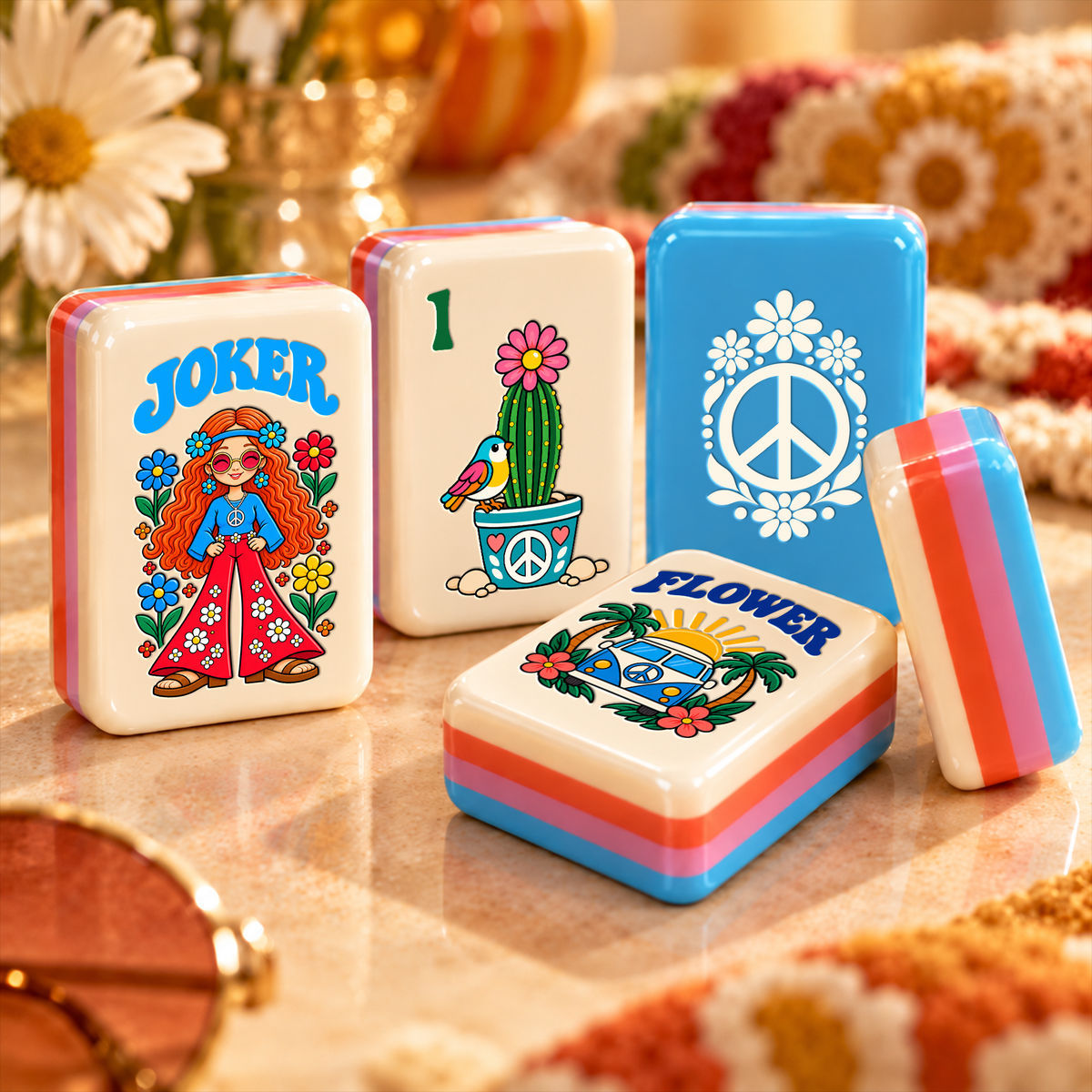
Mahjong lessons in Birmingham are offered through community centers, libraries, and private instructors—search "mahjong classes near me" at your local library or community center website, or ask at senior centers and country clubs. Most American mahjong lessons run 2–4 hours and cover the 152-tile game, the Charleston (tile-passing ritual), reading the current year's National Mah Jongg League card, and basic hand recognition. Costs vary by instructor; group lessons are typically lower than private coaching. Before joining, buy or borrow a 160-tile set so you can practice tile recognition at home—our best-selling mahjong sets help you learn tile names and combinations at your own pace.
Where do Birmingham mahjong classes actually meet?
Birmingham's mahjong community gathers in three main places: public community centers (check Parks and Recreation departments), public libraries (many host game nights), and private clubs (country clubs, senior living centers, and synagogues often run regular groups). Start by calling your nearest community center or library—staff know who teaches and when games run. Facebook groups for "Birmingham mahjong" or "Alabama mahjong" often post meeting times and open-table nights. Some instructors teach from home or offer one-on-one lessons; ask your library for referrals. A lesson spot fills fast, so call or message early in the week.

What's actually covered in a beginner mahjong lesson?
A typical first lesson covers four things: tile recognition (how to name the 152 tiles—Bams, Craks, Dots, winds, dragons, flowers), the Charleston (the tile-passing sequence before each game), how to read the National Mah Jongg League card (where all legal hands are listed each year), and one simple winning hand. Your instructor will show you why American mahjong works differently—no chows (sequences), no open calling except for groups of identical tiles (pungs, kongs, quints). You'll practice holding a rack of tiles, recognizing suit symbols quickly, and following play order. Most instructors drill tile names for 30 minutes because they're the biggest stumbling block for new players. After class, you'll play one or two hands at half speed—no scoring yet, just moving tiles and learning the flow.
How long until I can play a real game after lessons start?
Most players can play a full hand within one lesson if they practice tile names beforehand. A complete game (four rounds, four players) takes 1–2 hours once you know the card. Here's what the timeline looks like: Week 1, attend class, learn tile names and the Charleston at home; Week 2, join an open table at your lesson location; Week 3–4, play weekly games and build speed. The bottleneck is always tile recognition—if you can name the suits and see patterns (pairs, pungs, sequences of numbers) in your rack in under 3 seconds, you'll keep up. The card itself becomes fast after 3–4 games because you recognize hand patterns visually, not by reading every line. Practice with a set at home between lessons; even 15 minutes of sorting tiles by suit helps enormously.
🀄 Shop best-selling mahjong sets →

What equipment do you need to bring or buy before your first lesson?
Bring a notebook and pen. Many instructors teach from a demo set and let you use theirs the first session. After that, you'll want your own 160-tile set—most groups play with American sets (152 playing tiles plus spares). Check if your lesson provider lends sets; if not, a set is a one-time buy that lasts decades. We recommend sets with clear tile engravings and contrasting colors so you read tiles quickly under poor lighting (important because many games happen in homes or community centers with soft overhead light). A mahjong mat keeps tiles organized and speeds play, though mats are optional your first few weeks. Racks with pushers are nice but not essential early on—learn to hold tiles comfortably first.
Item | Essential for lesson? | Why |
Own mahjong set | After first class | Practice tile names at home; instructor may not have spares |
Notebook + pen | Yes, first class | Write down tile names, hand patterns, scoring shortcuts |
Mahjong mat | Optional | Keeps tiles tidy; speeds organized play after week 2–3 |
Racks with pushers | Optional | Nice after you know basic tile order; not needed at start |
Current year's League card | No, first lesson | Instructor usually has extras; buy one later for reference |
How do you avoid the five biggest beginner mahjong mistakes in Birmingham?
Mistake 1: Confusing suit symbols. A Bam (1–9) shows bamboo or a bird on the 1; a Crak shows a circle or crack pattern; a Dot is literally dots. Bam and Crak look similar if you're rushing. Solution: slow down during the Charleston; name every tile aloud until it's automatic.
Mistake 2: Thinking sequences (1-2-3) count as melds. American mahjong uses no sequences—only identical-tile groups (three of the same 5 Dot = a pung; four = a kong). This confuses players from Chinese mahjong rules. Ask your instructor which version you're learning; almost all Birmingham groups play American.
Mistake 3: Misreading the League card. The card lists hundreds of legal hands. Most new players try to memorize them. Instead, learn to scan by pattern (e.g., "pairs and pungs" rows, "like number" rows). You'll find hands faster by shape than by reading every line. Many instructors show you a quick card-reading framework in week two.
Mistake 4: Playing too fast too soon. Speed comes naturally. Focus on accuracy first—call your melds, play the right tile, check the card. Rushing leads to misreads and missed hands.
Mistake 5: Not practicing between lessons. The gap between lesson two and game two is where most players get stuck. Spend 15 minutes sorting your own tiles by suit and number; try to see a pung (three identical tiles) instantly. By game time, you'll move faster.
🎁 See our most-loved mahjong sets & accessories →
What's the best way to find a lesson if you're new to Birmingham?
Start here: (1) Call your city community center, Parks and Recreation office, and local library—ask directly if they host mahjong lessons or know who teaches. (2) Visit local senior living communities; many have open game nights you can observe. (3) Search Facebook or Meetup for "Birmingham mahjong" or "Alabama mahjong club." (4) Ask any player you know—word-of-mouth fills classes fastest. (5) Contact local synagogues or Jewish community centers; mahjong is traditional in those communities. When you find a lesson, ask these three questions: What version do you teach—American, Chinese, or other? (you want American unless you have a reason otherwise); How many students per class? (6–8 is ideal); Do I bring my own set or do you provide one? Then attend once. If the pace or people don't fit, try another instructor—Birmingham likely has options.
What to check before you buy a set
Before buying, confirm: Does your lesson group let you borrow a set the first session, or do you need your own immediately? Does your set need large, clear tile printing (important if you have vision issues or if games happen in dim light)? Do you want a travel-ready bag or case if you'll play at different homes? Our sets come with free US shipping, so you can order anytime—no need to hunt local stores.

FAQ
What's the difference between American mahjong and the Chinese version?
American mahjong uses 152 tiles and hands from an annual League card—no sequences (chows) allowed, and you can expose groups of identical tiles (pungs, kongs). Chinese mahjong allows sequences and has different scoring. Lessons in Birmingham teach American unless stated otherwise. Always confirm with your instructor which version.
How much does a mahjong lesson cost in Birmingham?
Costs vary by instructor and location. Community center group lessons are typically lower than private coaching. Call your local center for rates. Sets start as a one-time purchase and last for decades.
Can I play mahjong online before joining an in-person lesson?
Yes. Free apps and websites let you practice tile names and hand recognition solo. It won't teach you the Charleston or group etiquette, but it speeds up tile recognition. Combine online practice with one in-person lesson for fast results.
Do I have to buy the current year's National Mah Jongg League card?
Not immediately. Your instructor will have copies at lessons. After a few games, buy one for home practice so you can recognize hands without asking the group.
What happens if I play mahjong for a while and move away from Birmingham—will my skills transfer?
Yes. American mahjong rules and tile names are identical everywhere. If you move to another city, find a local group and play immediately—the game is the same.
Should I buy a mat or racks before my first lesson?
No. Focus on learning tile names first. After three to four games, if you want to speed up, add a mat. Racks are optional—many players hold tiles in their hands comfortably. ✨ Find your Mahstead set — free US shipping →


View More
View More
View More
