
Are Engraved Mahjong Tiles Good? What Players Really Need to Know
Last updated: Nov 23, 2026
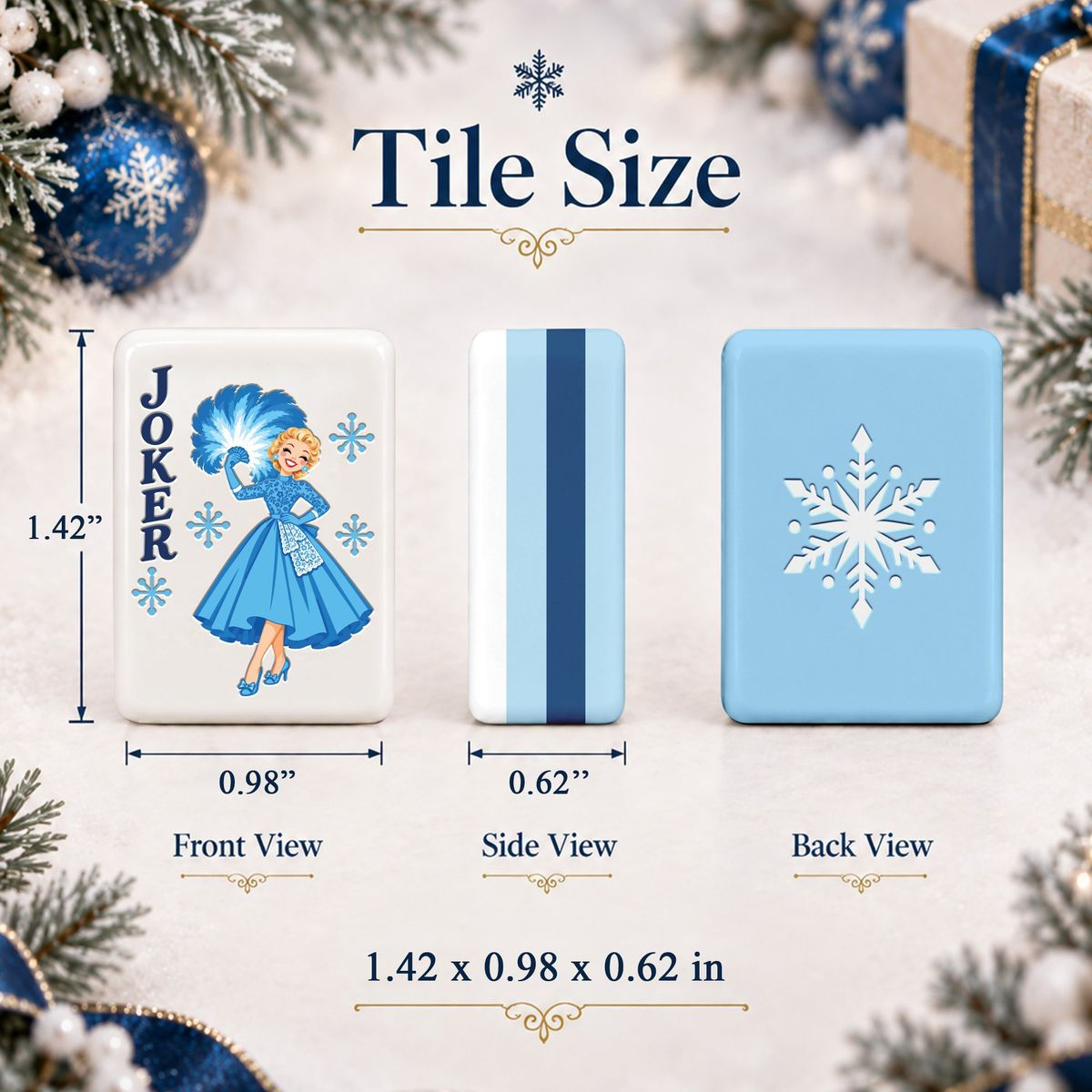
Engraved American mahjong tiles are genuinely useful if the design is simple, readable, and doesn't raise the tile surface. Quality engraving sits flat against acrylic, making tiles easier to grip without sacrificing shuffling or wall-building. The real trade-off: ornate designs look beautiful but can catch on racks, reduce tactile feedback during tile draw, and confuse newer players learning suit colors. Mahstead's engraved sets are manufactured using precision techniques that keep engravings level with the tile face, avoiding the catch-and-snag problem cheap imports cause. Cost typically runs higher than blank tiles, but the difference justifies itself if you play weekly and value both durability and comfort. The honest answer: engraving is worth it for serious players who host regular games and want tiles that last; casual or beginner players may prefer clarity and speed over aesthetics.
Do engraved tiles actually improve grip during play?
Yes—if the design is recessed or shallow. Engraving creates micro-texture that reduces slipping when you're drawing from the wall or sorting a rack quickly. In our weekly games, players notice the difference most when shuffling: blank tiles glide together smoothly but often require a firmer grip to prevent dropping. Engraved tiles bite just enough that you can move faster without fumbling. The catch: raised or 3D designs do the opposite. Avoid anything embossed outward; it catches on wooden racks, snags on felt mats, and makes wall-building slower because tiles jam against each other. Quality matters here—precision engraving at Mahstead keeps the tile face flat and the design recessed, so you get grip without the downsides.

Can engraved designs interfere with reading suits and numbers?
It depends entirely on contrast and clutter. Simple, bold engravings—say, a thin border or minimalist icon—never interfere; in fact, they reinforce the visual structure. Busy designs with multiple layers, shading, or small details can confuse the eye, especially under dim lighting or for players with color sensitivity. American mahjong relies on fast suit recognition: the moment your eyes land on a Bam or Dot, you should know instantly. Engravings that muddy that signal cost you speed. We've hosted tables where ornate designs slowed down newer players by 10–15 seconds per turn because they were parsing the design instead of the number. Stick with engravings that complement—not compete with—the suit color and number. The best designs use negative space or a single-color fill that echoes the tile's background.
What makes Mahstead's engraved tiles different from cheaper alternatives?
Precision manufacturing and attention to the tile foundation. Cheap imported sets often have engravings that sit too high or are cut unevenly, causing tiles to wobble when stacked, catch during shuffles, and wear unevenly over time. Mahstead tiles are acrylic throughout—not plastic coated over cheap resin—and the engraving is applied as part of the tile production, not after. This means the design won't peel, fade, or create sharp edges. We've tested sets from other sources in real games: engravings fill with dust after 50 hours of play, numbers become harder to read, and tiles bend slightly if dropped. Our best-selling mahjong sets are designed to survive hundreds of games without degradation. The upfront cost is higher, but amortized over 3–5 years of weekly play, the cost per game is negligible. Quality tiles also hold resale value; worn-but-intact sets always find buyers within the community.
🀄 Shop best-selling mahjong sets →
Which engraved designs work best for regular gameplay?
Minimalist designs win every time: thin borders, single-color geometric fills, or subtle icons that align with tile meaning (flowers on the flower tiles, seasonal motifs on honors). These serve three functions at once—they look intentional, they improve grip, and they never interfere with gameplay. Ornate designs with heavy shading, intricate patterns, or metallic overlays look stunning in product photos but fail in actual play. Consider also the person reading your tiles: if you host a mixed table with newer players, beginner-friendly designs actually accelerate onboarding because the visual structure is clearer. The engraved American mahjong sets collection at Mahstead includes designs ranging from elegant simplicity to thematic personalization. Joker-styled tiles with humor or custom names for your game group add personality without compromising readability. The design that works best is the one your table will use every week without complaint.

What's the honest downside of engraved tiles for casual players?
Cost and overkill. If you play once a month or host a rotating group, the durability and grip advantages of engraved tiles don't justify the premium over blank acrylic sets. You simply won't rack up enough play hours for the grip improvement to matter, and engravings add nothing to your learning curve if you're still memorizing suit colors. Blank tiles also offer flexibility: new players aren't distracted by a design they don't care about, and the set works equally well for someone visiting from a different game group. There's also a subtle psychological factor: engraved tiles signal "this is my set, my game, my table," which is great for serious players but can feel precious or exclusionary to casual friends. Start with best-selling mahjong sets in simple finishes; upgrade to engraved only after you've committed to regular play and know which design reflects your table's personality.
Design Type | Best For | Why It Works | When to Avoid |
Minimalist border/line | Serious weekly players | Improves grip, aids readability, professional look | If you want maximum visual personality |
Thematic icons (flowers, seasons) | Regular groups with established players | Reinforces tile meaning, beautiful without clutter | Casual play; frequent new players |
Custom name/date | Dedicated game group or gift | Personal meaning, durable when executed well | If shared across multiple tables |
Ornate/shaded patterns | Display/collection | Visually stunning | Regular gameplay; weekly tables |
Blank/minimal finish | Beginners or casual play | Fast learning, maximum clarity, neutral | If grip or aesthetic matters to your table |
What should you check before buying engraved tiles?
Engraving depth. Ask or test: the design should feel level with the tile surface, not raised or deeply recessed. Run your finger across it; you should feel a subtle texture, not a gap.
Color contrast. Make sure the engraving color (or lack thereof, if it's negative space) stands out clearly from the suit background under your actual lighting.
Edge quality. Look at sample photos; edges should be clean, not rough or feathered. Poor edge finishing means the design will catch on mats and racks.
Readability at table distance. If buying online, get a clear photo of the number and suit from the distance you actually play—usually 2–3 feet. Can you read it without looking directly at the tile?
Durability commitment. Engraved tiles are an investment. Be sure you're buying from a maker (like Mahstead) who stands behind the finish and can discuss repair or replacement options if a tile cracks.
What you'll need:
When you commit to engraved tiles, pair them with equipment that protects your investment. A quality mahjong mat with a smooth felt surface prevents scratching and reduces the chance of tiles catching corners. Racks with pushers designed for acrylic tiles ensure smooth tile movement without snagging engraved surfaces. A padded travel bag or case protects tiles during storage and transport—especially important since engraved sets often represent years of investment.
🎁 See our most-loved mahjong sets & accessories →
The real question: engraved tiles for your table?
Ask yourself three things: Do I play at least twice a month? Do I want to recognize my set at a glance? Will my table benefit from improved grip? If yes to two or more, engraved tiles make sense. If you're testing American mahjong for the first time, learn how to play with blank tiles first; you'll discover later whether personality and grip matter to your specific game. For serious players who host the same group weekly, engraved tiles become table identity—they're the physical anchor of your game's character and history. The investment pays off not in gameplay advantage (which is marginal) but in ritual, care, and the pride of ownership. That matters more than most equipment decisions, because mahjong is a social game played by the same hands and eyes, week after week. Your tiles become familiar, almost like friends at the table.
✨ Find your Mahstead set — free US shipping →

FAQ
Will engraved tiles wear out faster than blank tiles?
No—if manufactured well. Quality engraving is applied during tile production and is integral to the acrylic, not a surface coating. Mahstead tiles show no degradation after hundreds of plays. Cheap alternatives with poor engraving technique do wear faster because the design sits high and catches or peels.
Can I add engraving to tiles I already own?
Not reliably. Retrofit engraving on finished tiles risks cracking the acrylic or creating uneven depth. Start with properly engraved tiles from the manufacturer rather than attempting aftermarket customization.
Do engraved tiles work with joker tiles and pushers?
Yes, completely. Pushers glide over engraved surfaces just as smoothly as blank tiles, provided the engraving is level and recessed. Jokers in engraved sets are typically simple and clean so they stand out as wildcards.
Are engraved tiles allowed in tournament play?
American mahjong tournament rules typically require standard tiles, which means blank or minimal-design acrylic sets. Check the specific event's rules before entering with heavily customized or uniquely engraved tiles.
How much more do engraved tiles cost than blank ones?
Prices vary by design complexity and manufacturer; see current prices on the product page. The premium is usually 20–40% over basic sets, amortized to pennies per game over 3+ years of regular play.


View More
View More
View More
