
Mahjong Clubs in Houston: Where to Play & What You Need
Last updated: Nov 23, 2026
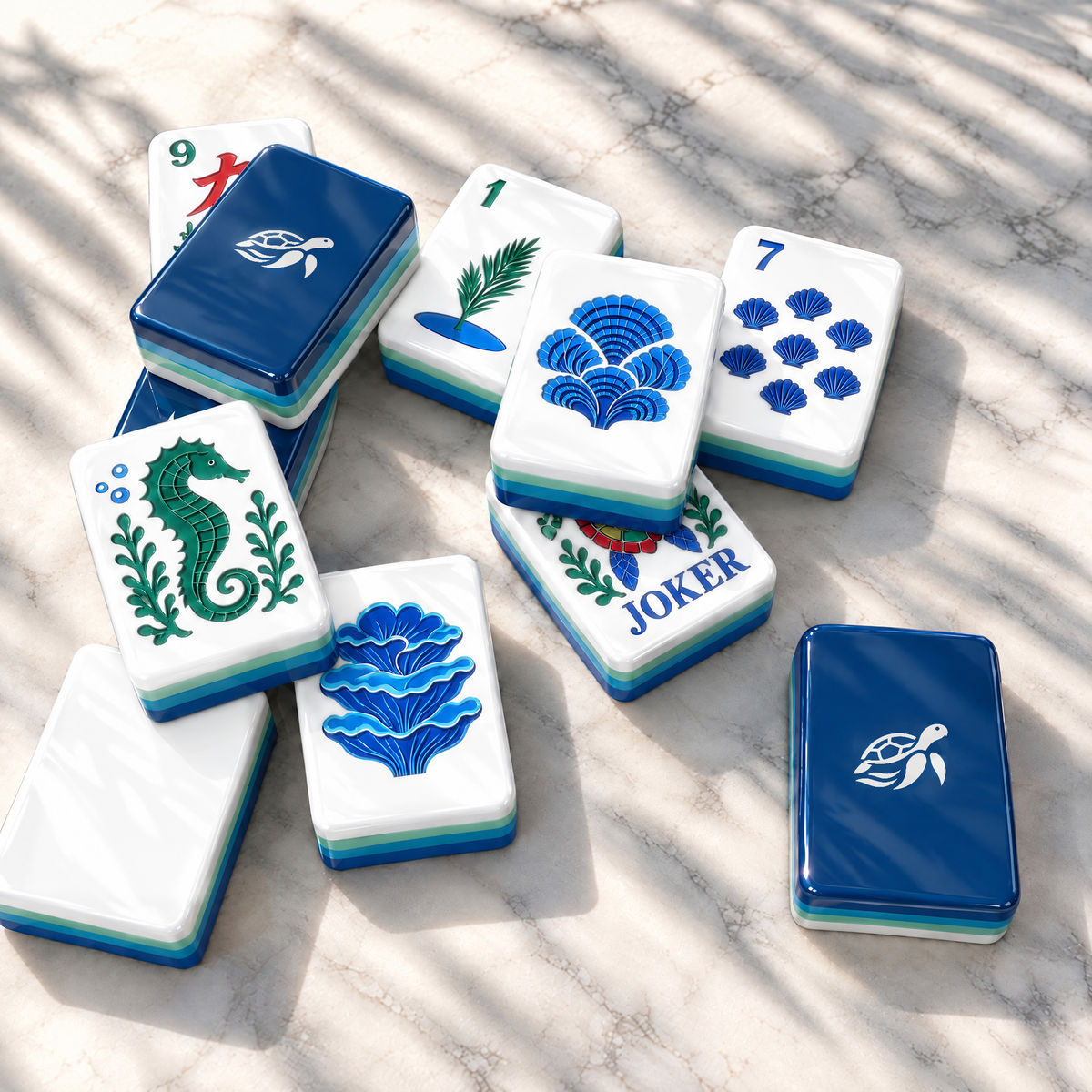
Houston's mahjong scene centers on community centers (check Parks & Recreation programs), synagogues and Jewish community centers, country clubs with game rooms, and casual meetup networks. Most beginner-friendly groups meet weekly on weeknights or weekend mornings; some charge a small table fee to cover refreshments or venue costs. To find a game: search Meetup.com for "mahjong Houston," call your local library's event coordinator, ask at recreation centers about tile-game clubs, or join Facebook groups dedicated to Houston game nights. Beginners should bring a set, a mat, and an open mind—veteran players welcome newcomers and teach the year's hand patterns from the official League card. Many groups use American mahjong rules and play for fun rather than money.
Where do Houston mahjong clubs actually meet?
Most regular games happen at recreation center game rooms, Jewish community centers with dedicated mahjong nights, and private homes that rotate hosting duties. Some country clubs and senior living communities also host weekly games, though membership may be required. Houston's sprawl means clubs cluster around major neighborhoods—search "community center mahjong" plus your zip code, then call ahead to confirm meeting days and beginner policies. Libraries sometimes post flyers or host informational sessions in spring when new players sign up. The most reliable way to find an active game is to join a Houston-focused game meetup board or Facebook group; regulars there post times, locations, and whether newcomers are welcome.

What's the real cost of joining a Houston mahjong club?
Most casual groups and community center clubs charge nothing or ask members to split snack and table-fee costs—usually under what a coffee costs per session. Some private groups or country club affiliations may have higher membership tiers, but beginner meetups almost always welcome you to drop in free or for a nominal contribution. Ask before you arrive so you can bring exact change. The real investment is in owning a reliable 160-tile mahjong set and mat; once you do, you can visit any game without borrowing equipment. If you're testing whether mahjong is for you, attend one or two games first, then invest in your own engraved American mahjong sets so you build confidence in tile recognition and hand practice at home.
🀄 Shop best-selling mahjong sets →
How do you join a Houston mahjong group as a beginner?
Show up on time, introduce yourself to the group organizer, and say you're new to American mahjong. Experienced players expect to teach beginners the basic tile names (Bams, Craks, Dots, winds, dragons, flowers), how the Charleston tile-passing ritual works, and how to read the current year's official hand card from the National Mah Jongg League. Most games start with a demo hand so newcomers see the flow. Bring a notepad; jot down confusing hand patterns after your first few games so you can study at home. Never feel rushed—good groups celebrate teaching newcomers over rushing through hands. Attend two or three times before deciding if the group's pace and social vibe fit you; Houston has enough active tables that you can find your match.
What equipment should you bring to your first Houston game?
Bring a complete American mahjong set (152 tiles plus 8 jokers), a mat to protect the playing surface, and your current-year League hand card. A full set ensures you're not borrowing pieces from other players and keeps everyone's tiles consistent. Most groups share mats and racks, but having your own mat means you control its condition and can leave it laid out to study hands between plays. If you're brand-new, borrow these items at your first meetup, then purchase your own after two or three sessions so you're comfortable with the tile weight and tile-reading speed. Many Houston players keep their sets in padded travel bags so they're portable and protected. Check how to choose a mahjong mat to understand the different styles; a quality mat with guide lines makes reading hands faster for beginners.
What to Bring | Why It Matters | Beginner Tip |
Full 160-tile set | Ensures consistent play; prevents borrowing friction. | Buy after 2–3 games once you know your home group. |
Mahjong mat | Protects the table and keeps tiles organized. | Start with a borrowed mat, upgrade once you're committed. |
Current-year League card | Defines all legal hands for that season. | Print a copy or bring your phone; groups often have spares. |
Notepad | Record confusing hand patterns for home study. | Write tile names and hand positions so you memorize faster. |
Comfortable posture (chair/pillow) | 2–4 hour games require back support. | Bring a small cushion if the venue's chairs feel hard. |
🎁 See our most-loved mahjong sets & accessories →

How do you start your own Houston mahjong group?
Pick a regular meeting time and location—your home, a rented community room, or a restaurant with a private space work equally well. Invite friends or post on Meetup.com and local Facebook boards: "Starting a weekly American mahjong game, Tuesday 7–10 p.m., [your neighborhood]. Beginners welcome." Set a clear meetup day so regulars know when to show up. Provide mahjong racks with pushers so players can manage large hands without fumbling tiles, and lay out a mahjong mat for each of four players. Have the League card visible and rotate who is dealer each round so everyone learns dealer rules. After three weeks of consistent players, you'll know who's reliable; invite them to a group chat so you can poll for makeup sessions or special events. Starting your own game is how many longtime players built their Houston mahjong family.
What's different about American mahjong vs. the games you might see elsewhere?
American mahjong uses 152 tiles (three suits of 1–9 numbered tiles, winds, dragons, flowers, and jokers), and hands come only from the official National Mah Jongg League card issued every spring. You cannot play hands from other years or invent your own patterns. The game also forbids "chows"—sequences like 1-2-3—that are legal in Chinese and Hong Kong mahjong; American players expose only pungs (three identical tiles), kongs (four identical), and quints or sextets (five or six identical). Jokers are wildcards but have strict rules: read how jokers work so you don't make costly mistakes. If you're joining a Houston group, ask upfront whether they play American, Chinese, or a house-rule hybrid so you prepare correctly. Most casual groups play American mahjong because the League card standardizes the game and prevents endless rule debates.
✨ Find your Mahstead set — free US shipping →
What should you check before buying your first mahjong set for Houston games?
Before investing in a set, attend a game and handle tiles from the group's existing sets. Check whether you prefer acrylic or bamboo tiles, light or bold number printing, and standard or engraved designs. Many Houston players love personalized sets—monogrammed with initials or a funny mahjong phrase—because they're easy to spot in a group and make great gifts for fellow players. Verify the set includes a carrying mat or bag so you can transport it safely. Read what's in an American mahjong set to understand tile counts and joker behavior before you purchase. Once you know the group's tile style and your own preference, shop the best-selling collection so you're buying a reliable set proven by other Houston players. All Mahstead sets ship free across the US, so you can order with confidence and have tiles in your hands within days.
What common mistakes do new Houston players make at their first game?
Beginners often misread the Bam suit tiles (the 1 Bam shows a bird, not a dot) and confuse wind tiles with number tiles until they've seen several rounds. Another common slip: trying to pick up a tile when you shouldn't, or exposing a pung on the wrong turn. The best cure is watching silently for your first half-game, asking the player to your left to explain each move after it happens. Don't memorize the League card before your first session; instead, learn one or two hand patterns per week and build speed over a season. Avoid joking about house rules until you've played three games—every group has quirks, and newcomers often misunderstand them. Finally, don't aim to win your first night; focus on understanding why a hand is legal and how the tile flow works. Houston's friendly groups expect to babysit beginners, so relax and enjoy the learning curve.
What you'll need to host or join a Houston mahjong game
A quality set with comfortable tiles, a protective mat, and racks to hold large hands make every game smoother—especially when newcomers are learning hand positions. Explore our mahjong racks with pushers and travel bags to find gear that fits your hosting style. If you're buying as a gift for a Houston player joining a group for the first time, consider an engraved set with a funny mahjong phrase—it's a lasting keepsake and conversation starter at every table.

FAQ
How do I find mahjong games near me in Houston?
Search Meetup.com for "mahjong Houston," call your local Parks & Recreation center, visit nearby synagogues or Jewish community centers and ask about game nights, and check Facebook groups dedicated to Houston game nights. Call ahead to confirm meeting times and beginner policies before you show up.
Do I need to own my own mahjong set to join a club?
No. Most established groups have extra sets you can borrow for your first few sessions. Once you attend two or three games and feel committed, buy your own so you're never without tiles and you build familiarity with tile recognition speed.
What is American mahjong and how does it differ from other versions?
American mahjong uses 152 tiles, a standardized hand card from the National Mah Jongg League, and forbids chows (number sequences like 1-2-3). Most Houston groups play American mahjong because it's rule-standardized and beginner-friendly. Ask your group upfront which variant they play.
How much does it cost to join a Houston mahjong club?
Most casual meetups and community center clubs are free or ask for small snack/venue contributions—usually under a few dollars per session. Country club or private group memberships may cost more, but beginner drop-in games are almost always free or minimal.
What's the best way to learn as a complete beginner?
Attend one game silently and watch; ask the player to your left to explain moves after each round. Study one or two hand patterns per week at home using the League card. After three games, focus on understanding why hands are legal rather than memorizing all patterns. Honest groups celebrate teaching newcomers, so relax and ask questions freely.
Can I start my own mahjong game group in Houston?
Yes. Pick a regular time and location, invite friends or post on Meetup.com, provide mats and racks for each player, and post the League card visibly. Most groups find regulars within three weeks; use a group chat to coordinate future sessions and special events.


View More
View More
View More
