
Mahjong Invitations: How to Host & What to Send
Last updated: Nov 23, 2026
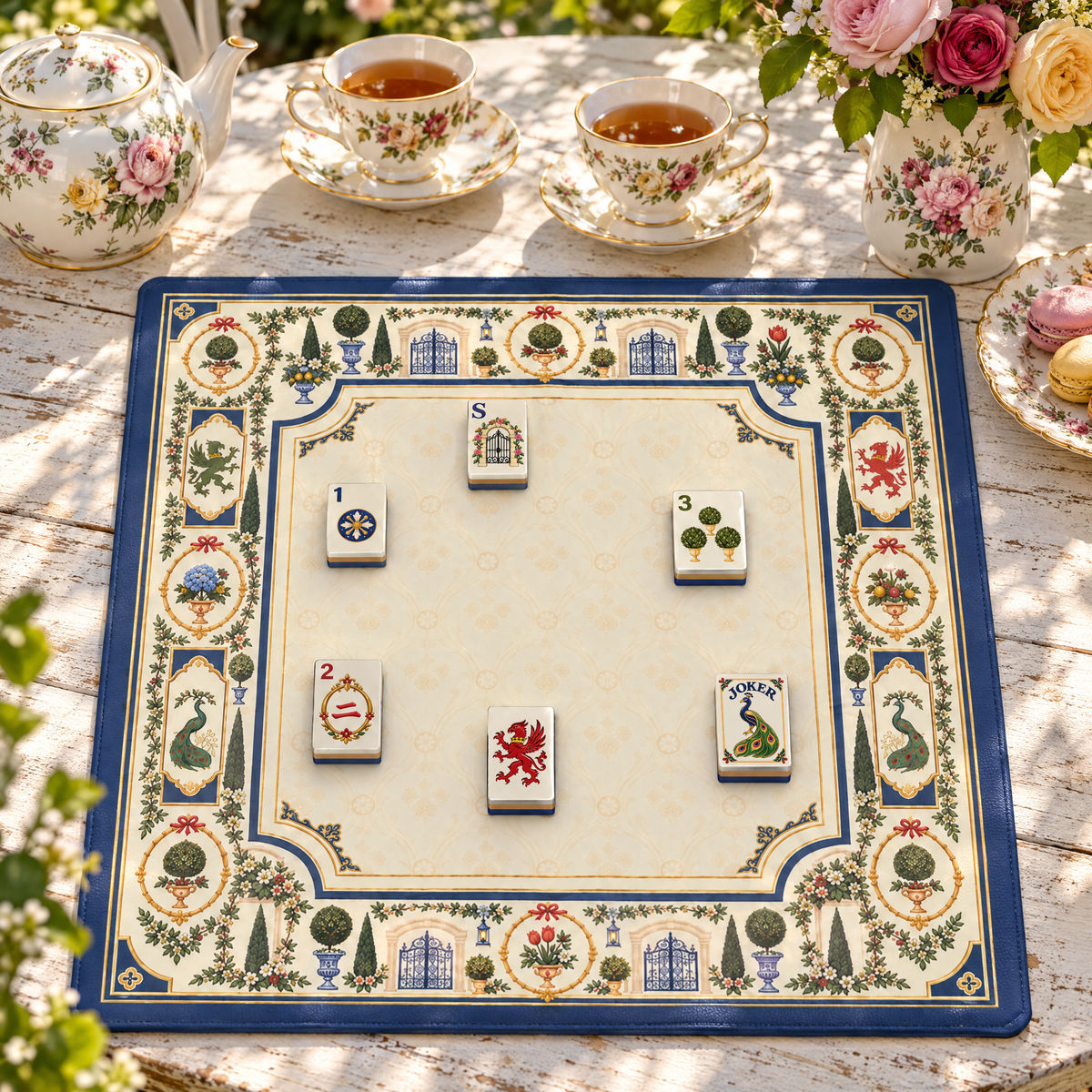
A mahjong invitation tells your players when, where, what to bring, and why they want to be there. Send by text or email 2–3 weeks ahead for weekday games, 3–4 weeks for weekend tournaments; a formal card works for season openers or milestone games. Include host name, date, time, address, parking, what tiles (bring your own set or use the host's), the year's National Mah Jongg League card number, seat rotation rules, and a contact for RSVP. Humor helps—a tile emoji, a pun on "suiting up" or "cracking into fun," or a joker reference breaks formality without losing clarity. Many hosts gift a best-selling mahjong set with the invitation as a keepsake, or engrave the date and player names on a mat for the table itself.
A great mahjong invitation balances warmth, clear logistics, and a hint of tile humor. Send by text or email 2–3 weeks ahead for weekday games, 3–4 weeks for weekend tournaments; a formal card works for season openers or milestone games. Include host name, date, time, address, parking, what tiles (bring your own set or use the host's), the year's National Mah Jongg League card number, seat rotation rules, and a contact for RSVP. Humor helps—a tile emoji, a pun on "suiting up" or "cracking into fun," or a joker reference breaks formality without losing clarity. Many hosts gift a best-selling mahjong set with the invitation as a keepsake, or engrave the date and player names on a mat for the table itself.
Why Does Timing Matter for Your Mahjong Game Invite?
Sending invitations early gives players time to check their calendars, arrange childcare, and mentally prep for the competitive mood. Weeknight games need 2–3 weeks' notice; Saturday tournaments need 3–4 weeks. If you're hosting the National Mah Jongg League card launch party in spring, send invites in early March so players can study the new hands. Holiday games (Thanksgiving, Christmas, Hanukkah) deserve 4 weeks' lead time because November and December fill up fast. Last-minute invites (under one week) work for casual "emergency mah" texts among regulars but signal either a last-minute cancellation fill or an urgent all-hands game—use sparingly so they keep their impact.
What Information Must Go in Every Invitation?
A complete mahjong invitation includes: your name as host; exact date and day of the week; start time and expected end time (3–4 hours for a standard game); full address with zip code and parking notes (street parking, driveway, garage, lot number); whether players bring their own 160-tile acrylic sets or use yours; the 2026 National Mah Jongg League card (or "bring your own card" if players play multiple variants); where to sit and how seats rotate; refreshment plan (BYOB, snacks provided, or potluck); RSVP deadline; and your phone number and email. Skip nothing—vague details create day-of chaos and missing tiles.
How Do You Write a Mahjong Invitation That Gets Yes Answers?
Start with a warm subject line or opening: "You're invited: Saturday Mah with Sarah & the Wall of Wind" or "East Wind Game—April 12, Your Favorite Tiles Welcome." Use the player's name if it's a text; generic "mah friends" in an email group works but feels colder. Follow the five logistical facts in one paragraph (date, time, place, tiles, card), then add a single personal line: "Last month someone finally won with a 2018 card pattern—let's see if we can break the curse this round," or "We're rotating West, so you'll get a shot at lucky seat." Close with your contact and RSVP date. Humor lands better in texts among regulars; formal invitations (holiday, new-player introduction, milestone) use a lighter tone but avoid inside jokes. Include a note if you're providing anything special—fresh mahjong racks with pushers to protect everyone's tiles, or a custom-engraved mat.
🀄 Shop best-selling mahjong sets →

Should You Send Invitations by Text, Email, or Card?
The format depends on who you're inviting and the game's tone. A text works for weekly regulars; it's fast, informal, and everyone checks their phone. An email invitation reaches mixed-age groups clearly and lets you include photos, links to the card, or a map; group emails work if all invitees already know each other. A physical card signals formality and respect—ideal for a season-opening game, a memorial tournament, or inviting someone new to an established group. Video or voice invite (a quick call or voice note) feels personal and works for close friends but takes time and can seem informal to someone who prefers written plans.
Format | Best for | Timing | Include Map? |
Text (individual) | Weekly players, casual fill-ins | 1–2 weeks | No—they know the place |
Group email | Mixed ages, returning players, first-timer details | 3 weeks | Yes—link to Google Maps |
Physical card | Season opener, new player, special occasion | Mail 4 weeks prior | Card can include address; send map separate |
Video call | Close friends, urgent mah | 1 week | Mention it verbally; text follow-up |
What Extras Turn an Invitation into a Gift?
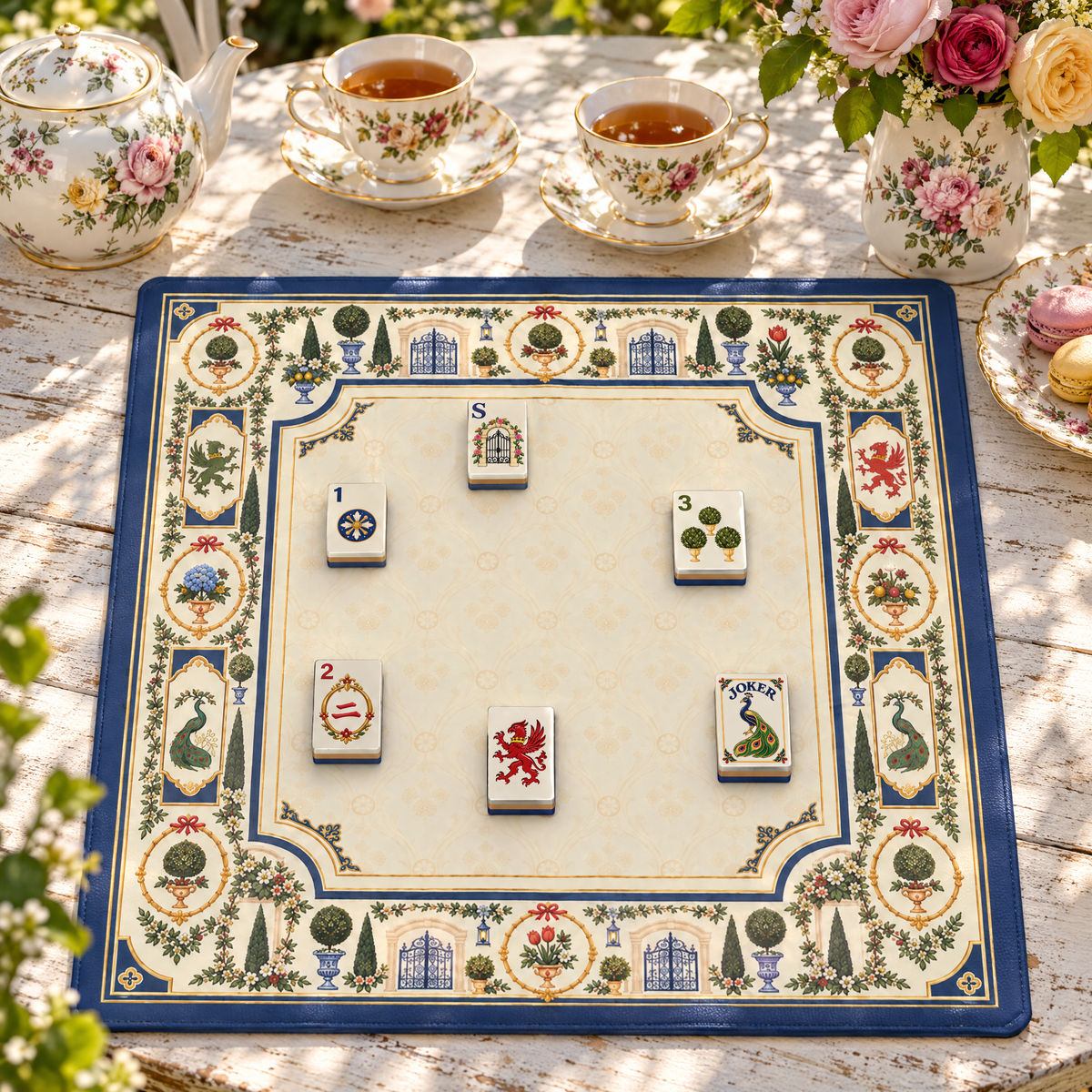
Gifting a custom-engraved mahjong set with the invitation date, host name, or player names transforms a simple "come play" into a keepsake. An engraved set works for milestone games (first annual, 10-year anniversary, new-player induction) or for someone joining a long-running group. A mahjong mat with the host's name and the game's year etched on the edge adds both utility and warmth. Travel bags and cases keep sets safe and show you're thinking of how they'll haul their tiles to your game. Mahstead dice are a smaller token gift that every player needs, especially if someone's been rolling wonky luck. A printed tile-themed card (DIY or commissioned) costs little but signals care; add a joker sticker, a hand-drawn Bam, or a doodle of your table's personality.
🎁 See our most-loved mahjong sets & accessories →
How to Word Your Invitation If Players Are Bringing Tiles They Don't Know Yet
If players are bringing their own sets for the first time, mention the year's card explicitly: "Bring your American mahjong set and the 2026 National Mah Jongg League card." If someone says "I have an old set from 2010," clarify that hands only come from the current year's card (you can link them to how to read the mahjong card in your email). If someone has no set at all, tell them you'll provide one or ask another regular to bring a spare. If your group is mixed—some play American, some Hong Kong, some Riichi—state clearly which variant you're hosting: "This is American Mah (National League card required)." New players often don't know the difference and will show up with a 144-tile Chinese set if you don't specify.
✨ Find your Mahstead set — free US shipping →
What to Check Before You Hit Send
Date and time are real: Not a typo. Confirm your calendar.
Address is complete: Street, number, city, zip, and a landmark (near the park, next to the red mailbox).
Parking info is clear: "Street parking out front" or "driveway on left" beats "park nearby."
You've named the 2026 card explicitly or said "bring your own card."
RSVP deadline is at least 5 days before the game: You need time to know headcount and set up seating.
Your phone or email is in the invite twice: People lose the first copy.
No vague language: "Sometime Saturday morning" is not an invitation. "10:00 a.m. start, wind down by 2:00 p.m." is.
You've proofread: Typos in dates kill RSVPs.

FAQ
Can I send a mahjong invitation as a social media event or shared link?
Facebook events and Eventbrite work if your group lives on those platforms, but they bury critical details (address, what to bring) under comments. Always follow up with a text or email that repeats the hard facts—date, time, full address, card year, and your phone. One guest will miss the notification.
How early should I send invitations if I'm gifting a custom set?
Mail a custom-engraved set at least 5–6 weeks before the game so it arrives with time to spare. Order early with Mahstead to avoid delays. The invitation itself (email or card note) can go out 3–4 weeks before, referencing the gift as a "special surprise arriving soon."
What do I say if a player can't find the 2026 National Mah Jongg League card?
Tell them the card is released every spring by the National Mah Jongg League and is available at most mahjong shops, libraries, and online retailers. Offer to bring a spare or lend yours until they get their own. New players especially need this spelled out—they often assume old cards still work.
Should I mention house rules in the invitation or explain them when people arrive?
Mention major house rules (like "we use a timer for Charleston" or "no wild plays for first-timers") in the email or on a follow-up text so no one is surprised. Minor rule tweaks (how you handle a disputed hand, bonus rules for first wins) can wait until everyone sits down, but big deviations from standard American rules deserve advance notice.
What's the best gift to include with an invitation to a brand-new player?
A mahjong set from our best-selling collection signals that you're serious about them joining the group and want them to practice at home. Pair it with a printed copy of how to play American mahjong so they show up less nervous. A mat or travel bag shows even more commitment if they're someone you think will become a regular.
Can I send a group invitation text or email to everyone at once, or should I personalize each one?
A group email is efficient if everyone knows each other (same weekly game, returning tournament players). Use the group email to cover logistics, then send one follow-up text to anyone who hasn't RSVP'd by the deadline. For a first-time invite or a new player, send a personal email or text—it feels warmer and lets you answer questions directly without cluttering a group thread.


View More
View More
View More
