
Mahjong in Texas: Where to Play & What You Need
Last updated: Nov 23, 2026
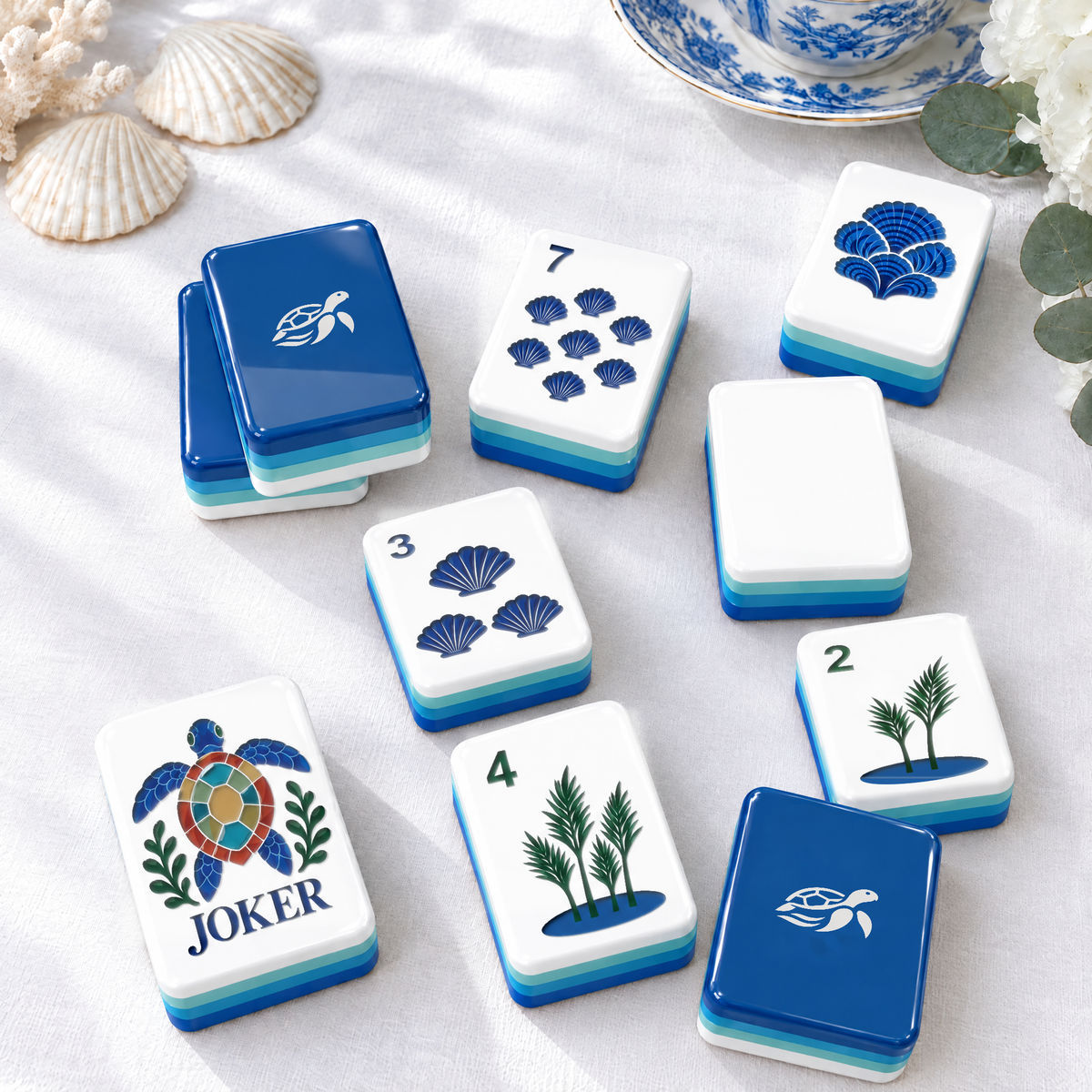
Mahjong in Texas is thriving among players aged 30–80, concentrated in Dallas, Houston, Austin, and San Antonio. Most Texans play American mahjong—the variant using 152 tiles with no sequences, hands from the current National Mah Jongg League card, and the Charleston tile-passing ritual. Games meet weekly at community centers, libraries, synagogues, country clubs, and private homes. To start, you need a best-selling American mahjong set, a mat, four racks with pushers, and a copy of the current League card. Expect 2–4 hours per session; a typical game costs nothing or a small pot (split among winners). The learning curve is 2–3 weeks for solid basics, 6 months to read hands fluently.
How do I find a mahjong group in Texas?
Texas mahjong players gather in places where groups naturally form: community recreation centers, public libraries (often with bulletin boards or staff referrals), synagogues and temples, country clubs, and retirement communities. Check meetup boards online, ask at local game shops, or post in neighborhood Facebook groups. Many groups are women-only or co-ed; some rotate hosting homes. Start by visiting one session as a guest—most players welcome newcomers and will explain rules as you watch. Some teaching groups run free sessions for absolute beginners before joining regular play.

What version of mahjong do Texans play?
The vast majority of Texas players use American mahjong, which differs sharply from Chinese, Hong Kong, and Riichi variants. American mahjong has no chows (sequences of 1-2-3 or 8-9-honor)—you expose only pungs (three identical tiles), kongs (four identical), quints (five), and sextets (six). Jokers can never represent a single tile or a pair, only a tile within a pung, kong, quint, or sextet. Hands come only from the current-year National Mah Jongg League card, issued every spring; players memorize or reference the card during play. The game opens with the Charleston, a ritualized passing of nine tiles per player. Scoring uses a point system with limits per hand type. A 2026 game uses the 2026 card—new cards reset strategy annually, so Texas games feel fresh even after decades of play.
What equipment does a Texas host need?
Minimum for one game:
Item | Count | Why | Notes |
Mahjong set (152 tiles + 8 jokers) | 1 | Play | Acrylic or ivory; suits are Bams, Craks, Dots, winds, dragons, flowers, jokers |
Mat | 1 | Cleanup & walls | Defines walls, catches chips, protects table |
Racks with pushers | 4 | Hand display | Pushers keep tiles organized, readable from across table |
Card (2026) | 1 copy | Reference | Keep at table; most groups have a laminated copy |
Score pad & pen | 1 | Tally | Needed after each hand |
Dice (pair) | 1 set | Determine walls, seating | Some groups use pushers with built-in dice markings |
Nice-to-have:
Travel bag or hard case if you host multiple homes or travel to games
Extra jokers (a 160-tile set provides spares)
Snacks, drinks, good lighting, comfortable seating
For weekly games, invest in a quality mat that rolls or folds and racks with pushers that fit your tiles.
🀄 Shop best-selling mahjong sets →

How long does it take to learn mahjong in Texas?
Most Texas beginners pick up the flow in 2–3 weeks of weekly play: recognizing tile suits, understanding the Charleston, following discards, and spotting basic hand patterns. Reading the entire card fluently takes 6–12 months. Intermediate players develop strategy—tracking discards to guess opponents' hands, deciding when to hold or discard for maximum flexibility, and knowing when a hand is "dead" (impossible to complete). Advanced players compete in yearly NMJL tournaments or travel to regional championships. Texas hosts several informal tournaments during spring and fall; check community centers and libraries for current schedules. Teaching groups in Dallas and Houston often run beginner-friendly sessions on weekday afternoons.
What mistakes do Texas newcomers make?
Misreading the card: Players assume any 1-2-3 of the same suit is a valid hand, forgetting that American mahjong has no chows—only pungs, kongs, quints, and sextets appear on the card. Always check the card before declaring a hand.
Joker abuse: Jokers cannot form a single tile, a pair, or any tile called by an opponent. New players often place a joker expecting to swap it later—not allowed. Jokers replace one tile only within a legal pung, kong, quint, or sextet.
Slow tile recognition: Mixing up tile suits (especially Bams vs. Craks in low light) costs time and creates confusion. Use a mat with printed suit symbols and good overhead lighting.
Forgetting the Charleston rules: Players pass tiles in the wrong direction or fail to "peek" (look at the tile before committing to pass). Review the Charleston step-by-step before your first game.
Ignoring hand limits: The League card changes annually, and hands expire. Playing a 2025 hand in 2026 makes the hand invalid. New card? New game.
What to check before you buy:
Tile size and weight: Acrylic tiles suit most home tables; ceramic or bone tiles weigh more but feel premium. Ensure racks with pushers fit your tile dimensions.
Mat dimensions: Mats come 27–35 inches per side. Measure your table; you need at least 30 inches for comfortable four-player walls.
Joker count: A standard game uses 8 jokers out of 152 tiles. A 160-tile set includes spares; never add extra jokers to play.
Case or bag durability: If you travel between homes, a reinforced mahjong bag or case protects acrylic tiles from cracking.
Racks and pushers fit: Test racks with your tiles before committing; designs vary by tile thickness and height.
🎁 See our most-loved mahjong sets & accessories →
Do Texas groups prefer engraved sets or standard tiles?
Standard acrylic sets dominate casual weekly play for their speed and low cost. Engraved tiles—customized with names, initials, titles, or jokes—are chosen for gifts, milestone celebrations, or long-running groups with shared history. An engraved American mahjong set can commemorate a 25-year game, honor a deceased regular, or create a "trophy set" the winner takes home each season. Engraved tiles are indistinguishable from standard tiles in play; the value is sentimental and photogenic. Texas hosts often commission sets for milestone birthdays or anniversaries. A set ready to ship beats a rushed custom order, so order 4–6 weeks before you need it.
✨ Find your Mahstead set — free US shipping →

FAQ
Can I play mahjong with three people in Texas, or is it always four?
Four is standard in American mahjong. Three-player and two-player variants exist but use modified rules and tiles; most Texas groups don't know them. If you have only three players, rotate out or ask a fourth to observe and keep score. Some teaching groups run 2 and 3 player games on beginner nights to fill seats.
How much does a mahjong set cost in Texas?
See current price on the product page. Best-selling sets range widely depending on material and customization. All Mahstead orders include free US shipping. Budget separately for a mat, racks, and case if traveling.
Is mahjong the same in Texas as in New York or California?
Yes—American mahjong rules and the National Mah Jongg League card are nationwide. Texas groups follow the same hand patterns, scoring, and charlestons as players in New York or California. Local custom varies (who hosts, house rules for payouts, snack expectations), but the game itself is uniform.
What's the difference between a mahjong mat and a table cover?
A mat is a padded, often reversible surface that defines walls and protects tiles; it's portable and folds for storage. A table cover is typically fabric stretched over a frame and is semi-permanent. For Texas hosts who move games between homes or invite new players weekly, a mat offers flexibility. A cover suits a dedicated table in a game room.
How do I choose between 152-tile and 160-tile sets?
A standard American game uses exactly 152 tiles and 8 jokers—no more. A 160-tile set contains 152 playing tiles plus 8 spare tiles (extra jokers or blanks). Spares replace lost or cracked tiles and never enter play. If you host weekly games for years, spare jokers prevent down-time after wear. For casual or occasional play, 152 tiles suffice.
Are there mahjong tournaments in Texas?
Yes. The National Mah Jongg League sanctions unofficial regional tournaments in spring and fall, with Texas chapters holding competition events. Check community centers, libraries, and the League website for tournament schedules and registration. Most tournaments require 2026 card fluency and are open to players of all levels.


View More
View More
View More
