
Advanced Mahjong Strategy Tips: Winning Plays & Card Reading
Last updated: Nov 23, 2026
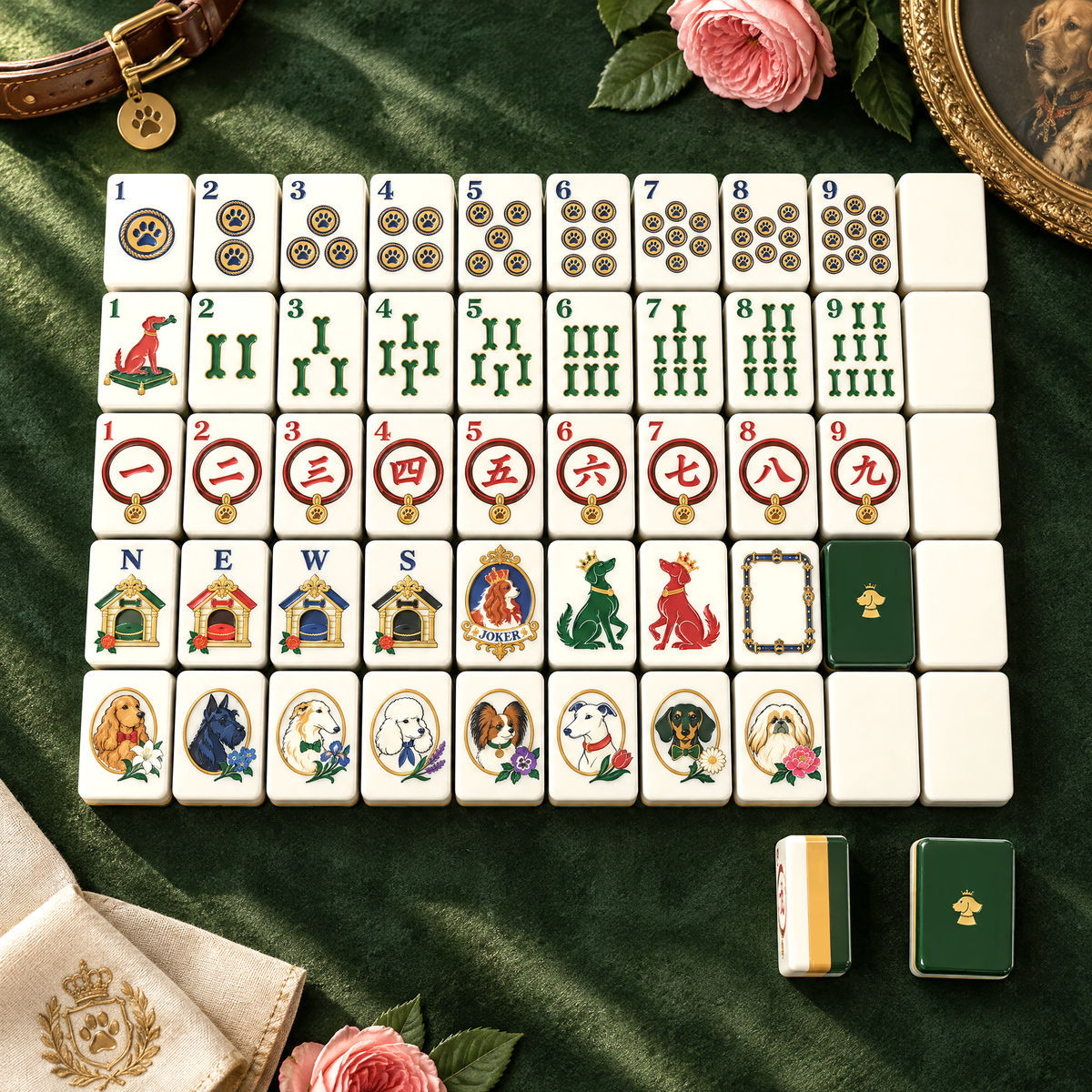
Advanced American mahjong isn't about luck—it's about card reading, hand timing, and position awareness. Strong players track which tiles have been discarded, count remaining jokers, and shift hand targets mid-game based on what others play. The National Mah Jongg League card changes yearly, so the real skill is spotting which hands on the current card are both feasible and uncontested by your opponents' discard patterns. Most improvement happens through weekly play: watch what others throw, remember which hands they chased, and use that memory to anticipate blocked pairs and dead ends.
How do I read what my opponents are chasing?
Every discard tells a story. If East threw a Green Dragon in turn two, she likely isn't building a hand with Green Dragons. If South held a tile for three rounds then threw it, the hand using it just became blocked. The card itself is your map: check which hands use the tiles opponents are avoiding. Hands that require five 1–4 Craks won't show up if opponents dumped three 1 Craks already. Read the card while watching the wall—this is the top skill separating intermediate from strong players.

What is the "shift strategy" and when do I use it?
You start chasing a hand with three pairs exposed; one opponent melds and opens two more jokers, suddenly your hand is unwinnable. Shift immediately. Identify which hands on the card share two of your three exposed melds—expose a new meld from a viable hand, then discard to eliminate competitors. This requires knowing the card cold. Switching at the right moment wins games that looking stuck would lose.
Why do winners track the wall, not just their hand?
The Charleston randomizes tiles, but discard order never lies. When four 5 Bams hit the wall by turn six, no one is building a hand needing 5 Bams. When a player throws 2 Craks on turn three but holds 3 Craks on turn seven, they likely just picked it and are hunting a hand using both. Strong players count: How many jokers have been discarded? How many 1–9 Bams are left? Which pairs haven't appeared? This math predicts what's still in the wall and what hands are mathematically dead.
What's the real advantage of going out early versus slowly?
Fast outs win close games; slow builds win when you're the only one moving. If three opponents are stuck discarding honors, your slow pung-kong-meld strategy will complete before theirs. But if two players are clearly building and one has already exposed heavily, fast out wins. Read the table: are opponents coordinated (all melding) or scattered (safe to slow-build)? Speed your hand accordingly. This feel develops over dozens of games, not hours of theory.
How does position change my tile strategy?
Position matters less in American than Chinese mahjong, but it still shapes psychology. East (dealer) sets tone—she often shifts fastest because she reshuffles. South goes last each round and sees three discards before playing. Use this timing: South should know if a hand is dead before committing tiles; North sees East's full discard row and can read her strategy by turn five. Position teaches you when to accelerate (South early, before the wall fills) and when to wait (North can afford to build longer because South and West have already committed).
Skill | What It Solves | How Often You'll Use It | First Step |
Card cold-reading | Knowing which hands are feasible mid-game | Every turn after turn 2 | Mark the card margin during Charleston |
Discard tracking | Predicting what's still in the wall | Every turn after turn 3 | Keep a small notepad; write tile suit + count |
Shift strategy | Saving dead hands and competing effectively | 3–4 times per session | Practice exposing a meld, reading the card, picking a new target |
Position play | Timing hand development | Every game | Note where you sit and how long opponents usually build |
🀄 Shop best-selling mahjong sets →
Why does the current year's card matter more than strategy books?
American mahjong hands change every spring when the National Mah Jongg League releases a new card. A hand that wins in 2025 may vanish from the 2026 card entirely. Strategy books become outdated. Real mastery means learning how to read the card itself—spotting which hands share pairs, which are one joker away, which use rare tiles. Understanding how to read the mahjong card is the skill that transfers year to year, not memorizing specific hand layouts.

What beginner mistakes kill your odds against strong players?
Holding tiles "just in case." New players keep a 1 Dot hoping it fits something later. Discard it if you don't need it now—strong opponents read your hesitation and know which hands you're chasing. Melding too early. Exposing melds telegraphs your hand and locks you into one target. Wait until you're certain. Ignoring the wall. If 6 jokers are gone and you need 3 more, you're dead; acknowledging this fast and shifting saves your seat. Chasing impossible pairs. If White Soap has appeared four times and you need it for your pair, fold the hand immediately.
How do you build a "flexible hand" that adapts mid-game?
Pick hands that share pairs and melds with other hands on the card. If you expose one pung of 5 Bams, identify five other hands using 5 Bams plus a different pair. If your original pair (say, Red Dragons) gets blocked, you can shift to a hand using the same 5 Bams meld but a Soap pair instead. This takes practice: study the card before play and mark hands sharing large overlaps. Flexible play comes from knowing your "escape routes" before the game starts.
When should you go for quints or sextets versus standard melds?
Quints (5 of a kind) and sextets (6 of a kind) are rare and often block because jokers become precious. Use them when two opponents have already melded heavily and jokers are proven scarce. Go for them if your hand is already half-exposed and shifting is harder than pushing forward. Otherwise, stick to pungs and kongs (3 and 4)—they expose fewer jokers and leave you flexible. Quints win when you're desperate; pungs win when you're patient.
🎁 See our most-loved mahjong sets & accessories →
How do strong players stay calm under pressure?
They separate the game from the result. Every hand is one of 16–20 in an evening; losing one hand doesn't define your night. Pressure comes from chasing every hand and making emotional shifts. Skilled players commit to one target per hand, shift early if it dies, and play the next game fresh. This composure takes weeks to build, but it's the invisible skill that wins over many sessions. Play the same group every week, and you'll feel it click around month two or three.
What's the most-overlooked advanced tactic that wins games?
Pair management. Your pair is hidden; if you're struggling between two pair options, most players guess wrong and get stuck holding both until it's too late. Before melds, decide your pair and protect it mentally. Don't waver between pair options unless the wall itself forces a shift. Solid pair commitment forces opponents to compete for jokers in your melds instead of stealing your pair. Pair discipline wins more games than flashy plays.
What to check before you buy:
Play frequency: Advanced strategy requires weekly games; casual play once a month won't let skills stick.
Set quality: Ensure your tiles are easy to read and consistent. Look at what's in an American mahjong set to understand what you're handling.
The card: You must have the current year's National Mah Jongg League card in front of you during every game.
Rack or mat:Racks with pushers let you organize tiles visibly; a mahjong mat defines your play space and makes tracking easier.
✨ Find your Mahstead set — free US shipping →

FAQ
How long does it take to go from intermediate to strong?
20–30 games of focused play per month for two to three months. Track the wall actively, study the card before each round, and play the same group weekly so you learn their patterns. Speed varies, but consistency beats talent.
Should I memorize the card?
No. Instead, learn the structure: which hands share pairs, which need rare tiles, which are natural progression hands (each meld builds on the last). Structure transfers to next year's card; memorization doesn't.
What if I'm the only one keeping score—how do I know if I'm improving?
Count your wins per session for four weeks. You should see 4–5 wins per 16-hand night as baseline; improving players hit 6–7. Also track how you win: early shifts, efficient pairs, fewer dead hands. The method improves before the count does.
Is keeping a notebook of tiles thrown considered rude?
No. Many strong players jot tile counts and hand notes during the game. It's legal and common in competitive play. Some casual groups discourage it for speed, so ask your table first.
Can I practice these tactics online?
Online versions vary widely. American mahjong requires the official card and live discard observation, which AI doesn't replicate well. Best practice is in-person weekly games with the same group.
Do I need expensive tiles to improve?
No. Any clear, legible set works. What matters is consistency (same group, same card, same night) and focused attention. A simple best-selling mahjong set paired with weekly play beats premium tiles and casual games.


View More
View More
View More
