
Mahjong Groups in Michigan: Where to Play & What to Bring
Last updated: Nov 23, 2026
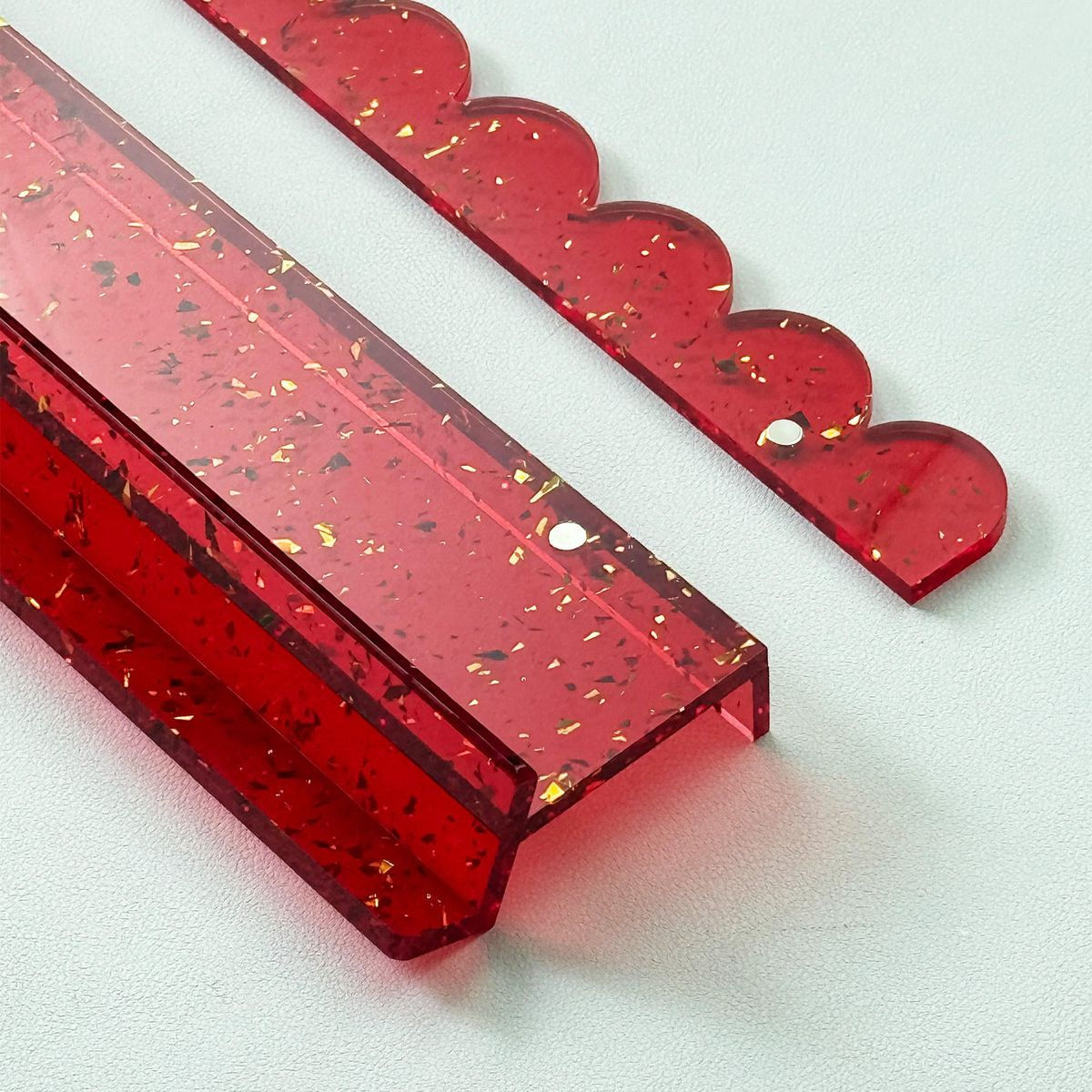
Michigan's mahjong scene clusters around Detroit (especially suburbs with large East Asian populations), Ann Arbor, Grand Rapids, and lakeside retirement communities. Most groups meet weekly through synagogues, community centers, libraries, and country clubs; search Meetup, Facebook groups tagged "mahjong + Michigan," and local senior centers or Asian cultural associations. American mahjong dominates the state, though Chinese and Riichi variants exist in university towns. Groups range from beginner-friendly (teaching the National Mah Jongg League card each spring) to competitive (tournament-style scoring). Hosting at home costs nothing beyond a 160-tile set, mat, and racks; Mahstead engraved sets and travel-friendly mats make regular hosting low-friction. First-time players should bring a notepad, arrive 15 minutes early, and ask the host which variant and card year they're playing—rules differ significantly across American, Chinese, and other traditions. 🀄 Shop best-selling mahjong sets →
Where Do Michigan Players Actually Meet?
Most mahjong happens in informal home groups, but formal meeting spots exist. Check community centers in the Detroit metro—Dearborn, Livonia, and Bloomfield Hills host regular daytime games. University towns like Ann Arbor and East Lansing often have campus clubs or student meetups. Synagogues throughout the state run mahjong nights as fundraisers and social events. Libraries in larger cities sometimes coordinate game groups through their events boards. Country clubs in the northern lake regions (Traverse City, Charlevoix areas) host mahjong as part of seasonal social programs. Start your search by calling the library reference desk or checking community center bulletin boards, not just online.

How Do I Find a Group That Matches My Skill Level?
Beginners and experienced players rarely mix comfortably in the same game. If you're new, look for groups explicitly offering "learn-to-play" sessions—they teach the Charleston, hand reading, and scoring without pressure. Intermediate players want consistent opponents who know current-year National Mah Jongg League card patterns and can spot a pair quickly. Competitive groups often announce handicaps or skill tiers upfront. Ask the host directly: "Is this group teaching new people this season?" or "What's the average player experience here?" Honest hosts will tell you whether you'll spend three hours stuck while others play fast. Michigan groups typically reset skill levels each spring when the new NMJL card drops; that's an ideal entry point for beginners joining an established circle.
What's the Difference Between American, Chinese, and Other Mahjong Rules?
American mahjong, the regional standard, uses 152 tiles and only hands published on the annual National Mah Jongg League card—no improvised hands allowed. Games involve the Charleston (tile-passing ritual before play) and jokers that can substitute for most tiles. Chinese mahjong uses fewer tiles, allows hand improvisation, and plays differently each round based on winner selection. Riichi mahjong (Japanese) centers on waiting hand patterns and melds opened during play. Hong Kong variants mix melding rules with speed. Most Michigan groups play American by default; if you join a new group, ask in the first five minutes which tradition they follow, because the rules, scoring, and equipment differ substantially. Learn the full American system here.
🎁 See our most-loved mahjong sets & accessories →
Should I Host Games at Home, and What Do I Need?
Hosting weekly games at home is low-cost and builds lasting friendships. You need four chairs, a table (28–36 inches high works best), a 160-tile set, a mat to protect the playing surface, racks with pushers to hold and organize tiles, and ideally a scoring pad or app. The mat prevents tile scratches and makes shuffling quieter—important if neighbors are nearby. Racks with pushers let players organize their hand without constant fumbling, speeding up play and reducing misdeals. A good travel bag keeps your set protected between games; many Michigan hosts rotate hosting duties, so portability matters. Start with one clear, well-lit game per week; regulars will self-organize cleanup and snack rotation. Hosting costs zero dollars if you borrow equipment first, then invest gradually—browse our best-selling collections to find a durable acrylic set and mat that fits your table and style.

What Should New Players Know Before Joining a Michigan Game?
Arrive early and introduce yourself to the host—ask if you can watch one hand before playing to see the pace and style. Know that American mahjong requires the current-year card; if you don't have one, the host will have spares or lend you one during play. Bring a pen and paper to track scoring (scoring varies by locality; ask how your group handles it). Never touch tiles in someone else's hand or exposed melts. If you're unsure whether a hand is legal, ask before anyone reveals—stopping mid-hand to verify tiles slows everyone down. Mahjong is social first: conversation, snacks, and casual banter matter as much as winning. Most Michigan groups welcome new players if you arrive on time, stay for the full game, and treat the tiles respectfully. Check our guide to reading the card before your first session to spot legal hand patterns faster.
Comparison: Hosting Setups by Group Size
Setup | Players | Best For | Equipment | Key Tip |
Casual home game | 4–8 rotating | Beginners, regulars | Set + mat + racks | Keep rotating hosts to share burden |
Fixed weekly group | 4 (core) | Skill building | Set + mat + racks + scorecards | Invest in quality acrylic; it lasts years |
Tournament-style | 4–20+ | Competition | Multiple sets, timers, scoresheets | Engraved sets reduce disputes over tile condition |
Lakeside summer | 4–6 | Social, seasonal | Portable travel bag + lightweight mat | Protect against sun/moisture; store indoors |
What to Check Before You Buy or Join
Card year: Confirm the group is using 2026 (or the current year's) National Mah Jongg League card—older cards have different hands.
Game pace: Watch or ask how long a typical round takes; some groups finish in 45 minutes, others in two hours.
Joker rules: Verify whether the group allows jokers in pairs or limits them (American rules forbid jokers in single-tile waits).
Scoring system: Some Michigan groups use NMJL official scoring; others use local house rules—ask before money or prizes are involved.
Tile condition: If joining an established group, ask how old their tiles are; worn tiles are harder to read and can cause disputes.
Accessibility: Check parking, restroom proximity, and whether the table height accommodates players with mobility concerns.
✨ Find your Mahstead set — free US shipping →
Getting Started: A Simple Three-Step Checklist
Week 1: Find Your Group Search "mahjong + [your city]" on Meetup and Facebook. Call your local library or community center and ask the events coordinator. Text three acquaintances who mention mahjong and ask for a phone number or meetup link.
Week 2: Learn the Basics Download or print the current National Mah Jongg League card. Watch a five-minute video on the Charleston so you're not confused on day one. Read this mahjong for beginners guide to understand tile names, hand structure, and what makes a legal hand.
Week 3: Join and Observe Arrive 15 minutes early. Watch the first game. Ask one clarifying question each round (e.g., "Why is that hand not legal?"). Play if invited; pass if overwhelmed—most groups are patient with newcomers.
Why Michigan Mahjong Is Growing
Michigan's mahjong community has deepened as retirees rediscover the game, university students encounter it through cultural clubs, and pandemic-era home hosting created new regular groups. The state's strong East Asian communities (particularly in the Detroit metro) maintain continuous American mahjong traditions. Lakeside towns attract seasonal players during summer. Unlike national tournament circuits, Michigan's scene is hyperlocal—your group is probably within 30 minutes of your home, and hosting is genuinely affordable. Explore our mahjong mats and racks to lower the barrier to starting your own circle.

FAQ
Do I need to buy my own mahjong set to join a Michigan group?
No. Most established groups have a shared set or multiple sets at the host's house. Borrow for your first 2–3 games, then decide whether to invest your own. If you host later, one durable 160-tile set from our best-selling collection lasts for years.
What's the cost to join a Michigan mahjong group?
Zero dollars. Home groups never charge. Some synagogues or community centers might request a small donation ($3–5) to support the space or snacks, but it's entirely optional. Competitive tournaments or league memberships may have entry fees, but casual groups are free.
Can I play mahjong online instead of in person in Michigan?
Yes, but experienced Michigan players say in-person games teach you faster and build real friendships. Online platforms exist but lack the tactile rhythm of shuffling, calling tiles, and reading other players' energy. Try one or two online games first if you're shy, then join a group in person.
How often do Michigan groups meet?
Most established groups meet weekly, usually on the same day and time (e.g., Tuesday afternoons or Thursday evenings). Some seasonal groups pause in summer. Ask the host about their schedule before joining—consistency matters if you want to build skill and relationships.
What if I live in a rural Michigan area with no nearby groups?
Start your own. One 160-tile acrylic set, a mat, and four friends is all you need. Post on local Facebook community boards, library bulletin boards, or ask at the senior center if anyone else plays. Many Michigan groups began as single host inviting neighbors. Our durable mahjong sets are designed for home hosting and ship free across the US.


View More
View More
View More
