
American Mahjong vs. Mahjong: Competition Rules Differences
Last updated: Nov 23, 2026
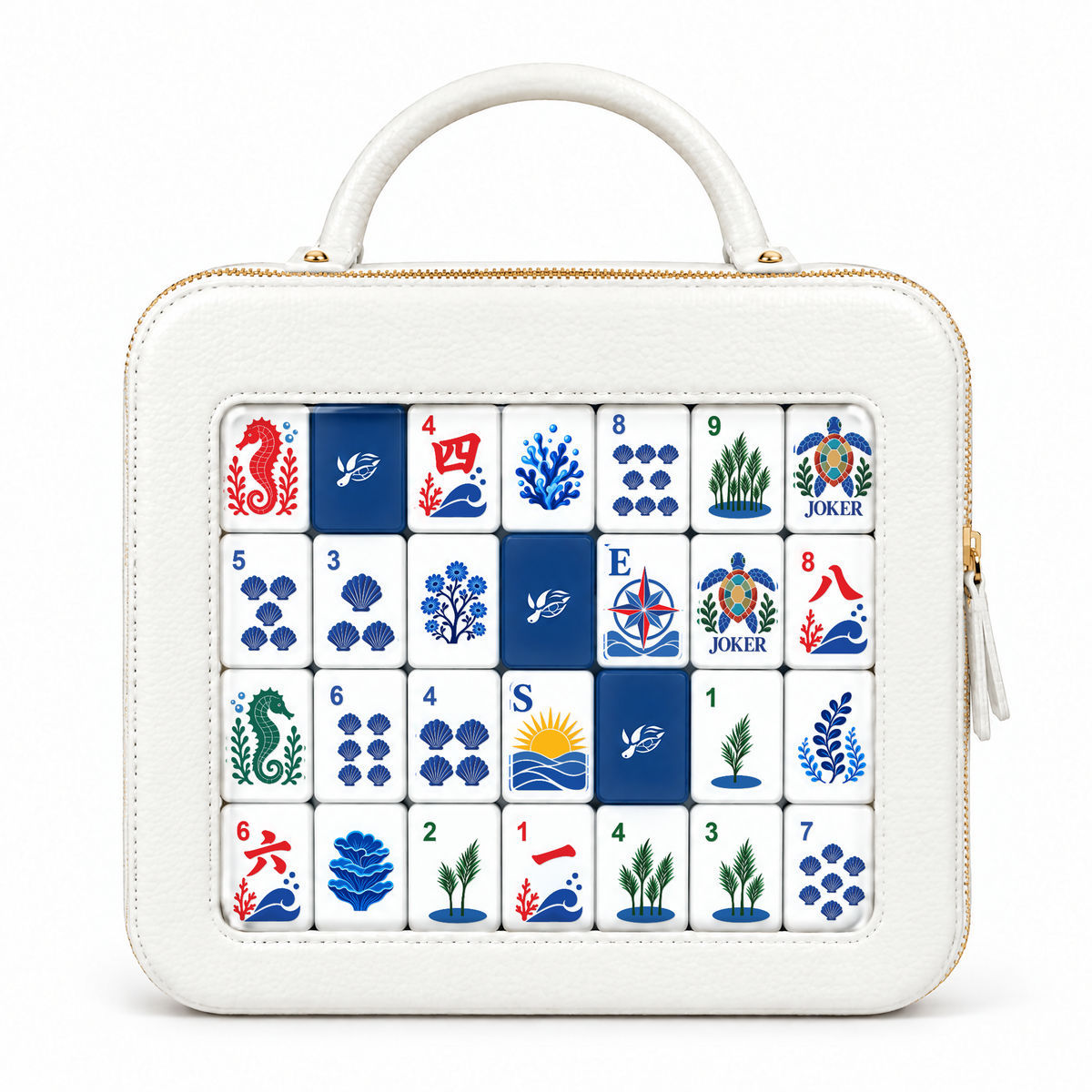
American mahjong uses 152 tiles (108 from three numbered suits, 16 winds, 12 dragons, 8 flowers, 8 jokers) and requires hands only from the current-year National Mah Jongg League card; you may expose only pungs (3), kongs (4), quints (5) and sextets (6) of identical tiles, and jokers cannot form a single tile or pair. Chinese and Hong Kong variants use 144 tiles with sequences (chows: 1-2-3, 4-5-6, etc.) that can be called and exposed; Riichi mahjong uses 136 tiles, four players, and a closed hand with hidden melds until completion. The core difference: American mahjong is played from a published card of legal hand patterns each season, while other variants allow players to build any combination meeting their suit and honor rules—making American mahjong more restrictive but standardized across clubs and tournaments.
American mahjong and other global variants share a name and tile colors, but they're distinct games. Before joining a club, hosting a weekly game, or buying your first best-selling mahjong sets, you need to know which rules your group plays—because switching mid-hand isn't an option.
What tile counts do American mahjong and other variants use?
American mahjong is always 152 tiles: 36 Bams, 36 Craks, 36 Dots (108 numbered tiles total), 16 winds (four each: North, East, West, South), 12 dragons (four Red, four Green, four White), 8 flowers, and 8 jokers. Chinese mahjong uses 144 tiles (no flowers, only four jokers or none). Hong Kong uses 152 tiles but different flower and honors rules. Riichi mahjong uses 136 tiles. The math matters because a game stops when tiles run out—use the wrong set size and your endgame breaks.

Can you call and expose chows in American mahjong?
No. American mahjong forbids sequences (chows: e.g., 3-4-5 Dots) entirely—you may never call or expose them. You may only expose pungs (three identical tiles like three 5 Bams), kongs (four identical), quints (five identical) and sextets (six identical). Chinese, Hong Kong, and Riichi mahjong all permit calling and exposing sequences. This single rule makes American hands look different on the table: you'll see clusters of identical tiles, not runs. It's why American sets often feature clearer tile imagery—runs aren't part of the pattern vocabulary.
How do jokers work differently?
In American mahjong, jokers substitute for any tile in an exposed pung, kong, quint, or sextet, but a joker can never form a single tile by itself or count as one half of a pair—ever. Chinese and Riichi variants treat jokers more loosely (or not at all in classical Riichi). This constraint forces American players to hoard jokers strategically; losing one joker mid-game feels real. Beginners often misplay by using a joker carelessly early on.
What defines a legal hand in each variant?
American mahjong hands come only from the current National Mah Jongg League card, issued each spring. The card lists hundreds of legal hand patterns (e.g., "Pung-Pung-Pung-Pung-Pair," or "Kong-Pung-Pung-Pung-Pair") and specifies which suits and ranks fit each. You win by completing any pattern on the card from your draw. Chinese, Hong Kong, and Riichi variants allow any hand meeting their basic rules (e.g., "four melds plus a pair, no sequences duplicated, all pungs in Riichi")—no card required, infinite patterns possible. This is why American mahjong feels more like pattern-matching and less like open-ended construction.
How does exposure and table play differ?
American mahjong exposes melds as you build them; an exposed pung stays on the table for all to see, and you feed tiles to it afterward. Chinese and Hong Kong variants have complex rules about when and how you can expose—some allow "open" play where most melds are hidden until win, others use "mixed" exposure. Riichi mahjong is almost entirely hidden: your hand stays closed until you win (concealed hand bonus). On the American table, you can read the board immediately, adjust your strategy, and know roughly what your opponents hold. In Chinese or Riichi, information is tighter, reading harder, strategy deeper.

What about hand-building and the Charleston?
American mahjong starts with a ritual exchange called the Charleston: before the first deal, players pass tiles right, left, and across to randomize opening hands. No other variant does this. After the Charleston, you draw and discard in rotation. Chinese mahjong deals 13 tiles per player; Riichi deals 13 and one draw to East. American deals 13 and then draw-discard occurs. The Charleston is pure American—it's a famous (and sometimes slow) part of the ritual.
Aspect | American | Chinese | Hong Kong | Riichi |
Total tiles | 152 | 144 | 152 | 136 |
Chows/sequences | No | Yes | Yes | Yes |
Jokers | 8 (strict rules) | 0–4 | 0–4 | 0 (rarely) |
Hand patterns | From annual card | Any (rules-based) | Any (rules-based) | Any (rules-based) |
Exposure | Melds exposed as built | Mixed or hidden | Mixed or hidden | Hidden until win |
Ritual start | Charleston (tile pass) | Direct deal | Direct deal | Direct deal |
Winner type | Self-drawn or called | Self-drawn (bonus) | Self-drawn or called | Usually self-drawn |
Scoring | Point system (card-based) | Point system (varied) | Point system (varied) | Meld-based (hands) |
American mahjong is the most formulaic: you follow a card, no improvisation. It's why American games appeal to players who love pattern recognition, rule adherence, and consistent weekly play. Other variants reward reading opponents, remembering discards, and improvising—entirely different skills.
🀄 Shop best-selling mahjong sets →
What setup and tiles do you actually need?
For American mahjong, you need exactly 152 tiles plus 8 jokers (160 total in a play set). A best-selling mahjong set includes all of this; many come with spare jokers and blank tiles for replacement. For Chinese, Hong Kong, or Riichi, your tile set must match that variant (144 or 136 tiles with the right honor distribution). Buying the wrong tile count is the fastest way to wreck a first night. If your group doesn't tell you the variant upfront, ask before you order.
Hosting American mahjong weekly? You'll want a mat to define the table, racks with pushers to hold and organize tiles, and a travel bag if you're rotating homes. Chinese or Riichi games often use racks too, but your mat choice and organization will feel different—less need for pusher guides in some variants.
What common mistakes should you avoid?
Playing American hands from a non-American card: The National Mah Jongg League card changes annually. If you play last year's hand patterns, you won't match a new year's legal set. Always check the season.
Mixing tile sets: Don't swap tiles between a 152-set and a 144-set mid-game. The counts won't match the draw.
Exposing sequences in American mahjong: If you call "chow" at an American table, you'll be corrected immediately. Sequences don't exist in American rules.
Using jokers in a pair or single: The rule is absolute—jokers cannot form a pair by themselves in American mahjong. Breaking this invalidates your win.
Assuming all "mahjong" rules are the same: They aren't. A beginner from a Chinese-playing family might spend weeks confused at an American club. Clarify first.
Where do you find the right game?
Search your local community center, library, synagogue, country club, or meetup boards for "mahjong" + your city. Most established groups will state their variant clearly (American Mah Jongg League, Chinese, Riichi, etc.). If no one answers, call ahead and ask directly: "Do you play American or another variant?" Once you know, you're ready to buy or borrow a set and show up.
🎁 See our most-loved mahjong sets & accessories →
What to check before you buy
Which variant does your group play? Never guess. Ask three times if needed.
Do you need 152 tiles (American) or 144/136 (other)? Wrong count = wrong game.
How many jokers come with the set? American play requires 8 jokers; count your set's spares.
Do you need a mat, racks, or bag? Hosting regularly? These ease setup and protect tiles.
Is the tile face clear enough to read? American mahjong requires fast tile recognition during play—test the print quality.
✨ Find your Mahstead set — free US shipping →

FAQ
Can I play American mahjong rules with a 144-tile set designed for Chinese mahjong?
No. American mahjong requires 152 tiles—108 numbered tiles, 16 winds, 12 dragons, and 8 flowers. A 144-tile set is missing flowers and tiles, so draws will end early and your hand patterns won't align with the National Mah Jongg League card. Always use a 152-tile set for American play.
Is "calling" a meld the same in all mahjong variants?
No. In American mahjong, you can only call and expose pungs, kongs, quints, and sextets of identical tiles. Chinese, Hong Kong, and Riichi allow calling sequences (chows). If you call a sequence at an American table, it's not valid—American has no chows.
Do all mahjong games use jokers?
No. American mahjong uses 8 jokers as wild tiles (with strict rules). Chinese mahjong traditionally uses no jokers; some modern house rules add them. Riichi mahjong rarely uses jokers. Always verify your variant's joker rules before play.
How long does a game take in American vs. Chinese mahjong?
American games typically run 30–60 minutes per hand, depending on skill level and the Charleston ritual at the start. Chinese games vary widely (15–90 minutes) based on how many hands you play and whether you use betting. Riichi games are often shorter (15–30 minutes per hand) due to the smaller tile set.
What does the National Mah Jongg League card actually contain?
The card, issued each spring, lists hundreds of legal hand patterns in sections grouped by rank, suit, and meld type (e.g., "Pung-Pung-Pung-Pung-Pair" or "Kong-Pung-Pung-Pung-Pair"). Each pattern specifies which tiles (Bams, Craks, Dots, winds, dragons, flowers) fit legally. You win by matching any one pattern from your hand. Without the current card, you cannot play American mahjong legally.
If I'm a beginner, which variant should I learn first?
If your local group plays American, start there—the card constraint and exposure rules make it more predictable for newcomers. If you have family who plays Chinese or Riichi, learn their variant. Don't try to learn two at once; the rule conflicts will confuse you.


View More
View More
View More
