
Mahjong Groups in Massachusetts: Where to Play & Learn
Last updated: Nov 23, 2026
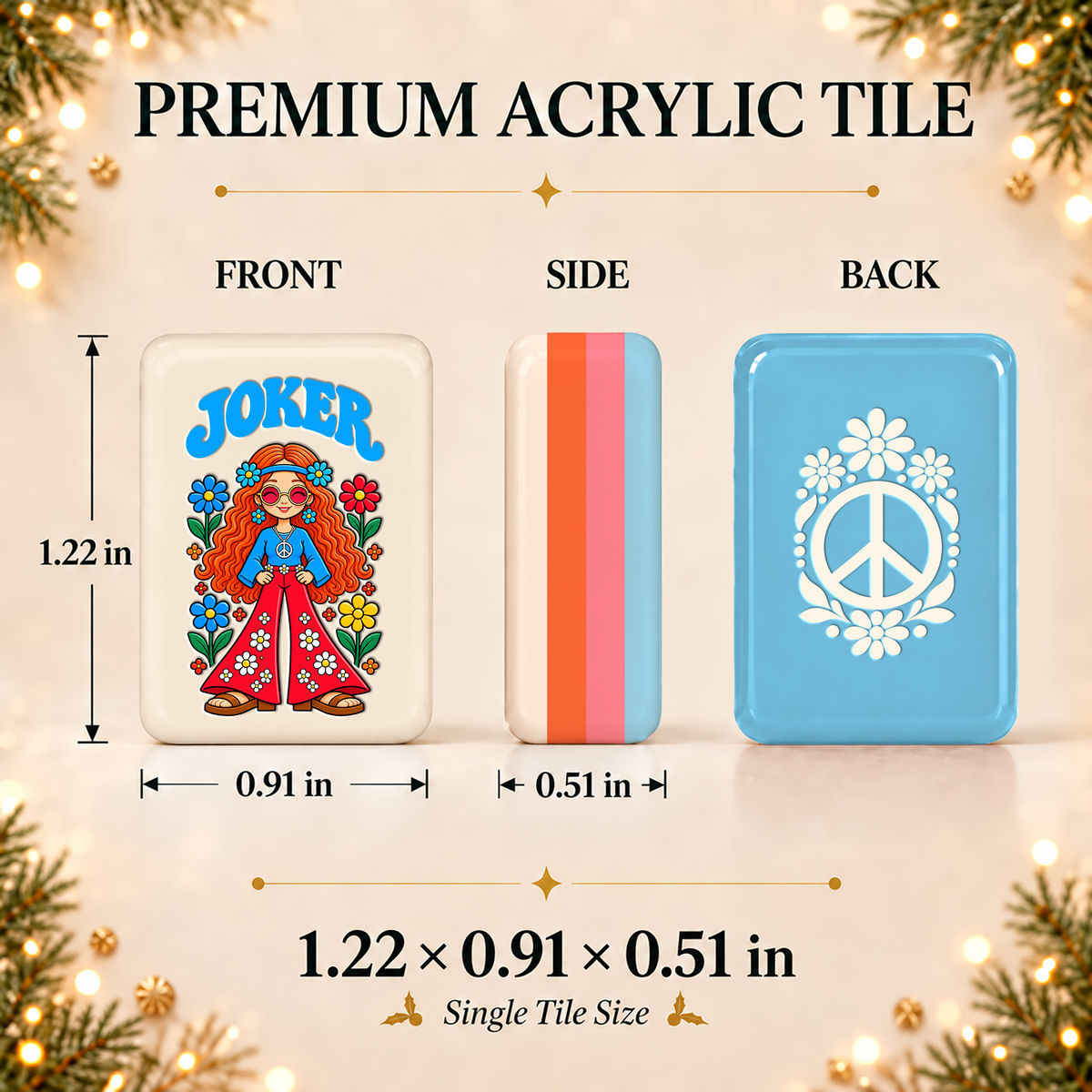
Massachusetts mahjong groups meet year-round in community centers, synagogues, libraries, country clubs and private homes across the state. The strongest clusters are in the greater Boston area (Cambridge, Newton, Brookline), Worcester, and parts of the South Shore. Most groups play American mahjong with the current National Mah Jongg League card, meet weekly or biweekly, and welcome beginners alongside veterans. To find a group: search Meetup and Nextdoor by neighborhood; call local Jewish community centers and senior centers; ask at libraries—many post game schedules. Expect a friendly, skill-mixed table where players range from casual to competitive. Games last 2–4 hours, typically include four players (though some groups rotate), and cost nothing or a small voluntary contribution for refreshments. New players should learn how to play American mahjong before joining to avoid slowing the table; most groups offer a quick refresher. If you can't find a group nearby, hosting your own starts with our best-selling mahjong sets—acrylic tiles, a mat, racks and a current-year card. 🀄 Shop best-selling mahjong sets →
Where do most Massachusetts mahjong groups meet?
Community centers, libraries, senior centers and synagogues host the majority of open play in Massachusetts. Country clubs, especially in affluent suburbs, often have long-standing groups that welcome new members. Private homes are another common venue—once you join a community, regulars invite you to weekend games. Boston-area groups are easiest to find; Worcester and Springfield have smaller but active scenes. Call ahead: many groups require registration or have skill levels, and some meet seasonally rather than year-round.

How do I find a group near me?
Start with Meetup.com and Nextdoor—search "mahjong [your town]" or nearby towns. Many Massachusetts groups post schedules and contact info there. Call your town or county recreation department for listings of classes or game sessions. Libraries and senior centers often host games and can direct you to private groups. Jewish community centers across the state are reliable hubs; you need not be a member to attend many. Ask neighbors or coworkers; word-of-mouth is how most casual groups stay connected. If nothing exists locally, consider starting a group yourself—we see plenty of new hosts begin with a mat, a set and four friends.
What skill level do I need to join?
Most groups accept absolute beginners and advanced players at the same table. Expect a few minutes of table explanation before your first game; regulars are patient with new players learning the Charleston and how to read the card. Some groups have "beginner nights" or recommend you watch a game first. The best approach: tell the host or caller you're new, ask what to expect, and show up early to observe. You'll pick up the rhythm in one or two games—mahjong has a learning curve, but not a wall. Many new players are nervous; hosts know it and plan for it.

What should I bring or know before my first game?
Arrive 10–15 minutes early with an open mind and cash (though most groups are free). Bring a notebook if you like; regulars jot down scoring or winning hands. Wear comfortable clothes—games last 2–4 hours and you'll be reaching across the table. Know the suit names (Bams, Craks, Dots) and basic hand types; read our mahjong for beginners guide beforehand. Have a phone with Meetup or the group's contact info in case you're late. Do not apologize for being slow or asking questions—good groups expect it. Avoid bringing a personal set unless invited; groups usually provide tiles. If you commit to weekly play, eventually you'll want your own engraved set for home games.
Can I start my own mahjong group in Massachusetts?
Absolutely. Many of our players in Massachusetts host weekly or monthly games at home, at libraries or in rented community spaces. Here's a simple checklist:
Find your four players: Friends, neighbors, coworkers or Meetup posts. New to mahjong? Host a teaching game; most people pick it up in one session.
Choose a regular day and time: Consistency helps people commit. Weekday evenings (7–9 p.m.) or Sunday afternoons are common.
Get a complete mahjong set: You need exactly 152 tiles plus 8 jokers, a mat, racks with pushers, and a current-year National Mah Jongg League card. Acrylic tile sets are durable, easy to read and ship free across the US.
Order a mat and racks if you don't have them: A mat protects your table and keeps tiles organized; pushers let everyone reach the wall. These are nearly essential for home games.
Print the current league card or ask players to bring theirs: You cannot play legally without the current year's card.
Set house rules: How much time per turn? Do you score after each hand or track cumulative points? Are interruptions okay? Clear rules prevent friction.
Make it social: Snacks, drinks and chat are half the fun. Players will return for the company as much as the game.
Setup Item | Purpose | Why It Matters | What Mahstead Offers |
160-tile acrylic set | The tiles and jokers | Durable, readable, includes spares | Best-selling sets in multiple designs |
Felt or vinyl mat | Board protection & organization | Keeps tiles clean, muffles noise, defines the wall | |
Racks with pushers | Tile management for four players | Keeps your hand hidden, lets you reach the wall easily | |
Current-year card | Legal hand reference | Rules change; old cards invalidate hands | Available in most game stores; check the National Mah Jongg League |
Dice | Wall selection | Randomizes where the wall is broken | Usually included with quality sets |
🎁 See our most-loved mahjong sets & accessories →
What to check before you buy or host
Does your set have 152 playing tiles plus 8 jokers? Count before play; missing tiles ruin the game.
Is your mat large enough for four people comfortably? Cramped tables cause tension and misplay.
Do your racks have pushers? Without pushers, reaching the wall across a full table is awkward and risky.
Do you have this year's card, not last year's? The card changes annually; old hands are no longer valid. Check the card's edition date or ask your group.
Are your tiles acrylic, bamboo or bone? Acrylic is most durable for frequent home play; bamboo and bone are heavier but beautiful. All work equally well.
✨ Find your Mahstead set — free US shipping →

FAQ
Is mahjong popular in Massachusetts?
Yes. Boston, Cambridge, Newton and Worcester have active groups. Many seniors and millennials play weekly. Jewish community centers across the state host regular games. The New England climate keeps indoor social games popular year-round. Start with Meetup or your town recreation office.
Can I play American mahjong or only Chinese mahjong in Massachusetts?
American mahjong (with the National Mah Jongg League card and 152 tiles) dominates Massachusetts groups. A few players enjoy Chinese or Hong Kong variants, but almost all public games are American. New players should learn American rules to integrate easily.
Do I need to own a mahjong set to play in a group?
No. Groups provide tiles. But if you host or play weekly, owning a set is convenient. Our best-selling sets are affordable and ship free across the US, so many new players buy one within a few months.
How much does it cost to join a mahjong group?
Most Massachusetts groups are free or ask a small voluntary contribution (a few dollars) for snacks or venue rental. No ongoing fees. Home games are typically free among friends or may include a pot for refreshments.
What happens if I'm too slow or don't know the rules?
Good groups are patient. You'll learn by watching and playing. Tell the host you're new; they'll give you a quick orientation. If a group is impatient or unfriendly, try another—communities vary. Most Massachusetts players welcome newcomers warmly.
Should I invest in an engraved set for my first game?
Not necessary to start. Play at an open group for a few weeks first. If you love it and want to host or gift a set, our engraved designs make a personal statement. Casual players can use a standard set forever and be happy.


View More
View More
View More
