
Mahjong Groups in Florida: Find & Join a Weekly Game
Last updated: Nov 23, 2026
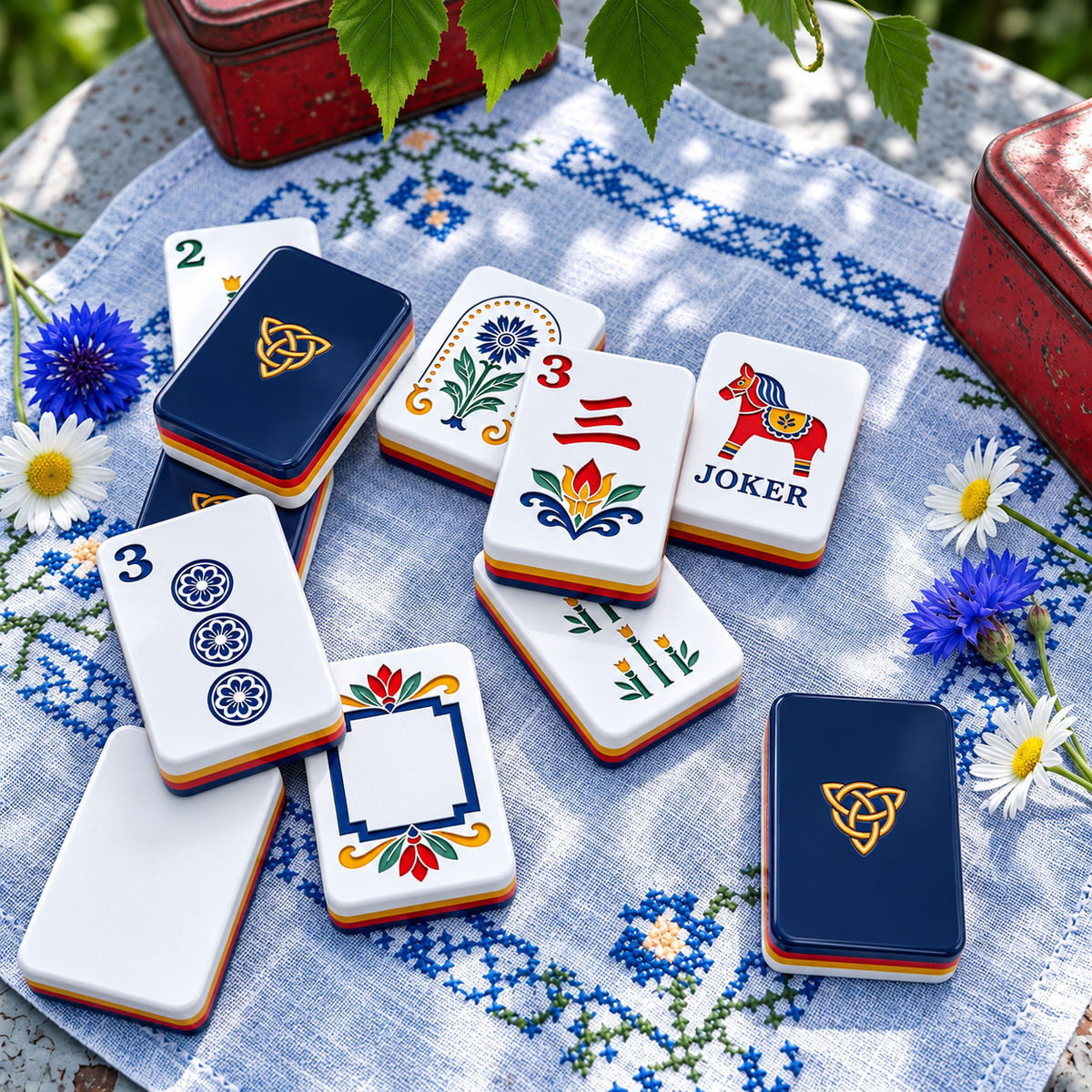
Florida's mahjong scene spans retirement communities, synagogues, community centers, libraries, and country clubs in Miami, Tampa, Orlando, Jacksonville, and Palm Beach. Most groups play American mahjong on Thursday or Friday afternoons, with games lasting 2–4 hours; entry typically involves a small buy-in for the pot and occasional refreshments. Start by calling your local library reference desk, searching "mahjong" on community center websites, or checking Meetup boards for your city. Bring cash for the pot, learn the basic hand patterns from the current year's National Mah Jongg League card (available free online), and know that most groups welcome beginners—many host teaching tables.
Where do Florida mahjong groups actually meet?
The largest concentrations are in retirement-focused communities (Sarasota, Boca Raton, The Villages), but active games happen in every urban area. Libraries often host drop-in tables or bulletin boards with group contacts; community centers list classes and clubs on their websites. Synagogues (especially in South Florida) frequently sponsor weekly games. Country clubs and women's clubs sometimes maintain private mahjong nights. The fastest way to find a local group is to call your city's Parks & Recreation department and ask for mahjong contacts—staff usually know the regular players or host locations.

What's the cost to join a Florida mahjong group?
Entry fees vary by group and pot style. Most games use a "chicken fund" model: players pay a small amount per game (typically enough for refreshments and the prize pool). Some groups charge a seasonal membership; others charge per session. Ask the group organizer upfront whether you pay per game, per month, or per year. Many teaching groups are free or ask only for a small donation. Never assume; groups differ widely. Budget for casual supplies: the pot buy-in, perhaps snacks, and eventually your own set if you join regularly.
How do I choose between groups—teaching vs. experienced?
Not all Florida groups welcome absolute beginners equally. Compare them by time commitment, skill level, and vibe.
Group Type | Time | Best For | Learning Curve | Social Feel |
Teaching/beginner | 6–8 weeks | New to mahjong | Structured, slow | Welcoming, instruction-heavy |
Drop-in casual | Open, 2–4 hrs/week | Learning by play | Steep, hands-on | Friendly, mixed skill |
Competitive league | Season | Intermediate+ | Assumed knowledge | Results-driven, formal |
Retirement community | Twice weekly | Retirees, long-term | Varies | Social, community-centered |
Ask the organizer: "Do you teach absolute beginners?" and "What's the average player's experience?" If they say "most people already know the card," you might want a teaching group first. Learning the game foundations before joining makes your first games less stressful.
🀄 Shop best-selling mahjong sets →
What should I bring to my first Florida mahjong night?
Arrive with these essentials: cash for the pot (ask ahead how much), the current year's National Mah Jongg League card (printed free from the League website), pen and paper for scoring, reading glasses if you need them, and a notebook for notes. Don't bring your own set to a group's first meeting—they provide tiles. If you're serious and return weekly, owning a personal set shows commitment and lets you practice at home. Understanding how American mahjong tile racks with pushers work helps you stay organized during play and speeds up your game.
Most Florida groups play with standard acrylic tiles on a felt or rubber mat. Bring water; these games go long and concentration is real. Dress comfortably—groups often play in climate-controlled rooms for 2–4 hours straight.

How fast can you actually learn before joining a group?
Honest answer: 3–6 hours of study before your first group game is enough to participate without slowing the table down significantly. Learn these first:
Tile names and values: the three suits (Bams, Craks, Dots numbered 1–9), winds, dragons, flowers, and jokers—their roles in hands.
American-specific rules: exposed sets (pungs, kongs, quints, sextets only—no chows), the Charleston tile-passing ritual, how jokers work, and that only current-year League card hands are legal.
How to read the League card: sections, notation, pattern categories. Most new players spend the first 2–3 games simply identifying valid hands on the card.
The winning combination: you need exactly 14 tiles in one hand structure from the card—no wild/house rules in official play.
How to read the mahjong card is a standalone skill worth practicing. Watch one full game before playing if possible; most groups allow observers.
🎁 See our most-loved mahjong sets & accessories →
What mistakes do new Florida players make in their first month?
Not carrying the current League card—hands change every spring; old cards are illegal. Download or print the free PDF from the National Mah Jongg League website.
Treating it like Solitaire—American mahjong is competitive; you're racing three other players and calling "mah jongg" the moment you complete a valid hand. Speed matters.
Assuming house rules are universal—Florida groups may vary on rules for dead tiles, wall calls, or penalty scoring. Ask before play starts.
Buying a set too soon—attend 4–5 games first. You may find the group's style, pace, or tile size doesn't suit you.
Neglecting the discard strategy—new players throw dangerous tiles (ones other players might need for their hand). Learn to read the game before your third week.
Most groups are forgiving with newcomers, but these mistakes will slow the table and frustrate more experienced players.
What to check before you buy a mahjong set for Florida play
If you decide to buy after your first few games, verify these points:
Tile size: Standard American tiles are 1¼" wide. Ask your group what size they prefer—some prefer larger tiles for aging eyes.
Set count: American mahjong uses exactly 152 tiles + 8 jokers for legal play. A 160-tile acrylic set contains the full playing set plus spare tiles.
Acrylic vs. bone/bamboo: Acrylic is loud (good for announcing melds), lightweight, and durable for travel. Bone and bamboo are traditional and quieter but more fragile.
Carrying case: If you'll transport your set weekly, a padded mahjong bag or case protects tiles and keeps everything together.
Racks and pushers: Many Florida players use pushable racks to organize their tiles and announce melds cleanly.
Buy local if a store in your city stocks sets, so you can inspect tile size and feel. If ordering online, check the return policy.
✨ Find your Mahstead set — free US shipping →
How to Find Your First Group: A Step-by-Step Checklist
Call your library's reference desk ("Do you have mahjong groups or contacts?")
Search your city + "Parks & Recreation" website for community center classes or club listings
Visit Meetup.com and filter by "mahjong" for your ZIP code
Search "[Your City] synagogue + mahjong" if you have a synagogue affiliation
Ask staff at a local senior center (they know the regulars)
Confirm the game date, time, location, and buy-in amount before attending
Download the current National Mah Jongg League card (free PDF) and study 3–4 hand patterns
Attend as an observer first if the group allows; watch one full game
Show up 15 minutes early your first week—you'll meet organizers and ask clarifying questions
Join the group's phone chain or email list for schedule updates and cancellations

FAQ
Can I play American mahjong if I've only played Chinese mahjong before?
Some skills carry over (recognizing suits, reading opponents). But American mahjong has no chows (sequences), uses a League card for legal hands only, plays with exactly 152 tiles, and includes the Charleston tile-passing ritual—all unique to the American game. Plan 2–3 weeks to adapt.
Is there a mahjong league or tournament circuit in Florida?
The National Mah Jongg League sanctions official tournaments and groups nationwide. Check the League website for Florida-based sanctioned clubs and annual tournament dates. Many retirement communities and clubs host their own local competitions.
Do I need my own set to join a group, or does the group provide tiles?
Groups provide tiles for play. You only need your own set if you join regularly (weekly or more) and want to practice at home or carry a consistent, familiar set. Many players borrow or use the group's shared sets for months before buying.
What if I can't find a beginner group in my Florida city—can I start one?
Yes. Organize a teaching group by booking a community center room, inviting interested players via Meetup or your library, and recruiting one experienced player to teach rules and card reading the first 4–6 weeks. Most libraries will post flyers free.
How much does a good mahjong set cost, and is it worth it for casual play?
See current price on our product pages. A functional set lasts decades if cared for, so if you play weekly, it pays for itself in 1–2 years versus borrowing or renting. If you play casually (once or twice a month), the group's shared set is usually enough.
What's the difference between American and other variants I might find in Florida?
American mahjong (what Florida groups play) uses a League card to define legal hands, includes exactly 152 tiles, and requires calling your hand before drawing. Chinese, Hong Kong, and Riichi mahjong have different tile counts, hand rules, and scoring. Ask any group upfront: "Do you play American mahjong rules?" to confirm.


View More
View More
View More
