
Mahjong Groups in Alabama: Finding & Starting Your Game
Last updated: Nov 23, 2026
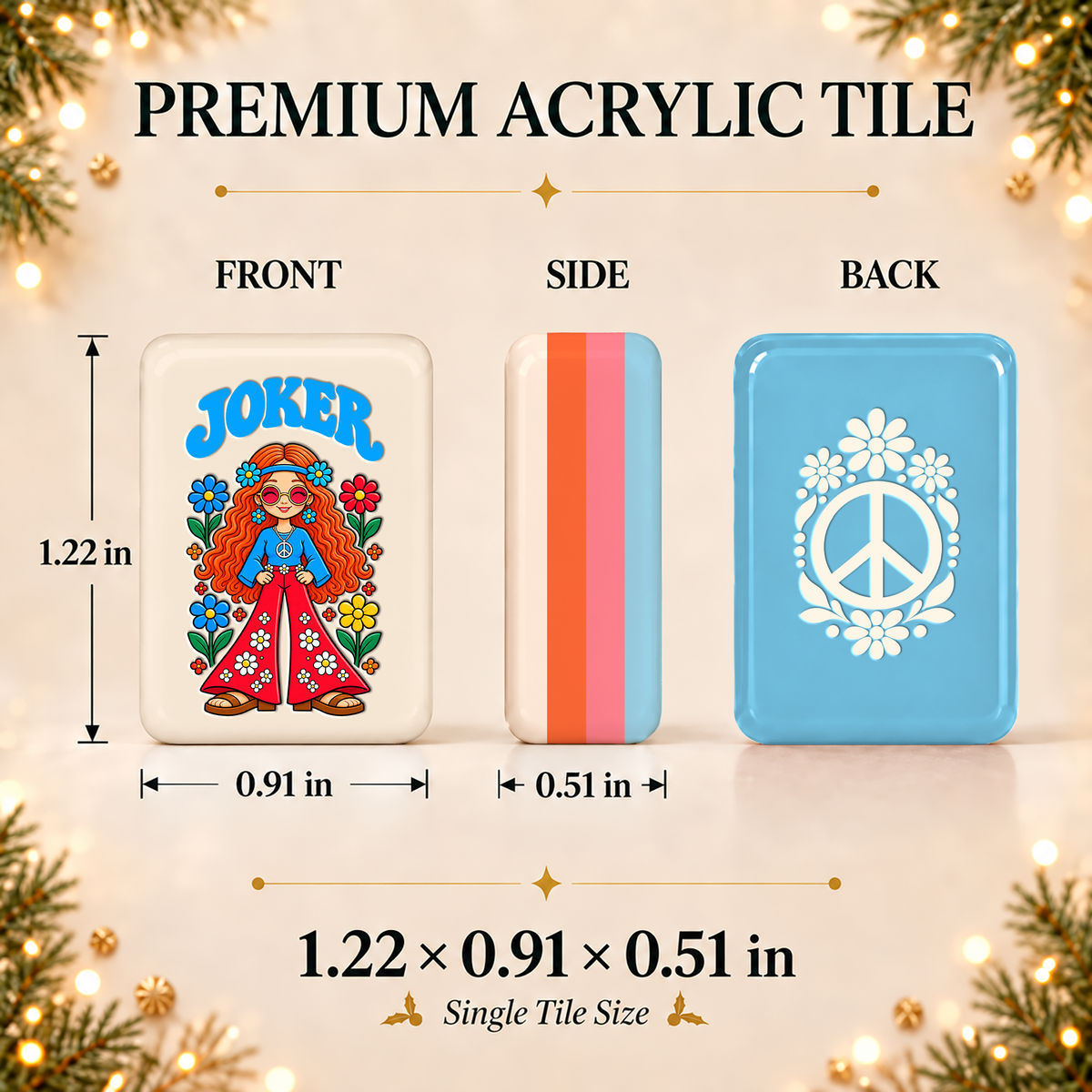
Mahjong groups in Alabama exist primarily in Birmingham, Montgomery, and Huntsville, hosted through community centers, libraries, synagogues, and senior centers. Most Alabama groups play American mahjong (the standard 152-tile variant with jokers, no chows, and hands from the annual National Mah Jongg League card). You can find groups by searching local recreation department websites, asking at your nearest Jewish community center or synagogue, checking Meetup.com for mahjong gatherings, and calling senior centers directly. Most groups are free or charge a small per-player fee; they meet weekly or twice weekly. If no group exists near you, starting one requires only four players, a 160-tile set with tile racks, a mahjong mat, and the current year's hand card—we at Mahstead can supply an acrylic set from our best-selling collection that lasts decades and ships free across the US.
Where do Alabama mahjong groups actually meet?
Alabama's mahjong community clusters in three regions: greater Birmingham (Shelby County, Jefferson County), Montgomery (Montgomery County), and the Huntsville metro area. Community recreation centers are the most common host; search your city or county parks & recreation website for programs labeled "mahjong," "tile games," or "senior games." Libraries often host monthly or weekly gatherings—call the reference desk or ask at the circulation counter. Synagogues and Jewish community centers in Birmingham and Montgomery frequently sponsor mahjong groups as part of adult programming (membership not always required for game participation). Senior centers are another reliable lead; many run competitive or casual mahjong sessions. Search "[Your City] community center mahjong" or "[Your City] senior center" first, then expand to Meetup.com and Facebook groups dedicated to board games or senior activities.

How do I know if a group is right for me—beginner or experienced?
Most Alabama groups are open to all levels, but it's worth asking before you show up. Call or email ahead and ask: (1) Do they teach beginners, or is it experienced players only? (2) What variant do they play—American or another type? (3) What's the cost, if any? (4) What time and how often? American mahjong has a steep learning curve the first time, so beginner-friendly groups often have a teaching member or printed hand card guides available. If the group says "we only play experienced," don't let that stop you; ask if they know of a beginner club, or propose starting a separate beginner session. Many dedicated players are happy to mentor if you show genuine interest. Check whether the group provides tiles and mats or if you'll need to bring your own—a 160-tile acrylic set designed for regular play plus a padded mat makes a reliable investment for any player.
🀄 Shop best-selling mahjong sets →
What do I actually need to bring or buy to join a game?
Standard American mahjong requires a four-player setup with one complete 160-tile acrylic set, racks with pushers for each player, a padded mat (to protect the table and keep tiles from sliding), the current year's National Mah Jongg League hand card, and dice. Most established groups provide the tiles and mat communally; you may only need to bring the hand card (free download or printable, or a few dollars if purchased laminated). If you're starting a game or joining frequently, your own set is worth it—acrylic tiles last 20+ years and won't chip like bamboo. A cloth or neoprene mahjong mat costs less than a single dinner out and protects both the playing surface and your tiles. Include a travel bag or case if you'll transport your set to different homes or venues. Total first-time investment for a complete personal setup is modest; see our best-selling collection for bundled options.
How do I start my own mahjong group if none exists nearby?
Starting a group requires four committed players, a set, and consistency. First, recruit: ask friends, post on Nextdoor or neighborhood Facebook pages, contact your local library or community center about hosting a weekly slot, or search for Meetup groups in adjacent interest areas (bridge, card games, book clubs) and cross-post. Second, establish a regular time and place—a home dining room, community room, library study area, or coffee shop with table space works. Third, get one American mahjong set and a mat; acrylic is the industry standard for durability. Fourth, learn the rules yourself by reading our mahjong for beginners guide, then teach the basics: hand building, the Charleston (tile exchange), calling winning hands, and the role of jokers. Fifth, use the free or paid current National Mah Jongg League hand card (available online or laminated from game suppliers). Many first-time players quit after one session if the rules feel chaotic; designate one player as the "rule keeper" to look up questions on the hand card. Meet for six weeks before deciding to continue; momentum matters.

What's the difference between American mahjong and other variants played in Alabama?
American mahjong (the focus here) uses 152 tiles, jokers as wild tiles, no sequences (chows), and hands strictly from the annual National Mah Jongg League card. It's played almost exclusively in the U.S. and is the beginner-friendliest variant for English speakers. Chinese mahjong (or Cantonese), played by some Mandarin or Cantonese-speaking groups in larger Alabama cities, uses 144 tiles, no jokers, allows sequences, and has different scoring. Hong Kong mahjong is similar to Chinese but with slight rule variations. Riichi (or Japanese) mahjong is a competitive variant with complex scoring. Taiwanese mahjong blends elements from multiple traditions. Most casual Alabama groups play American mahjong; if you hear "we play Chinese" or another variant, ask if they also teach American or if you should seek an American-specific group. The rules are incompatible, so don't assume one skill transfers directly. For a beginner in Alabama, American mahjong is the safest bet because groups are larger and learning resources (like our how-to guides) are widely available.
🎁 See our most-loved mahjong sets & accessories →
Quick Comparison: Finding vs. Starting a Group
Factor | Joining Existing Group | Starting Your Own |
Time to first game | 1–2 weeks | 4–6 weeks |
Recruiting effort | None | High (4+ players needed) |
Set/mat cost | Often shared (you may not need one) | Your investment (~moderate) |
Rule questions | Experienced players help | You must learn first |
Commitment | Weekly or biweekly | You set the schedule |
Best for | Immediate play, learning from peers | Long-term community, custom rules |
What to check before you join or host a game
Variant confirmation: Ask "Do you play American mahjong?" Don't assume.
Beginner policy: "Can you teach someone with zero experience?" Honest answer matters.
Cost: Free, nominal per-game fee, or membership? Get it upfront.
Location accessibility: Wheelchair access, parking, proximity to transit.
Schedule consistency: Same day and time each week? Or does it vary?
Tile condition: Are the group's tiles cracked, faded, or incomplete? Worn tiles slow the game and frustrate players.
Hand card availability: Do they provide laminated cards, or must you bring one?
Number of players: Is it always four, or do they rotate? (Some groups have waiting lists.)
Social tone: Casual and friendly, or competitive and silent? Neither is wrong, but fit matters.
Getting your first set: what actually works in Alabama
If you're joining an established group, you may not need anything until you attend once or twice. If you're hosting, starting, or playing regularly, a 160-tile acrylic set is the industry standard because it doesn't chip, the tiles stay flat, and the set lasts for years. Acrylic also travels well in a protective case or bag. Pair it with a cloth or neoprene mat to protect your table and keep tiles from creeping. We offer racks with pushers if your group doesn't have communal ones; they make the game faster and less fiddly for new players. Avoid bamboo sets if you play frequently—they warp, crack, and lose value. Skip magnetic sets for serious play; they're slow and unreliable. For a one-time game or trial, borrow from the host first, then decide if you'll buy.
✨ Find your Mahstead set — free US shipping →
#

FAQ
Can I play mahjong online if I can't find an Alabama group near me?
Yes—platforms like Mahjong Time and online communities host American mahjong games 24/7. Online play doesn't replace the social element and learning curve is steeper without in-person teaching, but it's a valid option. Most Alabama groups eventually recommend playing in person for full enjoyment.
Do I need to know the hand card before I show up to my first game?
No. Bring the current National Mah Jongg League hand card (print or laminated), but beginners learn by watching and playing. One experienced player calls hands aloud while you follow along. By game three, the patterns start to click.
What if my group wants to play a variant other than American mahjong?
Ask them to teach you first or find a group that plays American. Switching between variants mid-session is confusing. If they play multiple variants, ask for American-only nights or start a separate American group.
How much does a decent mahjong set cost to own?
See current price on the product page for our 160-tile acrylic sets. Entry-level acrylic sets are affordable; premium or custom-engraved sets cost more. All ship free across the US.
What's the fastest way to find a mahjong group in my Alabama city?
Call your city or county parks & recreation department and ask for mahjong programs. If none exist, call the nearest library and ask the reference desk. Follow up with a local synagogue or senior center. Nextdoor and Meetup are also effective for smaller towns. --- Bonus Tip: Join the group for a trial game first. No upfront commitment or purchase necessary. You'll know within one session whether it's the right fit and what equipment you actually need to buy.


View More
View More
View More
