
Are Plastic Mahjong Tiles Good? Real Player Guide
Last updated: Nov 23, 2026
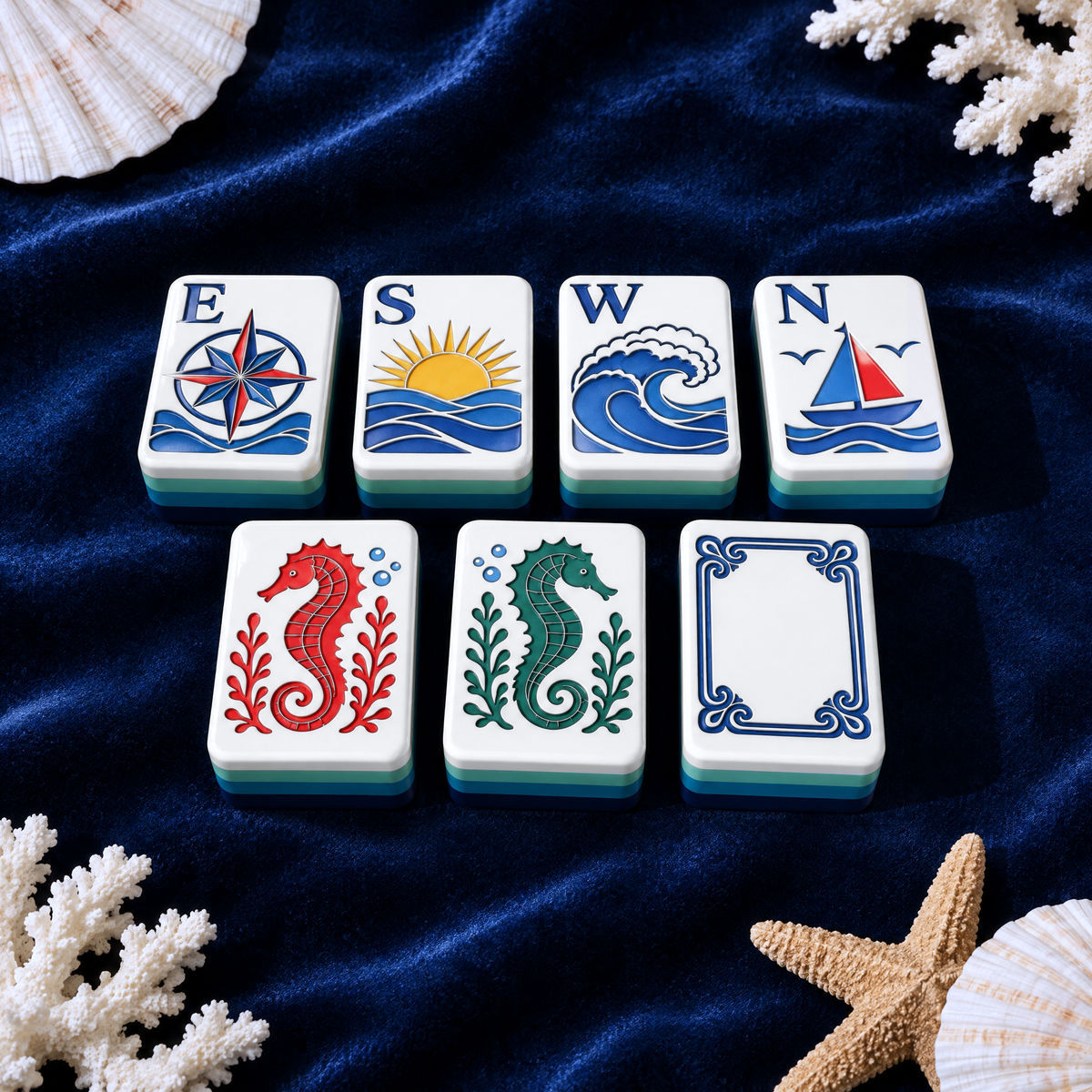
Yes, plastic mahjong tiles are genuinely good for American mahjong, especially for casual weekly games and players starting out. A 160-tile acrylic set costs significantly less than bone or bamboo and survives drops, humidity shifts, and years of regular play without chipping or cracking. Plastic tiles are lighter, stack quietly, and shuffle easily. The main drawback: they lack the weight, warmth, and subtle click of premium materials. Serious tournament players prefer bone, but we host weekly games with acrylic sets and they perform flawlessly. Choose plastic if you prioritize durability, portability, and budget; choose bone if you prioritize tactile tradition. Most casual groups never look back after switching to quality acrylic—including ours.
Plastic mahjong tiles are durable, affordable, and ideal for weekly players—but they feel and sound different from traditional bone. We explain the tradeoffs so you choose right.
What makes plastic tiles different from bone or bamboo?
Plastic (acrylic) tiles weigh roughly half what bone tiles do. They don't develop the warm patina bone acquires over decades. Sound differs too: plastic produces a sharper tap when tiles collide, while bone has a mellow click. Acrylic tiles won't yellow, crack from humidity swings, or split if dropped on a hard floor. Bone is porous and absorbs moisture; plastic is inert. For players who love tradition and tactile depth, bone wins. For everyone else—casual players, travel setups, families with kids—plastic is the practical choice. Bone remains superior for tournament play and collectors; plastic dominates weekly home games.

Can plastic tiles survive heavy, regular use?
Absolutely. We've run the same acrylic set weekly for years without visible wear. Plastic won't chip like bone when it hits a tile rack or the floor. It resists staining better (coffee spill? wipe it clean). The tiles maintain consistent weight and balance across all 160 pieces, so draws stay fair. Paint on the faces holds up through hundreds of shuffles. One caveat: jokers and blanks (spare tiles) are cheapest to replace in plastic sets, and you will eventually lose or break one joker—but replacements exist and cost far less than replacing a bone tile. For tournament or prize-money games played once monthly, bone durability doesn't matter; for weekly casual play, plastic never disappoints.
How do plastic tiles perform on a mat and in racks?
Plastic tiles glide smoothly across any mahjong mat, perhaps even more smoothly than bone because they're more uniform and have no microtexture. They stack neatly in mahjong racks with pushers without jamming; the pushers advance them evenly. On a hard table, acrylic is noisier than bone (some players love the crisp sound; others find it distracting). Plastic tiles don't absorb humidity from the mat, so they stay dimensionally stable across seasons. If you're building a complete setup—mat, racks, case, score pad—plastic tiles pair beautifully with all of them. They're light enough to carry in a travel bag or case without strain, a huge advantage for groups that rotate locations.
Consideration | Plastic (Acrylic) | Bone | Best for |
Durability to drops | Excellent—rarely chips | Good—can crack | Casual play, families, travel |
Humidity resistance | Immune | Absorbs; can warp | Any climate |
Weight & portability | Light (easy travel) | Heavy (stays on table) | Rotating venues |
Sound & feel | Sharp, crisp, smooth | Mellow, warm, tactile | Tradition-lovers; tournament players |
Staining & cleaning | Wipe clean easily | Absorbs spills | Kitchen or high-use tables |
Cost basis | Entry to mid-range | Premium to collector | Budget-conscious; gift sets |
Maintenance | Virtually none | Occasional sealing | Low-upkeep games |
Are there different grades of plastic tiles?
Yes. Budget acrylic sets use thinner tiles, cheaper paint, and simpler engravings; they work fine for learners but feel flimsy. Mid-range sets (like our best-selling collection) use thicker acrylic, high-quality paint, and clear face markings that don't fade after a season. Premium acrylic tiles approach the heft of bone—they're hand-engraved, individually inspected, and feel substantial. The difference is immediate the first time you draw. A quality plastic set will outlast a cheap one by years. When you're spending money anyway, buy thicker tiles with better finish. The price gap between budget and good acrylic is small, but the play experience is huge. We recommend mid-range or above for anyone playing more than monthly.
Should you buy plastic if you're a serious tournament player?
No. The National Mah Jongg League and most formal tournaments require or strongly prefer bone and bamboo tiles. Judges and opponents notice the difference immediately, and some venues may not permit acrylic. If you're learning American mahjong or playing casually—which is where 95% of players live—plastic is perfect. But if you're aiming for sanctioned play, start with bone. That said, many mahjong for beginners groups use plastic sets to build the habit and lower entry cost; players graduate to bone later if they fall in love with the game. There's no shame in either path.
🀄 Shop best-selling mahjong sets →

What to check before you buy plastic tiles
Tile thickness: Aim for at least 8mm acrylic; thinner tiles feel cheap and are prone to flexing. Paint quality: Ensure numbers and suits are sharp, not blurry or faint. Joker count: Confirm the set includes 8 jokers for standard American play (a 160-tile set should have spare tiles beyond the 152-tile deck). Engrave depth: Deep hand-engraving outlasts surface printing; run your thumb across the face to feel the relief. Crack test: If buying in person, pick up a random tile and inspect it for hairline cracks or bubbles in the acrylic. Case durability: Plastic tile sets deserve protective cases; check that the case is reinforced, has good latches, and keeps tiles from rattling. Return policy: Any reputable seller allows returns if tiles arrive damaged or don't match the photo.
✨ Find your Mahstead set — free US shipping →
How plastic tiles compare to other materials: a real-world decision framework
You're choosing between three paths. Plastic (acrylic) is ideal if you play weekly in one location, want durability without fuss, travel occasionally, or are gifting to someone unsure about commitment. It's also the smart pick for kids learning the game. Bone belongs in the hands of serious players who value tradition, play in tournaments, or want to own something beautiful enough to pass down. Bamboo (rarely sold in America anymore) occupies a middle ground: lighter than bone, more elegant than plastic, but less durable and harder to find. Most of us start plastic, fall in love with mahjong, and stay plastic because it just works. A smaller, passionate group upgrades to bone and never looks back. Neither is wrong—it depends on your commitment level and budget.
🎁 See our most-loved mahjong sets & accessories →
The real question: Do your players care?
The honest truth: in a casual weekly game, your players focus on the card, the draws, and the conversation. They barely notice whether tiles are plastic or bone. If the set is thick, clean, and marked clearly, the game flows. Switch to acrylic at your game, and you'll hear comments on the sound for one round. By round two, nobody thinks about it again. Bone tiles have cachet—they look and feel premium, and some players do care deeply. But we've hosted hundreds of games with quality plastic sets, and we've never had someone leave because the tiles weren't bone. What matters most is a good mat, clear rules, fast draws, and friendly company. Plastic delivers all of that, often better than bone does, because you're not anxious about damage.
Plastic tiles excel for groups, travel, and gifts
If you're buying for a mahjong group that rotates between homes, acrylic wins: lightweight, resilient, affordable for groups pooling resources, and no worry if someone's dog noses the case or a tile slides under a couch. For a gift to a friend interested in mahjong, plastic tiles remove the risk—if they love the game, they'll upgrade later; if they don't play much, you haven't spent big money on bone they'll neglect. Acrylic also makes sense if you're buying a second set for travel or a vacation house. Quality plastic tiles are sold with engraved custom designs that add personality without premium pricing. We pack every set carefully and ship free across the US, so it arrives ready to play.

FAQ
Can I mix plastic tiles from different sets?
No. Tiles from different manufacturers vary slightly in size, thickness, and paint shade. Mixing them breaks draws and looks sloppy. Stick to one set of 160 tiles for play, and keep spares only from the same brand and production run.
Do plastic tiles crack in cold weather?
Not typically. Unlike bone (which can split from humidity swings), acrylic is inert and tolerates temperature and humidity shifts. You can leave a plastic set in a car or unheated garage; bone tiles require climate control.
How long do plastic mahjong tiles last?
A quality acrylic set lasts 10+ years of weekly play without significant wear if kept in a case. Budget plastic may degrade after 3–5 years of heavy use. The paint can fade if exposed to direct sunlight for months, but normal indoor use never fades tiles.
Are plastic tiles lighter, so does that affect draws?
Not in practice. All 152 tiles in a 160-tile acrylic set weigh the same relative to each other, so draws are fair. Bone is heavier overall, but individual tiles vary more in weight, which can actually bias draws slightly toward certain numbers. Plastic is more consistent.
Can I use plastic tiles in a tournament?
Most American mahjong tournaments require bone or bamboo tiles. Check the tournament rules in advance. If you're practicing at home before tournaments, plastic is fine for drills; just know what official play expects.
Do plastic tiles feel slippery on a mat?
They can feel slightly more slippery than bone on some mats, but this is usually an advantage—tiles shuffle faster and draw more smoothly. If you prefer resistance, choose a mat with a slightly rougher texture.
What's the best way to store plastic tiles?
Keep them in a rigid case (not a cloth bag), away from direct sunlight and extremes of heat. Don't stack heavy objects on top of the case. Store in a cool, dry room. Acrylic doesn't absorb moisture, so humidity isn't a concern.
Can I engrave or customize plastic tiles myself?
Yes, but it's difficult. Acrylic can be hand-engraved by professionals, but DIY engraving with rotary tools often cracks the tile or creates rough edges. Buy pre-engraved sets; the design quality is worth it, and we offer engraved sets at fair prices.


View More
View More
View More
