
Mahjong for Mexican Train Players: What Actually Transfers
Last updated: Nov 23, 2026
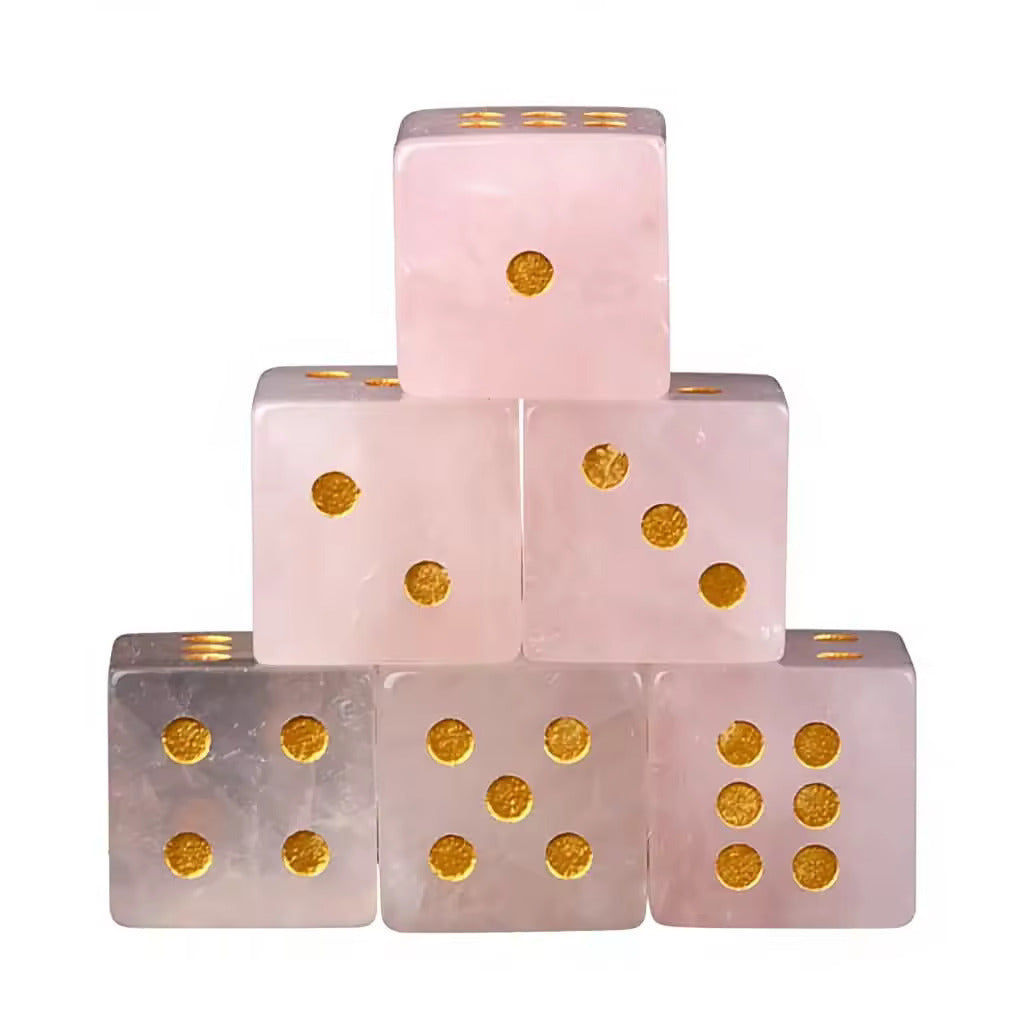
Mexican Train and American mahjong both reward pattern spotting and set-building, so if you've played Mexican Train competently, you have a head start in spatial thinking and risk management. That's where the similarity ends. Mexican Train plays with dominoes (matched by pip count); American mahjong uses 152 tiles across three suits (Bams, Craks, Dots), winds, dragons, flowers, and jokers, with hands drawn from a copyrighted annual card—no improvisation allowed. American mahjong forbids sequences (chows): you may only lay pungs (three identical tiles), kongs (four), quints (five), and sextets (six). You draw and discard one tile per turn, and the game is purely about matching the hand pattern on the current year's card. The learning curve is real, but your comfort with turn order, discard strategy, and blocking opponents translates well. Many Mexican Train players join our weekly games and adapt within three or four weeks.
What Skills from Mexican Train Actually Carry Over?
Your experience tracking runs, remembering which tiles are "dead," and calculating risk pays off immediately. In American mahjong, you'll already think in sequences and recognize when an opponent is threatening a win. You understand pip-counting and suit differentiation from dominoes; American suits (Bams, Craks, Dots) and honors (winds, dragons) will feel like adding a new dimension rather than learning from scratch. You also know the discipline of waiting for the right moment to play instead of rushing—that patience is everything in American mahjong. Your card-table etiquette and turn-taking habits carry over one-to-one.
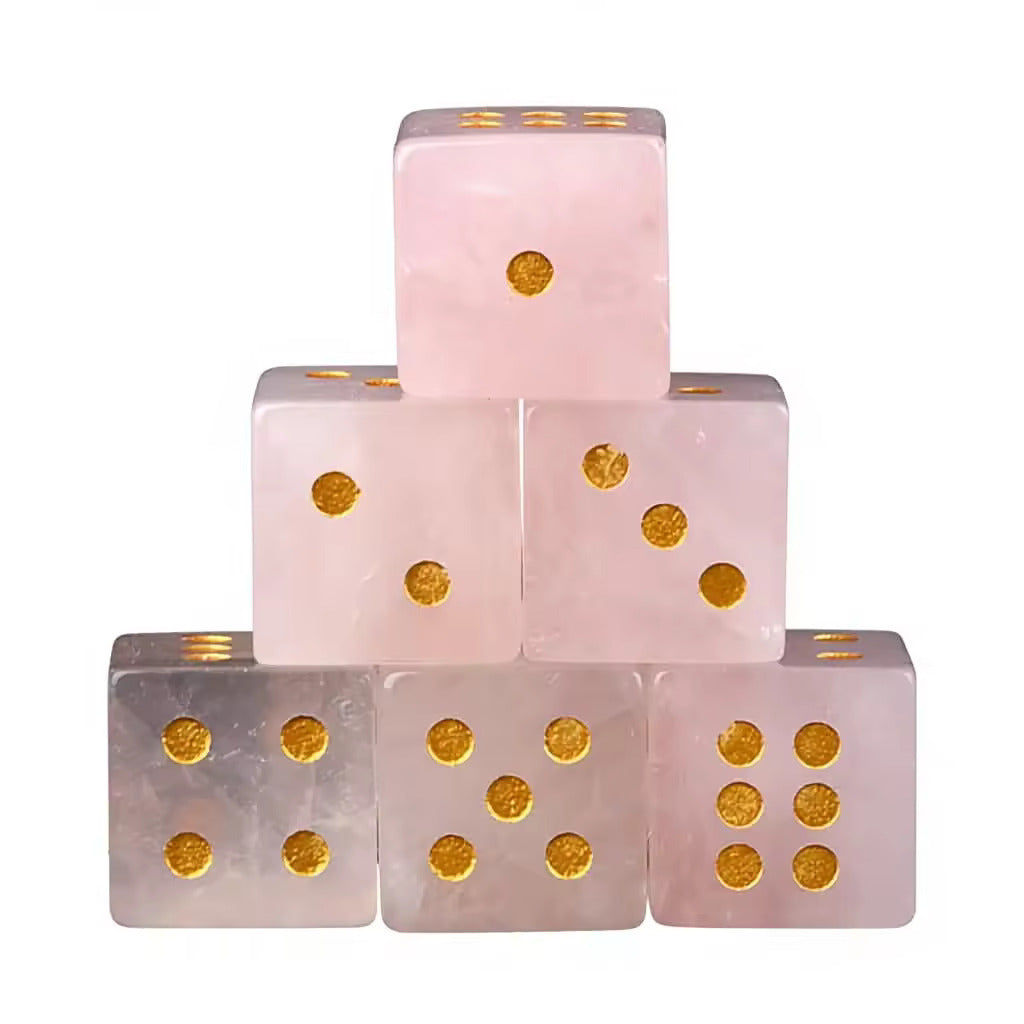
What Does NOT Transfer from Mexican Train to American Mahjong?
Mexican Train lets you build and extend plays dynamately; American mahjong locks you into the four patterns on the year's card before the game begins. You cannot invent hands or trade tiles between layout sections. There are no "trains" or community plays—your hand belongs entirely to you until you win. Sequences of three consecutive numbers (like 4-5-6 Bams) cannot be called or exposed in American mahjong; only identical sets count. Drawing strategy differs: in Mexican Train you're managing a hand of many tiles; in American mahjong you're holding exactly 13 tiles and drawing and discarding one per turn. The pace and psychology are different—American mahjong is slower, more contemplative, and entirely card-driven.
How the Tile and Hand Structure Differs
Mexican Train operates with 91 dominoes (or 55 in some variants); American mahjong always uses exactly 152 tiles in play. Our tiles come in four copies each—four 5 Dots, four East Winds, four Red Dragons—versus dominoes' single representation. An American mahjong hand is locked to the current year's National Mah Jongg League card: typically 50–80 hand patterns are legal each season, and you can only win by matching one exactly. There's no room for creative sequences; the card rules everything. If you've never seen the card before, that might feel restrictive, but regulars view it as a beautiful constraint that makes every decision count.
🀄 Shop best-selling mahjong sets →
The Turn Cycle and Discard Discipline
Both games rely on careful discard management, so you already grasp the core rhythm: take a tile, evaluate your hand, release one. In American mahjong, you're far more exposed: players watch your discards obsessively to guess which hand you're playing, and a single wrong discard early can cost you the game three turns later. Mexican Train rewards a flexible hand; American mahjong punishes hesitation and over-commitment. You'll need to internalize the annual card quickly—most players keep it printed and visible during play. That moment of glancing at the card instead of improvising feels odd at first to dominoes players, but it speeds up once you've played a few hands.
Dead Tiles, Blocking, and Reading the Table
If you've played Mexican Train, you know intuitively that once a tile appears on the table twice, the remaining copies are rarer. That skill translates perfectly. In American mahjong, knowing which tiles are already discarded helps you predict what others need and decide which tiles to hold or release. Blocking—discarding a tile your opponent likely needs—is identical in spirit. One difference: in Mexican Train you're often trying to extend; in American mahjong you're often trying to prevent others from winning by denying them the discard they need. The mentality shifts from "build forward" to "defend the table."
A Comparison: Mexican Train vs. American Mahjong at a Glance
Aspect | Mexican Train | American Mahjong |
Tiles/Pieces | 91 dominoes (varied sets) | 152 tiles (always) |
Matching Rule | Pips align (1–6) | Suits align (Bams, Craks, Dots, Honors) |
Sequences | Yes; runs built dynamically | No; only pungs, kongs, quints, sextets |
Hand Rules | Player-invented sequences | Fixed to annual card—50–80 legal hands per year |
Layout | Shared trains + personal train | Personal hand only; no shared plays |
Draw/Discard | Many tiles in hand; varied count | Exactly 13; draw and discard one per turn |
Improvisation | High—adapt on the fly | None—card governs everything |
Setup Time | ~5 minutes | ~15 minutes (including Charleston tile pass) |
Typical Game Length | 30–45 minutes | 30–60 minutes |
Difficulty Ceiling | Medium-high | High (card memorization + statistics) |

Your First Three Weeks: A Roadmap
Week 1: Play with a printed card in front of you and learn how to read it. Don't memorize; just trace your eyes from your hand to the card each time you pick up a tile. Your Mexican Train speed will make you impatient, but resist the urge to rush discards. Week 2: Attend a second or third game. By now, familiar patterns will start to register; you'll recognize a "Like Number" hand or a "2 Like Pair" without consulting the card. Your discard strategy will sharpen. Week 3: You'll begin to anticipate which hands others are chasing and will start blocking strategically—this is where your Mexican Train instincts amplify your edge.
🎁 See our most-loved mahjong sets & accessories →
What You'll Need to Play
To start, you need a set of American mahjong tiles (always 152 in play), a mat to keep them organized, and ideally a rack to sort your tiles so others can't see them. The best-selling mahjong sets include clear tile faces, durable acrylic, and detailed suits—all features Mexican Train players appreciate because the tiles are easier to read at a glance. A mahjong mat is not mandatory but transforms the game: it gives you defined player zones, marks the discard pile, and makes theft impossible. Racks with pushers let you organize your hand neatly without telegraphing your strategy—crucial once you're playing past week one. Print or download the current year's National Mah Jongg League card and bring it to your first game.
Where to Find Your First American Mahjong Game
Check community centers, libraries, synagogues, and country clubs in your area—many host weekly or monthly mahjong nights. Search "mahjong game near me" on local meetup boards or ask at tile suppliers. If your Mexican Train group has any members curious about branching out, invite them together; the camaraderie eases the learning. Online platforms and discord communities also host beginner-friendly games and can connect you to in-person groups.
What to Check Before You Buy a Set
Tile quality. Choose acrylic or composite tiles with raised characters—Mexican Train players used to pip-counting will adapt faster to embossed numbers and suits.
Size. Standard American tiles are slightly larger than dominoes; if you have large hands or vision concerns, confirm dimensions match your comfort.
Joker count. A 160-tile set includes spare tiles; you'll use exactly 8 jokers during play, so extras don't hurt if space permits.
Case or bag. Travel security matters if you're bringing your set between venues—a sturdy bag or case protects your investment.
Rules guide. Reputable sets include a guide; print or bookmark how to play American mahjong so you're not guessing at the table.
The Charleston: An Unfamiliar Ritual You'll Master Fast
Before every hand, players pass tiles to one another in a choreographed sequence called the Charleston—it's how American mahjong introduces randomness and prevents collusion. Unlike Mexican Train's free draw, everyone passes exactly three tiles to the right, then three to the left, then two to the right. It feels formal at first; Mexican Train players often joke it's "the most elegant way to shuffle." The Charleston explained covers every step, but don't memorize it—your neighbors will guide you the first few times. Once you've done it twice, it becomes muscle memory.
✨ Find your Mahstead set — free US shipping →
The Mental Shift: From Improvisation to Pattern Matching
The biggest adjustment for Mexican Train players is moving from "what can I build?" to "which pattern do I chase?" In Mexican Train, creativity is rewarded; in American mahjong, the card is the law. Some players find that freeing (no ambiguity, no arguments about valid sequences); others miss the spontaneity. If you land in the first camp, American mahjong will feel like coming home. If you land in the second, you'll still develop respect for the strategic depth—knowing which tiles are statistically likelier to help your hand, reading an opponent's hesitations, and blocking at exactly the right moment demand skills Mexican Train alone doesn't teach.

FAQ
Can I play American mahjong with only the skills from Mexican Train, no prior card study?
Yes. Bring the card to the table, follow it tile by tile for your first 3–4 games, and ask experienced players to guide your choices—don't rely on improvisation. By week three, patterns emerge and the card becomes muscle memory.
Do I need to memorize the entire annual mahjong card?
No. Most players keep a printed copy at the table or on a phone during play. After 10–15 games, you'll recognize 80% of hands at a glance, but the card is legal aid forever.
Are the rules of discard and blocking identical in both games?
Mostly. In Mexican Train you're managing a larger hand; in American mahjong your hand is locked at 13 tiles. The psychology of reading opponents and choosing when to reveal your strategy is the same.
What's the biggest trap for Mexican Train players starting American mahjong?
Trying to invent sequences or rushing your discards. American mahjong punishes speed and rewards patience. Sit quietly, follow the card, and let the table settle before you commit.
How long before I'm competitive with experienced American mahjong players?
Comfortably? 6–8 weeks of weekly play. You'll hold your own after 3–4 games, but reading tile statistics and predicting opponents' hands takes longer than rule memorization.
Can a Mexican Train set and an American mahjong set be used interchangeably?
No. Mexican Train uses dominoes with pips (dots); American mahjong uses tiles with Chinese characters, suits, and wind symbols. You must buy an American mahjong set to play American mahjong.


View More
View More
View More
