
Mahjong for Families: Rules, Setup & Game Night Tips
Last updated: Nov 23, 2026
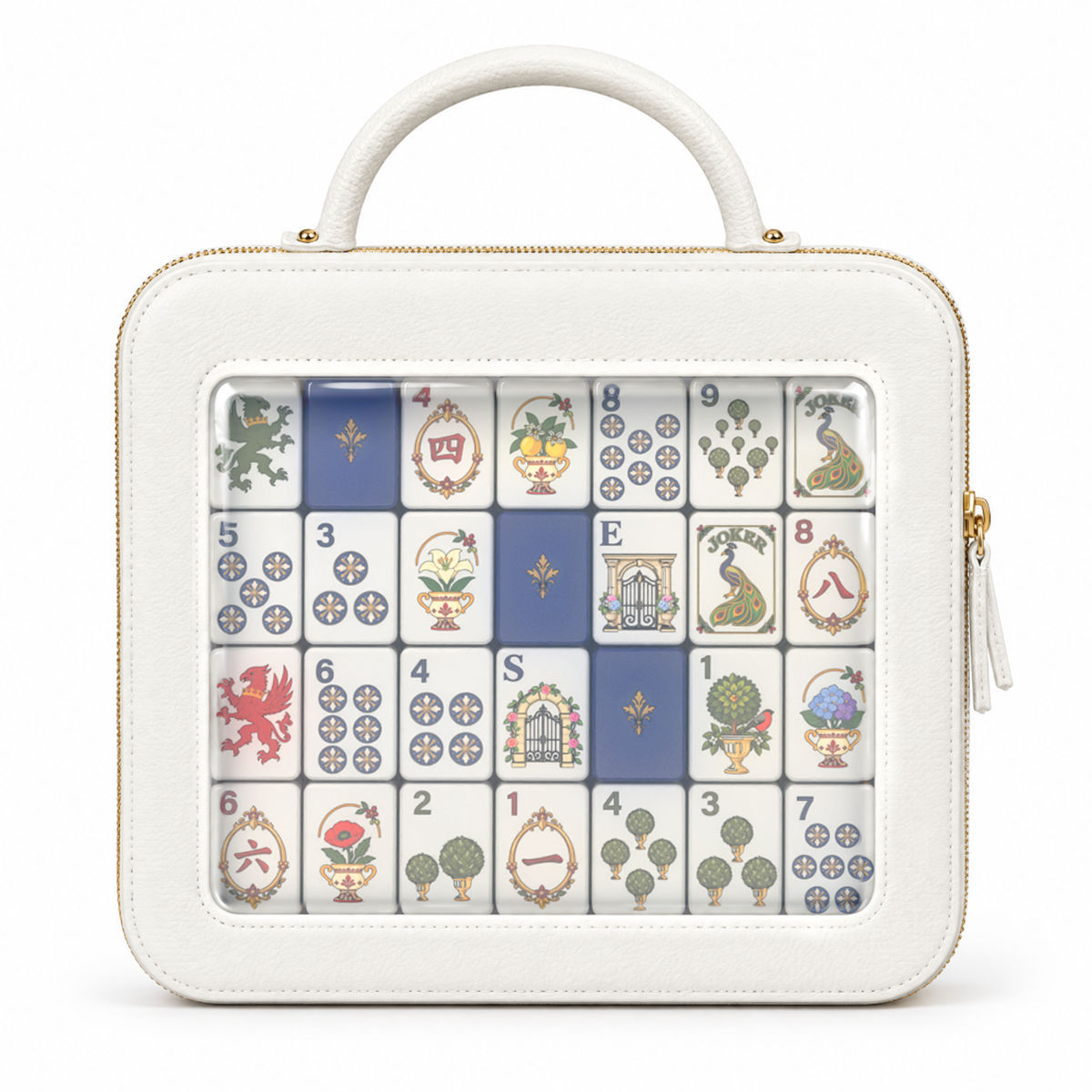
American mahjong for families means four players (ages 10+) drawing and melding 152 tiles into matching hand patterns from the National Mah Jongg League card, refreshed each spring. A game round lasts 30–60 minutes once everyone knows the rules. Setup requires one best-selling set with 152 playing tiles and 8 jokers, a printed card, and a flat table surface. Mahstead's acrylic sets are designed for family play—durable, stackable tiles and optional racks make it easier for younger or less experienced hands. Start with the simplified rules (no chows, only pungs/kongs/quints/sextets, jokers as wild), run a three-pass tile exchange called the Charleston, then draw and discard until someone completes a hand. Cost basis varies by design, but a solid beginner set is accessible. Common mistakes: mixing up tile suits, forgetting joker rules, or playing hands not on the card—all caught by the group's first few rounds.
What age is mahjong actually safe for kids?
American mahjong works best for players age 10 and up. Younger children (6–9) can play simplified two- or three-player versions or sit as observers, learning tile names and hand patterns. At 10 and above, kids grasp hand-reading, tile counting, and the Charleston ritual without frustration. Teenage and adult players benefit equally—the game has enough strategy and social rhythm to hold everyone's attention. Family play removes competition pressure because the goal is shared learning, not winning streaks. Start with one short demo round where an adult talks aloud while playing; kids catch on faster when they see the flow.

How do you explain American mahjong rules to beginners?
Begin with three core ideas: (1) tiles have three suits (Bams, Craks, Dots) plus winds, dragons, and flowers; (2) you match tiles into groups—three identical (pung), four identical (kong), or five/six identical (quint/sextet)—never sequences like 1-2-3; (3) you win when your hand matches a pattern on the current year's card, using jokers as wild tiles. Show the card second; point to one simple hand pattern, then explain how many tiles you need and where jokers fit. Let each player touch and sort real tiles while you talk. The Charleston comes next—three passes where tiles move left, across, right in a rhythm. After the Charleston, players draw and discard one at a time until someone "mah-jongg"—calls out a completed hand. Practice one full round, then play for real. Learn the Charleston in depth to keep the pre-game moving smoothly.
What's the fastest way to set up a family game?
Gather four players at a table big enough for a center stack and four hand racks (optional). Shuffle 152 tiles facedown, then arrange them into a center wall—most families stack two rows of 34 tiles per side (or four rows stacked two high). Assign seats: East player sits the wall; North, West, South follow clockwise. Each player draws 13 tiles from the wall in a clockwise snake pattern; East draws one more for 14. Place the current year's card where everyone can see it. Run the Charleston: each player passes three tiles left, three across to the left neighbor, three right. After the third pass, one player draws from the wall and discards faceup; play rotates clockwise until someone mah-jonggs or the wall empties (no winner that round). Using racks with pushers saves time because kids can sort tiles faster and racks keep hands organized and hidden from neighbors.
How do jokers work, and why do families get them wrong?
Jokers are wild tiles that substitute for any other tile in a pung, kong, quint, or sextet—but never in a pair (the two tiles that complete a hand) and never as a single tile standing alone. If you draw a joker, treat it like any tile you can use immediately or pass during the Charleston. A family mistake: using a joker as a pair to complete a hand—invalid. Another: thinking a joker is always optional. Actually, once a joker lands in a group on the table, it stays there and counts as that tile permanently. An American mahjong set contains 8 jokers out of 152 playing tiles, so roughly one joker per round of good luck. Dive deeper into joker rules to catch edge cases.
What equipment makes family night feel less clumsy?
A proper mat keeps tiles from sliding and creates a boundary for play. Mahjong mats come in various sizes and often fold for storage; they're not luxury but they cut chaos, especially with younger players who brush tiles accidentally. Racks hold each player's hand upright and hidden, which teaches hand discipline and keeps the pace moving. Pushers (small wooden sticks) help players snap tiles into place without fumbling—a small detail that makes kids feel more in control. A travel bag or case lets you pack the set, mats, and racks together so family game night becomes repeatable—not a one-off hunt for scattered tiles. An acrylic set from Mahstead ships in a compact box and stacks neatly, reducing setup time. For families with limited table space, a mat and racks turn a dining table into a professional play zone. Below is a quick selector:
What You Need | Why It Helps | Best For |
Acrylic tile set (152 tiles + 8 jokers) | Durable, clear faces, easy to see | All family games |
Mahjong mat | Prevents tile sliding, defines play zone | Tables that aren't dedicated to mahjong |
Racks with pushers (4 sets) | Hides hands, speeds sorting, feels more pro | Players age 10+, improves pace |
Travel bag or case | Keeps all pieces together, enables repeat play | Families who host multiple games yearly |
Printed card (current year) | Shows all legal hands; no guessing | Prevents house-rule arguments |
🀄 Shop best-selling mahjong sets →

What mistakes derail first-time family games?
Mixing up tile suits. Bams (stick/bamboo shapes), Craks (characters), and Dots (circles) look similar in poor light. Ask the shop for sets with clear, contrasting art or use best-selling designs known for readability. Forgetting that jokers can't be pairs. Repeat this rule at the start; many families instinctively reach for a joker to complete the final pair—illegal. Playing hands not on the card. The card changes every April; using last year's hand list causes disputes. Buy a fresh card or print one from the National Mah Jongg League website before sitting down. Not running the Charleston properly. If the tile-pass ritual isn't smooth, someone inevitably holds tiles too long or passes in the wrong direction. Walk through it once slowly, then music-free the second time. Overcounting tiles in hand. After discarding, confirm each player still has 13 tiles (except East, who keeps 14 after the first draw). Miscount = invalid hands late in the round. Racks prevent this because they literally hold and display the tile count.
Should you teach two-player or three-player mahjong first?
Four-player is the standard, and family nights play best with four. Two- and three-player rules exist but change hand patterns and strategy significantly. If your family has only two or three people available, learn the four-player game first; then, if you want to include everyone, consult two- and three-player rules as a variant for future nights. For now, invite one more relative or friend to complete the table. If space or time won't allow, play simplified two-player for fun—but know it's practice, not standard American mahjong.
🎁 See our most-loved mahjong sets & accessories →
What to check before you buy a family set
Tile size and grip: Acrylic tiles should feel comfortable for the smallest hands at your table. Mahstead's standard tile weight and size work for ages 10 and up.
Set completeness: Confirm you receive 152 playing tiles plus 8 jokers. Mahstead ships 160-tile sets (152 playing tiles plus spares).
Printed card: Don't assume it comes with the set. Order the current year's National Mah Jongg League card separately if needed.
Table space: Measure your table; a 4-foot by 4-foot surface is comfortable for four players, a mat, and a center wall.
Lighting: Dull tile markings cause mistakes. Good overhead lighting or a reading lamp near the play zone saves frustration.
Optional racks: Evaluate whether each player has a lap large enough for a rack, or if you'll keep hands facedown on the table.
✨ Find your Mahstead set — free US shipping →
Why American mahjong is perfect for family bonding
The game lasts 30–60 minutes, so no one's stuck for hours. Turns rotate equally—everyone plays at the same rhythm. There's no elimination; all four players remain engaged until the final tile. The tile-passing ritual (Charleston) creates a playful, social opening before competitive play begins. Language barriers don't block play; tile symbols are universal. Winning is nice, but most families focus on the shared puzzle of hand-reading and the table talk that fills downtime. For families across different skill levels, start with the mahjong-for-beginners guide, which covers foundational concepts so no one feels lost.

FAQ
Can kids under 10 play American mahjong?
Children 6–9 can observe, learn tile names, and play simplified versions with fewer tiles or house rules. Standard four-player American mahjong works best from age 10 up, when abstract thinking and hand-reading click into place.
Do I need a fancy mat and racks to play as a family?
No. A flat table and no racks work fine for casual play. Mats and racks improve organization and pace once you commit to regular game nights; start simple, add them later if desired.
Where do I find the current year's mahjong card?
The National Mah Jongg League publishes a new card every April. Search their website or ask at local mahjong clubs, libraries, or community centers. Many families print one for each player.
What if my family doesn't have exactly four players?
Four is standard. If you have three, play three-player variant rules (fewer tiles, different hand patterns). If you have two, play two-player variant or invite a friend. Mixing in a rotating substitute works too.
How long does a family learn the game before playing for real?
One demo round with a coach (20–30 minutes), then play at a relaxed pace. Most families grasp the flow by the second complete round and enjoy real play by round three.
Are acrylic tile sets from Mahstead durable for regular family play?
Yes. Acrylic resists chipping and staining better than bone or bamboo. They're stackable, easy to clean, and designed for weekly game groups. Expect years of use with normal care.


View More
View More
View More
