
Mahjong Lessons in Phoenix: Where to Learn & What to Know
Last updated: Nov 23, 2026
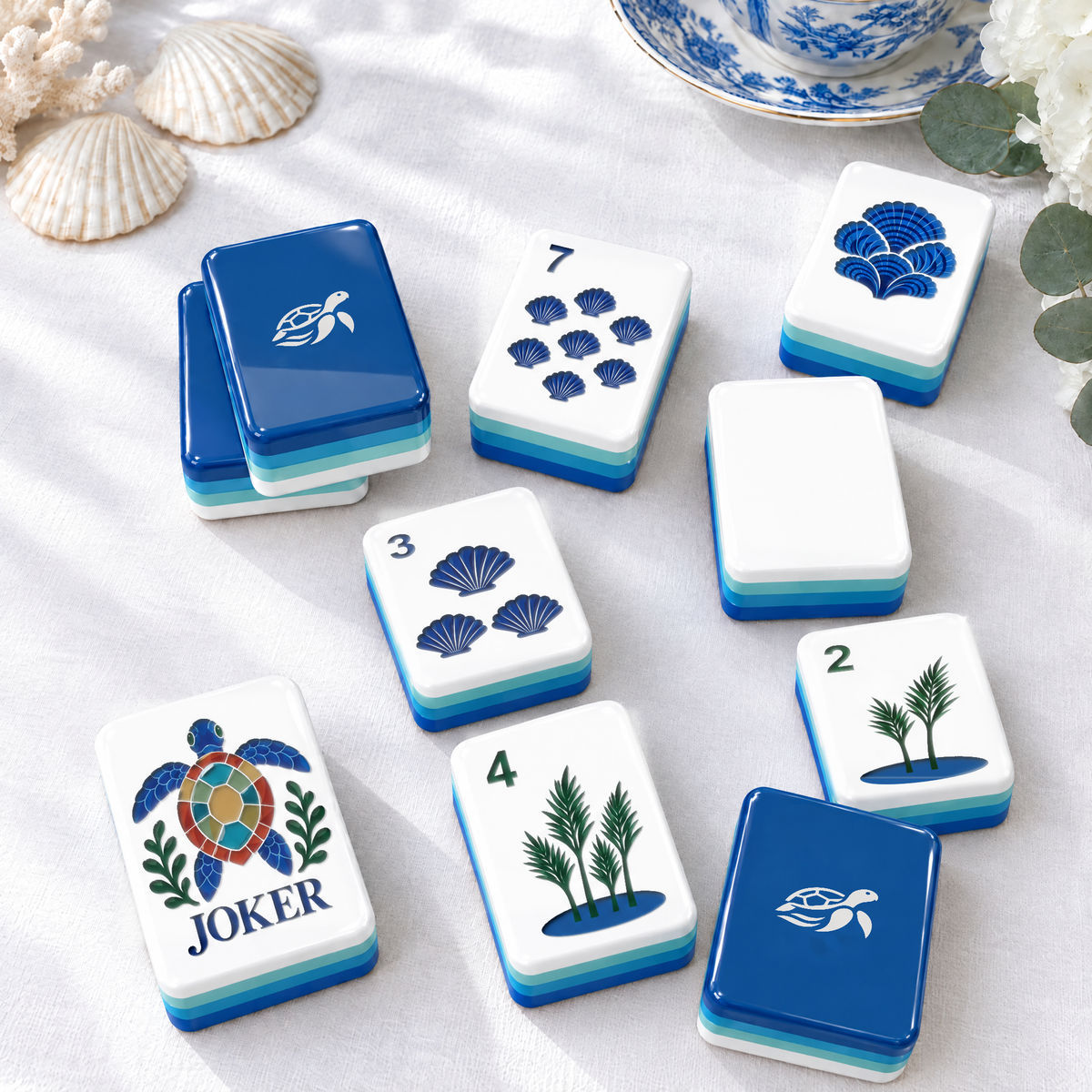
Phoenix mahjong lessons are available through community centers, libraries, synagogues, country clubs, and local meetup boards—search those venues directly or ask at your public library's community room for current offerings. Most beginner lessons run 4–8 weeks, meeting weekly for 1.5–2 hours, and teach the American variant using the National Mah Jongg League card (updated yearly). Expect to learn tile anatomy, the Charleston (pre-game pass), hand-reading, and basic scoring; costs vary widely by instructor and venue. Before enrolling, confirm the instructor uses current-year cards and plays American rules (not Chinese or Hong Kong). Invest in a set early—it removes one learning barrier and lets you practice at home.
Where Do Phoenix Players Actually Find Lessons?
Phoenix's mahjong community centers around venues that host regular meetups and classes. Check community centers (city parks and recreation sites usually list ongoing programs), public libraries (often have bulletin boards or staff recommendations), synagogues and Jewish community centers (traditional strongholds), country clubs, and Meetup.com for "mahjong Phoenix" or "American mahjong Phoenix." Call ahead; lesson availability is seasonal and instructor-dependent. Many groups also run casual game nights for beginners to practice without formal instruction—this is often free or very low-cost and equally valuable.

How Long Does It Take to Learn American Mahjong?
A beginner can grasp the fundamentals—tile names, the Charleston, reading the card, forming a hand, and basic scoring—in 4–8 weeks of weekly 2-hour lessons. However, fluency (speed, intuition, strategy, recognizing hands at a glance) takes 3–6 months of weekly play. The rule set itself is smaller than you'd expect; the challenge is pattern recognition and hand memory, both of which improve fast with repetition. Most learners play confidently in a real game within two months of consistent lessons.
What's the Difference Between American and Other Mahjong Variants?
American mahjong differs fundamentally from Chinese, Hong Kong, and Riichi variants. American play uses only hands from the current year's National Mah Jongg League card—there are no freestyle hands or player-invented combos. You cannot form chows (sequences like 1-2-3); instead, you build only pungs (three identical), kongs (four identical), quints (five), and sextets (six). Jokers are wild cards that substitute for any tile in an exposed group—but never in a pair or single. The game requires exactly 152 tiles and 8 jokers; no more, no fewer. Scoring is by hand rarity and completion method (self-drawn, called, or robbed). Chinese mahjong allows sequences, has different tile counts, and relies on player skill and classical hands. Hong Kong uses sequences and adds bonus tiles. Riichi is Japanese and plays like Hong Kong but with betting rounds. If you're considering lessons, confirm the instructor teaches American rules; a Phoenix group focused on Chinese mahjong will not prepare you for an American game.
Variant | Tiles & Jokers | Sequences (Chows) | Hand Source | Pair Rules | Best For |
American | 152 + 8 jokers | No | NMJL card only | Joker-free pair required | Card-based, rules-heavy play |
Chinese | Varies (usually 144) | Yes | Classical hands | Flexible | Freestyle, strategic depth |
Hong Kong | 144 | Yes | Player-decided | Flexible | Fast, social play |
Riichi | 136 | Yes | Classical hands | Strict | Competitive tournaments |
For Phoenix beginners, American is the most structured and card-dependent; if your group plays American, stick with American lessons.
🀄 Shop best-selling mahjong sets →

What Should You Bring or Own Before Your First Lesson?
Most instructors provide tiles and cards for beginner classes, so you don't need to buy before attending. However, buying your own set early (by week two or three) accelerates learning—you can drill hands, set up scenarios at home, and practice the shuffle and tile-wall rhythm. You'll also need a mahjong mat (defines play zones clearly), and racks with pushers help organize your hand without strain, especially if you play weekly. A mat costs less than two lessons and pays dividends in confidence and posture. Bring a notebook for the first class; instructors usually hand out card-reading cheat sheets and scoring charts. Some groups ask you to contribute snacks or chips for a casual game fund—ask ahead.
How to Prepare and Avoid Common Beginner Mistakes
Before your first lesson, read how to play American mahjong to frame your mind—you'll absorb the instructor's details far faster. The biggest beginner mistakes are: (1) confusing a pung (three identical tiles) with a sequence (different numbers); (2) using a joker in a pair, which is illegal; (3) not organizing your hand by suit and number, making reads slow; (4) misreading the card (thinking a hand is there when it's not); (5) overthinking strategy before mastering basic hand shapes. In your first four weeks, focus only on recognizing hands on the card and executing the Charleston correctly—scoring strategy comes later. Many Phoenix groups are welcoming and patient; ask questions, even the "dumb" ones. Hands-on play with an instructor watching is the fastest way to correct bad habits.
🎁 See our most-loved mahjong sets & accessories →
What to Check Before You Buy Your First Set
When you're ready to buy, use our best-selling collection as a starting point—popular designs carry the feedback of hundreds of weekly players. Look for acrylic tiles (durable, easy to shuffle, no bamboo splinters), clear lettering and symbols (no squinting), and racks that fit your hand size. A 160-tile set includes 152 playing tiles plus spares, which is the American standard. Avoid sets with fewer than 152 tiles or unclear markings; they'll confuse you during play. If you're gifting a set to a friend taking lessons, an engraved title set makes a memorable keepsake—personalization adds motivation. Check that jokers are clearly marked (often a joker tile or a blank); in American play, jokers must be unmistakable. Free US shipping means you can order without worrying about delivery costs.
✨ Find your Mahstead set — free US shipping →

FAQ
Are there beginner mahjong clubs or meetup groups in Phoenix specifically?
Search Meetup.com for "mahjong Phoenix" and filter by beginner-friendly groups. Libraries and community centers also maintain listings of recurring groups. Call your local parks and recreation department directly—they often have the most up-to-date schedule of beginner-focused sessions.
Do I need to own a set before taking lessons?
No. Most instructors provide tiles for the first 2–4 weeks. However, buying a set by week three lets you practice at home, which dramatically speeds learning. Owning tiles also signals commitment to your instructor and group.
How do I know if my instructor is teaching American mahjong and not another variant?
Ask directly: "Do you use the National Mah Jongg League card?" and "Can we form sequences (chows)?" If yes to the first and no to the second, it's American. If the instructor says you can make 1-2-3 combinations, they're teaching Chinese or Hong Kong mahjong—different game entirely.
What's the typical cost of a beginner lesson series in Phoenix?
Costs vary widely by venue and instructor—community centers often charge less than private instructors. Contact venues directly for current pricing. Some game nights are free or donation-based for players who already know basic rules.
Can I learn mahjong on YouTube instead of taking in-person lessons?
Videos teach rules, but mahjong is a table game—you need live feedback on your shuffles, your card-reading speed, and your hand-organization habits. An instructor catches mistakes instantly; YouTube cannot. Combine video study with at least 4 weeks of in-person play for real fluency.
What's the hardest part for beginners?
Reading the card quickly and confidently. The card is dense and visual; muscle memory takes weeks. Your second hardest task is recognizing hand shapes instantly during play. Practice both at home with your own tiles using the current year's card before and after each lesson.


View More
View More
View More
