
Mahjong East Strategy Mistakes to Avoid
Last updated: Nov 23, 2026
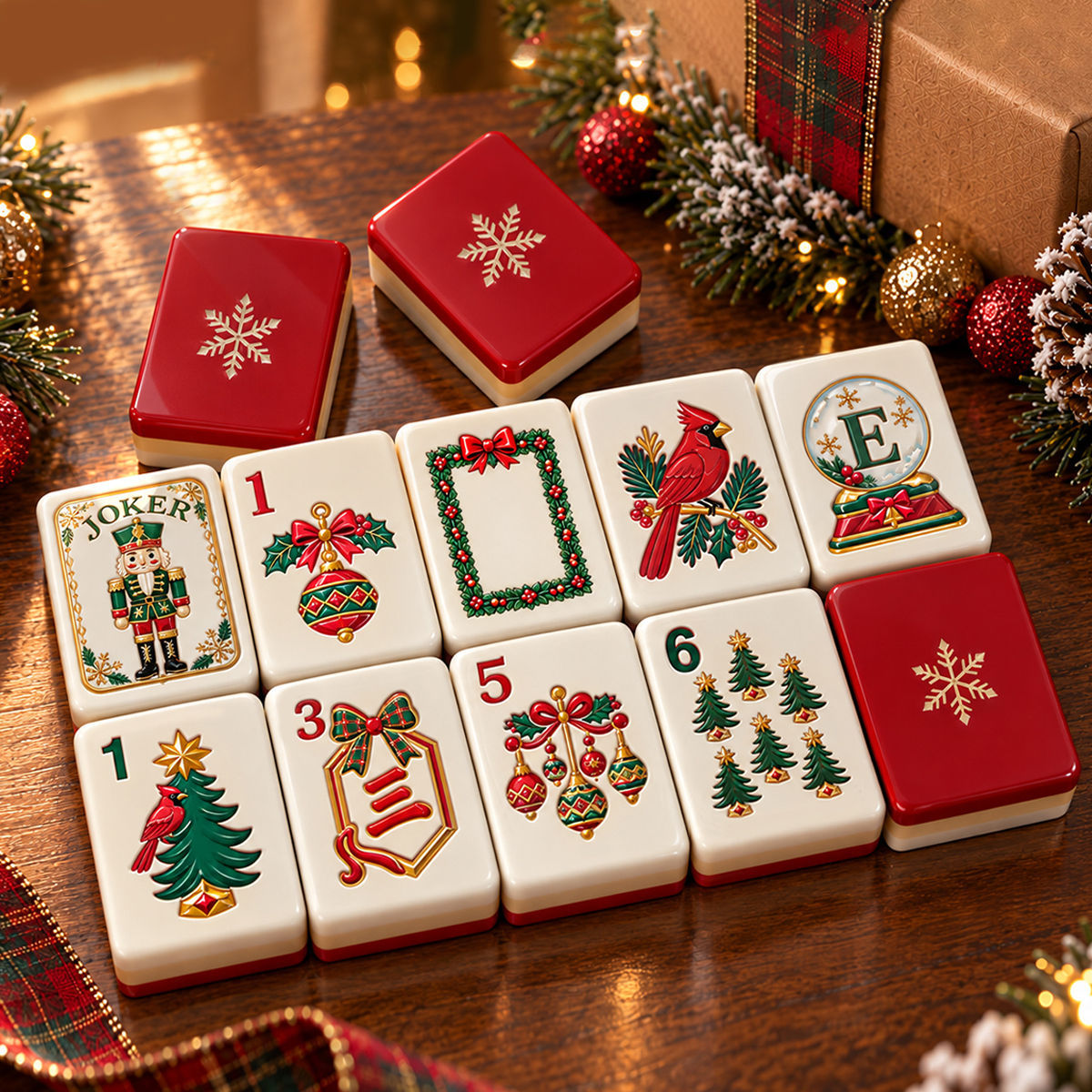
Playing East in American mahjong means you discard first, you're last to draw, and your choices ripple through three opponents' plays. The most costly East mistakes cluster around three areas: reading the card incorrectly for early-game tile safety, burning jokers on speculative melds instead of conserving them for pivots, and discarding dead tiles too late—after opponents already signal their lines. Many players treat East as a leader role (which it is socially) but not as a constraint role (which it is tactically): you have less information than players who will discard after you. Winning East play means playing defensive first, aggressive second, and watching your joker count like you're rationing food.
Are you reading your hand against the card too fast?
Your first two discards set the table's read on you—and East discards them blind. If you pitch a Soap (White Dragon) on turn one because you see one Soap section on the card, you've just told South, West, and North that you're either not holding Soap or chasing a hand with zero Soap pairs. Within two rounds, they'll know your game. The mistake: skimming the card for "hands I can make" instead of "hands I cannot make with my tiles." Slow down. Before you discard, count: How many sections use no Green Dragons? How many use no 5 Bams? Which pairs are impossible? Once you eliminate what you can't play, your first discard becomes information control—a tile no one wants to call, not a confession. How to read the mahjong card walks you through this exactly.

Why are your jokers disappearing by mid-game?
East players burn jokers faster than any other position because the pressure to "build something" comes earlier. You feel the weight of discarding first, so you sub in jokers to make exposed melds, thinking you're leading the game. Then turn six arrives, you haven't drawn fresh tiles, and you're one joker short of your actual winning hand. The rule: in East position, treat your first four jokers like a lifeboat—use zero in exposures until you've locked your winning hand on the card. This isn't cowardice; it's math. You have 152 tiles and eight jokers total. If you expose a pung of 3 Craks using three jokers before you even know if 3 Craks appears in your hand's winning section, you've turned a resource into overhead. Conservative East play: hold all jokers in hand until you're certain of your winning line. Once it's locked, expose freely.
Are you discarding dead tiles at the right moment?
A dead tile is one that no hand on the card uses—say, a lone 1 Bam when you've already seen four. East players pitch dead tiles too early, telegraphing their game. West, South, and North then read your line within two discards and block it. The better mistake (actually a strength) is holding dead tiles to discard late, so rivals can't mine your play for information. Here's the East-specific lesson: if your winning hand needs you to discard a 7 Dot eventually, and a 7 Dot is dead (or nearly dead), discard it on turn three, not turn eight. Why? On turn eight, you've already exposed two melds, and three opponents have analyzed your game. Your "late discard" now looks like a desperate dump, and they'll have positioned to block it. Early dead-tile discards look like misreads, not strategies. North and South won't waste energy guarding against a tile you're dumping early; they'll focus on calls and defensive positioning instead.
What does position math tell you about calling?
East has the mathematical disadvantage: three players will discard before your next draw, meaning three chances for suits or pairs you need to hit the table. Because of this frequency, calling aggressively in East position feels tempting. The trap: you call a 5 Bam from South, expose a pung, and now West sees you're building Bams. West then blocks all Bam discards, and North reads the block and avoids Bam-heavy hands. Contrast this with calling in South or West position, when fewer discards remain before your turn—your call creates less downstream information. East-position calling rule: call only if your win is immediate (one or two more tiles) or if the call unambiguously matches multiple hands on the card (so blocking you doesn't help your opponents narrow their plays). This is why East players who play "tight"—fewer calls, more draws—often finish ahead of looser East players in a series of games.

How should you Charleston differently as East?
The Charleston isn't an East-specific mistake zone, but East players often pass tiles that create cascades they can't escape. When you're discarding first, you need clean rows: suits that are either strong or entirely absent. During the Charleston, if you've been passed 4 Bams and 3 Dots and you're holding 2 Dragons, don't fight it. Pass 4 Bams onward and accept that your early hand will lean Dots-and-Dragons. The mistake: passing back the exact tiles you've been sent, thinking you're "neutralizing" the pass. You're not—you're creating a logjam where you're holding weak combos East position will force you to discard. Choose: strengthen one suit or purge an entire suit during the Charleston. When East begins, you'll have more pressure and fewer options, so fewer weaknesses is the only strategy.
Comparison: Common East Mistakes and Their Fixes
Mistake | When It Happens | Signal | Fix |
Burning jokers early | Turns 1–3, exposed melds | You expose before confirming hand on card | Hold all jokers until winning line is locked |
Reading card too fast | First discard | You pitch a high-value tile like Soap or Dragon | Eliminate impossible hands first, then discard |
Late dead-tile dumps | Turns 6–8 | Opponent reads your signal and blocks | Pitch dead tiles on turns 1–3 to confuse reads |
Over-calling | Early game | You call from South or West after discarding | Call only if win is 1–2 tiles away or call matches 2+ card hands |
Bad Charleston passes | Pre-game | You return passed tiles or hold three weak suits | Commit to one strong suit or purge one suit completely |
🀄 Shop best-selling mahjong sets →
What does a winning East session look like?
A winning East player's first four turns look boring: one dead tile, one safe tile, one pair discard, one suit purge. No exposures. No calls. Just information control. By turn five, you've seen what your opponents are chasing, you've narrowed the card to three or four plausible hands, and you've saved all eight jokers. That's when you shift: you call freely, expose early, and use jokers aggressively because you're now fishing in information-rich water. Players who reverse this sequence—aggressive early, defensive late—almost always lose as East because they've telegraphed their game before they've read the table.
The second hallmark of strong East play: you accept that you'll win fewer hands as East than in other positions, and you're okay with it. Why? Because winning cleanly as East (a hand worth 15–18 points) beats winning loosely as South (a hand worth 8–10 points) over a series of games. East position teaches patience. If you're uncomfortable with a quiet first half of the game, you'll make mistakes that cost you the game and the next three after it.
What to check before you buy your next set
If you're serious about East position play—or any position—your tile set and your mat matter more than most players admit. A set with tiles that slide too easily causes accidental discards and reshuffles that reset information reads. A mat without defined discard rows forces you to re-memorize where each player's line is, eating mental energy you should spend on card reading. Best-selling mahjong sets include acrylic tiles with precision edges and weights that sit firm—no sliding, no surprises. Pair one with a mahjong mat that prints clear, labeled rows. This sounds small; it's not. When you're holding eight jokers and reading three opponents' hands, a mat that forces you to pause and reorient costs you the edge East already denies you.
Also check: can you read your tiles at a glance? Engraved sets with clear symbols and high contrast help you scan your hand in one second instead of three. That cognitive savings compounds across 20 turns into a huge advantage. Many East players blame position for their losses when they're actually losing speed. Engraved American mahjong sets solve this directly.
🎁 See our most-loved mahjong sets & accessories →
Why East position is the teacher position
Once you've played East correctly for a full session, every other position feels easier. West and South feel like vacations because you're no longer first. North feels like a holiday because you have maximum information before your first discard. East teaches you that less information requires more discipline. Most players learn this only after playing East badly a hundred times. The East players we see improve fastest are the ones who stop fighting the position and lean into its constraint—then carry that discipline into other seats.
If you're hosting a weekly game and rotating positions fairly, make sure your tile set and setup support clean play at every position. Small friction—tiles that slip, unclear mats, hard-to-read symbols—becomes huge friction in East position. It's the difference between playing tight and playing careless.
✨ Find your Mahstead set — free US shipping →
#

FAQ
Can I expose melds as East on my first turn?
Technically yes, but don't. Exposing on turn one broadcasts your game before you've read the card or watched one opponent's discard line. Wait until turn four minimum, and only if your winning hand is locked.
Should I Charleston differently as East than other positions?
Yes—aim for one strong suit or one completely purged suit. East discards first and has fewer options later, so clean starting rows let you discard without second-guessing.
How many jokers should I use in East position?
Zero in exposures until your winning hand is confirmed on the card. Then use them freely. Exposures burn jokers without proving they belong in your hand yet.
What's the fastest way to lose as East?
Call on turn two, expose a pung on turn three, and assume you're winning. You've handed three opponents your strategy before you've built it.
Does hand difficulty change East strategy?
Yes. Complex hands (five conditions, rare pairs) require East to play even tighter early; simple hands (one pair, many jokers) let you expose slightly earlier because you're less committed to specific tiles.


View More
View More
View More
