
Mahjong Cruise: What to Know Before You Go
Last updated: Nov 23, 2026
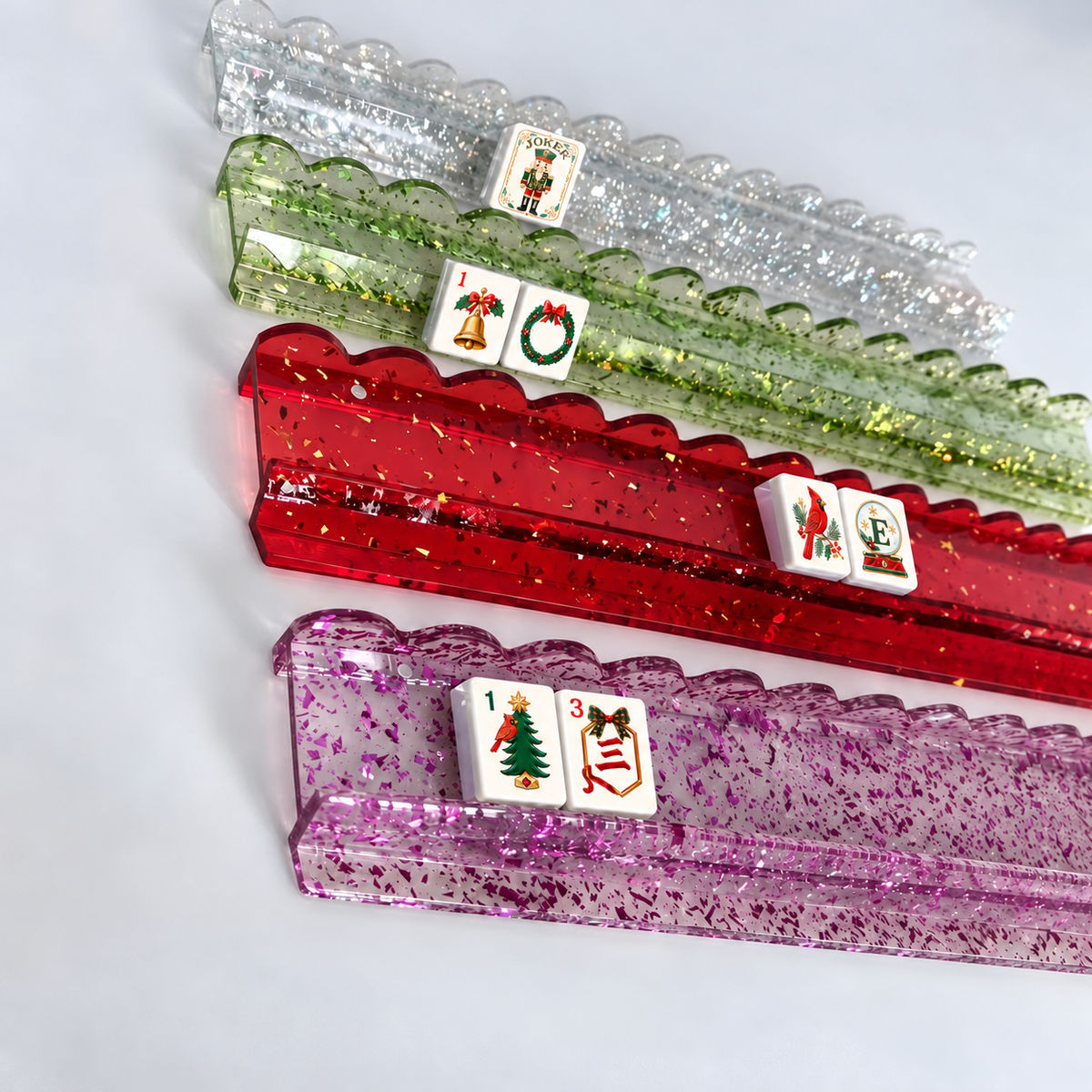
A mahjong cruise is a multi-day voyage organized around mahjong play, hosted by travel companies partnering with cruise lines. Players join shipboard tournaments, casual games, and social events; some include instruction for beginners. Most cruises last 4–7 days, depart from major US ports, and include accommodation and meals. You typically bring your own set and case unless the organizer specifies otherwise. Confirm what's included (tables, chairs, lighting) and whether you need your own equipment before booking.
Do I need my own mahjong set on a cruise?
Yes, unless the cruise explicitly states sets are provided. Most cruise organizers expect players to bring their own equipment—a full American mahjong set with mat and racks. Confirm this with the cruise host before booking; some luxury cruises or beginner-focused events may supply sets. If you don't own a set yet, this is the moment to invest in one that travels well: look for acrylic sets in a protective travel case that won't crack in luggage or a cabin.
What should I pack in my cruise cabin for mahjong?
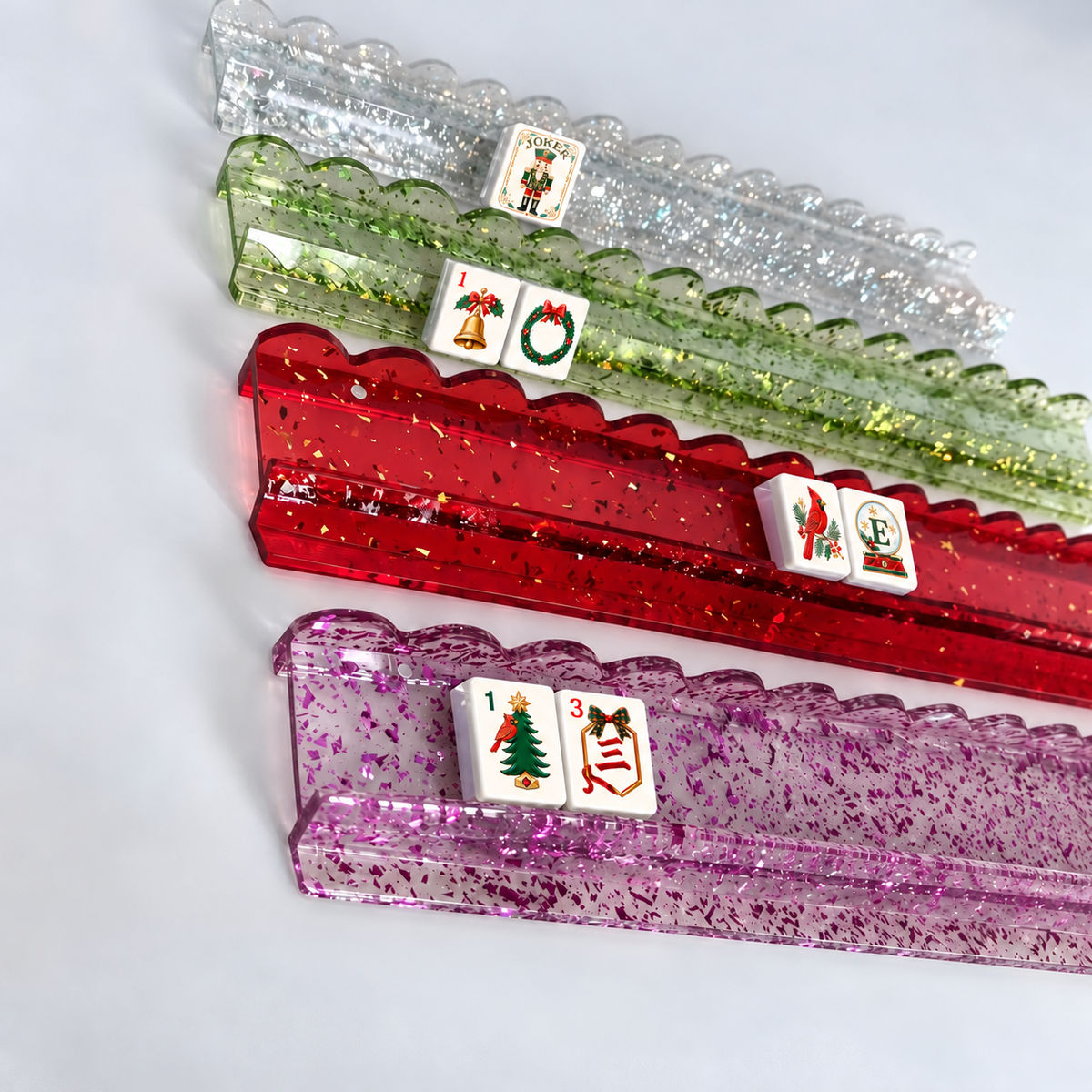
Bring your mahjong set, a portable mat (easier to stow than a full table cover), racks with pushers, and a compact tile rack for your cabin if you plan informal evening games. Pack dice separately in a small pouch. Leave room in your bag—cruise cabins are tight. A set designed for travel saves space without sacrificing durability; acrylic tiles and a padded case compress better than bamboo or bone sets. Consider a lightweight mat from our collection of mahjong mats that rolls up, not one that requires a full table.
How do I prepare for the skill level of cruise games?
Contact the cruise organizer early and ask about the player breakdown: beginner, intermediate, competitive, or mixed. If you're new to American mahjong, review the basic rules beforehand—at minimum, understand tile composition, the Charleston (tile-passing ritual), and how to read the current year's National Mah Jongg League card. Learn American mahjong rules step-by-step at least two weeks before departure so you can ask questions online or find a local game to practice. Most cruises include some casual play where skill mix is okay; competitive tournaments usually require prior experience.
What happens if my tiles get damaged during travel?
Acrylic tiles are far more durable than bamboo or bone during travel; they resist cracking, scratching, and warping. However, any set can sustain damage in luggage if it's loose. Always pack your set in a padded case—not a flimsy pouch—and check it yourself at the cabin before your first game. If a tile breaks onboard, ask the cruise organizer or a fellow player if they have a spare set; many cruisers carry backup tiles. A quality travel case from our collection protects your investment and ensures your set survives the trip intact.

What's the unwritten etiquette on a mahjong cruise?
Bring a friendly attitude: cruises mix players from different regions and clubs, so game pacing and house rules may differ. Clarify the specific National Mah Jongg League card year being used before sitting down (usually the current year). Don't hog the table after your game ends; tables and chairs are shared. Be patient with beginners in casual games and competitive in tournament play—know which you've signed up for. Tip dealers or scorekeepers if the cruise doesn't include gratuity. Respect cabin quiet hours and don't assume everyone wants to play at midnight.
Preparation & Equipment Checklist
Item | Why It Matters | Check Before Cruise |
American mahjong set, 160-tile | Standard for cruises; 160-tile includes spares for travel wear | Tiles present, no cracks, case closes securely |
Travel-ready case or bag | Protects tiles; fits cabin storage | Padded, has handle, locks or latches |
Portable mat | Easier stow than full table cover; defines play surface | Rolls up, weight < 2 lbs, surface is washable |
Racks with pushers | Organize your hand visibly | Include all four, no broken pegs or hinges |
Dice | Required for tile draw | Two dice per player, stored separately |
National Mah Jongg League card | Read hands and validate wins | Current year (2026), laminated or in sleeve |
Notebook & pen | Track games, scores, house rules | Lightweight, fits in carry-on |
Backup tiles (optional) | Insurance against breakage onboard | 1–2 extra tiles per suit or a mini spare set |
🀄 Shop best-selling mahjong sets →
What's the difference between a casual mahjong cruise and a tournament cruise?
Casual cruises emphasize socializing: games are mixed-skill, rules are relaxed, and winning is secondary. Tournament cruises run ranked play, often require proof of skill level or club membership, and use strict scoring and house rules. Casual cruises suit new players and players who want to learn; tournaments suit experienced players seeking competition. Ask the organizer upfront which type they're hosting and whether you can switch if you change your mind. If you're booking your first cruise, casual is safer—you'll enjoy yourself and discover whether tournaments appeal to you for future trips.
Will the cruise provide seating, tables, and lighting?
Most major cruise lines dedicate spaces (game rooms, lounges, or private game halls) with tables and chairs; some organizers bring collapsible tables. However, lighting can be dim, and you may be seated at a plastic dining table not designed for mahjong comfort. Bring a small clip-on lamp or request brighter seating during game signup. Your own mat and racks improve sightlines and tile grip even at an awkward table. Comfortable seating matters during long games; if your cabin has a good table and space, some players prefer low-stakes evening games there rather than crowded public rooms.
🎁 See our most-loved mahjong sets & accessories →
How far in advance should I book a cruise?
Book 3–6 months ahead. Popular cruises (spring, holidays, specific destinations) fill quickly and may sell out. Early booking often includes cabin choice, lower rates on premium decks, and time to practice before departure. Contact the travel organizer or cruise line directly—many mahjong cruises are coordinated by independent travel agents or player associations, not the cruise line's main booking site. Ask if the organizer offers repeat-player discounts or group bookings. Confirm cancellation and refund policies in writing, especially regarding cabin changes or schedule shifts.
What to Check Before You Buy Your Travel Set
Set completeness: Verify all 152 playing tiles plus spares are present; count all four suits, winds, dragons, and flowers.
Tile material & durability: Acrylic is lighter and more travel-resistant than bamboo; confirm edges are smooth and tiles are uniform in weight.
Case protection: Padded interior, secure latches, and a carry handle are non-negotiable; soft pouches damage tiles during transport.
Rack fit: Racks must hold 13–14 tiles per player without jamming; test the tilt angle if possible.
Mat rollability: Choose a mat that folds or rolls compactly; full table covers won't fit a cabin or luggage.
Spare jokers & blanks: The 160-tile set includes extra jokers and blanks—confirm they're included and stored safely.
✨ Find your Mahstead set — free US shipping →
Cruises are where casual home players meet experienced competitors and discover new friends. The right set—durable, portable, and complete—transforms your cruise from stressful to memorable. Start with an acrylic set designed for travel so you can focus on the game, not worrying about your tiles.

FAQ
Can I bring a non-American mahjong set (Chinese, Hong Kong, Riichi)?
Check with the cruise organizer first. Most North American cruises use American mahjong rules and the National Mah Jongg League card; your set won't be compatible. Bring an American set or ask if the organizer provides one for international variants.
What if I forget my mahjong card onboard?
Ask another player to share, or request a copy from the cruise organizer or front desk—most have spares printed. Many players carry laminated cards so they don't get torn or lost; bring yours in a small plastic sleeve.
Are seasickness or rough seas a problem during mahjong games?
Yes, if you're prone to motion sickness. Choose a cruise on a major holiday week (smoother sailing) and a larger ship if possible. Play in a lower deck with fewer windows if motion bothers you. Anti-nausea medication taken before boarding helps many players.
Do I need travel insurance for my mahjong set?
Not separately, but check your homeowner's or renter's insurance for coverage of valuables during travel. Most modern sets are affordable enough to replace, but a protective case and careful packing eliminate most risk.
What if I'm a complete beginner—should I go?
Yes, if the cruise is labeled beginner-friendly or casual. Contact the organizer and ask if they host teach-in sessions or mixed-skill games. Bring a guide to American mahjong and practice one game with friends before departure so you're comfortable with the basic flow.


View More
View More
View More
