
Mahjong Clubs in West Palm Beach: How to Join & Get Started
Last updated: Nov 23, 2026
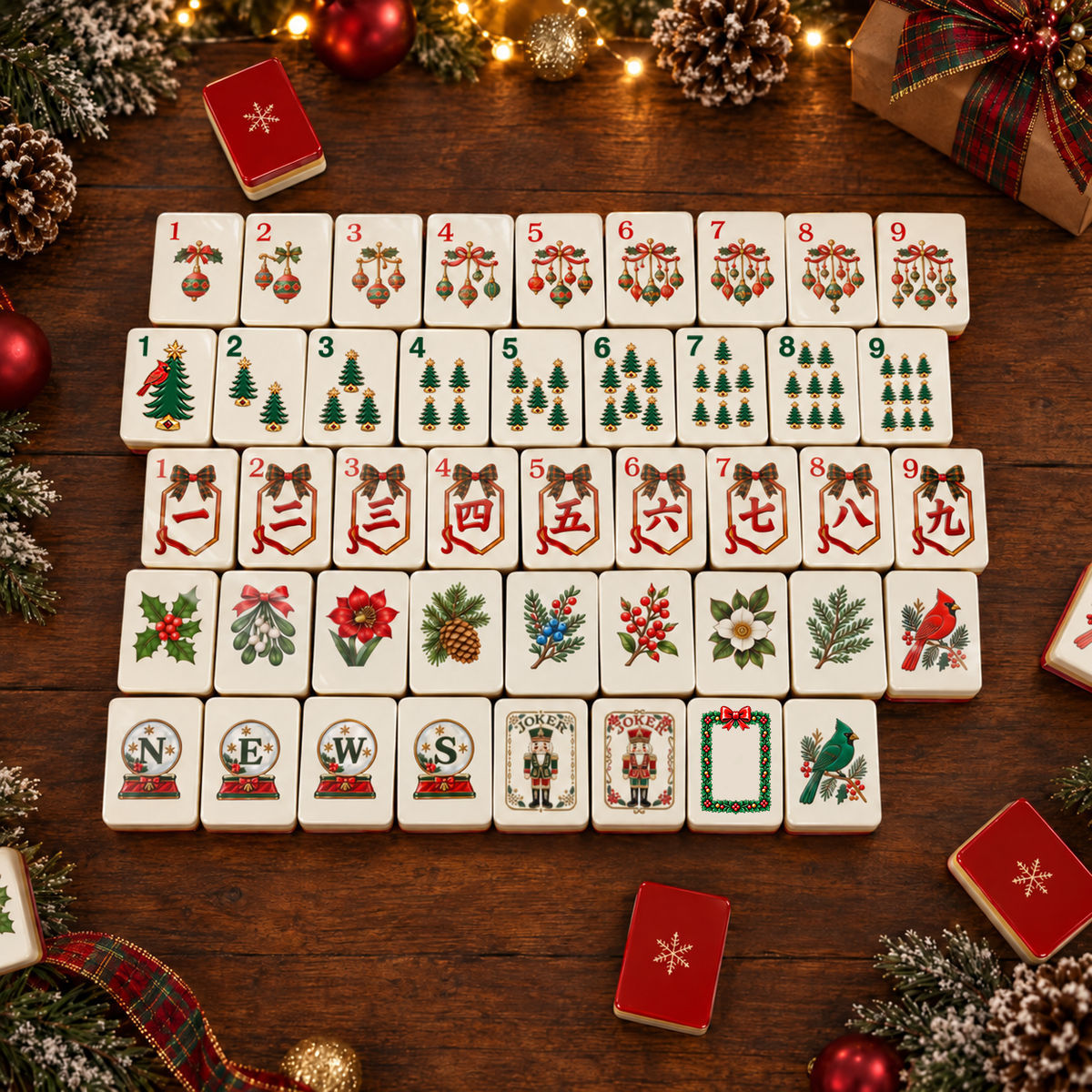
West Palm Beach mahjong clubs gather primarily through community centers (check the Parks and Recreation department), public libraries (many host open game nights or maintain player referral lists), and private country clubs or synagogues with active game schedules. Most groups play American mahjong using the current National Mah Jongg League card and meet weekly or bi-weekly, typically on weekday afternoons or evenings. Beginners are welcome at most casual groups; expect to learn the Charleston (tile-passing ritual), how to read the season's card, and basic hand patterns within 2–3 sessions. You'll need a 152-tile acrylic set with 8 jokers, a mat, and racks with pushers—from best-selling mahjong sets bundled with mats and racks. No fee to join open community games; private clubs may charge membership dues. Start by calling your local library or community center events line to ask about mahjong nights.
Where do West Palm Beach players actually gather?
Community centers and libraries are your entry point. Call the City of West Palm Beach Parks & Recreation to ask which centers host mahjong or tile-game clubs; most have dedicated weekly slots. Libraries often post game schedules on bulletin boards or maintain email lists of regular players. Country clubs (particularly those in golf communities) frequently run mahjong groups for members; ask at the pro shop or check their activity calendar. Synagogues and Jewish community centers in the area also host games, both for members and invited guests—phone ahead to ask about guest nights. Nextdoor and local Facebook groups often list weekly games; search "[your neighborhood] mahjong" to find recent posts about meeting times and tables.

What happens your first night—and what should you bring?
Arrive 15 minutes early. You'll draw tiles to determine seat position (East, South, West, North), watch or participate in the Charleston (three rounds of tile-passing before the hand is dealt), and play 4–6 hands in an evening. Experienced players will explain the hand-calling procedure and how to match tiles to the current season's League card. Bring a notebook to jot down common hand patterns and a pen. Wear comfortable clothes and flat shoes—you'll be sitting 2–3 hours. Many groups have a house set on hand, but bringing your own ensures you know your tiles and racks. If borrowing, ask if the group prefers American-standard 152-tile sets with acrylic tiles (easiest to read and handle). Most casual groups don't charge; some pass a small dish for snacks or wear-and-tear on the house set.
🀄 Shop best-selling mahjong sets →
What gear do you really need as a new player?
Item | Why It Matters | What Beginners Often Miss |
152-tile acrylic set | Industry standard; quiet, durable, visible tile faces | Using old bakelite or buying a 144-tile set—wrong for US games |
Holds 13–14 tiles upright so you see your hand clearly | Playing loose tiles on the table slows the game down | |
Felt or rubber mat | Protects table, defines play area, mutes tile noise | Bare wood or plastic damages tiles and disturbs neighbors |
Card holder or stand | Keeps the League card visible without hands covering it | Memorizing hands defeats the learning curve—use the card |
Protects tiles during transport; essential if you visit clubs regularly | Loose tiles in a grocery bag shift and scratch |
A full bundle—set, mat, racks, and bag—fits in most car trunks and lasts years. Many groups allow you to play with their house set for your first 2–3 sessions; after that, owning your own is courteous.
How fast do beginners actually learn the game?
Most players grasp the basic rules and tile-matching within one session and can call hands confidently by session three. The learning curve is gentler than chess or bridge because you're not memorizing; you're reading the printed League card and spotting matches. Many West Palm Beach clubs pair newcomers with an experienced player during the first hand of the evening—they'll walk you through calling, exposing sets (pungs and kongs), and understanding scoring. Expect to feel slow the first few weeks; everyone does. By week four or five, you'll spot patterns before your neighbor and feel like part of the game. Attend consistently—skipping two weeks means re-learning tile names and hand logic.
🎁 See our most-loved mahjong sets & accessories →

How do you know if a group is right for you?
Visit three different clubs or game nights before deciding. Look for these red flags: groups that rush beginners off the game, don't allow you to use the card, or expect you to already know hands. Green flags: players explaining calls, a relaxed pace, laughter, and someone offering a snack. Ask how long most players have been active—a mixed-experience table teaches you faster than all-advanced play. Find out if the group plays for points only (no money) or uses small stakes; decide your comfort level beforehand. Some groups are all-women, all-members-of-a-club, or open to anyone—pick the social fit. Skill levels vary widely; don't assume a group that looks "too good" won't welcome you. Most players remember being confused and enjoy teaching.
What mistakes do newcomers make—and how to sidestep them?
Mistake: Buying a cheap set online without knowing if it's American standard (152 tiles, no blanks added to play). Fix: Call your club and ask what they use, then order from a trusted source like Mahstead—their 160-tile sets ship with spare jokers, so you always have 152 tiles ready.
Mistake: Not learning the Charleston before your first game. Fix: Watch a video or ask the host to demo it one round early.
Mistake: Trying to memorize all hands instead of using the card. Fix: Keep the card in front of you every hand. Reading it is faster and more accurate than memory.
Mistake: Playing with a mat so old or thin it doesn't protect tiles. Fix: A felt or rubber mat costs less than replacing chipped tiles.
Mistake: Skipping weeks, then wondering why you've forgotten the rules. Fix: Commit to four consecutive weeks minimum. After that, breaks feel less jarring.
✨ Find your Mahstead set — free US shipping →
What to check before you buy your first set
Tile count: American mahjong uses exactly 152 tiles in play. Any set labeled 160 or 166 tiles includes spare jokers and blanks—only the first 152 tiles are shuffled into the game. Confirm the retailer ships acrylic tiles (not bakelite or bamboo, which are fragile and harder to read).
Racks and pushers: Verify the set includes racks tall enough to hold 13–14 tiles without overlap. Pushers should slide smoothly without chipping tile edges.
Mat sizing: Measure your table; mats range from 24" to 36" square. A table-covering mat is more durable than a small play-area mat if you host games regularly.
Bag quality: If ordering a travel bag, check that it has interior padding and separators to prevent tiles from shifting in transit.
Shipping and returns: Confirm the retailer ships free within the US and has a return window if tiles arrive damaged. Mahstead offers free US shipping and replaces defective tiles.

FAQ
Can I learn mahjong online before joining a club?
Yes—watch tutorials on the Charleston and basic tile matching—but in-person games teach you faster. Reading the card and calling hands feels natural only with live play.
Do West Palm Beach clubs require membership fees?
Community center and library games are free. Private clubs may charge annual or monthly dues. Ask before your first visit.
What's the age range at local clubs?
Most groups span 40s to 80s, with a mix of retirees, working professionals, and serious hobbyists. Ask the host if you're younger or older and want a compatible group.
How much do tiles and a mat cost?
See current prices on the best-selling collection page. Budgeting for a full bundle—set, mat, racks, bag—and allowing for shipping is wise for your first purchase.
Can I borrow a set for my first few games?
Most clubs will lend you theirs if you ask. After three sessions, owning your own shows respect for the group and lets you practice at home.
Do I need to know the card before I start?
No—keep it in front of you and refer to it constantly. Learning hand patterns comes naturally over weeks, not days.


View More
View More
View More
