
Mahjong Starter Kit Materials Compared: Tile, Mat & Set Guide
Last updated: Nov 23, 2026
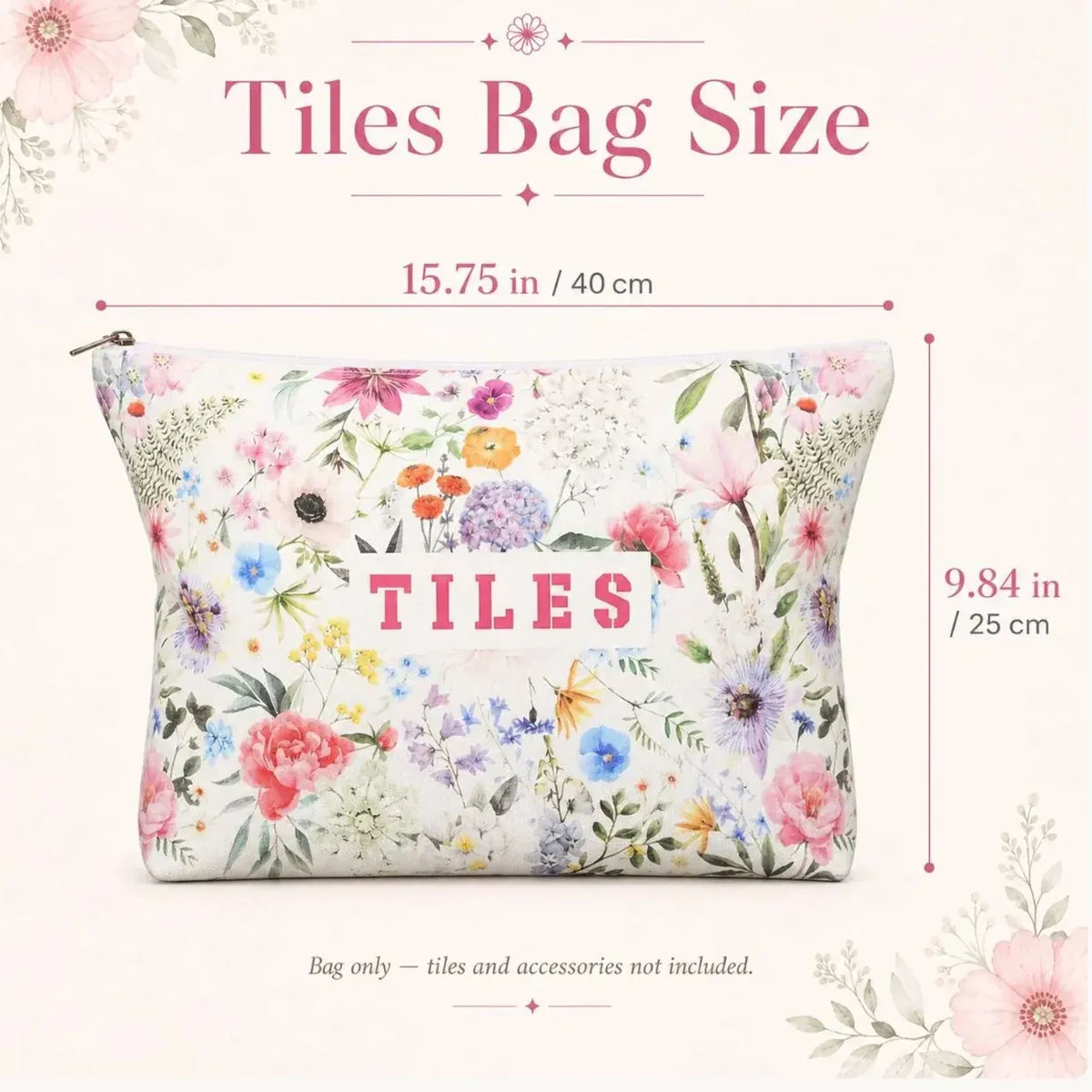
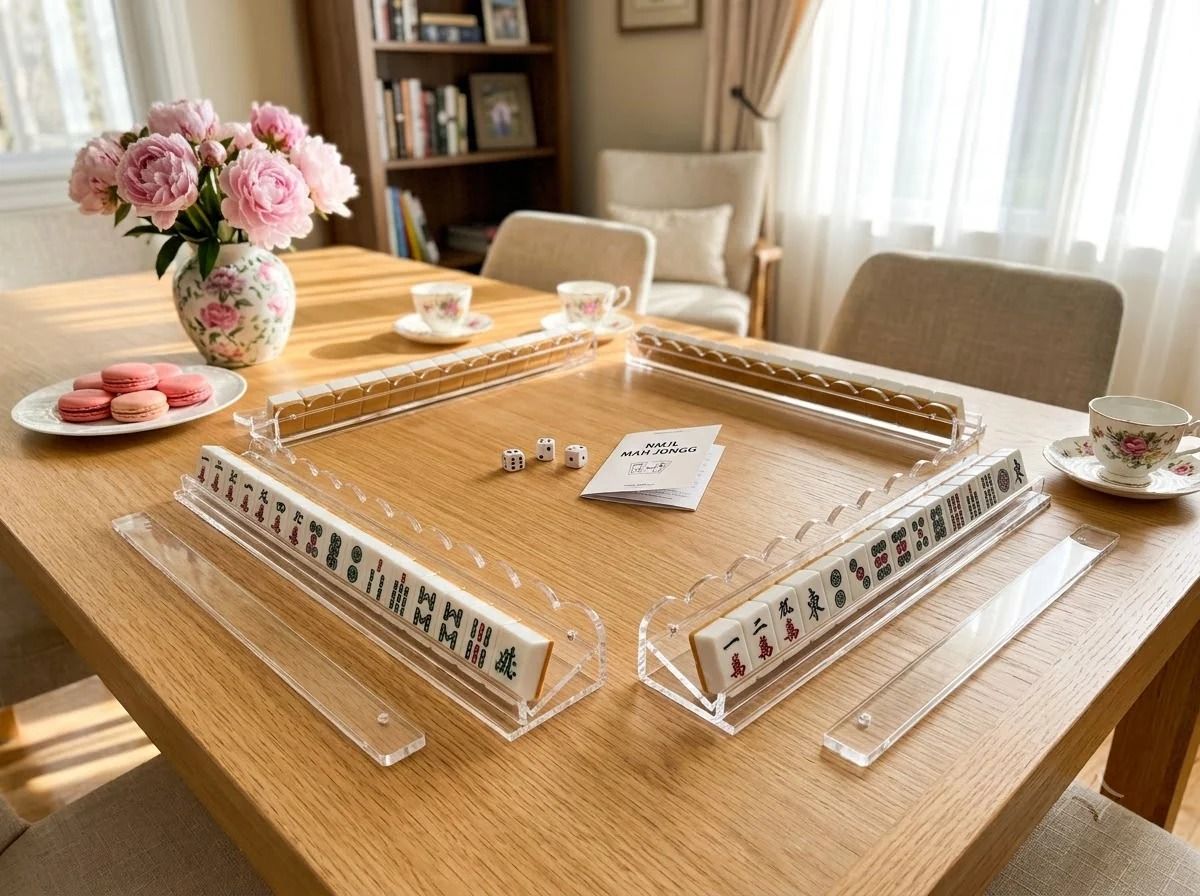
A mahjong starter kit typically includes a 160-tile acrylic set (152 playing tiles plus spares), a mat, racks, and a carrying bag—all you need for four players. Acrylic tiles are the standard for American mahjong: lightweight, durable, and forgiving for new players who accidentally drop tiles. A mat protects your table and speeds up play by keeping tiles organized; racks with pushers let players manage their hand without touching tiles unnecessarily. Beginners should prioritize a complete set from our best-selling collection, then add a mat sized to your table (roughly 36" × 36" for a standard four-player game). Avoid the trap of buying tiles alone: you'll need a working surface, hand storage, and a way to transport everything. Most first-time players underestimate how often they'll play once they start—invest in quality materials that survive years of weekly games, not a budget kit that chips or warps after six months.
What tile material should a beginner choose?
Acrylic is the gold standard for starter players because it's affordable, survives drops, and looks professional at the table. Bamboo feels premium and sounds authentic (that satisfying clack), but costs more and chips if you drop it on a hard floor. Ceramic tiles weigh more, feel substantial, and sound beautiful—but they're fragile and heavier to shuffle. For your first game, acrylic wins: it plays identically to bamboo or ceramic, won't make you wince when someone jostles the tile rack, and leaves your budget for a mat and racks. Explore our best-selling sets to see the range of acrylic designs, from classic numerals to custom engraved titles that make your home game feel official.
🀄 Shop best-selling mahjong sets →

How big should your mat be and why does it matter?
A mat should be large enough for all four players' racks, the wall, the live deck, and the discard area—typically 36" × 36" for a standard table. Too small, and players overlap tiles or get frustrated reaching across; too large, and it slides off your table or takes up too much storage. Measure your playing table before ordering: a mat should hang 2–3 inches over the edge on each side. Non-slip backing keeps the mat stable during shuffling and tile-drawing chaos. Check the mat buying guide for depth—some mats double as table protectors, while others are pure play surfaces. Most starters buy a mat the first time they play twice in a week and realize bare tables are a mess.
What's the real difference between sets with and without racks?
A set with racks saves you the hassle of buying them separately—and you'll want them. Racks keep your hand hidden (crucial in competitive play), prevent tiles from sliding, and reduce fumbling. Without racks, players hold tiles in their hands, which slows the game, causes drops, and makes it easy to accidentally flash your hand. For casual home games, racks feel like a luxury; for weekly play, they're essential. Check whether your starter kit includes four racks with integrated pushers—those small sticks that let you draw and display tiles without handling them directly. If your set includes only tiles and a mat, add racks with pushers as your next purchase; don't skip them.
🎁 See our most-loved mahjong sets & accessories →
Should you buy a bag or case for storage and travel?
A bag or case protects your investment during storage and transport. Soft bags are lighter and fit in closets; hard cases cost more but survive car trunks and stacked shelves. If you host weekly at home, a cloth or padded bag is enough. If you rotate between houses or travel to game night, a case prevents tiles from scattering during car rides and keeps everything organized. Compare bags and cases options by interior compartments—good ones separate tiles from mats, racks, and dice, so you're not hunting for missing pieces before game time. Most players start with a bag, then upgrade to a case after their second year of regular play.
How do you know if a kit includes everything you need?
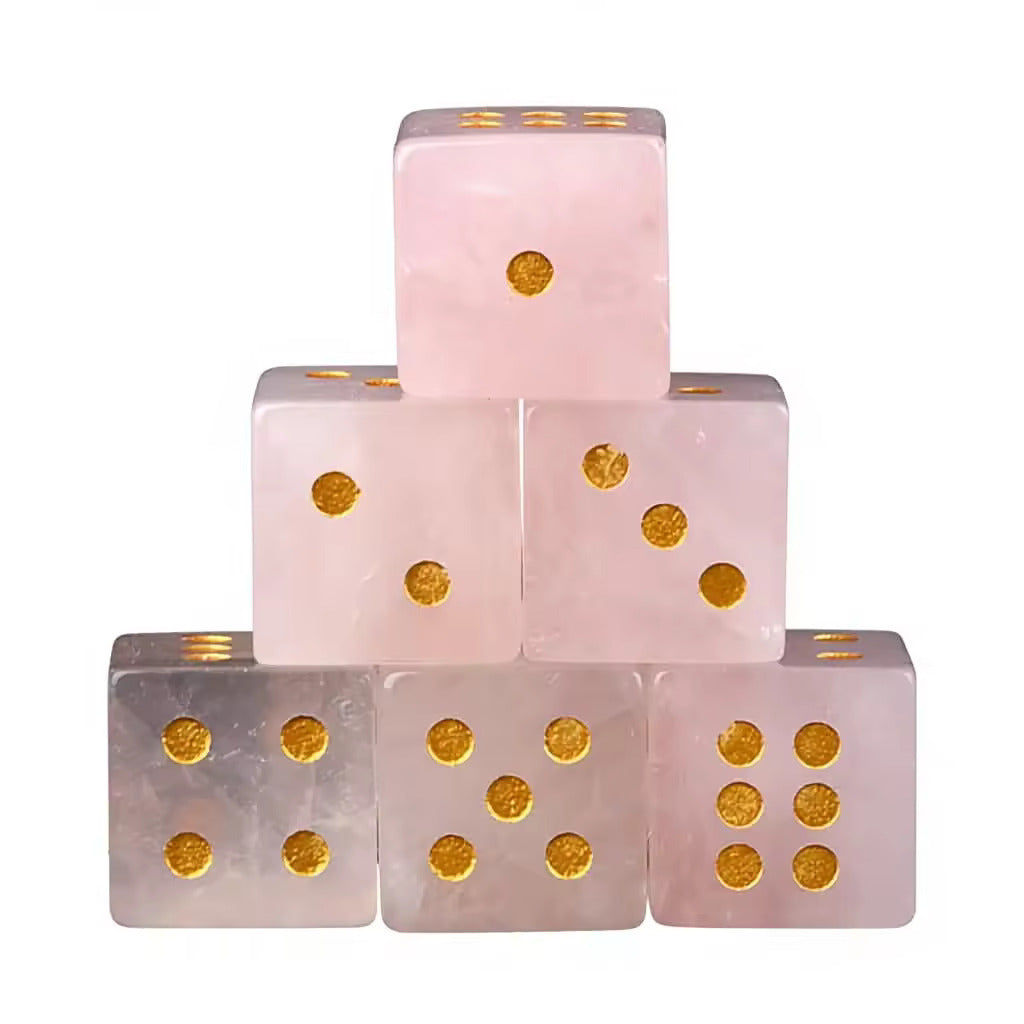
Check the product description for: (1) tile count (160 is standard), (2) presence of racks, (3) mat included or sold separately, (4) carrying option. A complete starter kit includes the 160-tile set, a mat, four racks with pushers, and a bag. If any piece is sold separately, that's fine—but factor the total cost into your decision. Don't assume a kit comes with dice; many don't, and dice are cheap to add later. Check whether the set is engraved with titles (purely cosmetic, but many players love it) or plain numerals. Read user feedback in product descriptions (not invented reviews—real details like "my tiles fit easily in a standard shelf" or "the mat smells plastic for a week"). Before ordering, verify your table dimensions against the mat size, count your regularly playing friends (do you need a 2-player or 4-player set?), and decide whether you want your set to look casual or like a serious home game.
Comparison: Starter Kit Options at a Glance
Kit Type | Best For | Tile Material | What's Included | Typical Storage |
Basic acrylic set | Casual home play, tight budget | Acrylic | 160 tiles, mat | Soft bag or closet |
Complete acrylic bundle | Weekly game night, no hassle | Acrylic | Tiles, mat, racks, bag | Soft bag or case |
Engraved acrylic | Serious home game, personal touch | Acrylic | 160 tiles (titled), mat, racks, bag | Case or shelf display |
Upgrade bamboo | Year 2+, players who commit | Bamboo | 152 tiles, mat, racks, case | Hard case |
✨ Find your Mahstead set — free US shipping →
What to check before you buy
Table dimensions. Measure length and width; mat should be 36" × 36" or match your table size within 2 inches per side.
Playing group size. Standard kits serve four players; if you play 2–3 regularly, check 2-player rules and confirm your set works.
Storage space. Soft bag fits a closet shelf; case needs cabinet or under-bed clearance.
Tile grip preference. Visit a friend's game or a local club to feel acrylic, bamboo, and ceramic—sound and weight matter more than specs suggest.
Transport frequency. If hosting always at home, a bag suffices; rotate locations or travel = case.
Engraving or plain. Engraved sets (with house names, themes, or family names) cost slightly more but make your game feel official; plain tiles are cheaper and work identically.
Check the National Mah Jongg League card year. Your set must be from 2026 (current year); old year sets won't work for that year's hands.
Most new players buy a complete bundle their first year, then add a second mat for a vacation house or upgrade to a case after 18 months of weekly play. Starting with one quality kit and expanding is smarter than buying multiple cheap sets.
FAQ
Can I learn American mahjong with bamboo tiles instead of acrylic?
Yes—tile material doesn't affect gameplay, only comfort and durability. Bamboo sounds and feels more premium, but beginners benefit from acrylic's forgiveness (they survive drops and cost less to replace if one breaks).
Do I need a mat to play, or is it optional?
Technically optional, but highly recommended. A mat keeps tiles organized, protects your table, and signals that your game is serious. Bare tables lead to scattered tiles, bumped hands, and confusion about whose wall is whose.
What size mat should I order for a smaller table?
Measure your table first. A 32" × 32" mat fits smaller tables; a 36" × 36" fits standard dining tables. The mat should hang 2–3 inches over each edge so players can reach the wall without tiles sliding.
Is a hard case worth it if I only play at home?
Probably not immediately. Start with a soft bag; upgrade to a case if you travel to games, want shelf display, or after two years of regular play when the soft bag shows wear.
Do I need to buy jokers and blank tiles separately?
No. A 160-tile set includes all 152 playing tiles (Bams, Craks, Dots, Winds, Dragons, Flowers, Jokers) plus spare jokers and/or blanks. You play with 152 and 8 jokers only; spares stay in the box.
Can I use a placemat or tablecloth instead of a mahjong mat?
Not ideal. A mahjong mat has marked zones (wall, live deck, discard), non-slip backing, and raised edges that keep tiles from sliding. A tablecloth slides, offers no organization, and tiles scatter easily during shuffling.
How do I know if a kit includes racks with pushers?
Check the product description for "racks" or "tile stands." If racks aren't mentioned, they're sold separately—add them to your order or budget for them later. Pushers (small sticks) should be built into the racks or included as loose pieces.


View More
View More
View More
