
Mahjong Clubs in Savannah: Where to Find & How to Join
Last updated: Nov 23, 2026
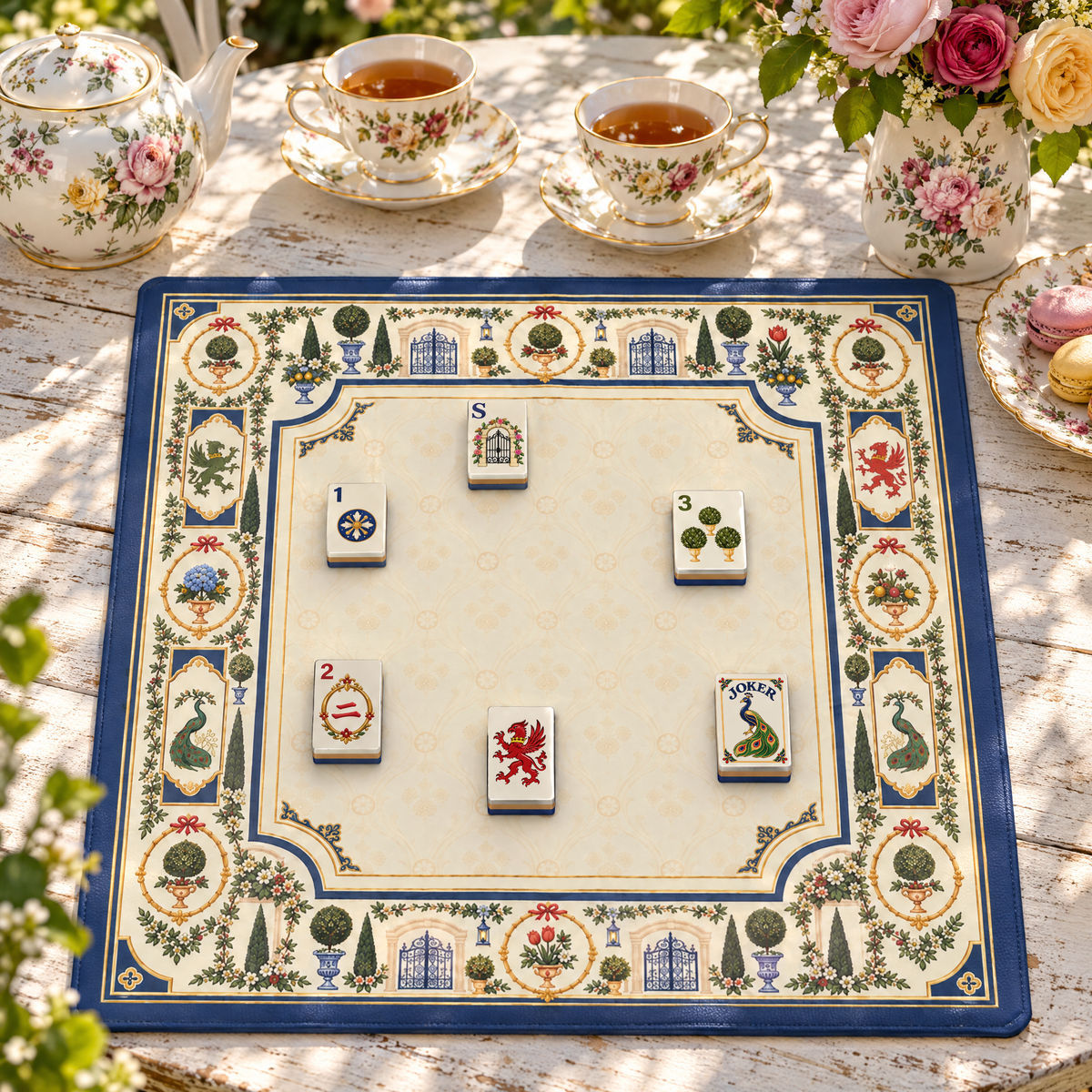
Mahjong clubs in Savannah operate in public spaces like the Chatham County Public Library system, local community centers, and private home groups advertised through meetup boards and word-of-mouth networks. Most American mahjong games meet weekly on afternoons or evenings for 2–4 hours, require 152 tiles plus 8 jokers per set, and follow hands from the current National Mah Jongg League card (issued every spring). Expect a learning curve of 3–6 weeks to play competently; many clubs teach newcomers freely. If you can't find an organized group, starting your own requires a 160-tile American set (which includes spare tiles), a mat, racks with pushers, and the current year's card. Costs vary from free at community programs to modest membership fees at private clubs. Avoid joining a group playing an outdated card or without jokers—both will confuse your hand reading and slow play.
Most mahjong groups in Savannah meet at Chatham County Public Library locations, city recreation departments, or private residences. Start by phoning your nearest library's events desk or checking their posted classes; many offer free mahjong time slots. Community centers often sponsor beginner sessions through arts or social programs—ask about autumn and winter class schedules, when registration typically opens. For private home games, check Meetup, Facebook community groups for Savannah residents, and bulletin boards at local cafes, synagogues, or country clubs (which sometimes host card rooms). Ask your library or a rec center staff member if they maintain a community bulletin board or email list of active players; many Savannah players post notices there.
Where Do Savannah Mahjong Players Actually Meet?
Public libraries and city recreation programs host the most accessible games in the Savannah area. These are typically free or charge a small activity fee, and instructors welcome beginners. Private clubs—usually membership-based—meet in members' homes or rented spaces and occasionally advertise through local meetup networks. Some groups gather weekly; others rotate between homes or play seasonally. Your best bet is a Tuesday or Thursday afternoon or evening slot, which captures retired players and those with flexible work schedules.

What to Expect During Your First Session?
Your first game will feel overwhelmed—that's normal. You'll sit with three other players, receive 13 tiles, pass tiles during the Charleston (a tile-exchange ritual lasting about 5 minutes), then draw and discard in turn until someone completes a hand from the current card. A typical session lasts 2–4 hours and includes 3–8 complete games. Most groups play for small stakes (a few dollars per game) or no money at all; confirm the house rules before you start. Players will slow down for you, explain hand patterns, and answer questions between rounds. Bring the current year's National Mah Jongg League card (ask the organizer which version they use) and a pen.
Do I Need My Own Set, or Can I Borrow?
Most established clubs own shared sets, so your first 2–3 sessions will use house tiles. Once you're ready to play regularly, bringing your own set is respectful and ensures you learn on equipment you'll use at home. American mahjong sets come in standard 160-tile configurations with acrylic or bamboo tiles, and quality matters: chipped edges, misaligned tiles, or missing jokers create frustration and miscounts mid-game. Look for best-selling mahjong sets with clear, large engraved numbers (especially helpful for aging eyes), smooth pushers, and sturdy tile racks. If you play weekly, a personal set pays for itself in confidence and portability within a season.
How Do I Start My Own Weekly Game at Home?
Starting a home mahjong group requires four committed players and the right setup. Recruit players through existing clubs (ask the host if you can post a "seeking additional players" notice), Meetup, or friends of friends already in the scene. Set a fixed day and time—Thursday evening 7–10 p.m. attracts the most regulars. You'll need a 160-tile American mahjong set with 8 jokers, a felt or padded mat to protect tiles and reduce noise, racks with pushers for each player, and the current year's card. Establish house rules upfront: free play or stakes, which card version you'll follow, and whether phones are allowed. Most Savannah groups play the standard American game with no time pressure, scoring per the league card, and a gentle pace that lets conversation happen. A home game typically needs 2–3 hours per session, so plan around dinner or refresh time.
What Equipment Do You Actually Need to Host Reliably?
A durable set and organized storage separate amateur home games from groups that last. The best-selling mahjong sets include acrylic tiles pre-counted into 160 (152 playing plus spares), making setup foolproof: no sorting, no lost pieces. A quality mat protects your table and deadens tile noise, which keeps neighbors happy and voices clear for conversation. Racks with pushers let players organize their tiles without picking them up mid-game—a small detail that speeds play and reduces errors. A travel bag or case keeps everything together and ready; many Savannah hosts rotate hosting duties, and a single portable bag means you can carry the game to a friend's home or a rented space.
Equipment | Why It Matters | Durability Tip |
160-tile acrylic set | Clear, large numbers; no chips after 100+ plays | Store in original box or padded case |
Felt mat | Quiet tile movement; protects table | Wipe after play; store flat or rolled, never folded |
Racks with pushers | Organized tiles; cleaner, faster play | Check pushers grip smoothly; replace if loose |
Bag or case | Portability; nothing gets lost | Choose one rated for tile weight; organize compartments |
Current year's card | Hands must match this card only—no old cards | Print extras; laminate for coffee spills |
🀄 Shop best-selling mahjong sets →

How Long Before You Can Join a Game and Feel Competent?
Most players feel comfortable by their fourth or fifth session, assuming they study the card 30 minutes between games. American mahjong is rule-light compared to other variants—you don't need to memorize hand sequences because the card shows every legal combination. What takes practice is spotting your hand in the card, understanding joker rules, and learning to spot other players' hands (so you don't throw them a winning tile). Join a beginner-friendly group, attend weekly, and ask questions without apology. Within 6–8 weeks, you'll call hands confidently and start noticing patterns. Beginners often struggle with reading the card layout—ask an experienced player to walk you through a hand or two before your first session.
What Are Common Mistakes Newcomers Make?
Throwing a tile someone else can win. Watch the discard pile. If someone draws the 3 Dot and you discard a Red Dragon, they might win. This takes practice and focus.
Forgetting you can't use jokers in a pair. A pair must always be identical, real tiles—never one tile plus one joker. This catches many beginners mid-game.
Assuming old cards still work. The National Mah Jongg League releases a new card every spring. Hands from last year's card won't match this year's version. Always ask which card the group uses.
Bringing a mismatched set. Some groups mix 144-tile and 152-tile sets by accident. This breaks hand counting and annoys everyone. American mahjong plays with exactly 152 tiles plus 8 jokers—no more, no fewer. Before you start, confirm your set has the right tile count and all jokers.
Playing without understanding joker placement.Jokers have strict rules in American mahjong: they can't be used as a single tile, can't be in a pair, and must be used in exposed melds (pungs, kongs, quints, sextets). Many new players waste jokers or use them illegally, which halts the hand.
🎁 See our most-loved mahjong sets & accessories →
What to Check Before You Buy Your First Set
If you're ready to invest in your own equipment, verify these points before ordering:
Tile count: American mahjong uses exactly 152 playing tiles plus 8 jokers. A 160-tile set includes spares so nothing gets lost.
Tile clarity: Numbers and suit symbols must be large and engraved (not printed). After 50 games, printed tiles fade.
Joker count: Confirm the set includes 8 jokers, not fewer. Some cheaper sets cut corners here.
Rack quality: Pushers should grip smoothly and not slip. Test-fit a sample if possible.
Mat material: Felt mutes noise and protects your table. Neoprene works too. Avoid bare plastic, which is loud and slides.
Storage: A bag or case keeps everything in one place and ready to grab when you're hosting or going to a friend's home.
For a group that plans to play weekly for years, a durable set from our best-selling collection saves money and frustration over time.
✨ Find your Mahstead set — free US shipping →
Finding and Joining the Savannah Mahjong Community: Your Next Steps
Start by contacting your nearest Chatham County library or city recreation office this week—ask specifically about mahjong sessions or clubs. If you find a group, attend once as an observer and bring the current year's card. If you strike out, post a "seeking mahjong players" notice in the library's community section or on a local Meetup. Once you've played 3–4 times and feel hooked, invest in a set that will last: clear tiles, working jokers, smooth racks, and a protective mat. Hosting a home game transforms mahjong from a weekly outing into a hobby you control—and your friends will thank you for the standing invitation. The Savannah mahjong scene is warm and welcoming; getting in takes one conversation and one commitment to show up.

FAQ
How often do Savannah mahjong clubs actually meet?
Most meet weekly—typically one fixed day and time like Thursday evenings. Some players rotate between homes; others host at the same location. Frequency varies: some groups play year-round, others pause in summer. Ask your group upfront whether they play 52 weeks or skip holidays.
Can I play mahjong if I've never heard of it before?
Yes. American mahjong is simpler than bridge or poker because the card shows every legal hand—you don't memorize patterns. Most clubs have beginners every season. Plan for 3–6 weeks of weekly play before you feel truly confident calling your own hands.
What do I do if I can't find an organized club in my area?
Post on Meetup, Facebook community groups for Savannah residents, or library bulletin boards: "Seeking mahjong players for weekly home game, beginners welcome." Recruit friends from work, church, or other hobbies. Four committed people can start immediately; start with the best-selling mahjong sets and a mat.
Do I have to pay money to play?
No. Many home games and library groups play for free or small amounts ($1–5 per game). Private clubs may charge membership dues. Confirm house rules before you sit down so there are no surprises.
Which mahjong card do I need if I'm starting out?
The current year's National Mah Jongg League card only—a new version releases every spring. Ask your club which card they use and buy or print that edition. Old cards from previous years won't match current hands and will confuse you and the table.
How do I know if a mahjong set I'm considering is good quality?
Look for acrylic or bamboo (not plastic), engraved numbers that won't fade after 50 games, all 8 jokers included, smooth pushers, and sturdy racks. A set should feel substantial in your hands. Avoid sets with fewer than 8 jokers or unclear tile printing—you'll regret it after two weeks of weekly play.


View More
View More
View More
