
Mahjong Clubs in Sarasota: Where to Play & How to Join
Last updated: Nov 23, 2026
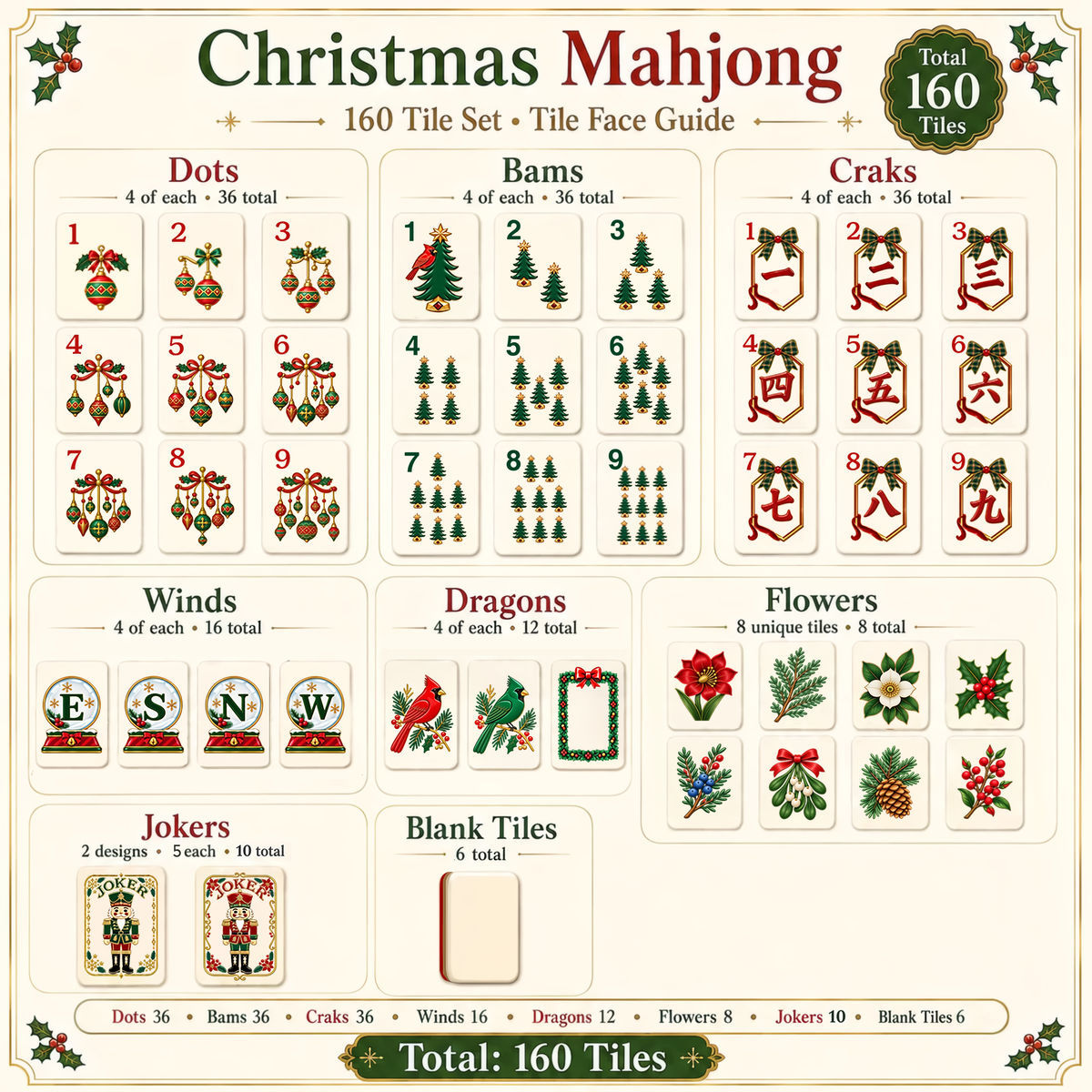
Sarasota hosts mahjong players at community centers, libraries, synagogues, and country clubs; search community center activity calendars, local library bulletin boards, and synagogue event listings, or post a request on neighborhood Meetup groups. Most clubs follow American mahjong rules and meet weekly or twice monthly during daytime hours. Beginners are welcome, though it helps to understand the basics of mahjong for beginners before your first game. You'll need a 160-tile set, a mat, racks with pushers, and the current year's National Mah Jongg League card—many clubs have spare sets available. Expect to join a table of four players, learn the Charleston tile-passing ritual, and play hands that match the published card. No membership fee is universal; some groups ask for a small pot or donation per session, while others play for fun only.
Where do Sarasota mahjong clubs actually meet?
Sarasota's mahjong scene clusters around four types of venues. Community centers—typically run by Sarasota County Parks & Recreation—post weekly activity schedules online and in person; call ahead to ask if mahjong is offered or if a group uses their space. Public libraries often host game clubs on weekday afternoons and maintain bulletin boards where players advertise meetups. Synagogues and Jewish community centers frequently organize mahjong games as social events, especially in neighborhoods with established retirement populations. Country clubs and private clubs sometimes host members-only games; ask at the front desk. The most reliable way to find an active group is to check your community center's current schedule, then confirm by phone or email before showing up.

Do you need to know how to play before you show up?
Most Sarasota clubs welcome beginners and will teach the basics during your first visit. Experienced players understand that everyone learns by playing, not by memorizing the rulebook. However, arriving with a rough idea of how to play American mahjong speeds things up and builds your confidence faster. Spend 15 minutes reading the rules or watching a beginner video, then show up ready to ask questions during hands. Clubs appreciate players who've attempted to learn rather than those expecting a formal lesson during live games. Bring a notebook if you want; many players jot down hand patterns to study at home.
🀄 Shop best-selling mahjong sets →
What equipment should you bring to your first game?
If you're attending a club that provides sets, you may not need to bring anything—just show up and ask. If you're joining a regular group or hosting your own game, you'll need a complete 160-tile American mahjong set, a mat to keep tiles organized, racks with pushers for each player, and a copy of the current year's National Mah Jongg League card (issued each spring). Most players also carry a small bag or case to transport their equipment safely. A set with engraved or personalized tiles is optional but creates a sense of ownership that encourages regular play. If you're buying your first set, choose one with clear tile markings and durable acrylic construction; plastic tiles wear quickly and become hard to read.
Item | Why It Matters | Where to Get It |
160-tile set | Exact tile count for legal American mahjong play | Mahstead, or borrow from club |
Mat | Organizes hand and protects tiles during play | Mahstead mahjong mats collection |
Racks with pushers | Holds tiles upright; pushers let you draw smoothly | Mahstead racks with pushers |
Current NMJL card | Lists all legal hands for the year; required to verify wins | Purchase from NMJL or local clubs |
Dice | Determines wind and seating for each round | Usually included in Mahstead sets |
What's the best way to find an active group this month?
Start with your community center's website or call the main desk to ask which days mahjong meets. Check your local public library for posted flyers or ask a librarian—they usually know active game groups. If you're part of a neighborhood Facebook group or Nextdoor, post a simple message: "Looking for a mahjong group in Sarasota—beginner-friendly." Call local synagogues or Jewish community centers directly and ask if they host games. Once you find one group, ask if they know other players or clubs; word-of-mouth referrals often lead to multiple meetups in your area. Start with the club closest to your home or at a time that fits your schedule.

How do you move from watching to actually playing?
Arrive 10–15 minutes early to meet the group and explain you're new. Watch one complete hand before you sit down—observe how tiles move, how players draw and discard, and how the card is consulted. Ask to sit in for the next hand if a player needs to step out, or wait until the next round begins. On your first hand, ask for help reading the card and understanding your draw. Don't worry about perfect strategy; focus on learning the rhythm. Most groups will slow down a little for a new player and won't judge mistakes. Return the same day or week if possible; regularity helps you build confidence and friendships fast.
🎁 See our most-loved mahjong sets & accessories →
What are the unwritten rules at a Sarasota mahjong club?
Every group has its own culture, so ask before you sit. Common norms: keep your discard pile neat and clear, don't touch other players' tiles, speak up if you think someone misread the card (it's collaborative, not adversarial), and mute your phone. Most clubs play for small stakes or no money—ask in advance if a pot is collected or if it's friendly play only. Arrive on time, stay for a full session (usually 2–3 hours), and let the group know if you can't make it. Respect the scorekeeper and don't challenge scoring after a hand is over unless you have a genuine rule question. Offer to bring snacks or coffee if you're joining regularly; it's a gesture players appreciate.
What if no club fits your schedule?
Start your own game. Recruit three friends who are interested in learning, get one 160-tile set and the current NMJL card, and pick a weekly day and time. You can use a dining table with a mat, or buy a dedicated mahjong mat to create a level playing surface. Watch one tutorial together, play slowly, and laugh at mistakes. Many thriving Sarasota clubs started as a kitchen-table game between neighbors. If you're hosting, keep refreshments simple and focus on teaching the game, not running a tournament. Within a few weeks, you may attract other players and expand naturally.
What to check before you join a club
Schedule: Does it fit your calendar? Can you commit to weekly or twice-monthly attendance?
Skill level: Is it genuinely beginner-friendly, or are players all advanced? (Call and ask directly.)
Cost: Is there a fee, pot, or donation each session? How much?
Tiles and card: Does the club provide sets and a current NMJL card, or should you bring your own?
House rules: Do they play straight American mahjong, or do they allow house variations?
Social vibe: Is it casual and social, or competitive and silent? Ask a current member.
✨ Find your Mahstead set — free US shipping →
Getting your own set ready
If you're joining or starting a group and need your own equipment, a 160-tile mahjong set is the foundation. Pair it with mahjong racks with pushers so each player can hold and draw tiles smoothly, and a quality mahjong mat to keep the game organized. Store everything in a travel bag or case so you can carry it between home and the club without damage. If you're looking for a personalized touch, engraved tiles or themed designs make your set memorable—useful if you're hosting regularly and want others to remember your game.

FAQ
Are there beginner-only mahjong clubs in Sarasota?
Most social clubs welcome all levels, but competitive or tournament-style groups may not. Ask directly: "Is this beginner-friendly?" when you call. Many groups slow down and teach when a new player joins; that's good enough. You don't need a separate beginners-only club if you find a welcoming regular group.
Do I have to pay to join a Sarasota mahjong club?
Most clubs are free or ask for a small casual pot (a few dollars per session). Some ask for a donation toward coffee or supplies. Call and ask the cost upfront. If you're starting your own group, you set the rules—most kitchen-table games are free.
What if I'm visiting Sarasota for a few weeks and want to play?
Drop in to a community center game during open hours—most clubs welcome one-time guests. Bring your own set if you have one, or ask if the club has a spare. Explain you're visiting and want to learn; regulars almost always make room.
Can I play mahjong online instead of joining a club?
Yes, online mahjong exists, but live in-person play is entirely different—you touch tiles, learn speed and rhythm, and build real friendships. Most Sarasota players prefer the social experience of sitting around a table with four people.
Do I need the newest National Mah Jongg League card?
Yes. The card changes every spring. Old cards make hands illegal. Ask the club if they have the current year's card before your first session, or purchase your own. Every legal hand must match the published card.
What if I make a mistake during a hand?
Stop and tell the table. Mahjong is collaborative—everyone wants a fair game. Mistakes happen; the group will gently correct you and move on. Don't worry about it.


View More
View More
View More
