
White Mahjong Racks: Racks with Pushers for Every Player
Last updated: Nov 23, 2026
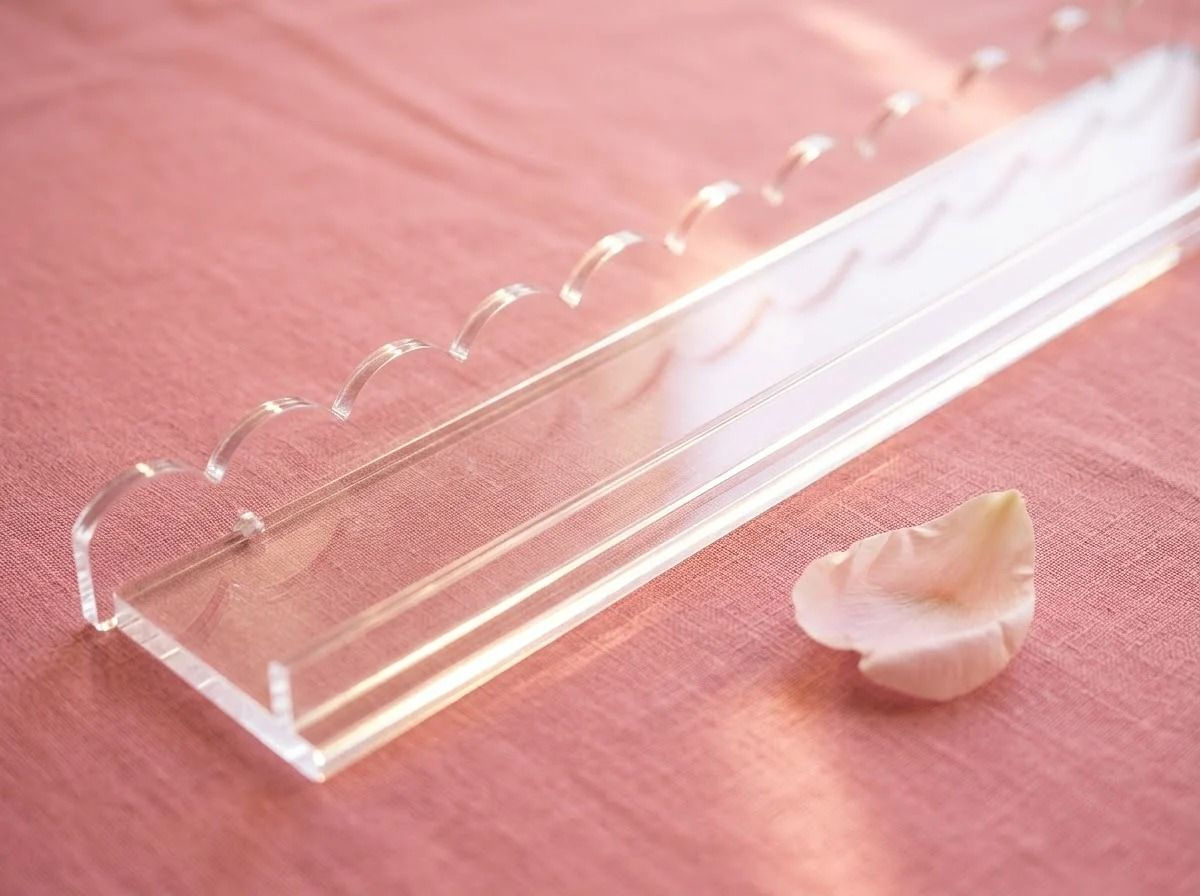
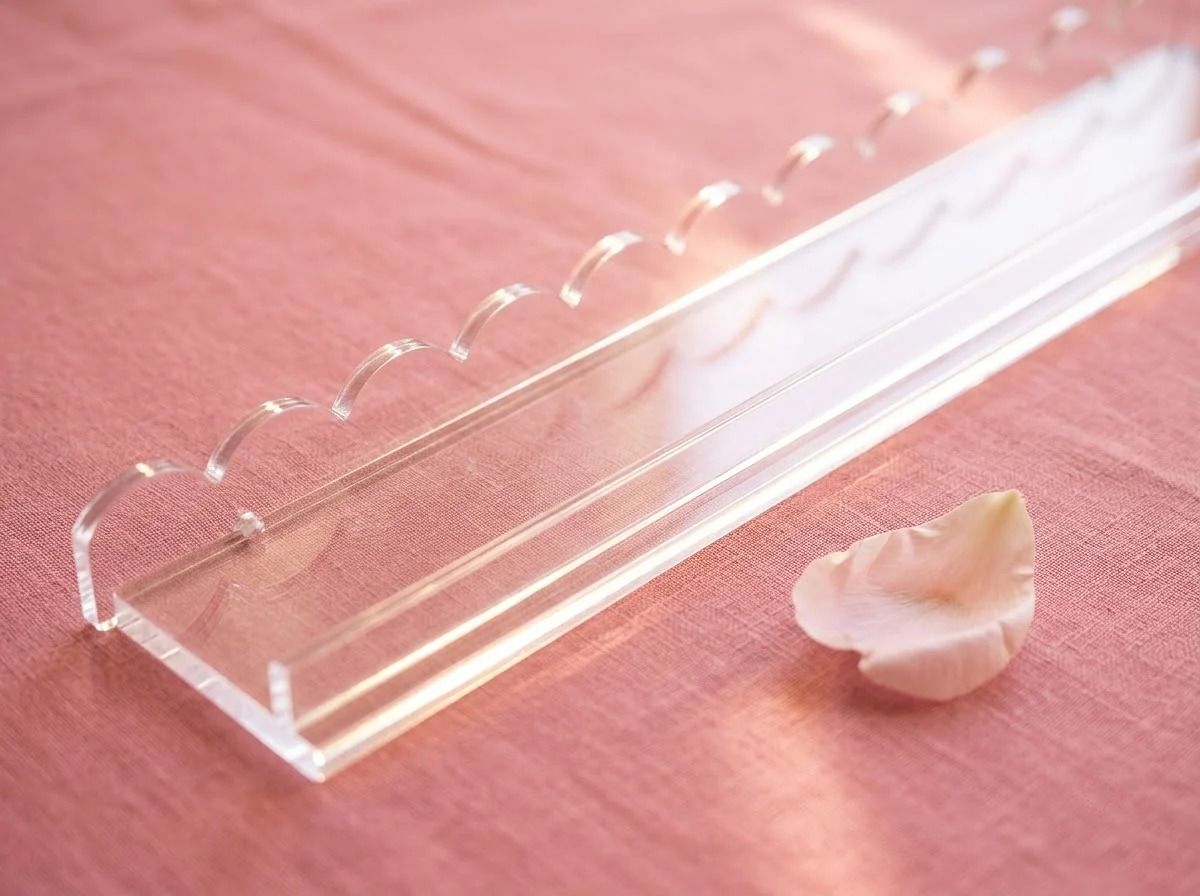
A white mahjong rack with pushers is a tilted holder that keeps your 13 or 14 tiles vertical and sorted by suit while you play—it replaces the need to hold tiles in your hand. Racks come in wood, acrylic, or bamboo; most measure 8–10 inches wide and hold a full hand plus one draw. The pushers (small sticks) help you move tiles left and right to reveal winning combinations without dropping them. White racks blend with any table setup and work for beginners and serious players alike. You can find mahjong racks with pushers in natural wood finishes, painted white, or clear acrylic—prices vary by material and finish. White is popular because it doesn't dominate the table visually and matches light-colored mahjong sets and mats. Always check depth (some are shallow for tight spaces) and pusher quality before ordering; poor pushers jam easily mid-game. 🀄 Shop best-selling mahjong sets →
What does a white rack actually do during play?
A white rack holds your hand stable so you can focus on strategy, not juggling tiles. Instead of fanning 14 tiles across your lap or desk, the rack displays them upright and separated by suit. The pushers let you slide tiles to group melds (pungs, kongs, exposed sets) without fumbling. You can see your entire hand at a glance, spot winning patterns faster, and move tiles cleanly when you pick up a new draw from the wall. New players especially benefit because hand management is one of the biggest learning curves in American mahjong.
Natural wood versus painted white—which lasts longer?
Natural wood racks age gracefully and show no chips or paint wear over years of weekly play; they're also lighter and less likely to slide on smooth surfaces. Painted white racks look cleaner and match modern tile sets and white mats, but paint chips if bumped or scraped, exposing bare wood underneath. Either lasts 5–10 years with normal use. If your table gets a lot of casual traffic (parties, kids, moving between rooms), a natural wood finish hides marks better. If you care about aesthetics and your game nights are stationary, painted white stays crisp longer if you store it carefully. Most of us keep painted racks in bags between sessions to protect the finish.
How do you know if a rack will fit your hand size and table space?
Measure your table depth from the edge where you sit to the center wall—most racks need 9–12 inches of clear space to angle upright. Rack height (typically 3–4 inches) should let you see all tiles comfortably without craning your neck. Depth (the distance from front to back of the rack) determines how many tiles fit; standard racks hold 14 tiles in one row or split into two rows for 7 each. A two-row design compresses width to 8 inches, useful for crowded tables; single-row racks fan to 10 inches but give you better visibility. If you're short or sit close to the table, a shallower rack (3 inches deep) keeps tiles closer to your body. Test a borrowed rack at a friend's game before buying; your comfort matters more than any review.
✨ Find your Mahstead set — free US shipping →
Pushers: wood, bone, or plastic?
Pushers are the friction point—they slide across the rack's inside grooves thousands of times a season. Wood pushers (usually bamboo or hardwood) grip tile edges smoothly and won't stain; they're durable and quiet. Bone or resin pushers feel premium and don't warp, but they can slip on smooth tiles if the rack's grooves aren't well-cut. Plastic pushers are cheapest but often jam or crack after a year of heavy play. We recommend asking whether the rack includes pushers before ordering; some sell them separately. Test pusher motion: they should glide smoothly with light finger pressure, not require force. A rack with poorly cut grooves will make any pusher frustrating, so pusher quality alone doesn't tell the whole story.

What's the real difference between white racks and colored ones?
White and natural wood are the most neutral choices; they don't compete with your tile set or mat colors. Some players choose black or dark wood racks because they contrast with tiles, making melds easier to see. Bright colors (red, jade green) match themed sets but can feel dated if you switch sets. Most weekly groups use white or natural finishes because they work with any American mahjong set. If you're buying racks for a club or teaching beginners, white is the safest bet—it looks professional and doesn't distract. For personal play, choose what makes your tiles easiest to read and your hand most comfortable to manage.
Comparison: White Rack Styles at a Glance
Rack Type | Best For | Typical Width | Key Trade-off |
Single-row white wood | Home games, serious players | 9–10 inches | Takes more table space |
Two-row white acrylic | Compact tables, casual play | 7–8 inches | Smaller tiles, less visibility |
White with bamboo pushers | Long-term use, low maintenance | 9 inches | Slightly higher cost |
Natural wood (unstained) | Flexibility, hiding wear | 8–9 inches | Less matchy with white mats |
What to check before you buy a white rack
Groove depth: Pushers should sit snug but not wedged; shallow grooves let tiles slide freely, deep ones cause friction.
Angle stability: Place the rack on your actual table and verify it doesn't tip or slide; felt pads underneath matter more than you'd think.
Pusher fit: Borrow or photograph one to confirm the pushers aren't loose (they'll rattle) or too tight (they jam).
Tile size match: If you have large acrylic tiles, the rack's interior width must accommodate them; measure your tile width (usually 1–1.2 inches) against the groove spacing.
Edge finish: Check for splinters on wood racks or rough edges on acrylic; these catch tile edges during play and slow you down.
Return policy: Ask whether the seller accepts returns if the rack doesn't fit your tiles or table; most reputable makers do within 30 days.
Since we make engraved American mahjong sets and offer mahjong racks with pushers, we've learned that the best rack setup is a three-piece system: a quality rack, a matching mat to define your play zone, and a bag to protect everything between games. If you're new to hosting or upgrading from hand play, a white rack paired with a light-colored mat creates the most inviting table and speeds up every hand.
🎁 See our most-loved mahjong sets & accessories →

FAQ
Can I use a colored rack instead of white if my tile set is colorful?
Yes. White is neutral and blends with any aesthetic, but a natural wood or black rack contrasts nicely with bright tiles and can make melds easier to spot. Choose based on your table's look and your visibility preference, not tile color alone.
Do pushers ever need replacing, or are they permanent?
Pushers wear over years of use, especially if the rack's grooves are shallow or uneven. Bamboo and bone pushers last longer than plastic. Most racks come with spares, but replacement pushers from the maker cost only a few dollars if needed after several seasons.
What happens if I buy a rack and it's too wide for my table?
Two-row racks compress width to 7–8 inches and work on crowded tables; single-row racks fan wider but give better tile visibility. Measure your table's usable depth before ordering. If unsure, contact the maker—most will advise on fit.
Should I buy a white rack or a natural wood one for a beginner?
Either works. White matches modern acrylic tile sets and light mats; natural wood hides wear and works with traditional sets. Beginners benefit more from rack comfort (shallow depth, smooth pushers) than color, so test before committing if possible.
How often do white racks need cleaning or maintenance?
Wipe white racks monthly with a soft, dry cloth to remove dust and tile residue. Avoid water unless they're sealed acrylic; paint can chip if soaked. Wood racks benefit from annual light oil (linseed or teak oil) to prevent drying and splitting, but it's optional.
Can a white rack hold tiles if the mat is also white—will they blend together?
No. Tiles are raised 3–4 inches on the rack, creating depth separation. A white rack and white mat actually look cohesive and modern; the tiles pop against both because of the angle and the contrast between tile face and mat surface.


View More
View More
View More
