
Mahjong Clubs in Salt Lake City: Where to Play & How to Join
Last updated: Nov 23, 2026
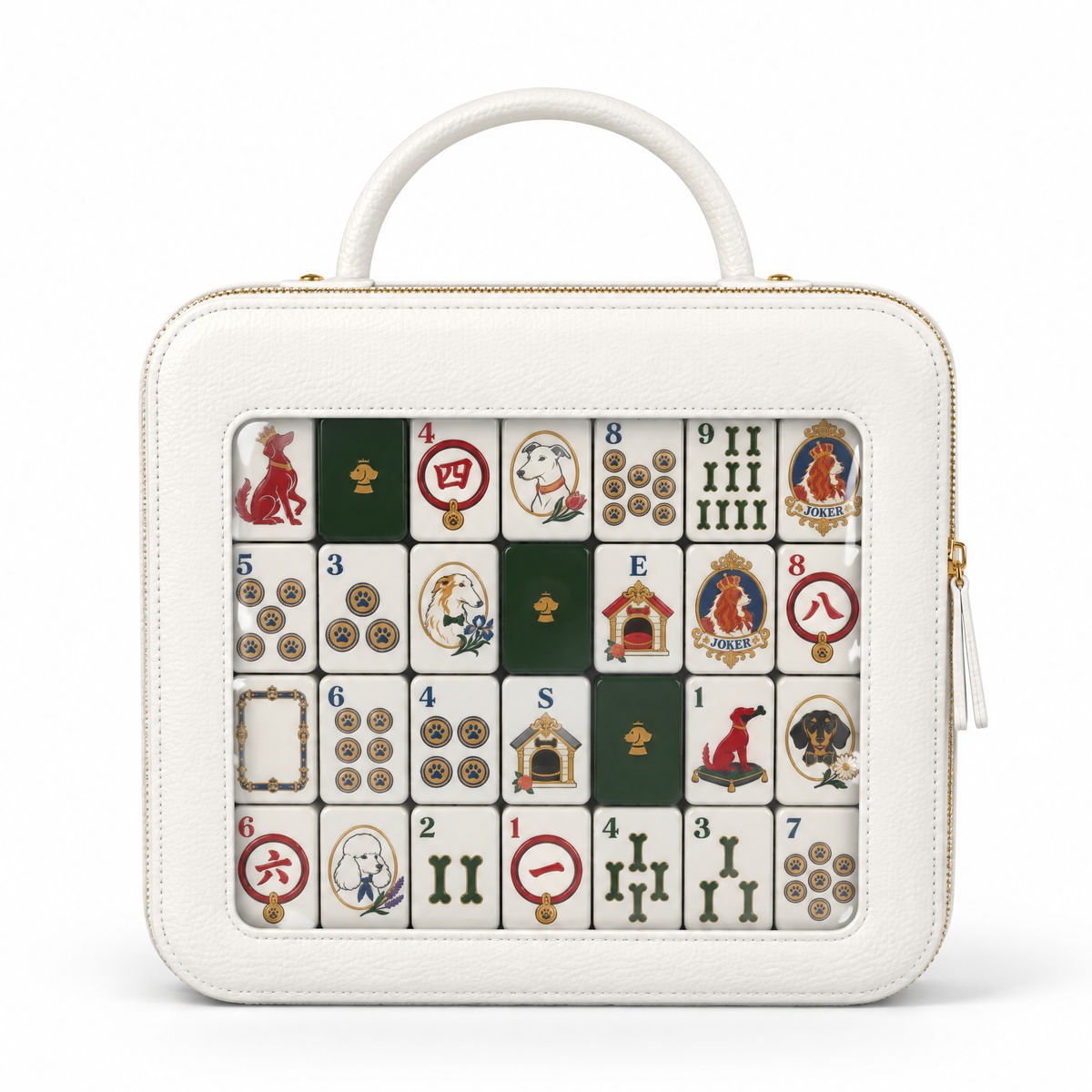
Salt Lake City's mahjong scene centers on recreation departments, public libraries, and casual neighborhood groups that meet weekly or monthly. Check the Salt Lake City Parks & Recreation website, local library bulletin boards, and community center announcements for scheduled game nights—most welcome beginners and charge little or nothing to join. The best way to start is to attend a session and introduce yourself; established players are usually eager to teach. You'll need a tile set (many clubs have community sets, or bring your own 160-tile American mahjong set), familiarity with the current National Mah Jongg League card, and a willingness to learn. Before your first game, review the basics of the Charleston tile-passing ritual and how to read a hand card so you're not overwhelmed when you arrive.
Salt Lake City's mahjong community is genuinely welcoming to newcomers. Whether you're looking for a weekly standing game or a casual monthly gathering, the city offers multiple entry points. The challenge isn't finding a game—it's knowing which one matches your skill level and schedule. Here's how to navigate the scene and show up ready to play.
Where do Salt Lake City players actually gather?
Salt Lake City Parks & Recreation runs game nights and classes at multiple recreation centers across the valley. Call or visit their website to ask which locations host mahjong; some centers run seasonal programs, so timing matters. Public libraries—particularly the Salt Lake City Public Library's main branch and neighborhood branches—post community group schedules on their bulletin boards and websites; ask staff directly about mahjong meetups. Private clubs and country clubs often host mahjong on designated nights; if you're a member or know someone who is, ask about their calendar. Casual neighborhood games meet in homes or apartments; word of mouth and local Facebook groups for Salt Lake City residents are your fastest routes to these. Before you attend, call ahead or check online to confirm the game still meets at that time—schedules shift seasonally.

What happens when you show up to your first game?
Expect a warm greeting and a quick assessment of your experience level. If you're new, the host or most experienced player will seat you and explain the rules, usually while playing hands as examples. You'll be given or asked to provide a current National Mah Jongg League card. If you don't have one, ask another player to share theirs during the game. Most groups start with an explanation of the Charleston—the tile-passing ritual that begins every hand—and then walk through how to build a hand, call a win, and keep score using American mahjong rules. Games typically last 1.5 to 2 hours for four rounds. The atmosphere is relaxed; people chat between hands, and experienced players rarely rush beginners. Bring a notepad if you want to track scoring, and don't worry about getting everything right on your first night; everyone remembers being new.
Should you buy your own set before joining a club?
Not immediately. Most clubs have community sets, and you don't need to own tiles to learn the game. However, if you attend regularly (more than once a month), owning a set speeds up your learning because you can practice at home and become familiar with the tile design. American mahjong sets sold today contain 160 tiles—the standard 152 playing tiles plus spares—so any quality set will serve you for years. When you're ready, a best-selling mahjong set with clear engraved characters is easier to read than unmarked tiles, especially under variable lighting at a club. If you want something personal, engraved American mahjong sets let you add your name or a memorable phrase. For regular players, a matching mahjong mat protects tiles and makes shuffling quieter—a small courtesy at shared tables.
Setup | Best for | Time to own | Why it works |
Borrow from club | First 2–3 games | Never | No cost; test if you love it |
Standard community set | Club regular | After month 1–2 | Learn tile faces; practice at home |
Personal engraved set | Committed player | Month 2+ | Easy to identify; feels like "yours"; speeds learning |
Set + mat + organizer | Host or serious player | Month 3+ | Hosting becomes easier; protects gear |
🀄 Shop best-selling mahjong sets →
What rules do Salt Lake City clubs actually use?
All American mahjong clubs in Salt Lake City follow the official National Mah Jongg League ruleset. Hands must come from the current year's official card (issued every spring). The Charleston (the tile pass before every hand) is mandatory. Winning always requires a hand that matches exactly one pattern on the card. Jokers are wild but follow strict rules: they can never fill a single tile spot or a pair, and they're limited in certain patterns. There are no chows (sequences like 1-2-3) or exposed melds that can be called mid-game; only pungs (three identical), kongs (four identical), quints (five), and sextets (six) can be exposed. Scoring is based on the card; the winner collects from each player. If the rules feel confusing, learn how to play American mahjong before your first night so you're not lost. Many clubs also keep a printed rule sheet on hand for disputes.

How do Salt Lake City groups handle money and stakes?
Most casual community games in Salt Lake City are friendly (no betting or tiny stakes like a few quarters per hand). Some private or country club games may play for money, but this is always announced upfront. Ask what the stakes are before you sit down. Many groups use a scorecard system where the winner of each hand moves up and the losing player pays a small amount to a game pot, which the eventual winner of all four rounds collects. Others play purely for fun with no money. Always confirm the stakes before you join—it's a normal question and no one will think you're rude for asking. If stakes feel uncomfortable, tell the host; most groups have a separate no-money game or can accommodate a beginner in a low-stakes option.
What should you check before you join a specific club?
Before committing, verify these four things:
Meeting schedule: Does it happen weekly, monthly, or by request? Can you make most dates?
Skill level: Is it beginner-friendly, intermediate, or competitive? Can you play with mixed levels?
Group size: Do they need exactly four, or can they play with three or five?
Atmosphere: Is it quiet and focused, or chatty and social? Do people stay after to socialize?
Call or text the organizer, visit once as an observer if possible, and ask current players about the vibe. A good fit matters more than proximity; driving 20 minutes to a game you love beats staying home because the nearby group plays too fast or too seriously for your style.
🎁 See our most-loved mahjong sets & accessories →
What to check before you buy
If you decide to purchase your own set for club play:
Tile readability: Check that Bams, Craks, and Dots are visually distinct; engraved or colored tiles beat plain monochrome if your club plays under fluorescent lights.
Weight and feel: American tiles are smaller than Chinese ones; hold a sample if possible to confirm comfort during a 90-minute session.
Joker count: Every American set includes eight jokers in the playing deck (part of the 160-tile total). No set is "better" for having more—eight is the standard.
Storage: Do you need a bag to transport your set? A mahjong bag or case protects tiles during trips and keeps them organized at home.
Accessories: Racks with pushers help if your hands are small or if you want to speed up tile handling at club games.
For a beginner planning to attend monthly or more, budget accordingly and prioritize clarity over novelty. Your first set should be one you'll enjoy using for years, not something replaced after three games.
✨ Find your Mahstead set — free US shipping →
Getting started: a quick checklist
[ ] Call Salt Lake City Parks & Recreation to ask which recreation centers host mahjong.
[ ] Check your nearest library's website or call for community group schedules.
[ ] Ask a friend or neighbor if they know of a standing game.
[ ] Download or print the current National Mah Jongg League card before attending.
[ ] Review how to read the mahjong card so hand patterns look familiar.
[ ] Attend your first game as an observer to gauge the pace and stakes.
[ ] Arrive 10–15 minutes early with a notepad and open mind.
[ ] Ask the host about the best way to reach them for future dates.
Start with visiting, not buying. After two or three games, you'll know whether you want your own set and what style suits you best.

FAQ
Do I need to know how to play before joining a Salt Lake City mahjong club?
No. Most clubs welcome complete beginners and teach during the first hand. Watching one game and reading a basic rule guide helps, but experienced players expect to coach newcomers on their first night.
How much do Salt Lake City mahjong clubs charge?
Community center and library games are usually free or charge a small session fee (ask when you call). Private club games may have membership fees. Friendly stake games typically involve no money or small friendly amounts; confirm upfront.
What's the Charleston and why does every game start with it?
The Charleston is the tile-passing ritual that begins every American mahjong hand. Three players pass tiles to each other in a specific direction, then everyone passes again. It randomizes tiles and is mandatory in all games. Learn the Charleston explained before your first game.
Can I play mahjong if I don't speak Mandarin or know Chinese culture?
Absolutely. American mahjong is played entirely in English and requires no cultural knowledge—only knowledge of the rules and the current card. It's a game of strategy and luck, not language or background.
Where do I get the official National Mah Jongg League card Salt Lake City clubs use?
Every club has a current card on hand. Ask any player or the host if you can share theirs during your first game. You can also order a card from the National Mah Jongg League website; a new card is issued every spring, so always use the current year's version.
Should I buy a mahjong set before or after joining a club?
Join a club and play three to four times first. If you love it and attend regularly, then buy a set. Most club games have shared sets, and using one before buying eliminates buyer's remorse.


View More
View More
View More
