
Mahjong Set Size Guide: How to Pick the Right Fit
Last updated: Nov 23, 2026
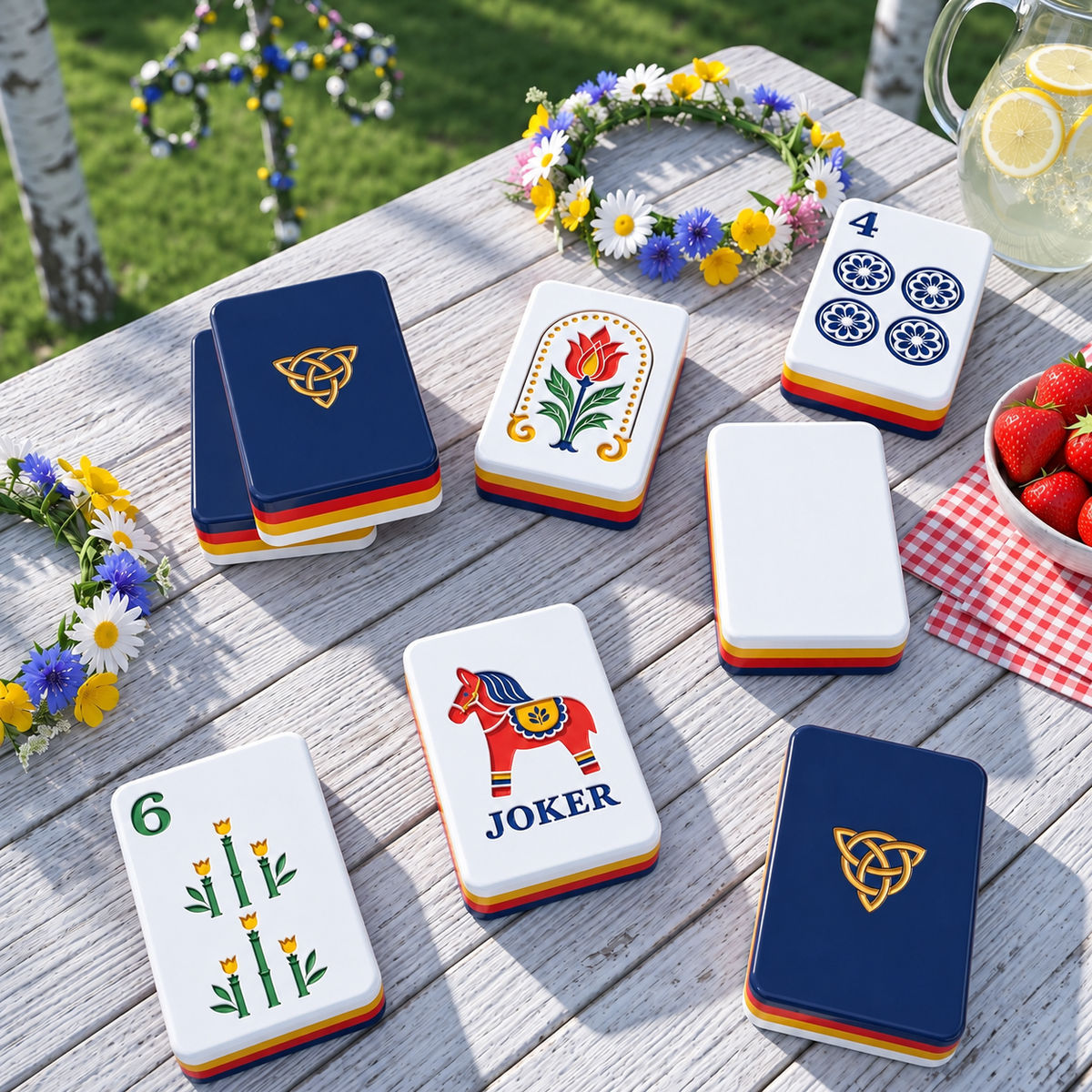
American mahjong sets come in one standard play configuration—152 tiles plus 8 jokers—but tiles vary in size, material, and handling ease. Most acrylic sets sold today use medium tiles (roughly 1¼ inches) that fit comfortably in adult hands and suit a 36-inch or larger table. Bamboo and bone sets run heavier and smaller (often 1 inch), demanding steadier hands and closer seating; plastic sets are lightweight and affordable but less durable over years of weekly play. Storage, shipping weight, and tile grip differ dramatically. A set's true "size" isn't one number—it's the combination of tile dimensions, set weight, and case dimensions. Mahstead's best-selling mahjong sets use acrylic construction at a weight and tile dimension that balances comfort and longevity for most North American home games. Before ordering, measure your table depth, consider hand strength (arthritis, grip span), and check whether you'll transport the set regularly. 🀄 Shop best-selling mahjong sets →
What tile size fits your hands and table?
Tile size is the first decision. Standard acrylic tiles measure roughly 1¼ × ¾ inches; smaller bamboo or bone tiles run 1 × ½ inch. Larger hands, younger players, and those with visual preferences often prefer medium acrylic. Smaller tiles suit compact tables or players seeking a traditional feel. A 36-inch round or 42-inch rectangular table comfortably seats four players with medium-size tiles; squeeze smaller tiles into 30-inch space if needed. Measure your primary playing surface before ordering—tile size determines whether the game feels cramped or spacious.

How much weight can you handle and transport?
Weight ranges from 4–6 pounds for lightweight plastic to 12+ pounds for bamboo-and-bone sets. If you play at home weekly and rarely move the set, weight matters less; if you rotate between venues or have wrist issues, a lighter acrylic set reduces strain. Shipping also costs more for heavy sets. Ask yourself: do I carry this set to friends' houses or a club monthly? If yes, prioritize acrylic or modern plastic over traditional bone-and-bamboo. Check the case—a reinforced bag or hard case adds pounds but protects during travel.
What's the real difference between acrylic, bamboo, and plastic?
Material | Weight | Durability | Feel | Best for ---|---|---|---|--- Acrylic | 5–7 lbs | 10+ years weekly play | Smooth, modern | Home weekly games, occasional travel Bamboo & bone | 12+ lbs | 15+ years (if cared for) | Textured, traditional | Collectors, stationary home games Plastic | 3–4 lbs | 3–5 years | Thin, lightweight | Beginners, travel, gifts {: style="border-collapse:collapse;"}
Acrylic tiles resist cracking and discoloration; bamboo and bone yellow and wear with time but develop character. Plastic tiles chip and fade but cost less upfront. For a group that meets weekly and expects years of use, acrylic is the practical middle ground. Engraved American mahjong sets in acrylic allow personalization without sacrificing durability—useful if your group shares one set or plays multiple times monthly.
🎁 See our most-loved mahjong sets & accessories →
How do case size and storage affect your choice?
A set's case often dictates where it lives in your home. Acrylic sets in a soft pouch measure roughly 8 × 6 × 5 inches; hard cases (useful if stored in a crowded closet) range 12 × 8 × 6 inches. Bamboo sets require sturdy wooden boxes 14 × 10 × 7 inches or larger. If you have a small closet or apartment, a compact acrylic set with a soft case fits anywhere. If you display your set or keep it on a game table permanently, a decorative box or hard case enhances the ritual. Mahjong bags and cases designed for durability and portability reduce the chance of tiles shifting or dampening during storage or transport.

Should you buy a complete set or mix components?
Most players buy a complete set—tiles, rack, mat, and bag sold together or as a bundle. Bundles save money and ensure compatibility; individual components offer flexibility if you already own a table or prefer a specific mat style. If you have hand dexterity concerns, buying acrylic tiles with mahjong racks with pushers is essential; without racks, managing 13 tiles over two hands becomes exhausting. A mahjong mat isn't mandatory but protects your table and reduces tile scatter—worth the space if you play more than weekly.
What to check before you buy:
Table size: Will 36+ inches fit your play space?
Hand comfort: Can you hold 13 tiles without strain?
Transport plan: Does the set fit your bag or car?
Budget: Acrylic balances cost and durability; plastic is cheaper but wears fast.
Storage: Where will it live when not in use?
Matting: Do you need a mat to protect furniture?
How does American mahjong equipment differ from other variants?
American mahjong uses exactly 152 playing tiles (plus 8 jokers), always with the current year's National Mah Jongg League card—no hand-chasing or variant rules. This standardization means any American set works for any American game. Chinese and Hong Kong mahjong use 144 tiles and allow sequences (chows); Riichi uses 136 tiles with different honor rankings. Don't assume a "mahjong set" is American—check the tile count and instruction manual. American sets are simpler to standardize for size and weight because the rules never shift. For your first set, specify American mahjong to your seller.
✨ Find your Mahstead set — free US shipping →
A practical size checklist: before checkout
Measure your table depth (distance from nearest wall to center). If under 30 inches, request smallest available tiles.
Test weight in your hands. Ask a friend to hold a tile set (or visit a local game) and hold it for 20 minutes. Arthritis or age may push you toward acrylic over bone.
Count your players and venues. One home group = heavier sets are fine. Travel weekly = lightweight acrylic. Multiple venues = hard case justifies the cost.
Check the joker and blank tile count. American play requires exactly 8 jokers during a game; spare jokers (in 160-tile sets) don't go in play but are useful if tiles crack.
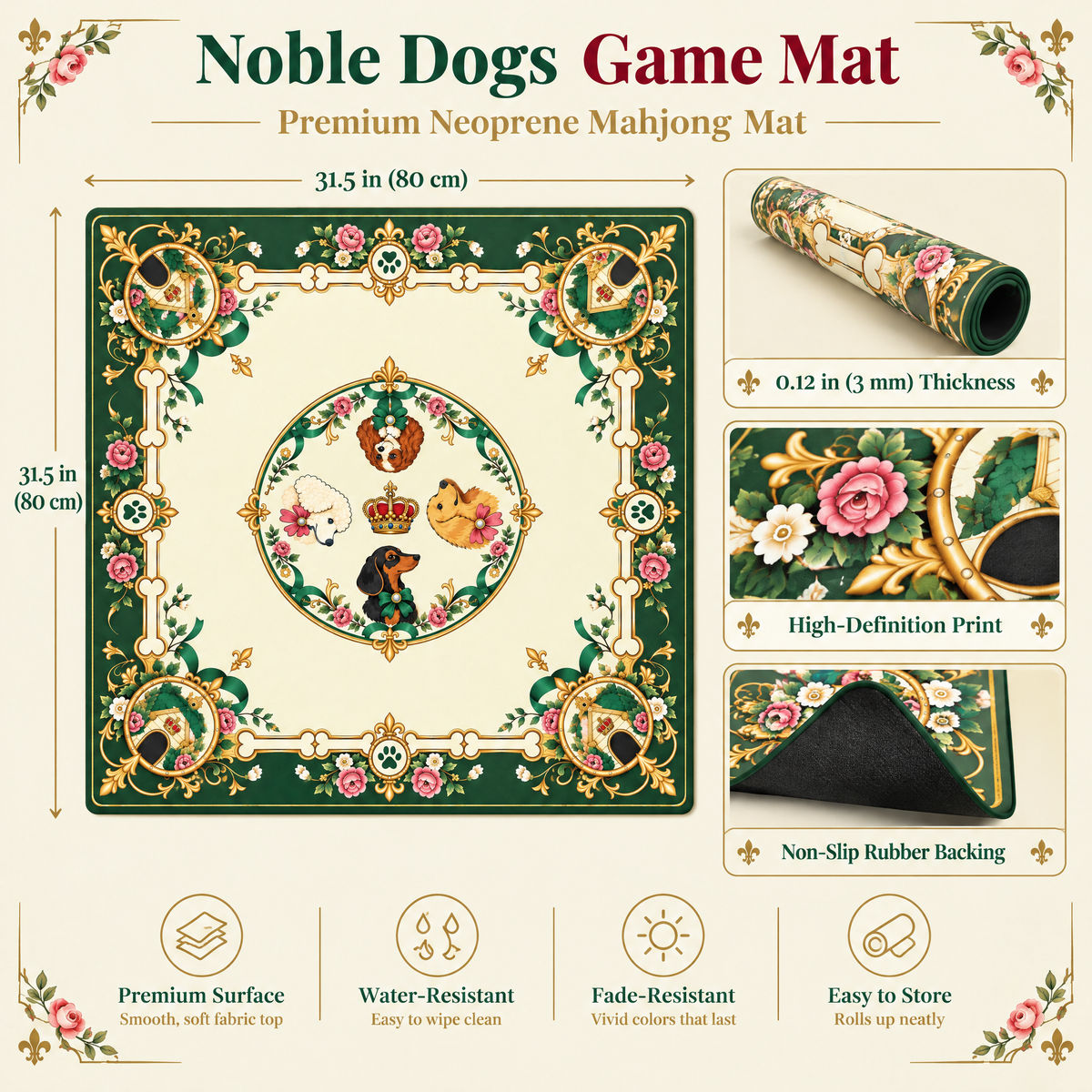
Confirm the mat fits your table. A mat sized for a 36-inch round won't drape a rectangular table evenly.
Ask about tile finish. Matte finishes reduce glare; glossy tiles reflect light. Neither affects gameplay, but glare fatigues eyes over two-hour sessions.
If you play weekly at home and rarely move the set, a medium-size acrylic set with a mat and soft case covers nearly every need. If you move the set between homes or clubs, prioritize lightweight acrylic in a hard case—the extra durability pays off after six months of regular transport. Beginners often overspend on aesthetics; experienced players invest in comfort and longevity.
FAQ
What's the difference between a 152-tile and 160-tile set?
An American game always uses 152 tiles plus 8 jokers. A 160-tile set includes extra spare jokers and/or blank tiles, which replace damaged tiles outside of play and are never added to the table. The 160-tile format is standard for home play.
Do I need a mat?
No, but a mat protects your table and reduces tile noise and scatter. If you play on furniture you want to protect or share the table for dining, a mat is worth the 8–12 inches of storage. Casual monthly players often skip mats; weekly groups usually add one within six months.
Can I use a bamboo set if I have arthritis?
Bamboo tiles are smaller and heavier, which strain arthritic hands faster than medium acrylic tiles. Choose acrylic and pair it with mahjong racks with pushers so you don't hold tiles in your hand between turns. Racks reduce fatigue by 50–70% over a two-hour session.
How do I know if a set will fit through my closet door?
Measure the case dimensions (length × width × height) and your closet door opening before ordering. Most soft-case sets fit standard 32-inch interior doors; hard cases need 14–18 inches. If unsure, ask the seller for exact dimensions.
Should I buy a set as a gift if I don't play mahjong?
Yes, but specify American mahjong and buy from a US seller—tile counts and rules differ across variants. Include a beginner's guide or link to instructions. Pair it with a mahjong mat or a set of engraved tiles so the gift feels complete.
Do lighter sets play differently?
No, gameplay is identical. Lighter plastic tiles feel less stable when stacked or shuffled (they clatter more), but the hand logic and scoring remain the same. Personal comfort and durability are the only real differences.


View More
View More
View More
