
Mahjong Clubs in Raleigh: Where to Play & How to Join
Last updated: Nov 23, 2026
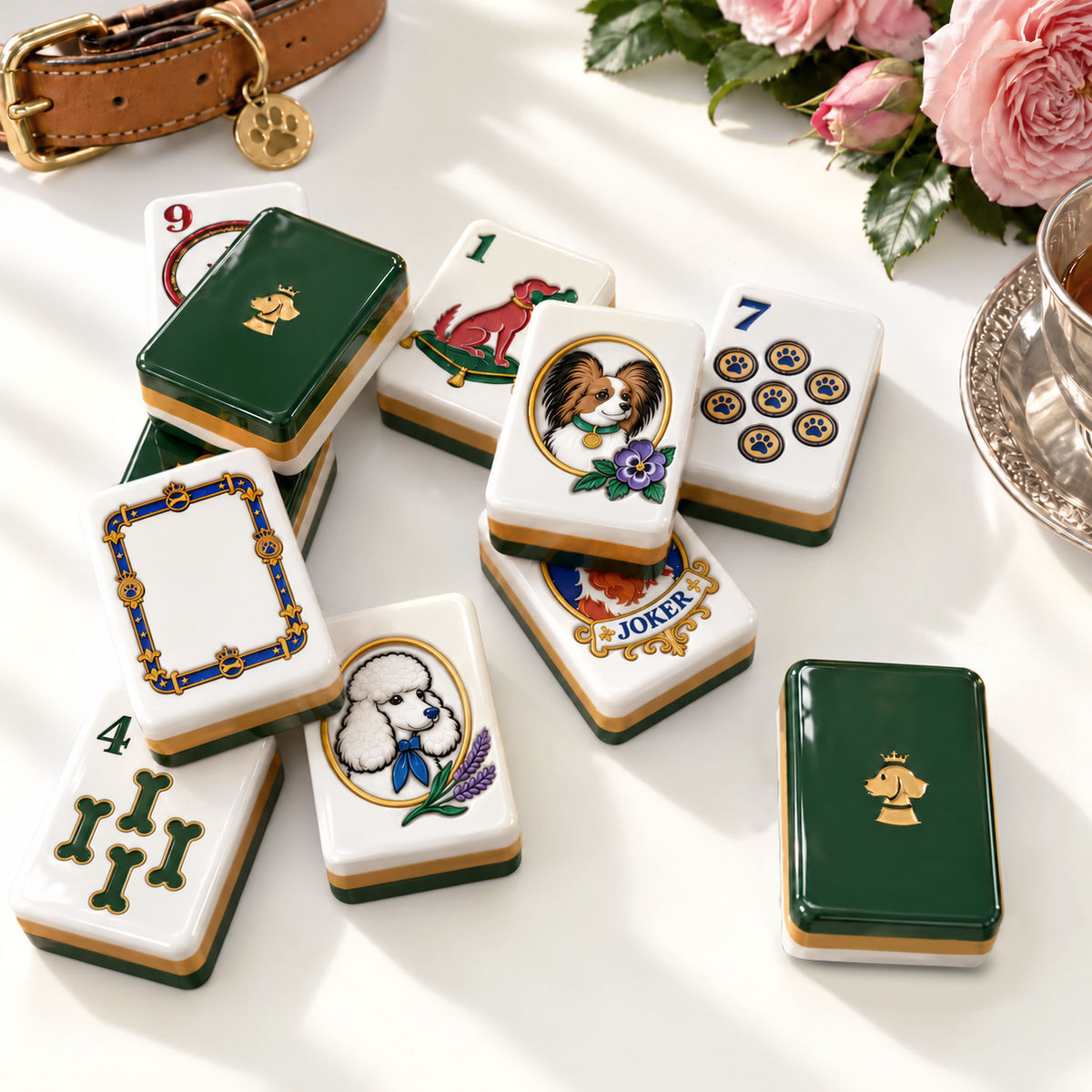
Mahjong clubs in Raleigh meet regularly at community centers, public libraries, synagogues, and through online meetup boards. To find current groups, check your local public library's event calendar and community center websites for weekly mahjong sessions; search "Mahjong Raleigh" on Meetup or Facebook groups. Most beginner-friendly clubs meet once or twice weekly, run 2–4 hours, and charge nothing or a small table fee. A standard American game requires four players, a 160-tile set with eight jokers, a mat, and the current National Mah Jongg League card—clubs often provide sets and cards, but many players bring their own. Mahstead offers best-selling acrylic sets designed for club play. Before joining, confirm whether the club teaches beginners, plays American or Chinese rules, and what time commitment suits you.
Where exactly do mahjong clubs meet in Raleigh?
Community centers and public libraries are your best entry points—Raleigh's Parks and Recreation department hosts mahjong sessions at multiple locations with rotating schedules. Public libraries often sponsor weekly or bi-weekly game tables; call ahead to confirm current days and whether you need to register. Synagogues and country clubs frequently host mahjong evenings, typically open to members and guests. Check Meetup.com, Facebook community groups, and local bulletin boards for private club meetups; many experienced players organize casual Thursday or Friday night games in homes or restaurants. Ask at your library or community center for flyers—clubs often post contact information there. Start by calling one location directly; staff can connect you with the coordinator and answer beginner questions.

What's the difference between American and Chinese mahjong clubs?
American mahjong uses 152 tiles and is played strictly from the current National Mah Jongg League card, allowing only pungs (three identical tiles), kongs (four), and quints (five)—no sequences that can be called during play. Chinese mahjong has 144 tiles, emphasizes sequences (chows), and uses different hand patterns and scoring. Raleigh clubs typically advertise which variant they play; American is the standard in most U.S. groups. If you've played one variant, learning the other takes a few sessions. Most beginner clubs teach American mahjong because the card system is clearer for newcomers. Before joining, ask the coordinator which game they play so you arrive prepared—rule sets are incompatible mid-session. Our mahjong for beginners guide covers American rules in detail if you want a head start.
What should you bring to your first club meeting?
Experienced players arrive with their own tile set, mat, and racks—but clubs almost always provide everything beginners need. Bring a notebook and pen to track scoring, a phone for photos of good hands, and water. Wear comfortable clothes; games last 2–4 hours and you'll be sitting. Many players bring snacks to share; ask the host if that's welcome. Don't buy equipment before your first session—play a few games with club sets first to confirm you enjoy the game and understand the rules. If you decide to build your own set for future play, a best-selling acrylic mahjong set from Mahstead includes everything four players need and ships free across the US.
🀄 Shop best-selling mahjong sets →

How do you prepare to join as a complete beginner?
Watch a 15-minute video tutorial on American mahjong rules—YouTube has many beginner-friendly overviews. Learn the four suits (Bams, Craks, Dots, and Winds), what honor tiles are, and why jokers matter. Understand the Charleston, the tile-passing ritual that opens every game; it's not hard but feels odd the first time. Read the National Mah Jongg League card in sample form; you don't need to memorize it, just know the card exists and guides legal hands. Play a few casual online games or ask a friend to teach you at home. Call the club coordinator and say you're brand new—experienced players expect to teach and usually love doing it. Bring your phone to take photos of how tiles are arranged; visual learning helps the first two sessions most.
What costs should you expect, and what are the most common beginner mistakes?
Most Raleigh clubs charge nothing to attend or request a small table fee (typically for refreshments or site rental)—call ahead to confirm. You don't need to buy equipment immediately; borrowing or using house sets is standard for newcomers. Common mistakes: misreading the mahjong card and declaring an illegal hand (the card is confusing, everyone does this); miscounting jokers (jokers can't be used as a single tile or a pair, only in melds of 3+); and misidentifying honor tiles (winds and dragons don't have numbers). Another frequent error is calling a hand too early—verify all 14 tiles match the card before you announce. Don't be embarrassed; all players make these errors, and experienced club members will gently correct you. Most groups have written house rules posted—read them before week two so you're aligned with local customs.
Club Feature | Beginner-Friendly? | What to Expect | Who It Suits Best |
Library session | Highly | Structured, 2–3 hours, mixed skill | Prefer organized, low-pressure start |
Community center | Highly | Casual, mixed ages, rotating hosts | Like variety and community vibe |
Private home game | Moderate | Smaller group, faster pace | Comfortable with experienced players |
Synagogue/Club | Moderate | Social element, may charge | Want community + game together |
Meetup group | Varies | Depends on organizer | Prefer flexibility, online coordination |
🎁 See our most-loved mahjong sets & accessories →
What should you check before committing to a club long-term?
Ask these five questions at your first visit: (1) Do you welcome absolute beginners and teach the rules? (2) What day, time, and duration—and does it match my schedule? (3) Do you provide tiles, mats, and cards or should I bring my own? (4) What's the skill range—am I playing with other newbies or experienced players? (5) Is there a cost, membership requirement, or signup process? Confirm the club uses American mahjong with the current National Mah Jongg League card if you want to stick with one rule set. Play two or three sessions before deciding to invest in your own set. If you love the game and want to host your own games or join multiple clubs, a quality acrylic mahjong set designed for American play is worth the investment—it lasts years and eliminates the worry of borrowing club equipment. Check the racks with pushers guide and how to choose a mahjong mat if you're building a complete setup.
✨ Find your Mahstead set — free US shipping →

FAQ
How do I search for mahjong clubs in Raleigh if I'm not on social media?
Call your local public library or community center directly and ask for the mahjong coordinator's contact information. Libraries often post flyers and can point you to established groups that meet in their facilities or nearby. You can also ask friends or check local bulletin boards at coffee shops, community centers, and grocery stores—many clubs still advertise the old way.
Can I play mahjong if I've never done it before and I'm nervous?
Absolutely. Every mahjong player started as a complete beginner, and club players expect and welcome newcomers. Most groups have at least one session each month specifically for teaching. Bring curiosity, not confidence—mistakes are part of learning, and the community is patient.
What's the difference between American mahjong and what my grandmother played in China?
American mahjong uses 152 tiles and plays only from the National Mah Jongg League card each year; sequences can't be called or exposed. Chinese mahjong uses 144 tiles, emphasizes sequences (chows), and has different hand patterns and scoring. Both are real, valid games—Raleigh clubs usually advertise which they play, so you can choose or learn both over time.
Do I need to buy a mahjong set before joining a club?
No. All established clubs in Raleigh have house sets for beginners to use. Play 3–5 sessions with club equipment first to make sure you love the game. Many players discover they prefer a particular set style or material after experience, so borrowing first saves money and helps you choose wisely if you decide to buy.
What does the mahjong card mean, and why do I need it?
The National Mah Jongg League card (issued every spring) is a reference sheet showing every legal hand for that year—patterns of tiles that can win. You don't memorize it; you look it up when you think you're ready to declare a hand. Clubs provide cards at the table. It prevents arguing about what's valid because everyone is reading the same official list.
How long is a typical mahjong game, and how often do clubs meet?
A single game of American mahjong runs 30–60 minutes depending on player experience and speed. Most club sessions block 2–4 hours, so you play 3–6 games. Most Raleigh clubs meet weekly or bi-weekly; some have additional open play on other days. Check with your chosen group for their exact schedule and how many consecutive games they expect you to play.


View More
View More
View More
