
Resin Mahjong Tiles: Pros, Cons & What Players Actually Need
Last updated: Nov 23, 2026
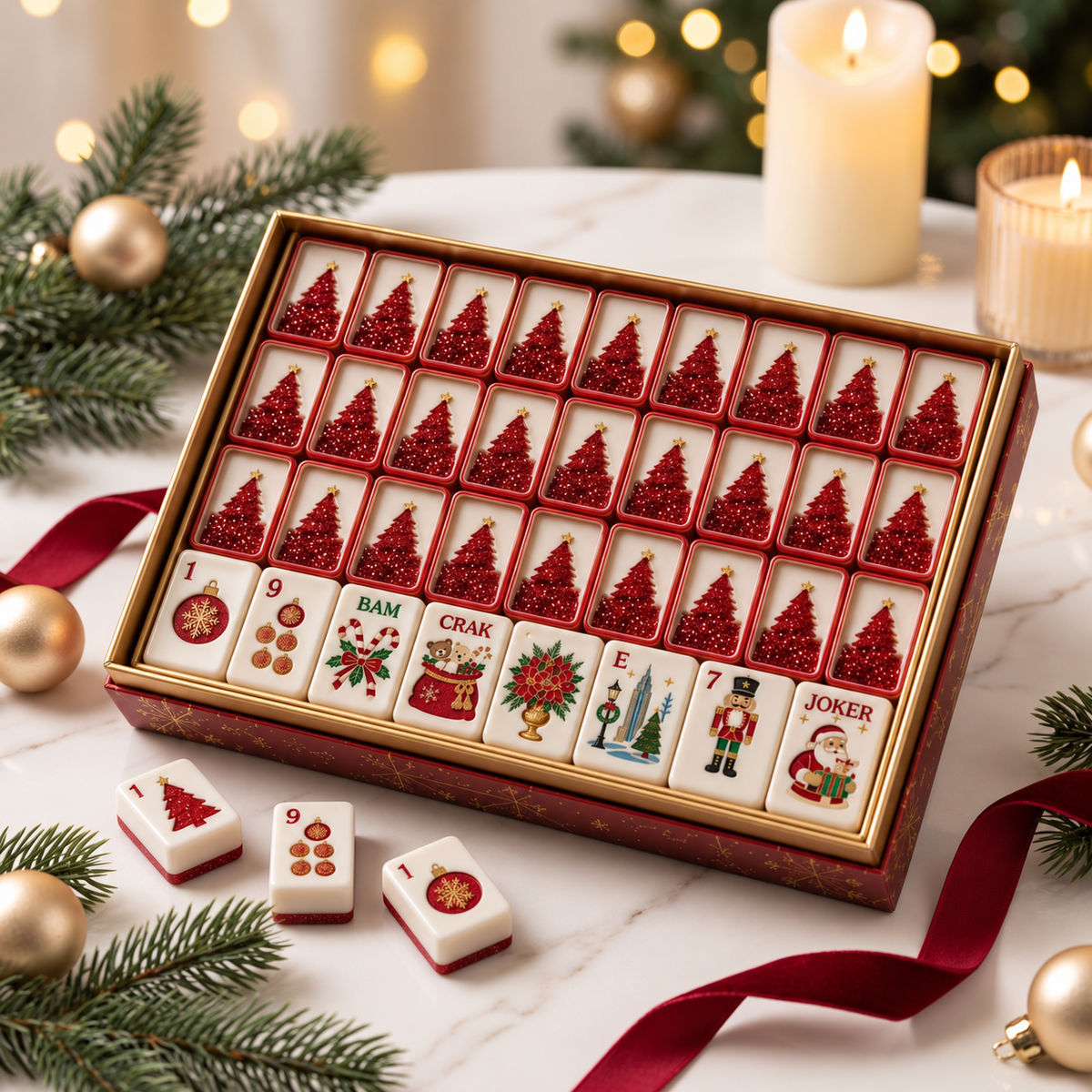
Resin tiles are acrylic or plastic composites that replace bamboo or bone, offering bright engravings, consistent feel, and design flexibility. They sound sharper and higher-pitched than traditional tiles, feel smoother to the touch, and won't crack in dry climates—but they can chip on corners, may feel slippery to some players, and cost more upfront. Durability depends on thickness and quality; tournament-grade resin tiles from reputable makers last years of weekly play. Most American players choose resin for aesthetics and reliability, especially for sets with personalized engravings. At Mahstead, our best-selling mahjong sets are acrylic resin, hand-engraved, shipped ready to play.
What exactly makes resin tiles different from traditional bamboo or bone?
Resin tiles are cast or molded from acrylic or composite plastic, while traditional tiles are hand-carved from bamboo strips laminated to bone or ivory-substitute backing. Resin tiles are made in molds, allowing identical coloring and engravings across the entire set. Bamboo and bone require skilled hand-labor, are naturally variable, and develop patina over years. Resin won't absorb humidity, so it resists swelling and warping in any climate. The tradeoff: bamboo tiles age beautifully, feel warmer, and produce a softer clicking sound that many players call the true sound of mahjong—resin sounds brighter and more plastic-like to traditionalists.

How durable are resin tiles compared to bamboo or bone?
Resin tiles are tough against moisture and humidity but vulnerable to chipping at edges and corners if dropped or knocked hard during play. Bamboo and bone are brittle and can crack if exposed to dry heat or sudden temperature swings; resin avoids this entirely. Heavy use—weekly games over five years—will show wear on resin tile faces (minor clouding or light scratching) but the tiles remain playable. Bamboo and bone, if kept in stable humidity, can last decades and feel better with age. For American players in varied climates or players who travel with their sets, resin wins on longevity; for collectors who prize authenticity and patina, bamboo and bone are worth the care.
Do resin tiles really feel and sound that different during play?
Yes, noticeably. Resin tiles produce a bright, hollow click or tick when drawn or discarded—sharper and higher-pitched than bamboo, which sounds softer and warmer. Feel-wise, resin is smooth and consistent; bamboo develops slight texture and warmth over time. During a fast-paced American mahjong hand, some players find resin tiles slippery when fingers are warm or slightly damp, while bamboo offers slightly more grip. Experienced players can identify the set by sound alone. This is purely preference: newcomers rarely notice; serious players often prefer one or the other and will seek that sound and feel in their weekly games.

What are the real cost differences, and do you get what you pay for?
A production-grade resin American mahjong set typically costs more than entry-level bamboo sets but less than museum-quality bone sets. The price reflects materials, hand-engraving labor, and mold quality. Cheaper resin sets may be thinner, use dyes that fade, or engrave poorly; premium resin sets hold color and engravings after years of play. Mid-range resin sets are the sweet spot for weekly players who want durability, custom designs, and consistent appearance without collector pricing. When you explore our engraved American mahjong sets, you're comparing production methods and material thickness—thicker tiles resist chips better, hand-engraving lasts longer than surface printing.
🀄 Shop best-selling mahjong sets →
What mistakes do players make when choosing between resin, bamboo, and bone?
Common error: assuming all resin tiles are identical. Thickness, UV resistance, and engraving depth vary wildly. Buying thin resin "tourist" sets and expecting them to survive serious play leads to disappointment. Another: underestimating humidity. Bamboo sets in humid climates (Florida, Gulf Coast) swell and warp; resin thrives. Conversely, players in dry regions (Arizona, Colorado) often don't need resin's moisture resistance and could enjoy bamboo's character. Misjudging grip: some players test resin briefly and reject it as "slippery," but slipperiness diminishes as tiles age and fingertips adjust. The biggest trap: buying based on color photos alone. Resin engravings vary in depth and clarity; request samples or read reviews from players in your region who have tested the same set over months.
Factor | Resin (Acrylic) | Bamboo | Bone |
Humidity resistance | Excellent | Poor (swells/warps) | Poor |
Chip/crack risk | Low (dry), High (edges) | High (dry heat) | High (dry heat) |
Feel during play | Smooth, consistent, slippery when warm | Warm, slight grip, variable | Warm, best grip, variable |
Sound | Bright, hollow click | Soft, muted | Soft, muted |
Upfront cost | Moderate–High | Low–Moderate | High–Very high |
Engraving options | Unlimited (design-led) | Limited (hand-carved) | Limited (hand-carved) |
Best for | Weekly players, varied climates, custom design | Collectors, stable humidity, tradition | Collectors, heirloom value |
What to check before you buy
Tile thickness. Request or measure: thick resin (1/8 inch or more) resists chips far better than thin casting. A quality maker will list this.
Engraving depth. Shallow engravings fade or blur after a year of play; deep engravings stay crisp. Test a sample if possible.
UV exposure. Some resin tiles yellow or fade if stored in bright sunlight. Confirm the resin is UV-stabilized if you live in a sunny region.
Weight and balance. Resin tiles should feel evenly weighted. Pick one up; it should feel solid, not hollow or wobbly.
Joker and blank count. American sets use 152 tiles in play plus 8 jokers; confirm your set includes the right count and spare tiles. Understand what's in an American mahjong set to avoid confusion.
Retailer warranty or returns. If a tile arrives chipped or engraving is unclear, can you return it? Mahstead ships all sets to arrive in full working condition.
🎁 See our most-loved mahjong sets & accessories →
Most of us in weekly games learned the hard way: the cheapest set feels cheap, and the fanciest set doesn't always play best. Resin tiles sit in the middle—they're engineered for reliability, look beautiful with custom engravings, and sound and feel different enough that you'll choose them based on your climate, table style, and personal preference, not hype. If you play weekly in a humid climate or want engravings that last, resin wins. If you prize authenticity and live in stable humidity, bamboo or bone may call to you instead.
Start by testing a friend's resin set during a full game. Pay attention to grip, sound, and how the tiles feel in your hand after an hour of play. Then decide whether resin fits your table.
✨ Find your Mahstead set — free US shipping →

FAQ
Will resin tiles scratch or cloud after a year of weekly play?
Minor clouding and light surface scratches are normal on quality resin tiles and don't affect gameplay. Deep gouges or widespread wear are signs of thin material or rough handling. Resin aged well holds engravings clearly.
Are resin tiles legal for American Mahjong League tournaments?
Tournament rules don't ban resin; they require tiles to be standard American size and weight, clearly marked, and consistent. Check your specific tournament rules before entry, as some prefer bamboo for consistency.
Can I mix resin tiles from different sets or makers?
Not recommended. Different makers use different mold sizes, weights, and engraving styles. Mixing sets creates uneven feel and sound, making gameplay unpleasant. Stick to one set per game.
Do resin tiles need special storage or cleaning?
Resin tolerates any room temperature and humidity. Wipe tiles occasionally with a soft, dry cloth to remove dust. Avoid soaking or harsh cleaners, which can dull engravings.
How can I tell if a resin tile is high quality before I buy?
Ask the maker for tile thickness (1/8 inch or thicker is premium), engraving depth, and UV stability. Request a photo of an engraved tile close-up. Read reviews from players who've owned the set 6+ months and comment on durability and feel during actual play.


View More
View More
View More
