
Hong Kong vs Taiwanese Mahjong: Rules, Tiles & Real Differences
Last updated: Nov 23, 2026
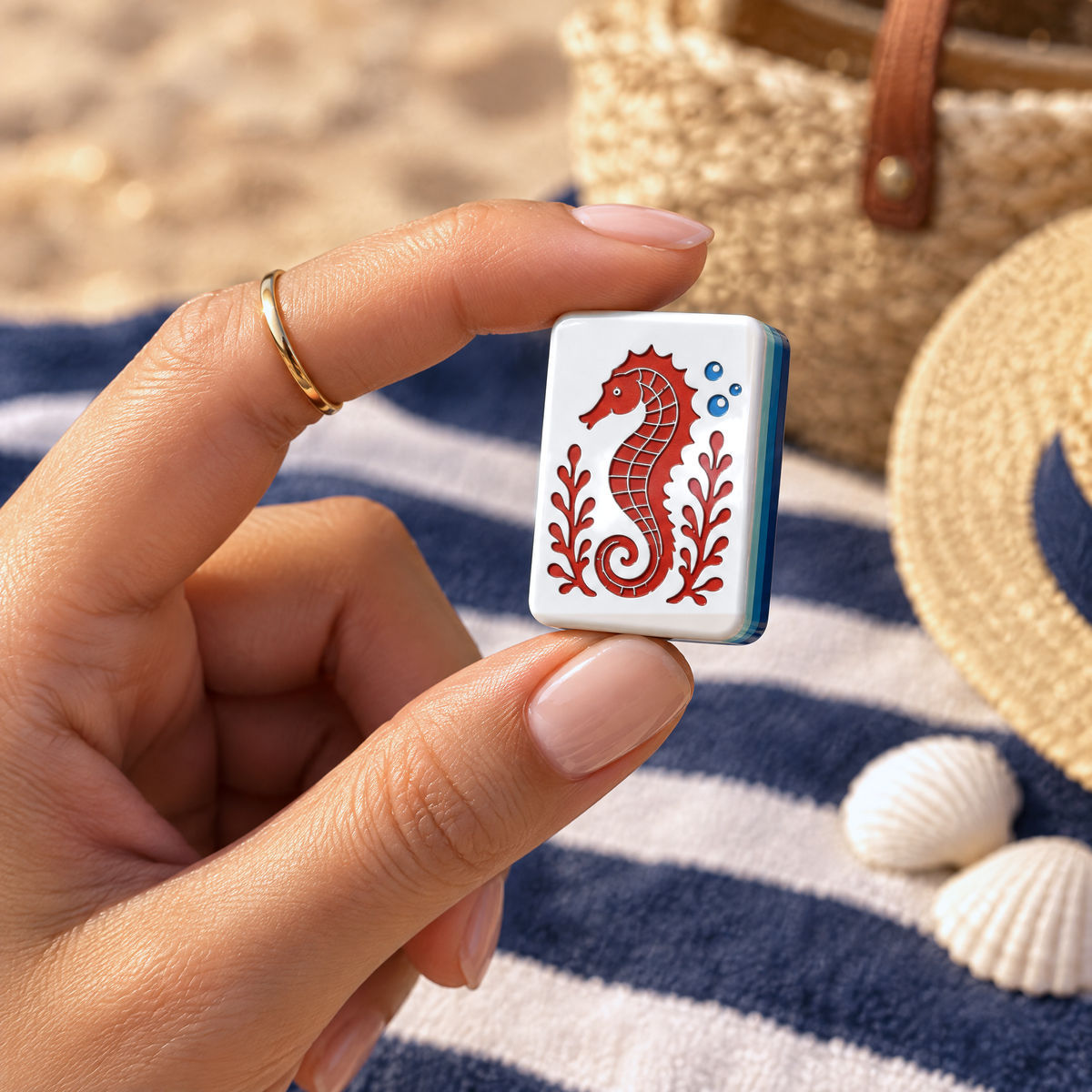
Hong Kong mahjong uses 144 tiles (four each of suits 1–9, honors, and flowers), five scoring systems, and fast-paced, open-hand play where melds are displayed immediately. Taiwanese mahjong uses the same 144-tile base but adds custom jokers, permits multiple hand patterns in a single draw, and emphasizes closed hands longer—building tension and deception. Both permit chows (sequences like 3-4-5 Dots), unlike American mahjong, which forbids them entirely. Hong Kong plays suit-heavy hands; Taiwanese balances suit and honor tiles. Scoring in Hong Kong rewards simplicity and speed; Taiwanese scoring favors complexity and waits. Players typically choose based on regional origin, house rules, and desired play speed. Neither variant uses the National Mah Jongg League card system that American players follow, and both differ fundamentally from the tile sets and strategies found in our best-selling mahjong sets designed for American play.
What tiles do Hong Kong and Taiwanese mahjong use differently?
Hong Kong mahjong and Taiwanese mahjong both start with 144 tiles—three suits (Bams, Craks, Dots) numbered 1–9, four of each; four winds; three dragons; and eight flowers. The core set is identical. Taiwanese players often add custom joker or "wild" tiles during play (rules vary by house), effectively expanding the working set mid-game. Hong Kong uses the standard 144 unmodified. In practice, a Taiwanese set purchased locally may include printed joker tiles; a Hong Kong set rarely does. If you're learning both variants, the base tile construction is the same—differences lie entirely in play rules and scoring, not physical tiles.

How do hands differ between the two variants?
Hong Kong hands prioritize simplicity and speed: you win with a "stopping hand" (一龍 in Cantonese) that requires one clear final tile to complete, or certain fixed patterns. Most winning hands display all four melds openly on the table before the final draw. The game moves briskly. Taiwanese hands are far more permissive: you can hold a "float hand" (聽牌) that waits on multiple tile combinations simultaneously, and you're not forced to declare your winning condition until you actually win. This creates longer games, more bluffing, and greater psychological depth. Hong Kong rewards recognizing patterns fast; Taiwanese rewards patience and reading opponents. A beginner jumping from one to the other often struggles because the pacing, tile management, and risk calculus are inverted.
What scoring system makes each variant distinct?
Hong Kong mahjong traditionally uses five official scoring systems—Tradition, Singapore, Malaysia, Fujian, and Vietnam—each with different point multipliers for patterns, melds, and honor tiles. Most casual players stick to one agreed system per house; switching mid-session is rare. Taiwanese mahjong uses a simpler base score multiplied by hu (呼, or "doubles"), where each qualifying pattern adds one or more doubles to the payout. A hand with three qualifying features might be worth 8x the base; a hand with one, just 2x. Taiwanese scoring feels more transparent because the doubles stack visibly, whereas Hong Kong point tables require a printed card or memory. Neither system penalizes errors the way American mahjong scoring does (no "wash" or hand forfeit)—incorrect claims are usually corrected on the spot with rules clarification.
Can you play Hong Kong rules at an American mahjong table?
Technically yes, but you'll need a 144-tile set and to discard the American mahjong card system entirely. American mahjong sets typically include extra jokers and tiles (160 or more total) to support hand patterns that don't exist in Hong Kong or Taiwanese play. If you buy an American set designed for League play, you cannot easily swap it to Hong Kong rules—the tile inventory and rule book are bound together. Conversely, a standard 144-tile Hong Kong or Taiwanese set works fine for either variant as long as all players agree on hand patterns and scoring beforehand. If your group plays American regularly and wants to experiment with Hong Kong, you'll need to source a separate 144-tile set or commit to memorizing which tiles to exclude. Most groups don't mix: they pick a variant and stick with it for the season.
Which variant should beginners start with?
Hong Kong mahjong is usually easier for newcomers because hands are more standardized, winning is faster, and the decision-making window is smaller—you learn pattern recognition under less pressure. Taiwanese mahjong demands patience and a grasp of probability (which tiles your opponents need) before you can play confidently. However, if you're learning in a community where one variant dominates (e.g., Cantonese-speaking circles play Hong Kong; Taiwanese diaspora communities play Taiwanese), cultural comfort matters: you'll find partners and house rules already established. The best beginner move is to ask your potential table which they play, then commit to that. Switching between variants mid-learning creates confusion because the same tile symbol means different strategic value in each game.
Dimension | Hong Kong | Taiwanese | For Your Group |
Tile count | 144 fixed | 144 + house jokers | Use same base set; house rules govern jokers |
Hand patterns | Standardized, few variants | Highly flexible, multiple waits permitted | Hong Kong = easier to memorize; Taiwanese = deeper play |
Scoring | System-based (5+ official versions) | Doubles-based (visual, additive) | Taiwanese easier to learn; Hong Kong requires card |
Game pace | Fast (hands ~20–30 min) | Slower (hands ~40–60 min) | Hong Kong for casual; Taiwanese for deep play |
Chows allowed | Yes (3-4-5 patterns) | Yes | Both permit sequences—major difference from American mahjong |
Final hand exposure | Melds shown before draw | Closed until win announced | Hong Kong = transparent; Taiwanese = bluff-friendly |
🀄 Shop best-selling mahjong sets →

How do house rules shape play within each variant?
Both Hong Kong and Taiwanese mahjong rely heavily on house rules—written or understood agreements that local groups enforce. In Hong Kong, house rules typically define which of the five scoring systems you'll use, whether certain complex patterns are allowed, and what happens if someone calls incorrectly (penalty, hand void, or pass). In Taiwanese, house rules specify how many jokers are in play, whether a float hand can wait on seven different tiles (aggressive) or only three (conservative), and whether certain rare patterns auto-win or require scoring. The same "hand" might be worth triple points in one house and illegal in another. Before you join any game, ask: "What house rules are we following?" and get clarification in writing if it's your first session. Many groups post a laminated sheet at the table. If no house rules exist, suggest establishing them before tiles hit the table—this prevents disputes mid-game.
🎁 See our most-loved mahjong sets & accessories →
What to check before you buy a set for either variant
If you're purchasing a mahjong set intending to play Hong Kong or Taiwanese (not American), verify that it contains exactly 144 tiles and no printed League card. Sets marketed as "Chinese mahjong" or "traditional mahjong" typically fit this bill. Check whether the set includes joker tiles as part of the base inventory; if Taiwanese is your target, confirm how many jokers are included and that they're clearly marked or colored differently from number tiles. Inspect tile size and font clarity—in faster Hong Kong play, you'll read tiles at a glance while others are drawing; small tiles or faint printing slow the game. Look for a storage case or rack if you plan to host weekly games; shuffling and organizing 144 tiles on a bare table wastes time. Finally, confirm the set ships with a rule sheet or scorecard for your chosen variant, or be prepared to download one from a trusted online source before your first game.
Comparison: American vs. Hong Kong vs. Taiwanese at a glance
We host American mahjong weekly, but many of our players have tried both Asian variants. Here's the honest breakdown:
American mahjong: 152 tiles (+ jokers), no chows, hand patterns from the yearly League card, fixed scoring rules, typically 30–45 min per hand, medium complexity.
Hong Kong mahjong: 144 tiles, chows allowed, five official scoring systems, fast-paced (20–30 min hands), low-to-medium complexity, high pattern standardization.
Taiwanese mahjong: 144 tiles, chows allowed, doubles-based scoring, slow-paced (40–60 min hands), high complexity, hand flexibility and bluffing encouraged.
If you already play American and want to branch out, Hong Kong is the gentler transition (fewer tiles, familiar tile names, predictable end-game). Taiwanese demands a mental reset—you're no longer racing to a single, rigid goal; you're building pressure and reading intent.
✨ Find your Mahstead set — free US shipping →
Moving from theory to your table
The real test is sitting down with people who know the rules cold. Watch a full hand—don't touch tiles yet. Notice how quickly Hong Kong players expose melds; how Taiwanese players keep their walls high and their faces neutral. Ask the player who won to explain their hand and scoring. After three hands, you'll feel the rhythm. If you decide to commit, ask if you can bring your own set next week—this signals seriousness and lets you practice set-up and tile handling beforehand. Most mahjong communities are welcoming to curious newcomers; they'll correct you patiently and adjust house rules slightly if needed.

FAQ
Can I use an American mahjong set to play Hong Kong mahjong?
Technically, yes—but American sets include extra jokers and tiles (160+) that aren't part of Hong Kong's 144-tile structure. You'd need to remove or ignore the extras and discard the League card. It's simpler to buy a standard 144-tile set instead.
Do Hong Kong and Taiwanese players ever play together?
Rarely, unless both groups agree in advance to use a single rule set. The scoring systems and hand patterns diverge too much for casual code-switching. Pick one variant for the night and commit to it.
What's the biggest beginner mistake in Taiwanese mahjong?
Declaring a win too early before confirming your hand is actually valid under house rules. In Taiwanese play, you hold your tiles longer, and patterns are less standardized. Always announce before drawing the final tile, and let the table verify before points are awarded.
Do I need a printed scorecard for Hong Kong mahjong?
Strongly recommended. Hong Kong's five scoring systems each use different multipliers for patterns like "all Bams," "all honors," or "mixed terminals." A laminated card at the table prevents disputes and speeds calculation.
How long does a typical game take in each variant?
Hong Kong: 4–6 hands in 90 minutes. Taiwanese: 2–4 hands in 90 minutes. American (with the League card): 4–5 hands in 90 minutes. Pace depends heavily on house rules, player experience, and whether anyone is learning.
Is Taiwanese mahjong harder than Hong Kong?
Not harder—different. Hong Kong demands fast recognition and decisions; Taiwanese demands patience and psychological reading. A Hong Kong expert may struggle initially with Taiwanese's openness to multiple waits and loose hand patterns.


View More
View More
View More
