
Mahjong Clubs in Palm Beach: Where to Play & How to Start
Last updated: Nov 23, 2026
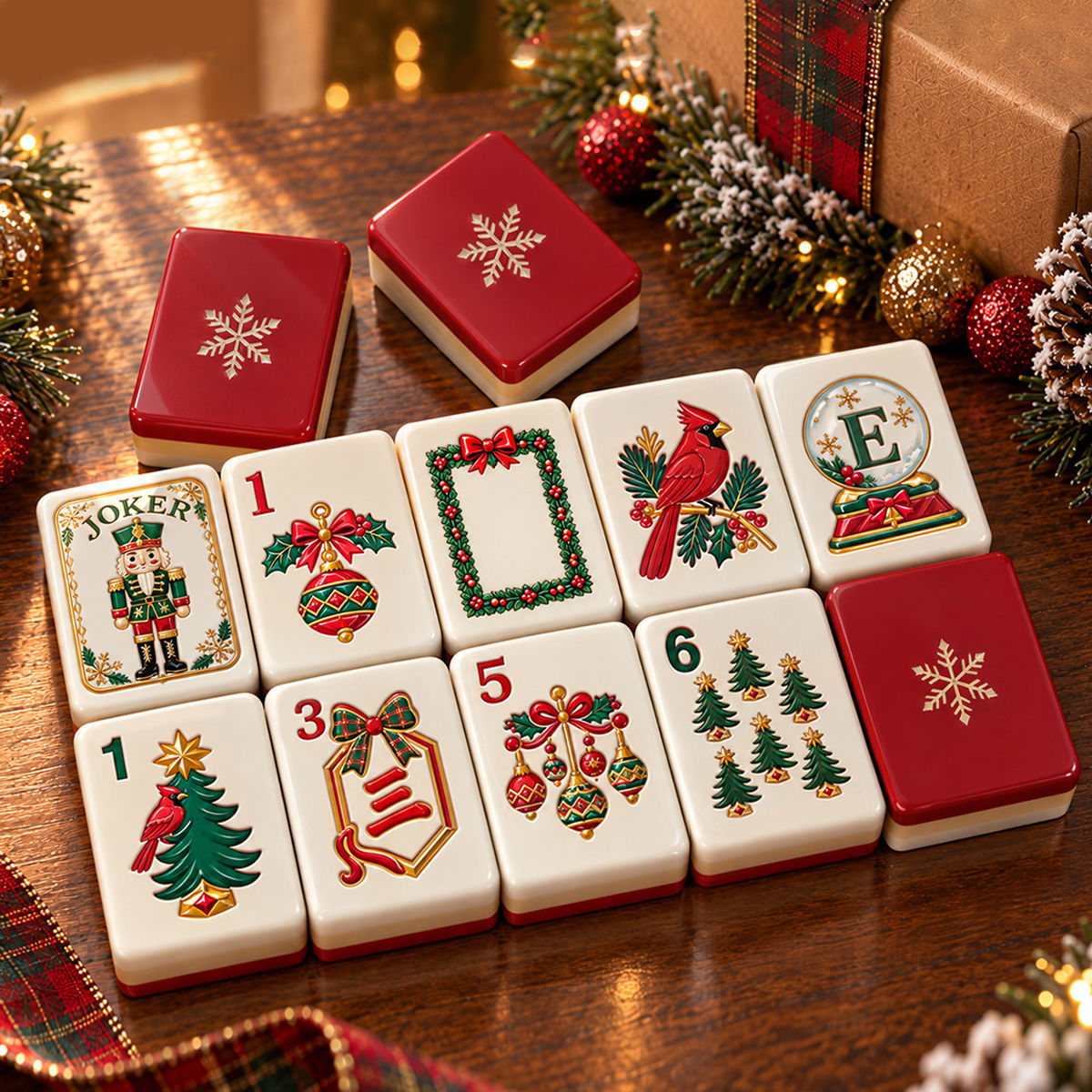
Palm Beach's mahjong scene thrives in community centers, libraries, country clubs, and retirement communities—particularly in and around central Palm Beach and West Palm Beach. Most clubs meet weekly or twice weekly, typically on weekday mornings or afternoons. To find an active group, contact your local public library or community center recreation department, check synagogue bulletin boards (mahjong is popular in Jewish communities), or ask at country clubs if you're a member. Expect to find both American mahjong (the most common variant in Florida, played with 152 tiles and the National Mah Jongg League card) and occasional Chinese games. A standard American set costs according to the complexity of the tiles and customization; beginners often borrow sets from clubs before investing in their own. Most games charge a nominal table fee or play for small stakes. Avoid joining a game without knowing whether it plays American or another variant—the rules differ significantly.
Palm Beach's mahjong community is active and welcoming to newcomers. The region has enough organized groups that finding a regular game within a 10–15-minute drive is realistic. We'll walk you through locating clubs, understanding what to expect when you arrive, and choosing equipment if you decide to buy your own set.
Where do Palm Beach mahjong clubs actually meet?
Public libraries in Palm Beach County often host mahjong groups or post club contact information on bulletin boards. Start by calling your nearest branch (Palm Beach, West Palm Beach, and smaller libraries in Lake Worth, Jupiter, and Delray Beach all serve mahjong players). Community recreation centers run by the city or county frequently host weekly games; ask specifically for "American mahjong" groups. Synagogues and Jewish community centers are traditional hubs—mahjong has deep roots in Jewish social circles, and many temples have standing Tuesday or Thursday afternoon games. Country clubs and retirement communities (particularly in the Palm Beach gardens and similar developments) often have in-house groups that welcome visitors or new members. Meetup boards online occasionally list informal groups, though verifying an active club by phone first saves wasted trips.

What's the difference between American and other mahjong variants played locally?
American mahjong uses 152 tiles, four suits, the official National Mah Jongg League card updated yearly, and no sequences (chows)—only sets of identical tiles called pungs (3), kongs (4), or longer combinations. Learn how to play American mahjong to understand the differences. Chinese mahjong allows sequences and has different hand patterns; hands are played without a reference card. Hong Kong and Riichi (Japanese) variants add further rule layers. Most Palm Beach clubs play American, but ask before joining to avoid confusion. If you've played Chinese mahjong elsewhere, American will feel like a new game—the pacing is slower, the strategy depth is different, and beginners often need 3–4 sessions to flow naturally.
What should I bring (or expect the club to provide)?
Most established clubs have house sets available for members. You do not need to bring your own tiles if you're a guest—ask the group organizer. Bring a small notebook to learn the card hand patterns and a pen. Wear casual clothing; games typically last 2–3 hours with breaks. Some clubs charge a table fee (typically a few dollars per session); others play for nominal stakes or no money at all. If you do decide to buy a set after a few sessions, look for durable engraved sets with clear tile markings and a mat to protect your table and improve gameplay visibility. Racks with pushers (special holders for your tiles) are optional but widely used by regular players—they speed up play and reduce misdeals.
How do I prepare before my first session?
Read the National Mah Jongg League card in advance or ask the club to explain it at your first game. Familiarize yourself with the basic structure: hands are made of pungs (three identical tiles), kongs (four identical), quints, sextets, and pairs. Understand the Charleston—the tile-passing ritual that starts each round—by watching a few rounds before joining play. Ask a veteran player to sit next to you your first game and explain calls as they happen. Most clubs are patient with absolute beginners; don't assume you'll play perfectly round one. Bring small cash if there are table fees or stakes, and arrive 10–15 minutes early to settle in.

What equipment matters once you're hooked?
Equipment | Why it matters | When to buy |
A personal set | You own matching, clear tiles; faster setup at home | After 4–6 club sessions |
Mat | Protects table, muffles tile noise, improves visibility | Same time as set; use at club or home |
Racks with pushers | Organize tiles, speed play, reduce misdeals | Optional; buy after 10+ sessions |
Bag or case | Transport set safely; looks professional; keeps tiles dust-free | If you travel between clubs |
Extra jokers/blanks | Replacements if tiles crack or go missing | Year two or if you host games |
Most players start with a basic set and add a mat for your playing surface. A mat makes an enormous difference in gameplay comfort—tiles slide better, sounds are muted, and you see tile faces more clearly. If you host games at home, a mat becomes essential. Racks with pushers are the second purchase; they reduce fumbling and speed up play, though not required. A durable travel bag or case is worth the investment if you'll move your set between locations—tiles are acrylic or bone/bamboo and chip under pressure.
🀄 Shop best-selling mahjong sets →
How do I avoid beginner mistakes at the table?
Never pick up a tile before it's passed to you during the Charleston; wait for the player to your left to place tiles in front of you. Don't expose (lay down face-up) a pung or kong unless you can call it immediately—exposing a tile is a binding call. Don't assume jokers work like wild cards in poker; in American mahjong, jokers fill specific spots in exposed melds only and can never form a single tile or a pair. Don't hoard tiles or slow down play—mahjong is a communal game; announce your discards clearly and discard promptly. Don't worry if you misread the card your first few times; everyone does, and players will help. The biggest mistake is not asking questions—experienced players expect to explain calls and patterns to newcomers.
What to check before you buy your first set
If you decide to purchase a set after joining a club, verify that it contains a full 152-tile American set (plus spare tiles). Check that tiles are clearly marked—acrylic tiles with printed characters or symbols are easier for beginners than bone or bamboo tiles with carved indentations, particularly if you have vision concerns. Confirm the set includes all four suits (Bams, Craks, Dots), winds, dragons, flowers, and jokers. Make sure the tiles feel comfortable in your hand (not too heavy or too light). A best-selling collection of sets offers tried options that work well in clubs and home games.
🎁 See our most-loved mahjong sets & accessories →
Once you've played a few times, you'll know your preference for tile material, size, and design. Some players prefer sets with humorous engravings or personal names; others want clean, classic designs. The choice is personal, and there's no wrong answer—only what feels right in your hand and on your table.
✨ Find your Mahstead set — free US shipping →
Start by visiting a club, playing a few rounds, and asking players what they use. Once you're comfortable with the rules, our beginner's guide to American mahjong walks through every detail. After a season of weekly play, you'll have strong friendships, an understanding of strategy, and likely a personal set. That's the arc for most players in Palm Beach, and it's a rewarding one.

FAQ
How do I know if a Palm Beach club plays American mahjong and not Chinese or another variant?
Ask the organizer directly before attending: "Do you play American mahjong with the National Mah Jongg League card?" Most established clubs in Palm Beach play American; Chinese mahjong is less common but does exist in some groups. Clarifying this saves confusion on game day.
Can I watch a few rounds before joining a game?
Yes. Most clubs welcome observers and expect beginners to sit out the first round or two. Watching teaches you the rhythm, the calls, and how tiles move around the table without the pressure of playing.
Is there a cost to join a Palm Beach mahjong club?
Costs vary. Some clubs are free; others charge a small table fee per session (typically a few dollars) or play for low stakes. Ask when you call. Many are affiliated with synagogues, community centers, or libraries, which may waive fees for members.
Do I need to own a mahjong set to play in a club?
No. House sets are available at established clubs. Bring your own set only if you want to; most players don't own one until they've played regularly for several months.
What's the best starter mahjong set for someone new to the game?
Look for a set with clearly printed or carved tiles (not faded), full 152 American tiles, good weight and balance in your hand, and a mat included. Avoid extremely heavy sets if you have arthritis or hand weakness. After playing 5–10 times, you'll know your material preference (acrylic, bone, or bamboo) and whether you want engraved personalization.
How often do clubs meet?
Most Palm Beach clubs meet weekly (usually Tuesday or Thursday afternoons), and some larger groups add a second session. Frequency varies; always call ahead to confirm the schedule.


View More
View More
View More
