
Mahjong Clubs in Nashville: Where to Play & How to Start
Last updated: Nov 23, 2026
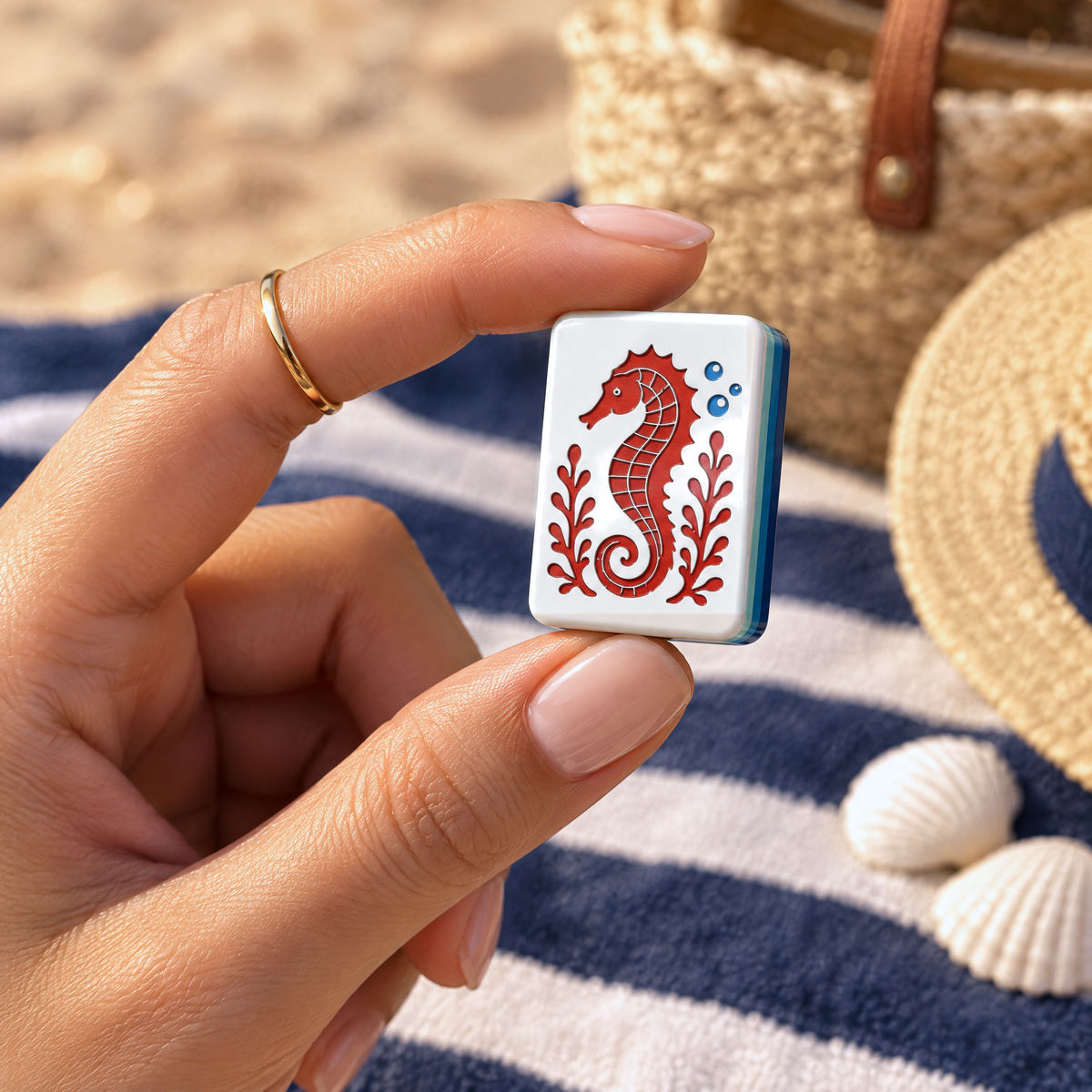
Mahjong clubs in Nashville meet primarily through community centers, public libraries, senior centers, synagogues, and meetup platforms—search your library's bulletin board, call the recreation department, or check Meetup.com for "mahjong Nashville." Games typically run weekly or bi-weekly, last 2–3 hours, and range from beginner-friendly to competitive play. American mahjong, the most common variant in Tennessee, uses a standard 160-tile acrylic set and costs vary widely; many clubs loan sets to new players. Before joining, confirm the variant played (American mahjong has no sequences and uses the National Mah Jongg League card each year), expected skill level, and whether you need to bring your own tiles—most established groups supply equipment. Mahstead offers best-selling acrylic American mahjong sets that work perfectly if you decide to host or join a regular group.
Where do Nashville players actually gather?
Nashville's mahjong scene lives in three main venues: institutional (community recreation departments, public libraries, senior centers), faith-based (synagogues and Jewish community centers often host weekly games), and private (host-run game nights shared via Meetup or neighborhood groups). Start by phoning your local library—most have bulletin boards and staff who know active groups. Check the Nashville Parks and Recreation website for open mahjong sessions. Synagogues sometimes welcome non-members to beginner nights. Private game hosts often advertise on Meetup with "free" or "bring a friend" tags, making them perfect entry points.
🀄 Shop best-selling mahjong sets →

What should you expect at your first game?
New players typically spend 15–30 minutes learning tile names (Bams, Craks, Dots, winds, dragons, flowers) and the Charleston tile-passing ritual before play starts. Games run 2–3 hours for four players; breaks are common. American mahjong uses the current-year National Mah Jongg League card—a laminated reference sheet with winning hand patterns. Most clubs supply cards and sets; bring a notebook to track points. Beginner sessions are usually lighter and more forgiving than competitive rounds. Ask the host what rules variant they play—American (no sequences allowed, jokers are wild) differs from Chinese, Hong Kong, or Riichi styles. Dress casually; snacks and tea are typical. No pressure to bet; many Nashville groups play socially.
How is American mahjong different from other variants?
American mahjong stands alone: it has no chows (sequences like 1–2–3), allows only exposed pungs (3 identical tiles), kongs (4), quints (5), and sextets (6), and uses jokers as wild tiles in sets—but never in a single tile or pair. The hand must match a pattern on that year's league card; you can't invent hands. Chinese and Hong Kong mahjong allow sequences and expose fewer sets; Riichi (Japanese) has completely different tile counts and scoring. Every variant uses melds (grouped tiles) and a discard pile, but winning combinations differ sharply. Nashville clubs vary; ask which rules they follow before your first visit. Our guide to how to play American mahjong covers these distinctions in depth.
🎁 See our most-loved mahjong sets & accessories →

What equipment do you need to host or join regularly?
A complete American mahjong setup includes: a 160-tile acrylic set (152 playing tiles + spares), a mat (13" × 11" standard for four players), four racks with pushers, a wall unit or tile holder, dice, a scoreboard or note pad, and a current National Mah Jongg League card. If you're joining an existing club, ask whether they provide equipment or expect you to bring tiles. If you're starting your own game, invest in a quality acrylic set—durable, easy to read, and available in dozens of designs. A padded travel bag keeps tiles safe if you rotate hosting. Racks with pushers protect hands and speed up play. Most players buy a set once and use it for years.
Setup Component | Why It Matters | Who Should Buy |
160-tile acrylic set | Standard, lasts decades, readable tiles | New hosts or committed players |
Mat (13" × 11") | Defines play area, protects tiles | Home hosts, weekly groups |
Racks with pushers | Hides hand, prevents errors, faster play | Competitive or weekly players |
Travel bag | Protection in transit, easy storage | Players who rotate hosting |
Current-year card | Only source of winning patterns | Every player must reference it |
Dice | Determines wall breaks, seating | Included in most sets |
How do you level up from beginner to regular player?
Most newcomers spend 3–5 game sessions (6–15 hours) learning tile recognition and basic hand patterns. Join the same group weekly—consistency beats sporadic play. Keep a small notebook; jot down hands that win or trap you. Ask experienced players to walk you through how to read the mahjong card section by section. Study the card at home for 15 minutes before each game. Learn American mahjong scoring so you know which hands are worth more points. Volunteer to shuffle and organize tiles—it trains your eye. After 10 games, you'll recognize patterns instantly. After 20, you'll spot winning hands three turns ahead. Play with the same group; familiarity builds skill faster than bouncing between venues.
✨ Find your Mahstead set — free US shipping →
What to check before you buy or join
If buying a set: confirm all 152 tiles are present (count each suit and honor tiles), check that acrylic is scratch-resistant, and verify the set ships with eight jokers (standard for American play). If joining a club: ask the host or coordinator whether equipment is provided, what year's card they use (critical—older cards are invalid), whether money changes hands (some groups play for stakes, others social-only), and what the beginner-to-experienced player ratio is. Request one trial game before committing. Bring a pen and notepad. Ask for the host's contact info and meeting schedule. Confirm the variant is American mahjong if you're learning from scratch—it's the easiest entry point for new players. If you're buying your own set, choose a design you'll enjoy seeing every week; you'll own it for years.

FAQ
Can I play mahjong online before joining a Nashville club?
Yes; apps like Mahjong Solitaire or online American mahjong simulators let you practice tile recognition and hand patterns. But live play is different—speed, pressure, and group dynamics matter. Use apps to build confidence, then join a club for real-game experience.
Do I need to know how to play before I show up?
No. Most Nashville clubs have beginner nights or accept newcomers into mixed-level games. Arrive early, tell the host you're new, and ask for a 5-minute rules overview. Experienced players usually coach new folks through the first round.
What's the cheapest way to start?
Join an existing club first—you'll use their tiles, card, and mats for free. Only buy your own set after you've played 5–10 times and know you'll play regularly. Used sets sometimes appear on local resale sites, but quality varies; a new acrylic set from Mahstead is worth the investment for durability.
How much money do people usually play for?
Nashville groups range from zero stakes (purely social) to small per-point bets (a few dollars per game). Ask the host beforehand. Many communities play "for fun" with no money; family and workplace groups almost always do. Competitive clubs sometimes track points for ranking rather than cash.
Is American mahjong harder than chess or bridge?
Different, not harder. Chess rewards planning; bridge rewards memory and partnership; American mahjong rewards pattern recognition and speed. New players catch up faster in mahjong—after 10 hours you're competitive, whereas chess takes months. The learning curve is gentler.
What if I can't find a club nearby?
Start one. Buy a best-selling acrylic set, recruit three friends, post on Meetup, and host weekly. Most Nashville game groups started exactly this way—one person with tiles and an apartment. You'll likely draw neighbors and co-workers within a month.


View More
View More
View More
