
Mahjong Clubs in Naples Florida: How to Find & Join One
Last updated: Nov 23, 2026
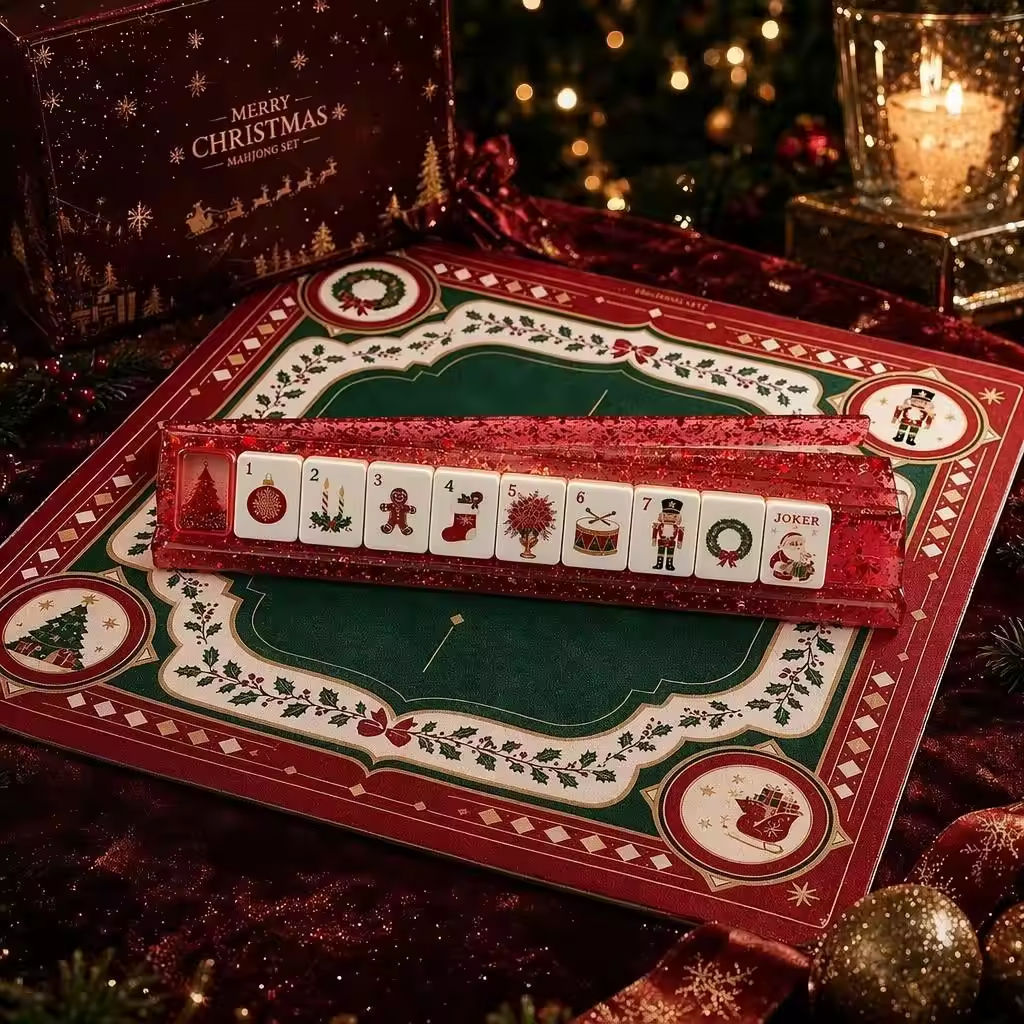
Naples hosts mahjong players across several venues: country clubs (especially on the south side and around Grey Oaks), the main Naples Community Center, libraries in the Naples area, and Jewish community facilities. Most clubs meet weekly, typically Tuesday or Wednesday mornings, and rotate hosts seasonally. Games run 2–4 hours. You'll play American mahjong with a standard 152-tile set and follow the National Mah Jongg League card (issued yearly). Beginners are welcome at most clubs; ask if they have loaner sets or require your own. Hosting venues often post schedules on community bulletin boards, library websites, or through word-of-mouth networks. Cost per session varies, and some clubs charge a small annual membership fee; call ahead to confirm.
Where Do Naples Mahjong Players Meet?
Naples mahjong clubs operate in three main environments: private country clubs (which often host weekday morning games for members and their guests), public community centers (free or low-cost access, often with posted schedules), and religious or civic venues like synagogues and temples. Country clubs around Grey Oaks, Naples Pier, and the golf course neighborhoods historically host the largest games. Community Center locations in downtown Naples and satellite branches advertise classes and open games on their websites and bulletin boards. If you're new to Naples, start by calling the main Community Center or checking their online calendar; ask the front desk staff about mahjong—they've usually directed dozens of players. Libraries also post club contact info on their community bulletin boards. Visit in person or call first; most venues are happy to refer you to game hosts or group leaders who can answer your specific questions about skill level, whether beginners play at the same table as advanced players, and what to bring.
🀄 Shop best-selling mahjong sets →

What Should a First-Timer Bring to a Game?
Most Naples clubs operate on a bring-your-own-set basis, though many hosts keep loaner acrylic sets at the table for beginners. Bring your own score sheet (or ask for a pad), pen, and—if you have one—a mahjong set in good condition. You'll also need the current-year National Mah Jongg League card (free or purchased for a few dollars from the League itself or from your club host). Wear comfortable clothing; games last 2–4 hours and the room can get cool. Don't worry if you don't own a set yet: call ahead and ask the host. Most gracious players keep spare sets specifically for newcomers. If you decide to buy, a durable acrylic set is worth the investment; acrylic sets designed for American play travel well and hold up for years of weekly games. Leave your phone on silent. Bring a spirit of curiosity—Naples players are famously welcoming to newcomers. Check the specific venue's house rules on food and beverages; some clubs allow snacks, others don't.
How Do I Find Out When Games Meet?
Naples clubs use multiple channels to advertise meeting times. The most reliable starting points: (1) call Naples Community Center directly and ask for the mahjong coordinator or group leader—staff will have current contact info; (2) check the online event calendar on the city of Naples Parks & Recreation website for class listings and club meetups; (3) visit neighborhood library branches and look at physical bulletin boards and staff recommendation cards; (4) ask at local synagogues or temples for mahjong group contact info (many congregations host Wednesday or Thursday morning games). Once you connect with one player or host, you'll enter the social network; Naples mahjong players communicate via phone calls, email lists, and informal word-of-mouth. Expect that the same group may rotate hosts' homes or venues week to week. Showing up to a game and introducing yourself is perfectly acceptable. Most Naples clubs don't require membership for a trial visit; a small per-game fee (cash) is standard. Ask about seasonal breaks; many groups pause in summer or around holidays.
What Are the Typical House Rules in Naples Clubs?
Naples follows American mahjong rules (based on the National Mah Jongg League card), but each club adds local variations for scoring bonuses, house games, and penalties. For example: some clubs allow "wall draws" (drawing from the wall tile-by-tile for speed); others use "hand-drawn" (drawing from the discard pile). Most games reward bonus hands at the end of the season or per session. Clarify before you sit down whether this club plays for fun, plays for small stakes, or has a progressive scoring system across seasons. Ask about the Charleston—Naples clubs almost always do the full three-pass tile-exchange before each hand, and some clubs have a "no trading back" rule (once you pass, you can't take tiles back). Score-keeping methods vary; some clubs use pen-and-paper, others use scorecards. The most important rule: ask the host. Every Naples club has slightly different traditions, and hosts expect first-timers to ask. You're not required to know everything; you're expected to show respect and willingness to learn.
Typical Naples Club Setup | What to Expect | Why It Matters |
Meeting time | Tuesday or Wednesday AM, 10 a.m.–1 p.m. | Consistent schedule lets you plan |
Skill mix | Beginner, intermediate, advanced at separate tables | Newer players don't feel rushed |
Set requirement | BYOS or host provides loaner | Removes barrier to entry |
Cost | Per-game fee or seasonal membership | Transparent upfront; no surprises |
Scoring | Pen-and-paper or card-based | Slower method = more chat time |
House rules | Charleston, bonus hands, seasons | Ask host during first 5 minutes |
🎁 See our most-loved mahjong sets & accessories →

What If I Don't Own a Set Yet—Do I Need One?
You do not need to own a set to start playing. Most Naples clubs loan acrylic sets to beginners; ask when you call to confirm. However, many regular players own their own set for three reasons: (1) consistent tile weight and feel improves your game; (2) a personal set builds connection to the hobby and encourages weekly attendance; (3) loaning sets wears them out faster, so clubs appreciate players who bring their own. If you attend the same club for 3–4 weeks and enjoy it, investing in a set is worth considering. Acrylic sets are durable, easy to clean, and won't splinter or crack like bamboo or bone tiles. A good set lasts 10+ years of weekly play. Start with a best-selling American mahjong set that includes a carrying case; this removes the friction of transport and storage. Once you settle into a regular club, you may want to personalize your set with engraved tiles or a custom mat—many Naples players do. For now, play a few weeks with a loaner, then decide if the hobby sticks. No pressure to buy immediately.
What Should I Check Before You Buy Your First Set?
Before purchasing a mahjong set, confirm four things with your club host:
Tile style: Does your club prefer acrylic, bone, bamboo, or a mix? Acrylic is modern and affordable; bone/bamboo are traditional but heavier. Ask what feels best at their table.
Tile size: American sets use standard-sized tiles (approx. 1.3" × 1") designed for four players. Verify your club doesn't use a smaller variant.
Joker count & spares: A 160-tile set includes 152 playing tiles plus spares. Most Naples clubs play with the standard 152-tile game. Ask if your host's rules ever require extra jokers or blanks.
Carrying case: Does it fit in your car? Naples players often travel between venues. A compact case or travel bag matters.
Once you've settled on a club and played 2–3 times, ask the host which sets they recommend. They'll know which brands hold up to weekly play and which mats pair well with acrylic tiles. If you want engraved or personalized sets, allow extra time before you need them.
✨ Find your Mahstead set — free US shipping →
How Do I Learn the Rules Before My First Game?
Start with the basics: American mahjong rules differ from Chinese or Hong Kong mahjong. American mahjong uses only hands from the current National Mah Jongg League card; you cannot invent hands. Learn how to read the card before you arrive—it takes 20 minutes. Understand the Charleston tile-passing ritual: three passes of tiles before each hand. Watch a YouTube video of a full hand being played. Naples hosts are patient; they expect to teach beginners the first time. Arrive 10 minutes early on your first day, introduce yourself as new, and ask to watch one hand before you play. Most clubs will pair you with an experienced player who talks you through strategy and etiquette. Don't memorize every hand on the card; focus on recognizing 3–5 common patterns (like simple runs, all one suit, pairs). Your club members will gently correct you if you make a mistake. The learning curve is steep the first 2–3 weeks, then flattens significantly.

FAQ
Do Naples mahjong clubs accept complete beginners?
Yes. Most clubs explicitly welcome beginners and seat them with experienced players. Call ahead to confirm; ask whether they offer a beginner-friendly table or pair newcomers one-on-one. First-timers don't pay full club dues.
What is the National Mah Jongg League card and where do I get one?
The card is the official rulebook for American mahjong hands, updated every spring. It lists all winning hand combinations. You can purchase it from your club host or download it from the National Mah Jongg League website. Most clubs provide copies at the table.
Can I play if I don't own a mahjong set?
Yes. Loan sets are available at most Naples clubs. Playing 3–4 times with a loaner helps you decide if you want to buy your own set before investing.
Do Naples clubs charge membership fees or per-game costs?
Most charge a per-game fee paid in cash (specifics vary by venue). Some clubs collect a small seasonal membership; ask your host for the exact cost and structure before your first game.
What happens if I make a mistake during a hand?
Naples players are forgiving. If you misplay or misread the card, the table will politely correct you and explain why. Mistakes don't have penalties for beginners. Learning is the priority.
How long does one game of mahjong take?
A single hand (four rounds) takes 10–20 minutes depending on table speed. A full session (4–8 hands) runs 1.5–3 hours. Socializing and scoring add time; Naples clubs value chat as much as play.


View More
View More
View More
