
Mahjong in Singapore Culture: History, Play & Community
Last updated: Nov 23, 2026
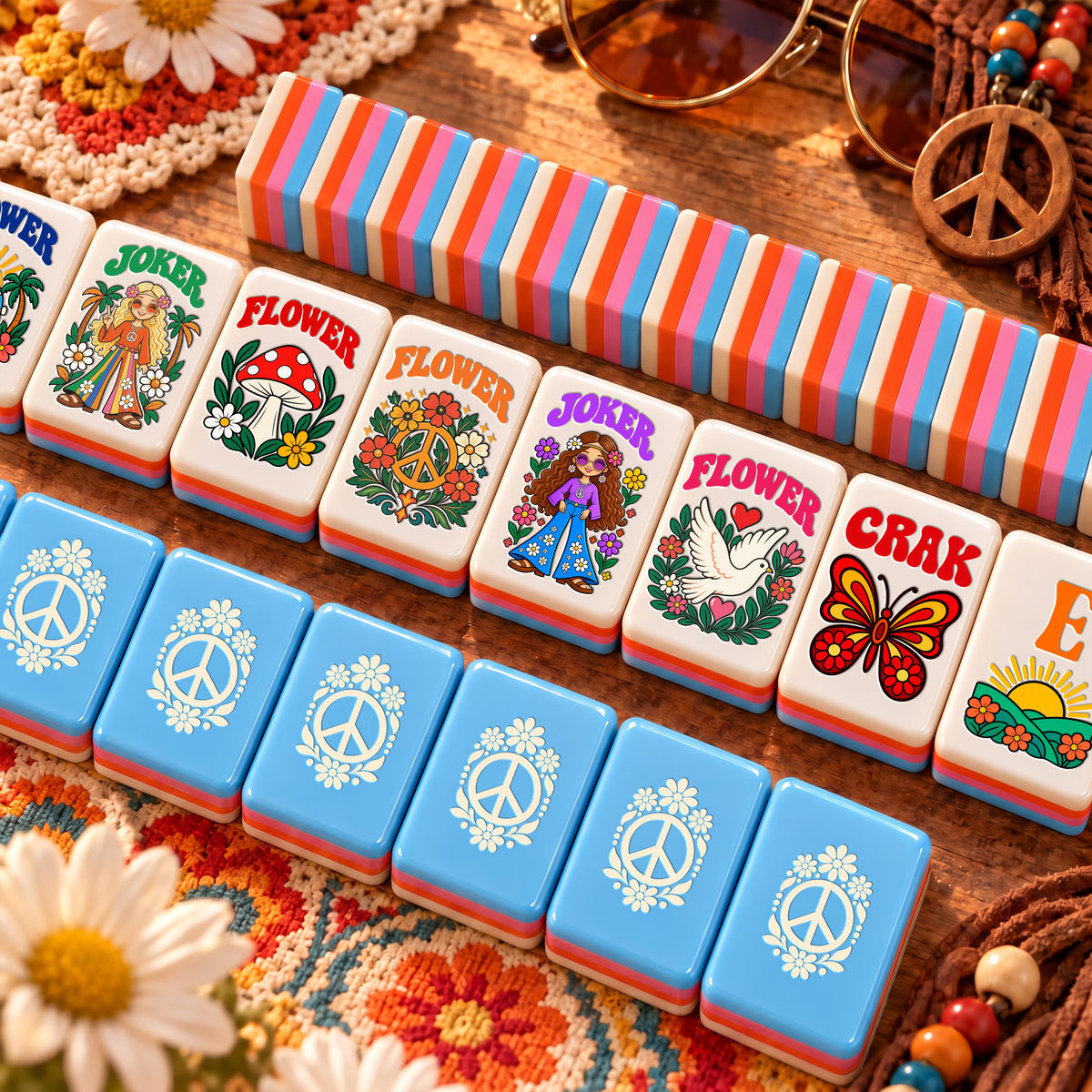
Mahjong arrived in Singapore in the early 20th century and became the nation's most recognizable tile game, played in homes, clubs, and public spaces by all ages and backgrounds. Singapore's version draws from Chinese, Hong Kong, and increasingly American rules—reflecting the island's multicultural makeup and openness to game variants. Players gather in dedicated mahjong parlours, community centers, temples, and family settings weekly; a typical game lasts 1–3 hours. The game centers on forming melds (sets of identical tiles or sequences) and winning by completing a hand using the National Mah Jongg League card (American) or regional scoring systems (Chinese/Hong Kong). Mahjong in Singapore also carries social weight: it signals belonging, builds intergenerational bonds, and remains legal domestic play in homes and registered clubs. Whether you're learning the American variant or exploring traditional Chinese or Hong Kong rules, Singapore's mahjong community is active, welcoming, and deeply invested in preserving the game—and our best-selling sets are used by players worldwide who want durable, engraved tiles for weekly games.
What makes Singapore's mahjong culture unique?
Singapore's mahjong identity sits at a crossroads: it honors Chinese roots (where the game originated centuries ago) while embracing Western-introduced rule sets like American mahjong. The island's hawker culture made mahjong ubiquitous—coffee shops and market areas hosted informal games alongside meals, embedding the game into daily rhythm. Today, that legacy persists in both casual home play and organized competitive circuits. Unlike China's modern mahjong clubs (often tied to gambling) or Japan's riichi mahjong arcades, Singapore's culture emphasizes family play, skill-building, and social connection without high stakes. The multilingual, multicultural population means players code-switch between Mandarin, English, and Hokkien callouts—creating a uniquely Singaporean dialect of the game. This openness to multiple rule systems (Chinese, Hong Kong, American) means a single player might host a weekend American mahjong game one night and join a traditional Hong Kong variant game the next, making Singapore a living laboratory for mahjong variants worldwide.

Which mahjong rules do Singaporeans actually play?
Three main variants dominate: Chinese (standard) uses a simplified 108-tile set and focuses on winning through sequences, pairs, and triplets with regional scoring variations; Hong Kong applies stricter hand-composition rules and faster play; American mahjong uses 152 tiles, requires hands from an annual card (the National Mah Jongg League card), and prohibits sequences called as exposed melds. Singaporean players often know two or three variants fluently. American mahjong gained ground in the past 15 years through expat communities and YouTube tutorials, and many Singaporean clubs now offer American nights. Chinese and Hong Kong variants remain dominant in casual family settings and older players' circles. A typical Singaporean might learn Chinese mahjong from grandparents, pick up Hong Kong rules at university, and discover American play through a work colleague—each variant offering different strategic depth and social texture.
Where do Singaporeans play mahjong today?
Players gather in mahjong parlours (dedicated gaming halls with tables and equipment rentals), community centers run by grassroots organizations, temples with social programs, registered private clubs with membership models, and home games (the most common format). Hawker centers still host informal games, though less visibly than decades past. Tourist zones and shopping malls occasionally feature pop-up mahjong nights targeting expats and younger players. Home games dominate because they're intimate, rule-flexible, and free—a rotating cast of four friends or family members meeting weekly or monthly is Singapore's mahjong heartbeat. For beginners seeking structured lessons, some community centers and informal collectives offer low-cost clinics. Online communities and WhatsApp groups now coordinate games, allowing players to find a table within hours. The social ecology is loose and organic rather than centralized—Singaporeans find mahjong through word-of-mouth, family invitation, or serendipitous coffee-shop encounters.
How has Singapore's mahjong community evolved?
Mahjong peaked as a mainstream daily leisure activity from the 1960s through 1990s, when it rivaled hawker visits and TV watching as evening entertainment. The rise of digital gaming and longer work hours thinned casual play but didn't eliminate it—instead, mahjong consolidated among dedicated enthusiasts and family traditions. Younger Singaporeans (Gen Z and millennial professionals) rediscovered the game in the 2010s, often via American mahjong through social media and TikTok, viewing it as a wellness practice and social anchor during screen-heavy lives. This revival brought aesthetic interest: custom tiles, engraved sets as gifts, and Instagram-worthy mats transformed mahjong from purely utilitarian to collectible. Women's participation surged—long framed as a grandmothers' game, mahjong now skews younger and more gender-balanced. Regional tourism also shifted the game's visibility: visitors to Singapore seek mahjong experiences, prompting clubs to advertise English-language lessons. The overall picture: fewer daily casual players, but a more intentional, diverse, and globally-aware player base.
What equipment do Singaporean players prefer?
Singaporean home players traditionally use bamboo tile sets (lightweight, affordable, authentic sound) or bone-and-bamboo sets (prized for durability and prestige). Commercial parlours stock large quantities of standard plastic tiles for rapid replacement. Contemporary players increasingly choose acrylic or engraved tile sets for clarity, longevity, and personalization—especially those hosting weekly games or giving sets as gifts. A mahjong mat is essential for home play, protecting tiles and table while providing grip and visual focus; many Singaporean homes inherit worn mats or purchase simple cotton covers from local markets. Racks are less common in casual Singapore play than in North American settings, but players who value posture and ease during long sessions increasingly adopt them. Bags and cases matter for players who transport sets between home, club, and family gatherings. The shift toward designed, durable sets reflects Singapore's broader trend: games are no longer just functional leisure but social markers and gift objects, blending tradition with modern aesthetics.
Set Type | Who It's For | Durability | Sound/Aesthetics | Why It Works in Singapore |
Bamboo tiles (traditional) | Purists, grandparents, casual players | 5–10 years with care | Authentic clack, minimal personalization | Affordable, widely available, evokes heritage |
Bone-and-bamboo sets | Mid-level collectors, gift-givers | 15+ years | Premium feel, subtle elegance | Prestige factor; imports available online |
Acrylic/engraved sets | Weekly hosts, professionals, expats | 20+ years | Clear symbols, modern designs | Custom names/dates; clarity for varied light; durable for frequent play |
Plastic sets (parlour-grade) | Commercial spaces | 3–5 years | Loud, functional | High volume replacement; fast sorting |

What should you check before you buy a mahjong set in Singapore?
Tile count: Confirm your variant uses 108 (Chinese), 144 (some variants), or 152 (American)—mismatches ruin games. Tile size: Smaller tiles (0.75–0.85 inches) suit compact spaces; larger tiles (0.95+ inches) ease handling for older players. Durability: Bamboo and bone sets feel authentic but chip; acrylic and engraved designs resist damage during weekly play. Completeness: Check that flowers, dragons, winds, and jokers are all present and correct. Mat fit: If you use a mat, measure your table and confirm the mat accommodates all player positions without crowding. Storage: Ensure your chosen bag or case closes securely for transport between homes or clubs. Engravings/personalization: If gifting, allow lead time for custom work; imported sets from specialty makers often ship within weeks, not days. Rule card access: For American mahjong players, ensure you have the current year's National Mah Jongg League card before purchasing a 152-tile set. Test a set with your regular players first if possible—family preferences for tile weight, sound, and finish vary widely.
🀄 Shop best-selling mahjong sets →
How does American mahjong differ from what most Singaporeans play?
American mahjong uses 152 tiles (vs. 108 for Chinese) and requires every hand to match a published card—the National Mah Jongg League card, updated annually each spring. Winning hands are rigid: a hand must form exactly the pattern shown on the card, no substitutions. Chinese and Hong Kong variants allow flexible winning patterns and strategic depth in hand-building; American play prioritizes structure and shared knowledge of valid hands. American mahjong also prohibits called sequences (no player can claim a discard to extend a pung into a kong mid-game in an exposed meld, unlike Chinese rules). Jokers behave differently: in American play, jokers can substitute for any tile within a meld but never stand alone or form a pair. For Singaporean players accustomed to fluid, improvisation-rich Chinese mahjong, American rules feel constraining at first—but they reward memory, card-reading skill, and group play standardization. Many Singaporean expats and younger urbanites appreciate American mahjong precisely because its structure makes learning faster and cross-cultural games easier. You can learn how to play American mahjong step-by-step.
🎁 See our most-loved mahjong sets & accessories →
Why is mahjong so deeply embedded in Singaporean identity?
Mahjong arrived during Singapore's colonial and early-independence eras, when it offered affordable, indoor leisure during tropical heat and social transition. Its blend of skill, luck, and social ritual—plus minimal equipment cost—made it accessible across class and education levels. Unlike card games (often seen as frivolous) or sports (requiring space and fitness), mahjong was intellectually respectable, family-inclusive, and played in plain sight. The game became shorthand for Singaporean leisure identity: "going out for mahjong" meant community, relaxation, and status (owning a fine set signaled prosperity). Post-colonial nation-building also positioned mahjong as a Chinese cultural anchor—essential to maintaining heritage amid rapid modernization and multilingual identity. For women, mahjong provided one of few socially sanctioned public spaces for gatherings, friendship, and autonomy outside family hierarchies. Across gender, class, and dialect groups, mahjong was a common language. That symbolic weight persists: even as play frequency declined, mahjong remains iconic—appearing in films, literature, and Singaporean nostalgia. Today's revival among younger players reflects both a rediscovery of "authentic" leisure and a reaction to screen culture, making mahjong feel timely, not anachronistic.
✨ Find your Mahstead set — free US shipping →
Can Singaporeans legally play mahjong for stakes?
Gambling laws in Singapore strictly prohibit public gambling; domestic mahjong play among friends without commercial operation is legal and tolerated if no stakes or only token stakes occur. Organized mahjong parlours are regulated; many operate under club membership models to minimize perceived gambling. Cash stakes are officially illegal but historically commonplace in informal settings—enforcement is selective and often depends on visibility, volume, and whether operators profit directly. Foreign visitors and expats should understand Singapore's strict gambling laws before joining a game involving money; even small stakes can technically constitute an offense. Most contemporary home games and social clubs emphasize play for fun, bragging rights, and company rather than financial gain—a cultural shift reflecting both legal tightening and changing attitudes among younger players who view mahjong as wellness and social connection, not gambling. For tourists and visitors seeking games, community centers and clubs advertising "friendly play" are safer choices than informal street settings.

FAQ
Is mahjong still popular in Singapore, or is it a dying game?
Mahjong remains culturally iconic and actively played, but frequency and demographics have shifted. Regular weekly players exist in every neighborhood; younger players rediscovered it in the past decade. The game is embedded in Singaporean identity even if it's no longer the dominant leisure activity it was in the 1970s–1980s.
What's the difference between Chinese and American mahjong in Singapore?
Chinese mahjong uses 108 tiles and flexible winning patterns; American uses 152 tiles and requires hands to match a published annual card. Both are played in Singapore; American is gaining ground among professionals and expats, while Chinese dominates family and casual play.
Where can a visitor find a mahjong game in Singapore?
Join community centers, temples offering social programs, or registered mahjong clubs (searchable online or through tourism boards). Ask locals or hotel staff for referrals. Avoid unlicensed parlours or games involving significant stakes to stay legally clear.
How long does a typical mahjong game last in Singapore?
A casual home game usually runs 1–3 hours for 2–4 rounds. Social play prioritizes conversation and connection over speed; competitive or tournament formats are faster and more rigorous.
What's the best mahjong set to buy if I'm a Singapore resident playing weekly?
Choose durable acrylic or engraved tiles (20+ years lifespan), a protective mat, and a secure bag for transport. Invest in clarity and personalization if gifting; prioritize durability if hosting frequent games. Confirm the tile count matches your chosen variant (108, 144, or 152).
Can I learn American mahjong in Singapore?
Yes; YouTube tutorials, online communities, and expat-led clubs offer instruction. Many Singaporean clubs now host American mahjong nights. The learning curve is steeper than Chinese variants because hands must match the published card, but progress is fast with regular play.


View More
View More
View More
