
Mahjong Clubs in Los Angeles: Where to Play & How to Start
Last updated: Nov 23, 2026
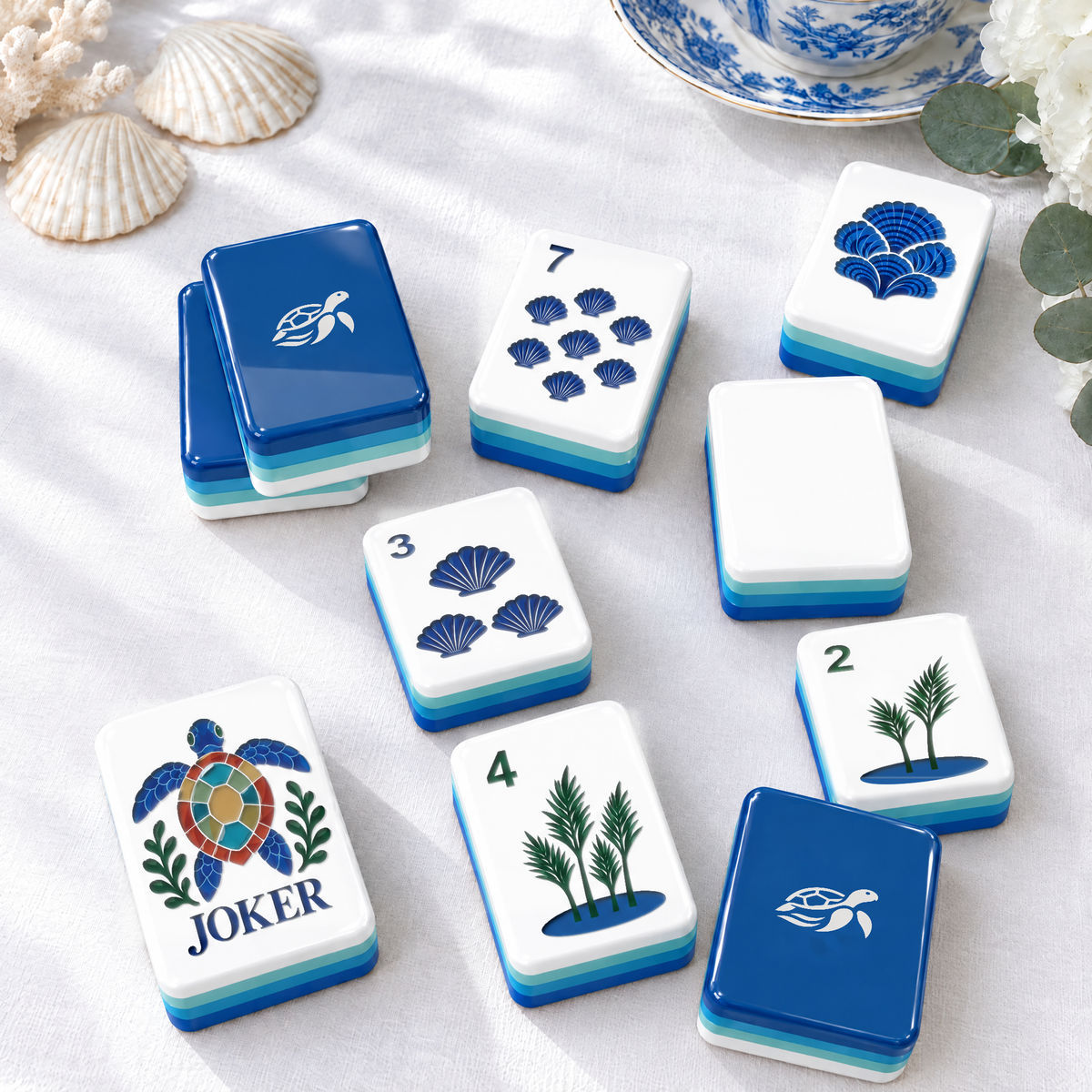
Los Angeles hosts mahjong in synagogues, community centers, libraries, country clubs, and private homes throughout the city. Search Meetup.com for "mahjong Los Angeles," check your local library's event calendar, ask at Jewish community centers and senior centers in your area, and post on neighborhood social-media boards. Most clubs play American mahjong with the current year's National Mah Jongg League card; games typically run weekly for 2–4 hours and welcome beginners. Cost varies—some clubs are free or charge a small table fee, while others play for modest stakes. Before joining, learn the basics on our mahjong for beginners guide, confirm which variant the club plays (American, Chinese, or Hong Kong rules differ significantly), and ask whether they provide tiles or if you should bring your own best-selling set.
Los Angeles has dozens of active mahjong clubs and meetups across neighborhoods, from community centers to private game rooms. Search Meetup.com for "mahjong Los Angeles," check your local library's event calendar, ask at Jewish community centers and senior centers in your area, and post on neighborhood social-media boards. Most clubs play American mahjong with the current year's National Mah Jongg League card; games typically run weekly for 2–4 hours and welcome beginners. Cost varies—some clubs are free or charge a small table fee, while others play for modest stakes. Before joining, learn the basics, confirm which variant the club plays, and ask whether they provide tiles or if you should bring your own set.
Where do LA mahjong clubs actually meet?
Mahjong games in LA cluster in three main venue types. Community centers and senior centers host free or low-cost drop-in games; search "[your neighborhood] senior center" or check the City of Los Angeles Recreation and Parks website. Jewish community centers and synagogues (especially in areas like West LA, Burbank, and Long Beach) run organized leagues with regular schedules and often advertise on their websites or bulletin boards. Private game groups meet in homes or rented spaces—these are best found through Meetup, neighborhood Facebook groups, or word-of-mouth from existing players. Country clubs and retirement communities sometimes host members-only games; ask if you know someone already playing. Start by calling or emailing your nearest library, senior center, or JCC; staff can point you toward active players. Many LA players coordinate games on social platforms or WhatsApp groups once you enter the network—your first contact is always the hardest.

What's the difference between American and other mahjong variants played in LA?
American mahjong uses 152 tiles, no sequences (only groups of three, four, or five identical tiles), jokers that can substitute for any tile in a meld, and hands pulled only from the current year's National Mah Jongg League card. Chinese and Hong Kong mahjong use 144 tiles, allow sequences (called chows), have no jokers, and rely on memorized hand patterns. Some LA clubs play mixed variants on different nights, so always ask before signing up. Riichi mahjong (Japanese-style) and Taiwanese mahjong are less common in LA but do appear in specialized meetups. If you're new, American mahjong is the most beginner-friendly entry point because the card structure makes hands clear and the joker rules are forgiving. Clarify the variant when you call a club—this single question prevents confusion on game night and ensures you arrive with the right mindset. Most beginner-friendly LA clubs favor American rules because they're easier to teach and faster to learn.
🀄 Shop best-selling mahjong sets →
What should you bring to your first LA mahjong game?
Arrive early and ask the host what's provided. Most established LA clubs supply tiles and racks; if they don't, bring a mahjong set with acrylic tiles and wooden racks with pushers to avoid fumbling or losing pieces. Bring a pen and paper or your phone for scorekeeping—some groups use apps, others tally on paper. Wear comfortable clothes and arrive 15–30 minutes early so hosts can show you the hand card and the tile layout. If you're nervous, watch one full hand before joining in; most clubs allow observation and encourage new players to learn by watching first. Don't worry if you don't understand everything immediately—American mahjong has a steep first-game learning curve, but the rules become intuitive after three or four hands. Bring a good attitude, curiosity, and a willingness to ask questions. Money is optional—many free or casual LA games involve no betting, while others use points or small antes; clarify the stakes when you sign up.

How do you find a club that matches your schedule and skill level?
Create a simple decision grid before you contact clubs. List your must-haves: day/time, neighborhood, skill level (beginner-friendly, mixed, or advanced), cost (free, table fee, or casual play money), and whether the group welcomes newcomers. Use this checklist when you call:
Criteria | What to ask | Red flag if… |
Schedule | "What nights/times do you play?" | They won't commit to a regular day |
Distance | "What's your address or neighborhood?" | It requires > 45 min drive for you |
Beginner-friendly | "Do you teach new players?" | They say "you should already know the rules" |
Variant | "Do you play American, Chinese, or other?" | They're unclear or expect you to know all variants |
Cost | "Is there a fee or stakes?" | Price is hidden or depends on luck |
Group size | "How many regulars usually show?" | Too many (8+) or too few (<3) for your comfort |
Start with one club and attend three times before deciding. Mahjong communities are tight; one awkward game doesn't mean the group isn't for you. If the first club doesn't click, try another—LA has enough options that you'll find a good fit.
What equipment do you need as a regular LA player?
Once you've found your club, invest in your own gear. A 160-tile acrylic mahjong set with engraved or colored tiles is durable, easy to read, and sets you apart as someone serious. Pair it with a wooden or bamboo mat to protect the table and keep tiles organized—most LA tables don't provide mats, so bringing one earns respect. If you travel between clubs or host games at home, a padded bag or hard case keeps everything safe in your car. Racks with pushers are non-negotiable; they let you organize your hand quickly, which speeds up the game and reduces errors. Some players add wooden pushers and racks separately to improve comfort. These aren't luxuries—they're tools that signal respect for the game and make you faster and more confident. Many LA clubs have players with beautiful custom sets that spark conversations and build community. Your gear matters because it lasts years and reflects your commitment.
🎁 See our most-loved mahjong sets & accessories →
What should you check before joining a club for the first time?
Call or email ahead, don't just show up. Ask these five questions before you commit: (1) When do you play, and are new players welcome? (2) Do you provide tiles, or should I bring a set? (3) Which mahjong variant do you play? (4) Is there a cost or stakes? (5) Should I arrive with any knowledge, or can I learn from scratch? Most hosts will ask your experience level and expectations in return—be honest if you're a complete beginner. Clarify whether you need a beginner's guide to the rules or if they'll teach you on the spot. Confirm the address and parking situation—LA traffic means knowing arrival time and where to park. If the host seems evasive, patronizing, or unwilling to answer, look for another group; good clubs are enthusiastic about welcoming players. Finally, give yourself permission to leave if the group isn't welcoming or the game speed overwhelms you—there are enough clubs in LA that you'll find your people.
✨ Find your Mahstead set — free US shipping →

FAQ
How do I find free mahjong clubs in Los Angeles?
Search your local library and city senior center websites for "mahjong"; post on neighborhood Nextdoor or Facebook groups; and call Jewish community centers in your area. Many free games meet weekly. Libraries and centers often post schedules on their event pages or bulletin boards.
Do I need to know how to play before joining an LA club?
No. Most LA clubs welcome complete beginners, especially if you call ahead and say so. Watch one hand, then join in—players explain as you go. Arrive early with an open mind and low expectations for your first session.
What's the difference between American and Chinese mahjong in LA?
American uses 152 tiles, jokers, and a card with hand patterns. Chinese uses 144 tiles, no jokers, sequences (chows), and memorized patterns. Ask which variant your club plays before your first game so you can prepare accordingly.
Should I bring my own mahjong set to a club?
Call first—many established clubs provide tiles. If you'll play regularly, a personal set with racks and a mat speeds up the game and earns respect. Acrylic tiles are durable and easy to read under any light.
What's the typical cost of joining a mahjong club in LA?
Many free games exist through libraries and senior centers. Others charge a small table fee (varies by group), while some use casual stakes or points. Clarify the cost structure when you call—it should never be hidden or pressure-based.
How often do mahjong clubs meet in LA?
Most meet weekly, usually on one consistent evening or afternoon. Some groups play twice a week or host monthly tournaments. Ask about frequency and how many sessions you should commit to before deciding if it's your group.


View More
View More
View More
