
Mahjong Lessons in Fort Worth: Where to Learn & What You Need
Last updated: Nov 23, 2026
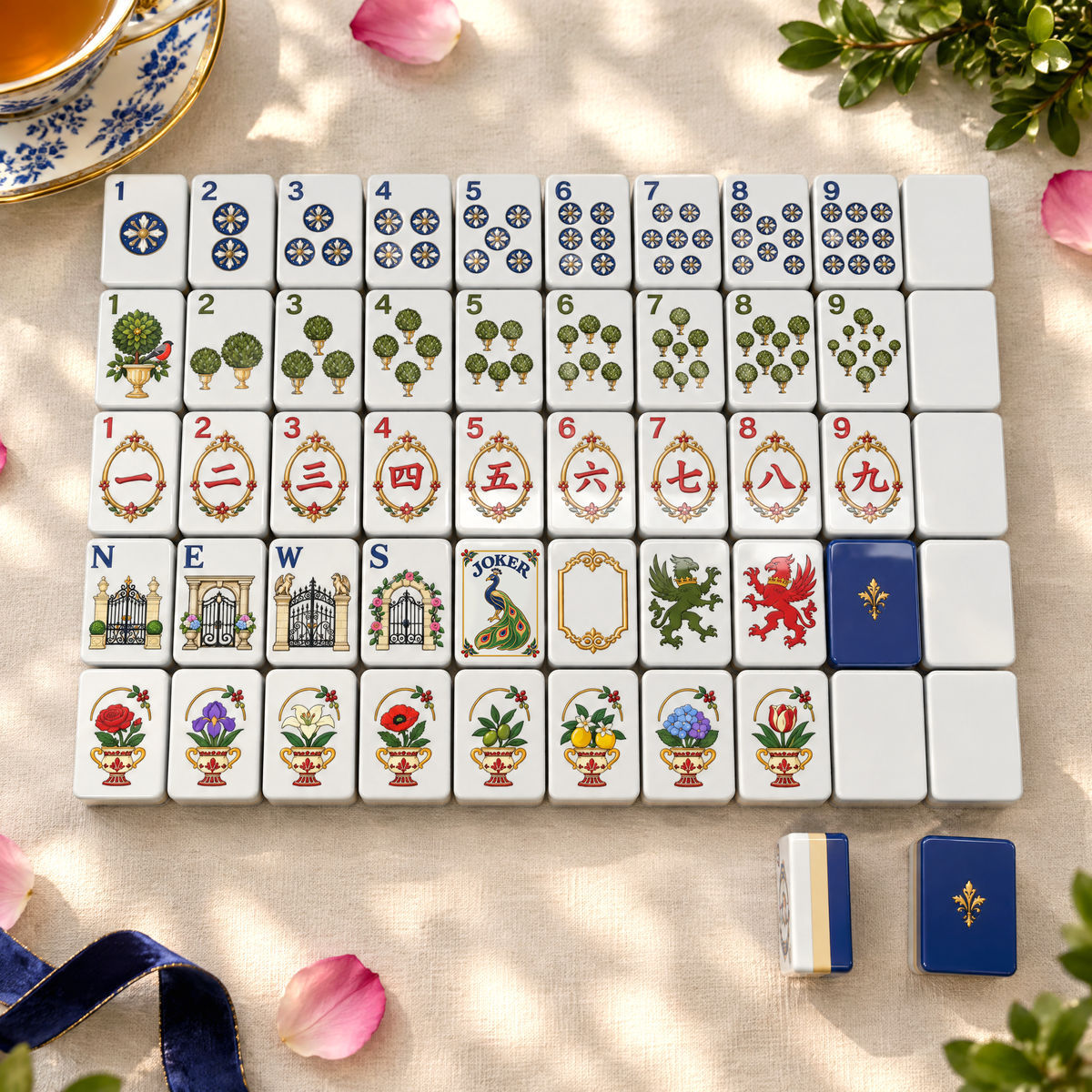
Fort Worth mahjong lessons are found through community centers, libraries, synagogues, senior centers, and country clubs—call ahead or check community boards for current schedules. Most beginner classes run 4–8 weeks and teach American mahjong rules, the tile-passing Charleston, hand-reading using the National Mah Jongg League card, and scoring. Expect to pay a modest per-class or session fee; some groups charge only for table fees. A good teacher covers why jokers matter, how to spot exposed melds (pungs, kongs), and common beginner mistakes—calling tiles too early or misreading the card. You'll need a quality 160-tile set, a mat, and racks; Mahstead offers engraved sets designed for beginners and experienced players alike, shipped free across the US. Start by visiting two or three venues—lessons vary widely in pace, house rules, and teaching style, so a trial visit helps.
Where Do Fort Worth Players Take Lessons?
Fort Worth's mahjong community meets at public libraries (ask the reference desk or events coordinator), YMCAs and recreation centers (check their adult class offerings), Jewish community centers and synagogues (many run weekly sessions), senior centers, and country clubs with game rooms. Call ahead; teachers and hosts often update class rosters monthly. Some neighborhoods host informal garage or living-room games—ask local players or post on community boards. Visit two venues before committing; you'll feel the house culture right away, and a teacher's tone (patient vs. competitive) matters for early learning.

What Happens in Your First Lesson?
Your first lesson covers the 152-tile set (three suits: Bams, Craks, Dots; winds; dragons; flowers; jokers), how to shuffle and pass tiles in the Charleston, reading the National Mah Jongg League card, and what "winning" means—you need thirteen tiles plus one drawn, arranged into melds from the current year's card. Teachers show the difference between a pung (three identical tiles, always called or exposed together), a kong (four identical), and a pair. You'll handle jokers—they stand in for any tile except a pair or single tile—and learn why American mahjong has no chows (sequences). Most first lessons are hands-on: you'll pick up tiles, practice the Charleston pass, and play one or two slow rounds with everyone's cards showing or nearly showing.
🀄 Shop best-selling mahjong sets →
How Long Until You Can Play a Full Game?
Most players feel comfortable with one full game after 4–6 weeks of weekly lessons. The first two weeks cover tile names, the Charleston, and card-reading; weeks 3–4 add real play, scoring basics, and house rules. By week 5, you're calling hands, recognizing patterns on the card, and tracking discards. Competence—playing without asking "what can I expose?"—takes another 4–8 weeks. Confidence comes from repeated play; every hand teaches something new. A weekly two-hour lesson plus home practice (online tutorials, reviewing the card) speeds this up. Many Fort Worth groups offer "play nights" after beginner sessions, where newer players join a table with an experienced player to guide early decisions.
What Gear Do You Actually Need to Start?
A 160-tile acrylic set, a mat with a lip to prevent tiles sliding, hard racks with pushers (to hold and organize your hand), and a tile rack bag for easy transport. Don't buy a set without racks and pushers—beginners struggle to manage tiles in hand otherwise. A mahjong mat protects your table, signals you're serious, and makes tiles audible when dealt. If you host, a travel bag or case keeps everything together between games. Acrylic tiles are louder and more durable than bamboo; they're ideal for learning because you can see all four of each tile type. Many Fort Worth beginners buy once and play for years—invest in a good set you enjoy looking at.
Gear Type | Why Beginners Need It | How It Helps |
160-tile acrylic set | Standard for American mahjong; all four copies of each tile visible | Learn tile recognition and confidence |
Mat with lip | Prevents tiles sliding off the table during dealing | Speeds up play and reduces frustration |
Racks with pushers | Hold 13 tiles neatly so you manage your hand | Trains you to organize melds mentally |
Tile bag | Keeps set, mat, racks together; protects tiles | Makes hosting and travel effortless |
Dice (included) | Determines East player and rotation | Ensures fair play start each game |
Mahstead's best-selling collection pairs sets with matching mats and racks—all ready to go. Shipping is free across the US, so you can start learning this week.

What Are the Biggest Beginner Mistakes in Lessons?
Calling too early. New players expose a pung the moment they have one, telegraphing their hand to other players and losing flexibility. In American mahjong, you can hold a pung unexposed as long as you like—only declare it when it helps your winning strategy.
Misreading the card. The National Mah Jongg League card is dense; beginners often confuse a pung (three identical tiles shown as "|||") with a kong (four). Ask your teacher to mark up your personal card with a highlighter to show your target hands—this cuts confusion by half.
Ignoring the discard pile. Many beginners focus only on their own hand and miss what others are throwing—a crucial signal of their strategy. Watch the discard pile between your turns; it tells you what tiles are gone and what's safe to throw.
Forgetting joker rules. Jokers can't be used as a single tile or a pair; they fill a spot inside a meld (pung, kong, quint, sextet) only. A hand with eight jokers looks tempting until you realize you can't pair them.
Playing house rules without asking. Some Fort Worth groups use local variants (bonus points for suitless hands, different scoring). Ask your teacher on day one: "What house rules do you use?" This prevents losing a hand on a technicality.
What to Check Before You Buy a Set
Tile clarity. Acrylic tiles should show the character or symbol clearly in daylight. Dull tiles slow tile recognition for learners.
Rack fit. Your tiles should slide smoothly into racks and stand upright without tilting. Test with a friend's set if you can.
Mat weight. A mat should stay flat on the table without slipping; check if it has grips or a rubberized underside.
Joker count. A 160-tile set includes spares; confirm the set comes with extra jokers (we never add jokers beyond the 152 playing tiles—extras are for loss or breakage only).
Bag durability. Open and close the bag a few times in the store or online video; zippers and seams fail fastest on travel bags.
🎁 See our most-loved mahjong sets & accessories →
How to Find the Right Fort Worth Class for You
Ask yourself three questions:
Pace. Do you want a structured 6–8 week course, or a drop-in weekly play group? Fast learners thrive in courses; casual players prefer no-pressure groups.
House. Is this a library, synagogue, senior center, or country club? Venues have different social atmospheres—some are competitive, others purely social.
Teaching style. Does the teacher or host play demo hands, show card sections in detail, or expect you to learn by watching? Trial one session to feel it.
Visit a venue in person if possible. Bring a notebook, ask if you can observe one hand before joining, and ask the teacher or host for their house-rules sheet. Fort Worth hosts games across the city—you're not locked into the first group you try.
✨ Find your Mahstead set — free US shipping →
Getting Started at Home: Study Between Lessons
Between classes, spend 10–15 minutes each day on the card. Your teacher will give you the current year's National Mah Jongg League card; read one section per day (often grouped by number of pairs, suits, or honors). Watch one online tutorial on how to read the mahjong card—this cuts learning time by weeks. Join a practice group if your lesson venue offers one; some Fort Worth groups set up informal Thursday or Saturday sessions. Play slowly; teach a family member or friend even if they've never heard of mahjong—teaching reinforces your own learning. Set up your mat at home and practice tile positions so your hands move confidently when you're at a lesson table.

FAQ
Do I need to know mahjong before I take lessons in Fort Worth?
No. Fort Worth beginner classes assume no prior knowledge. Lessons teach the tile set, the Charleston, card-reading, and rules from scratch. If you've played Chinese or Hong Kong mahjong, tell your teacher—American rules differ significantly.
How much do mahjong lessons cost in Fort Worth?
Most community centers and libraries charge a modest per-class or session fee. Some groups charge only for table/facility use. Call your local venue directly; rates vary. Expect to budget for a quality set as well—a good investment before or during your lessons.
What's the difference between a pung and a kong?
A pung is three identical tiles (e.g., three 5 Dots); a kong is four identical tiles. You can expose either one on the table once you declare it. If you have four and use one as a joker substitute in another meld, you expose three and keep the fourth hidden.
Can I play mahjong with friends at home before I take lessons?
Yes, but it's harder to learn without a teacher present. Start by reading one guide on the rules and watching one video tutorial, then invite friends for a slow, open-hand practice game. Many learners find a lesson first, then host home games.
Should I buy an expensive set before my first lesson?
No. Buy a beginner-quality 160-tile acrylic set with a mat and racks—durable and affordable. Once you've played 10–15 times and know if you love the game, you can upgrade to an engraved or specialty set. Your first set teaches you; your second set can be beautiful.
What happens if I miss a lesson?
Ask your teacher if you can attend a makeup session or watch a recording. Most Fort Worth groups offer flexible make-up options. Consistency helps, but missing one or two lessons isn't fatal—the game repeats patterns, so you'll catch up quickly.


View More
View More
View More
