
Mahjong Clubs in Greenwich: Where to Play & What You Need
Last updated: Nov 23, 2026
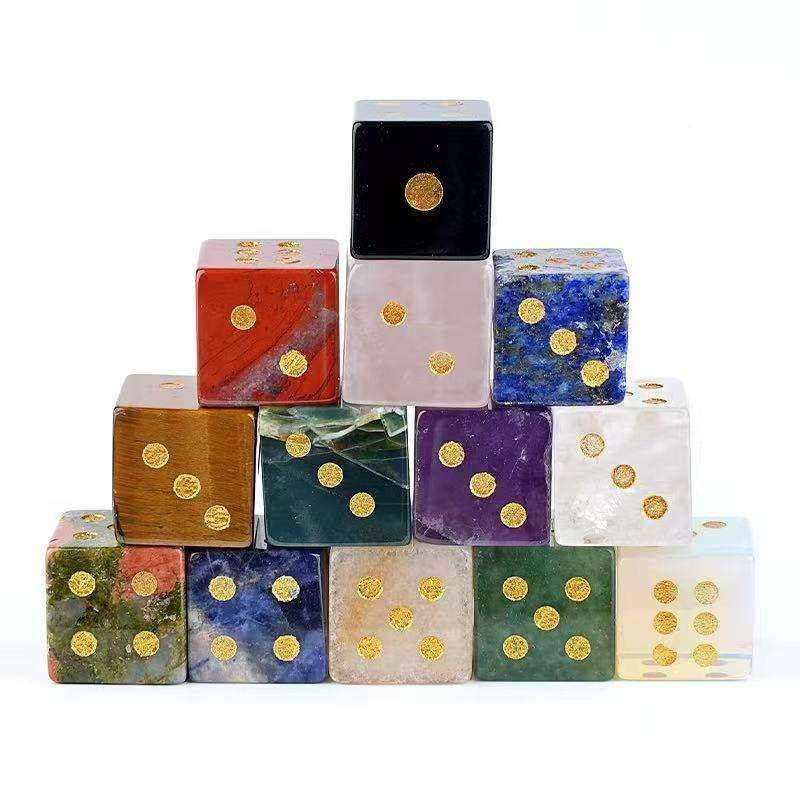
Greenwich mahjong players typically find games through community centers (check your local recreation department), libraries hosting open gaming hours, country clubs with game nights, and synagogues with active cultural programs. Meetup boards and neighborhood Facebook groups often advertise weekly Thursday or Sunday sessions. Most clubs welcome newcomers and teach American mahjong rules; bring a willingness to learn the Charleston tile-passing ritual and the current year's National Mah Jongg League card, which governs all hands. Games usually run two to four hours, cost little or nothing to join, and assume players own or can borrow a 160-tile American mahjong set—if you're serious, an acrylic set with pushers and a travel bag makes setup faster and keeps tiles organized between sessions.
Where do Greenwich mahjong clubs actually meet?
Check your town's Parks & Recreation department first—most offer mahjong sessions in senior centers, community buildings, or libraries. Call ahead to confirm schedules; Thursday afternoons and Sunday mornings are common slots. Libraries sometimes host open gaming or can refer you to established groups. Country clubs, especially those with strong cultural communities, often run weekly mahjong nights; ask if you know a member. Synagogues and religious community centers frequently sponsor mahjong clubs as part of cultural programming—these welcome all faiths and skill levels. Neighborhood Meetup boards, Facebook groups, and Nextdoor often list private games seeking players; start by asking friends who play, since word-of-mouth usually leads fastest to a regular table. Most clubs post a few weeks ahead, so check monthly.
What's the difference between casual and league play?
Casual games gather informally at homes or venues, play by American rules without scorekeeping stakes, and accept beginners mid-season. League play (sanctioned by the National Mah Jongg League) uses the official annual card, recorded scores, and standardized hands, requiring consistent attendance. Casual clubs emphasize fun and social time; league play emphasizes skill tracking and formal competition. If you're new, start casual—leagues usually expect you to know the Charleston, tile mechanics, and basic strategy before joining mid-season. Both environments use identical rules; the difference is commitment and record-keeping, not how hands are called or scored.
Do I need my own set, or can I share at the club?
Most clubs have sets available to borrow or share, but owning one has huge advantages. When you own an acrylic set with matching rack and pushers, you learn tile weight and speed much faster, develop muscle memory, and become known as reliable—hosts remember who brings their own. A personal set also lets you practice at home between sessions. If you commit to joining a club weekly, investing in a 160-tile set pays off within a month; you'll play better and feel more integrated. Borrowing works while testing whether mahjong fits your schedule.
Ownership Model | Who It's For | Advantage | Best For |
Borrow from club | Testing the hobby | No upfront cost | First 2–3 sessions |
Share club set | Casual player | No storage needed | Twice-monthly play |
Own personal set | Weekly regular | Faster play, home practice | Committed players |
Premium set + rack | Host or serious player | Professional feel, durability | Hosting games yourself |
What should you bring (or learn) before your first game?
Bring the current year's National Mah Jongg League card (ask the host which year—clubs use only the current card). Arrive 15 minutes early to watch one hand and learn the specific club's style. Wear comfortable clothes; games run 2–4 hours and involve repetitive motions. Ask the host about scoring system—most casual clubs play for pride, not money. Understand the Charleston (the tile-exchange before play begins) because every game starts there; the host will walk you through it. Know that in American mahjong, you can only expose pungs (three identical tiles), kongs (four), and longer combinations—no chows or sequences. Jokers can fill any tile spot except a pair or single. If the club uses racks with pushers, ask for a quick tutorial; they speed play once you're used to them.

How do you choose a club that matches your skill level?
Ask whether the group welcomes absolute beginners or expects prior experience. Call the host or check the venue's description; phrases like "open to all" or "teach newcomers" signal beginner-friendly games. Visit once as an observer—watch how players interact, how fast they move, whether they laugh often or stay silent. Competitive leagues usually have explicit skill tiers. Casual home groups vary widely; a club with mixed ages and tenure typically has more patience for new players than a long-standing foursome. If the first club feels too fast or too intimidating, try another—Greenwich likely has options at different paces. Most established clubs are welcoming because regular turnover keeps the hobby alive.
🀄 Shop best-selling mahjong sets →
What equipment makes hosting or playing easier?
If you join weekly or think about hosting, upgrade from basic tiles to an acrylic set designed for durability and speed. Acrylic tiles don't chip as easily as bamboo, weigh consistently, and feel professional—you'll notice the difference in shuffle smoothness and long-game comfort. A travel bag or case keeps your set organized, tiles protected, and your role as the person-who-brings-the-set-everybody-trusts intact. Racks with pushers reduce hand strain during long games and speed tile sorting—many experienced players won't play without them. A quality mat with printed layouts keeps the playing surface consistent and tiles from sliding. If you're a true beginner, start with a standard set; once you're attending regularly, these upgrades transform the experience from functional to enjoyable.
🎁 See our most-loved mahjong sets & accessories →
What to check before you buy your first set
Set completeness: Confirm it has exactly 152 playing tiles plus spare jokers and blanks—no more, no fewer. A 160-tile set includes spares; never add extras to the game itself.
Tile quality: Acrylic tiles should feel smooth, uniform in weight, and not rattle inside. Cheap sets often have inconsistent face printing or tiles that wear quickly.
Pusher design: If buying racks with pushers, test that pushers slide smoothly and won't crack tiles. Some designs are flimsy; better ones have reinforced bases.
Case or mat fit: Measure your set's tile height and footprint before buying a bag; a tight fit damages acrylic edges over time.
Card compatibility: Confirm the set works with current-year League cards—tile designs vary slightly by manufacturer, and older sets sometimes have spacing issues with newer card racks.
Backup plan: Buy from a vendor with clear return or exchange policy in case tiles arrive chipped or a pusher breaks on arrival.
✨ Find your Mahstead set — free US shipping →

FAQ
How do I find a Greenwich mahjong club if I'm completely new?
Start by calling your town recreation department or checking the library events board. Ask friends if anyone plays. Search "mahjong" on Meetup or local Facebook groups. Most clubs have one beginner-friendly session per week—ask if you can observe before joining.
Do Greenwich clubs require membership fees?
Most casual clubs are free or ask a small contribution (few dollars) for refreshments or hall rental. League play has annual registration fees through the National Mah Jongg League; ask the host for current rates specific to your group.
Can I learn American mahjong rules before attending my first game?
Yes. Read our guide on how to play American mahjong or watch a tutorial video. The Charleston, hand structure, and joker rules take one session to solidify in practice—most clubs teach as you play.
Should I buy a set before joining a club, or borrow first?
Borrow for your first two or three sessions. If you love it and commit to weekly play, buy an acrylic set—you'll play faster, practice at home, and feel like a regular. A high-quality set lasts years and makes the game more enjoyable.
What's the difference between American and other mahjong variants that Greenwich clubs might offer?
American mahjong uses the National Mah Jongg League card (hands change yearly), allows no chows/sequences, and emphasizes tile melds over strategy. Chinese, Hong Kong, and Riichi variants have different tile sets, scoring, and play structures. Ask your club upfront which version they play; most Greenwich groups stick to American rules for consistency.
How do racks with pushers help, and is learning them hard?
Racks hold your tiles vertically so you can see all 13 or 14 at once; pushers help you sort and draw tiles without fumbling. Learning takes five minutes—your first club session will include a quick demo. They reduce hand cramps on long gaming days and speed play by 15–20%.


View More
View More
View More
