
Mahjong Accessories for Small Tables: What Fits Best
Last updated: Nov 23, 2026
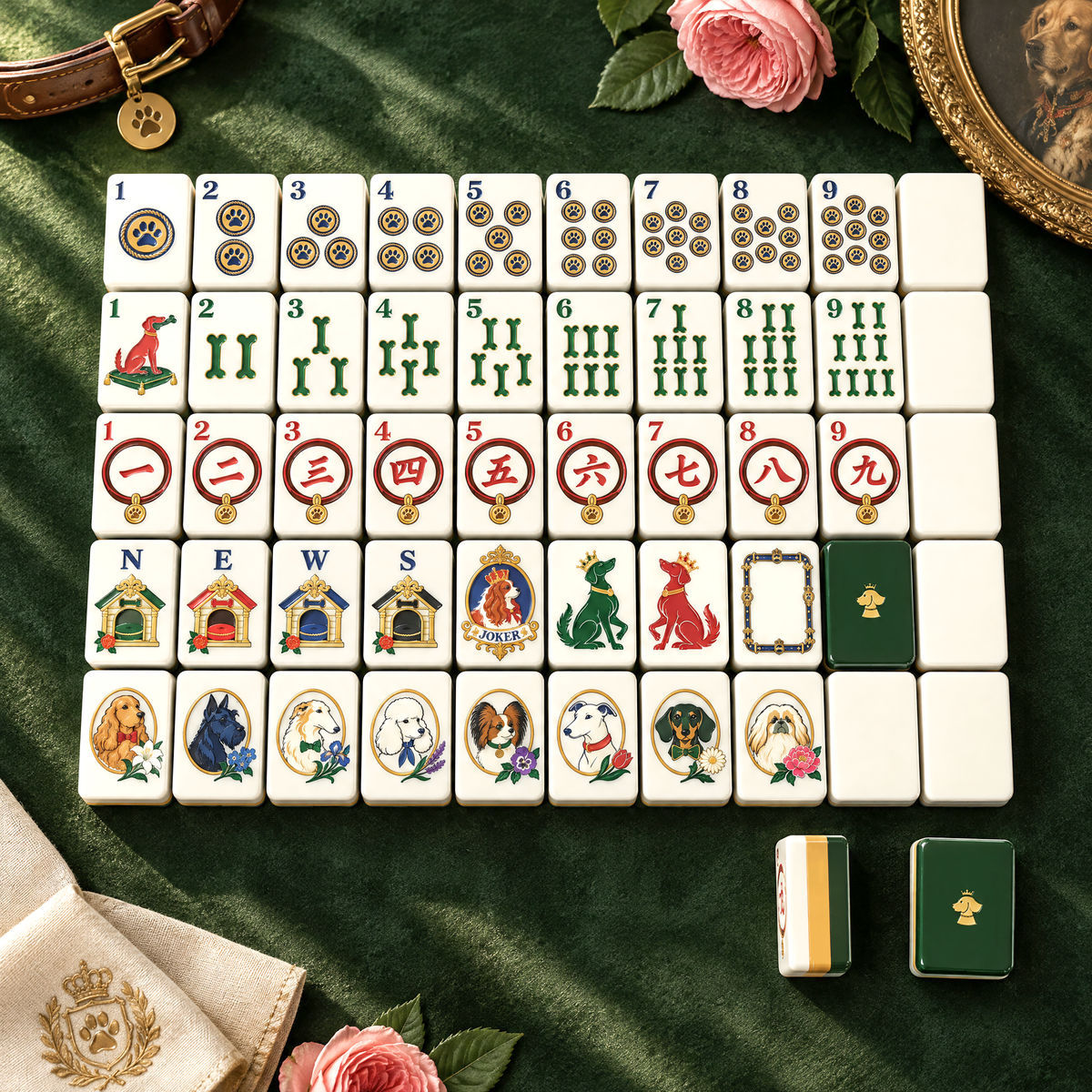
Small tables demand accessories designed for tight footprints—specifically, compact mahjong racks with pushers that hold tiles vertically without sprawling, slim travel or portable mats that fold away, and lightweight dice sets. A standard 152-tile American set is the same size regardless of table, but how you display and organize tiles makes the difference. For tables under 48 inches across, a pair of vertical racks per player (instead of a large racked display) and a mat you can roll or fold will preserve your playing surface and elbow room. The rule is simple: if players' racks or exposed melds collide when players lean in, your setup is too wide. Consider the vertical storage angle—stacking tiles in racks rather than laying them flat saves inches. Mahstead's compact options start from their best-selling collection, which includes racks designed for players who prioritize table real estate over sprawl. 🀄 Shop best-selling mahjong sets →
What size table do you actually need?
A regulation American mahjong game involves four players, each with 13 tiles to draw, plus a discard area, plus exposed melds in the center. Most serious players use 36–42 inch tables; smaller tables (24–30 inches) work only if players sit very close and racks are vertical. If your table is under 36 inches, you're in "small table" territory and will need vertical storage, not spread-out displays. Measure your table width; if it's under 40 inches, expect to sacrifice horizontal reach. Compact racks are non-negotiable.

Why do racks matter more on a small table?
On a wide table, players can lay tiles flat or fan them out along the rim. On a small table, every square inch counts—vertical mahjong racks with pushers let each player hold 13 tiles standing upright, taking up a 6–8 inch footprint instead of 18–24 inches laid flat. This leaves space for the wall, discard pile, and exposed melds without players knocking elbows. Many small-table players use one rack per hand and pass tiles between melds and racks as play unfolds. The pusher mechanism lets players draw from the wall without fumbling—crucial when space is tight and tile stacks are within arm's reach of neighbors.
What mat size fits a compact setup?
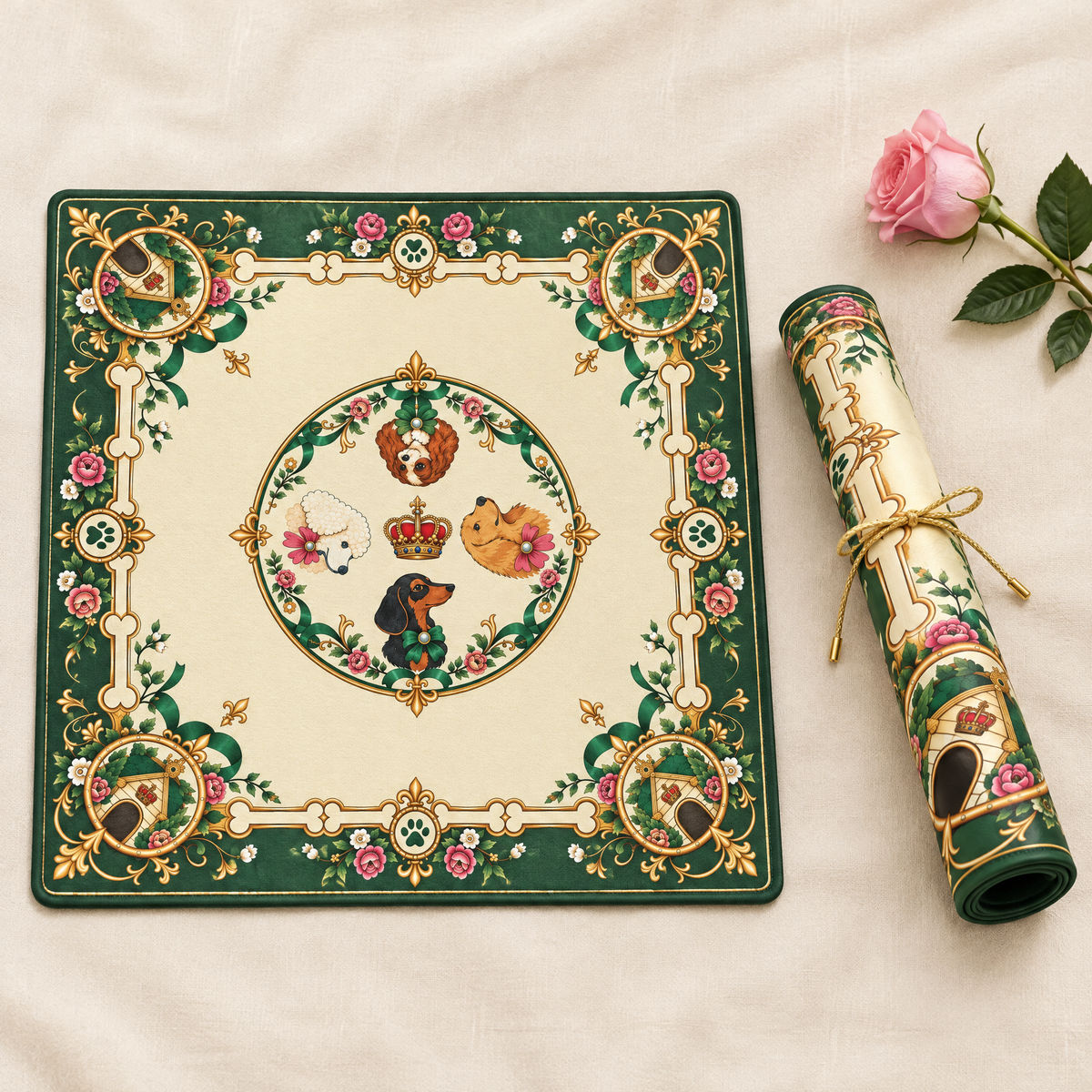
Standard mats run 27–32 inches square; portable or travel mats often fold to 18–24 inches and expand to 27 inches or slightly smaller. For a 36-inch table, a 27-inch mat leaves a 4–5 inch margin on all sides—enough room for racks and discard piles without the mat dominating the table. Travel mats compress to a rolled bundle (roughly 4–6 inches diameter) and weigh 2–4 pounds, making them ideal if you host on borrowed or rotating surfaces. Check the mat's thickness: on a small table with limited overhang, a mat thinner than ⅜ inch prevents tiles from sliding off and reduces clutter. Mahstead's mahjong mats collection includes options designed for compact setups; a portable mat that rolls or folds is worth the investment if you rotate venues.
How many jokers and dice do small tables need?
American mahjong uses exactly 8 jokers per game, regardless of table size. On a small table, jokers are more visible and easier to track because everything is closer—which is a safety feature, not a burden. Dice (typically a pair of standard six-sided dice, used for determining the wall-break position and other ritual draws) take up negligible space and should always be in play. For a 24–30 inch table, having a spare set of dice nearby is smart (one pair in use, one in a bag) so you don't scramble if dice roll off. Don't buy "extra" jokers beyond the standard 8 included in any 160-tile American mahjong set—they aren't needed and clutter your storage.
🎁 See our most-loved mahjong sets & accessories →
What bag or case works best for small-table hosting?
If you're bringing your set to a small table at a friend's place or community center, a drawstring or zippered bag that holds the set, mats rolled, and racks nested inside saves trips and prevents tile loss. Larger hard cases are overkill for a small setup—they take up a shelf and weigh more than a soft bag. Look for bags with internal compartments or just one roomy chamber; on a small table, you need everything at arm's reach, so a compact, portable mahjong bag or case that fits under a chair or sideboard is ideal. Soft cases are lighter and easier to toss in a car; hard cases protect tiles during storage but add bulk you don't need for local play.
Decision table: Which accessory combo fits your small table?
Setup | Table Size | Racks | Mat | Storage | Best For |
Compact cozy | 24–30 in | 2 vertical per player | 18–24 in portable, fold away | Drawstring bag | Apartment game nights, borrowed tables |
Snug standard | 30–36 in | 1–2 per player, vertical | 27 in portable, roll-up | Soft case, carry strap | Regular small-table group, casual hosting |
Tight but official | 36–40 in | 1 per player, vertical + wall racks optional | 27–32 in standard mat, stays on table | Soft or hard case | League-prep games, semi-formal groups |
What to check before you buy small-table accessories
Measure your actual table first. Don't guess—use a tape. If it's under 40 inches wide, compact setup is mandatory, not optional.
Test rack height and angle. Vertical racks should let tiles rest at eye level when seated; if the top of a tile stack hits your chin, the rack is too tall for your table-to-seat ratio. Standard racks are 4–5 inches tall and work for most seated play.
Confirm mat thickness and grip. A mat thinner than ⅜ inch slides easily on finished wood; thicker mats (½ inch or more) grip better but may raise tiles too high on a small table. Check the product description for material (felt, neoprene, or rubber backing all work; felt is most common and affordable).
Verify tile size. All American mahjong tiles are standard (roughly ¾ inch × 1 inch), but confirm that your 160-tile set tiles match your racks' tile slots. Racks are universal across standard tile sets; if tiles feel loose or stuck, the rack may be worn or oversized.
Count your full kit before leaving the table. 152 playing tiles + 8 jokers, plus racks (8 or 16, depending on how many per player), plus 2 dice, plus any spares. A checklist prevents leaving a tile behind.
Ask: will this mat stay on the table? Some travel mats slip on polished surfaces. If your table is glossy, choose a mat with a rubberized or felt base, or lay a non-slip pad underneath.
Check bag or case zippers and seams. On a small table where everything lives in motion, a bag with reinforced seams and smooth zippers will outlast a budget option that splits after a year of folding.
✨ Find your Mahstead set — free US shipping →
Our best-selling mahjong sets include 160 tiles, racks, and all essentials for small or large tables. Pair them with a compact mat and a soft carry bag, and you have a complete, portable setup that fits any 24+ inch surface. Many players buy one full set and add a second set of vertical racks if they host frequently, so tiles can rotate between the wall and player hands without piling up. For gift-giving or building a long-term collection, engraved sets personalize your small-table tradition and make a memorable addition to any game room.
FAQ
Can I play American mahjong on a 24-inch table?
Yes, but only with vertical racks for each player, a compact mat (18–24 inches), and players sitting very close together. Space will feel tight, and exposed melds must stay minimal. Not ideal for beginners learning to read the board.
Do I need a mat on a small table?
Not strictly—tiles won't slide much on a small, crowded surface. But a thin mat (⅜ inch) protects the table finish, defines the playing zone, and lets tiles move smoothly during tile draws and discards. Recommended.
What's the smallest set of racks I can use?
Technically, you can hold tiles in your hand, but racks are essential for fair play (prevents accidentally showing tiles) and speed. Use at least one vertical rack per player; two per player gives you flexibility for exposed melds.
Should I buy a hard case or a soft bag for a small-table set?
For small tables, soft bags are lighter and more convenient for frequent moves between venues. Hard cases are better for long-term storage on a shelf or in a closet and protect tiles if stacked with other items.
What if my table is round instead of square?
Round tables (30–42 inches diameter) work well for small-table mahjong because players are equidistant from the center. Use a circular or square mat in the middle, and arrange racks radially around it. More compact than a rectangular setup.


View More
View More
View More
