
Retro Mahjong Case: Which Style Fits Your Game?
Last updated: Nov 23, 2026
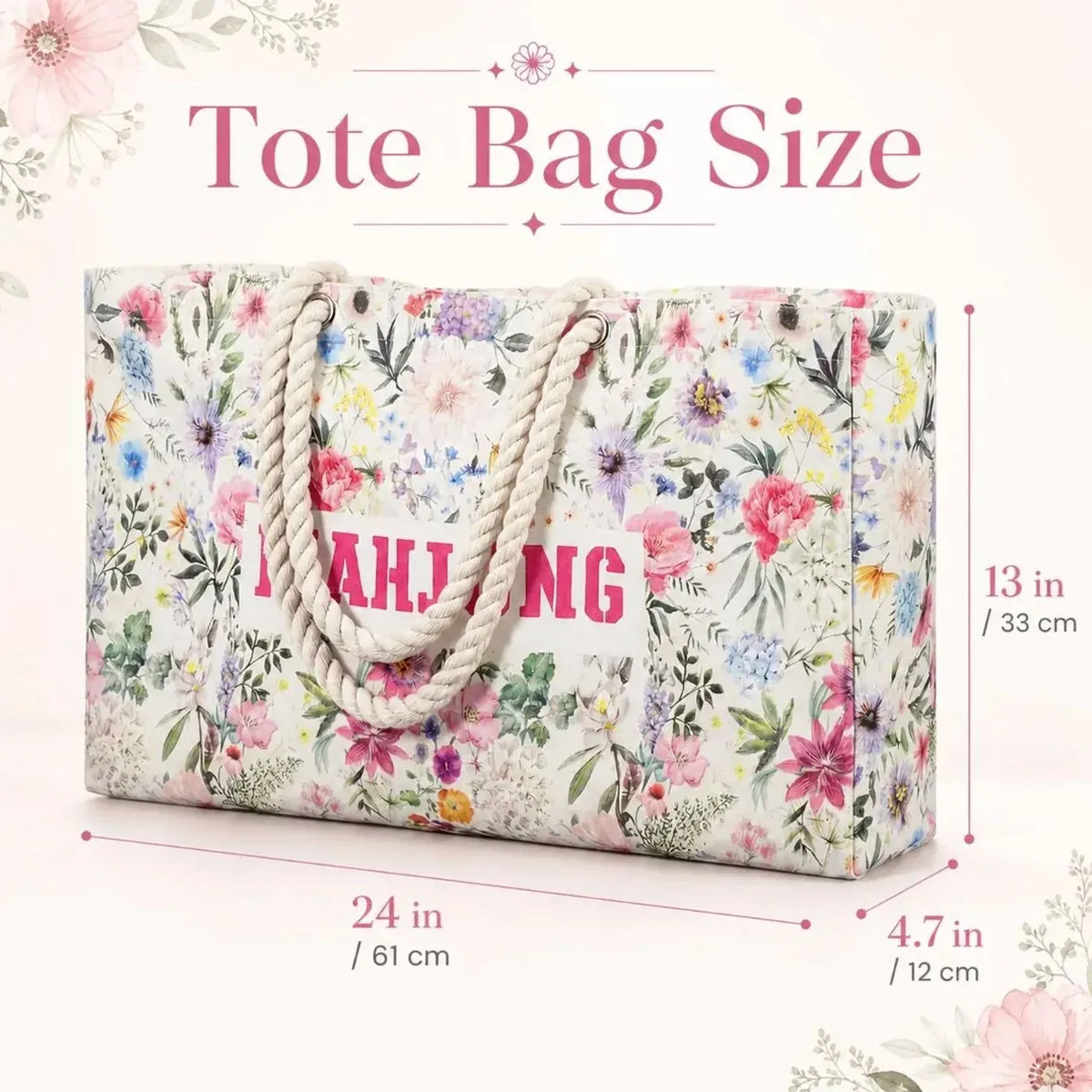
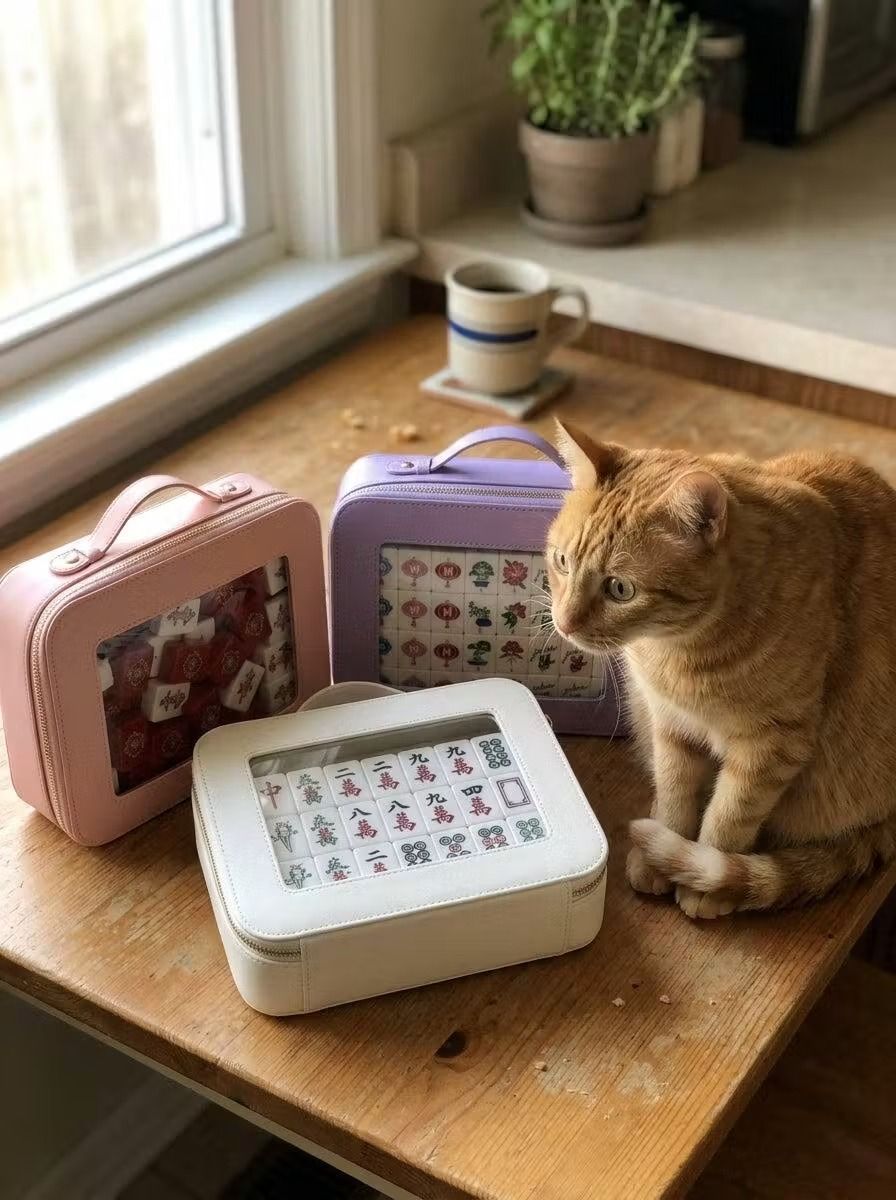
A retro mahjong case is a travel pouch or hard carrier styled with vintage aesthetics—think mid-century patterns, worn leather looks, or throwback typography—designed to safely transport a 160-tile American mahjong set. We stock cases in soft fabric, structured hard designs, and embroidered options that hold the full tile collection plus racks, pushers, and mats depending on capacity. Retro cases serve dual purposes: protection during weekly game travel and a conversation piece at the table. Costs vary by material and customization; see current prices on the travel bags and cases collection. Key decision points: whether you want a hardshell for maximum protection, a soft-sided bag for portability, embroidered personalization for a specific game group, and whether you'll carry accessories alongside tiles. Most retro styles hold a standard set comfortably, but always check interior dimensions before ordering if you're also packing mats or extra racks.
What makes a case "retro" vs. just vintage-looking?
True retro design references a specific era—1950s atomic prints, 1970s burnt orange and avocado, 1980s geometric patterns—rather than generic "old" styling. We focus on cases that echo the golden age of American mahjong (1920s–1970s) when colorful, pattern-rich tile sets were treasured family heirlooms. Retro cases recapture that nostalgia while using modern durable materials. The difference matters because authentic retro signals you respect the game's history, not just that your case is worn out.

Should you choose soft or hard for travel?
Soft cases (drawstring pouches, fabric totes) pack light, fold flat, and fit easily into suitcases—ideal if you're taking your set to a cabin or friend's house weekly. Hard cases offer rigid protection, cushioning, and organized compartments; they're better for air travel or storing in a car trunk where other items might crush the tiles. We recommend soft retro bags for local game nights and hard cases if you transport your set more than twice monthly or fly with it. Your best-selling mahjong sets likely came protected; a retro case replaces that once it wears through or adds a style upgrade.
🀄 Shop best-selling mahjong sets →
How do you know if a case actually fits 152 tiles plus racks?
The standard American set occupies roughly 8″ × 6″ × 4″ (depth × width × height) when fully assembled with racks upright. A case labeled as fitting a "complete mahjong set" should have a minimum interior volume to hold all 152 tiles, four racks with pushers, and spare jokers. Before ordering, confirm the case lists interior dimensions—length, width, depth in inches. If the product page only shows exterior dimensions, email to ask interior specs. We've seen buyers order beautiful retro cases that fit tiles alone but not the racks; that's a wasted purchase. Our travel bags and cases collection details what each design holds, so read those descriptions carefully.
What retro aesthetic works best for game groups?
Different game groups vibe with different eras:
Retro Style | Game Group Fit | Best If… | Why It Works |
1950s atomic/starburst | Casual, playful, younger players | You want bold prints & color | Cheerful energy, photo-friendly |
1970s leather or burnt tones | Serious players, traditional groups | You host monthly tournaments | Vintage leather signals heirloom status |
Embroidered with group name | Weekly regulars, friend circles | You want a personalized touch | Identifies your crew, adds intimacy |
Art deco geometric | Mixed-age groups, country clubs | You value timeless design | Elegant, works with any decor |
Canvas with illustrated tiles | Beginners, teaching groups | You emphasize fun & approachability | Prints teach tile recognition |
Check what your regular players' home décor suggests—if your game rotates through mid-century modern living rooms, a 1960s geometric case fits seamlessly; if most play in traditional homes, leather or embroidered retro cases feel more at home.

What should you check before ordering a retro case?
Use this pre-purchase checklist:
Material durability: Does it have reinforced stitching, waterproof lining, or protective padding? Soft retro cases often skimp on durability; look for reviews or product descriptions mentioning "heavy canvas" or "quilted lining."
Interior layout: Are there compartments for racks, or just one open pouch? Compartments prevent tiles from sliding during travel.
Closure quality: Zippers should be sturdy metal or heavy-duty plastic, not flimsy. Drawstring bags look retro but spill easily in a moving car.
Fit verification: Measure your fully assembled set (tiles in racks) and compare to the case's interior depth. A set that fits snugly is safer than one with 3 inches of wobble room.
Customization turnaround: If you want embroidered group names, confirm lead times. Retro cases with custom embroidery often take 2–3 weeks.
Return policy: Confirm you can return it if interior capacity doesn't match the description. Some retro cases are handmade and final-sale.
🎁 See our most-loved mahjong sets & accessories →
How does a retro case fit into your overall set investment?
A mahjong set is a multi-year investment—your tiles, racks, mats, and accessories can last decades with proper care. A retro case is part of that ecosystem: it protects your tiles during transport, signals respect for the game, and becomes part of your game night identity. Pairing a retro case with a premium set shows players you take the game seriously. If you've invested in an engraved set with your group name or a set with custom artwork, a matching retro case elevates the whole package. We see weekly game groups do exactly this: buy a quality set together, then commission a retro case with their game's founding year or group nickname embroidered inside the flap. The case becomes as memorable as the tiles.
What's the difference between a retro case and a vintage case?
A retro case is a modern product made to look vintage—it uses new materials (neoprene, cotton canvas, resin handles) designed to evoke 1950s–1980s aesthetics. A genuine vintage case is an actual decades-old mahjong carrier, usually leather, aluminum, or wood, that you'd find at an estate sale or antique shop. Vintage cases are rare, fragile, and often can't safely hold modern tile sets (older cases fit smaller pre-1960s tiles). Retro cases give you the vintage look and feel with modern durability and proper fit. That's why we focus on retro—it's practical for active game groups while honoring mahjong's history.
✨ Find your Mahstead set — free US shipping →
FAQ
Can a retro mahjong case hold a mat underneath the tiles?
Most soft retro bags fit tiles and racks but not a rolled mat. If you want to carry a mat too, look for cases with a separate exterior pocket or choose a hard case with expandable compartments. Measure mat dimensions (typically 27″ × 27″) before ordering; very few retro cases fit both mat and tiles.
Do retro cases come with padding inside?
Some do, some don't. Embroidered or leather retro cases often have basic padding; canvas drawstring bags usually don't. Check the product description for words like "quilted," "padded," or "cushioned." If padding isn't mentioned, assume it's unpadded and consider adding your own foam insert for delicate tile protection.
What's the average cost of a retro mahjong case?
See current prices on the travel bags and cases product page. Soft embroidered retro cases typically cost less than hard structured cases, and custom embroidery adds to the price. Budget for a case that fits your set plus a small upgrade cost over a basic modern bag.
Can I fit multiple mahjong sets in one retro case?
Rarely. A standard retro case holds one 160-tile set with racks comfortably. Two full sets would require a large tote or rolling suitcase. If your group owns multiple sets (for teaching or backup), consider one retro case per set or a large storage container for the extra set at home.
How do I clean a retro fabric case?
For soft canvas or embroidered cases, spot-clean with a damp cloth and mild soap. Do not machine wash if embroidery or custom printing is present—it fades and warps. Air-dry flat. For leather retro cases, use leather conditioner yearly. Hard cases wipe clean with a dry or slightly damp cloth. Store cases in a cool, dry place away from direct sunlight to preserve retro colors.
Should I buy a case if my mahjong set came with a storage box?
Yes, if you travel weekly with your set. Original storage boxes are for home display and protection between games, but they're bulky for transport. A retro case fits in a car, fits over a shoulder, and is much easier to carry than a rigid storage box. Use the original box for home storage and the retro case for travel.


View More
View More
View More
