
Mahjong Clubs in Charleston: Where to Play & How to Join
Last updated: Nov 23, 2026
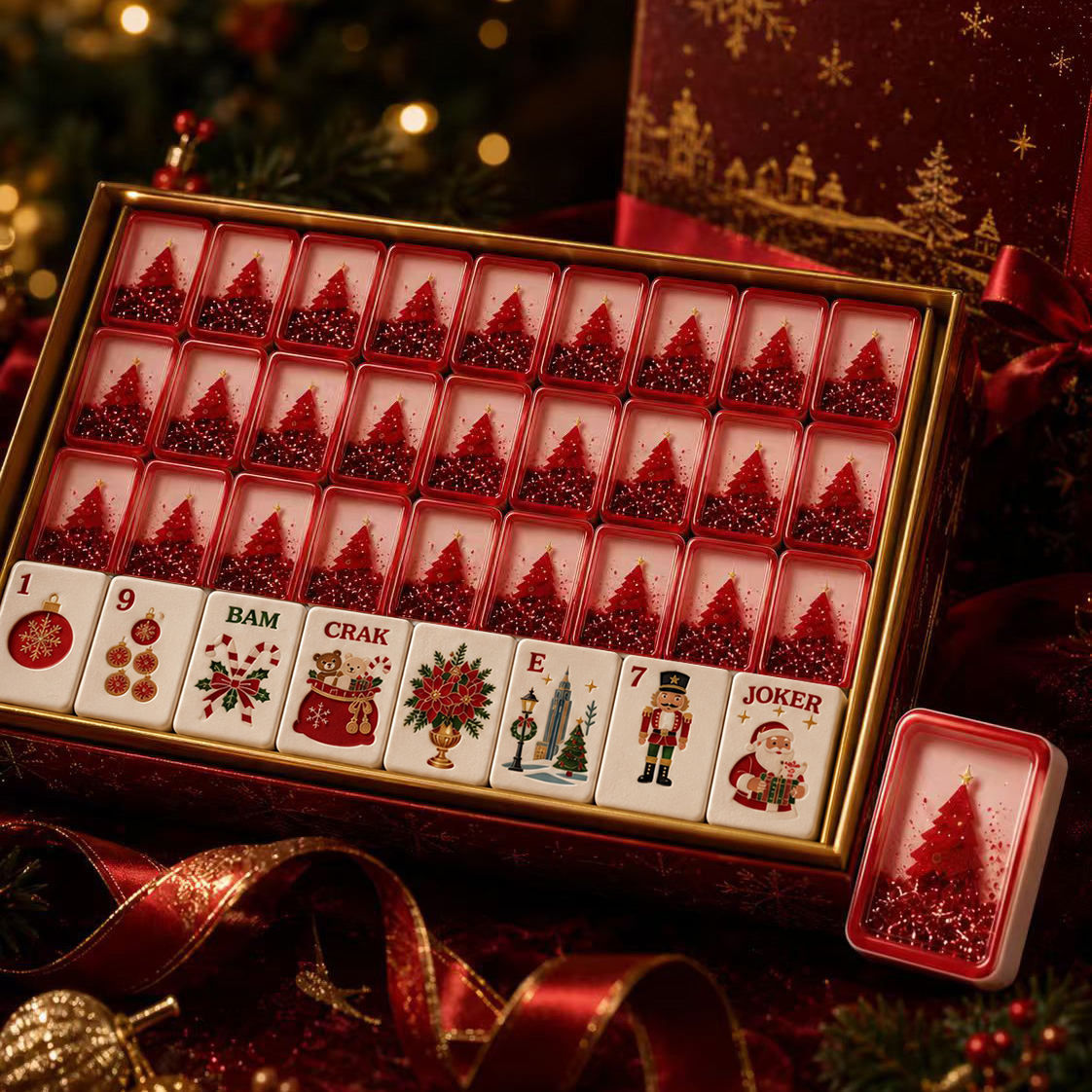
Charleston's mahjong scene centers on community centers, libraries, synagogues, and country clubs throughout the city and suburbs. Most clubs meet weekly, some year-round. Games typically run 2–4 hours and follow American mahjong rules (152 tiles, the National Mah Jongg League card for valid hands, eight jokers). To find a game near you, call local recreation departments, search community center websites, check library bulletin boards, or ask at Jewish community centers and country clubs—many host drop-in games or maintain member lists. A beginner can join immediately; experienced players help you learn the rules. Bring a set (or play with one provided), note paper for scoring, and cash for friendly stakes if the group plays for points. Mahstead sets are popular with home players and clubs because they're built to last through weekly play and come with everything you need to start.
Where exactly do Charleston players gather each week?
Community centers in Charleston's downtown and neighborhoods post mahjong schedules on bulletin boards and websites. Libraries often host game nights on weeknights or weekends; ask the reference desk. Country clubs, particularly in areas like Mount Pleasant and West Ashley, frequently run ladies' games or mixed groups. Jewish community centers are longstanding hubs—even non-members can often join for a modest fee. Some neighborhoods have informal kitchen-table groups that welcome newcomers; ask at local coffee shops or bridge clubs, which sometimes overlap with mahjong crowds. Start by calling your neighborhood recreation department directly.

What should you bring to your first game?
You need a 160-tile American mahjong set (includes 152 playing tiles plus spares), unless the hosts provide one. Bring a pen or pencil, small notebook for scoring, and—if the group plays for points—cash or a way to settle bets afterward. Wear comfortable clothes and plan to sit for 2–3 hours. Many players bring water or a light snack. If you own a set but it's missing jokers or has cracked tiles, replace it with a best-selling mahjong set before your first night; clubs play with full, standard sets only. A mahjong mat makes your tiles easier to manage and shows you're serious about the game—hosts often appreciate it.
🀄 Shop best-selling mahjong sets →
How do you actually join—and what if you're brand-new?
Call ahead (most clubs welcome walk-ins, but confirmation is polite) or arrive 10–15 minutes early. Introduce yourself to the host or coordinator. Say you're new; every club has taught beginners. You'll be paired with experienced players who explain the National Mah Jongg League card, show you how the Charleston works, and help you build hands during the game. American mahjong has a steep learning curve—the first hour feels chaotic—but week two clicks for most players. Bring the beginners' guide on your phone as a reference.

What are the unwritten rules clubs enforce?
Rule | Why It Matters | What Happens If Broken |
Tiles must stay in your rack until you play or win | Prevents accidental showing of your hand | Host may call a foul; hand declared dead |
Jokers go to one side; never mix with regular tiles | Jokers are wild and must be visibly separate | Scoring confusion or invalid hand |
The dealer (East Wind) rotates after each hand | Ensures fairness and correct wind rotation | Game becomes invalid; reshuffle and restart |
Keep your eyes on discard piles, not other hands | Discards are public; information is shared | No actual rule broken, but rude and sloppy |
Settle scoring immediately after each hand | Prevents disputes and keeps the game flowing | Friction and slower rounds |
Clubs also expect punctuality, basic courtesy, and that you stay for at least 3–4 hands (quitting after one is seen as uncommitted). Never photograph tiles mid-game. Always use the official card for the current year; old cards make hands invalid. If you're unsure whether your hand is legal, ask before you claim it—the group will review it together.
What's different about American mahjong vs. what you might see online?
American mahjong uses the National Mah Jongg League card—a reference sheet of ~80 valid hands issued every spring. You must match hands exactly from that card; you can't invent combinations. Hong Kong, Chinese, Riichi (Japanese), and Taiwanese variants have completely different rules, tile counts, and hand patterns. Our Charleston clubs play only American, so don't confuse the two. All American hands use 14 tiles (13 in your hand, 1 drawn to win). Hands are made of exposed melds (pungs of 3, kongs of 4, quints of 5, sextets of 6—all identical tiles, never sequences) plus a pair and usually a joker or two. No sequences (runs) like 1–2–3 exist in American mahjong. If you've played online or in another country, unlearn the sequences rule first.
🎁 See our most-loved mahjong sets & accessories →
What do you need to set yourself up at home once you've caught the bug?
After your first club night, most new players buy their own set. A best-selling acrylic set lasts years of weekly play. Add a mat to protect your tiles and define the playing surface. Racks with pushers keep your tiles organized and hidden—essential if you host games at home. A travel bag or case protects your set when you visit other games. Many Charleston hosts buy engraved sets with custom titles as gifts or for their own tables; a personalized set signals you're part of the community. Start with a basic set, then upgrade as you play more.
What to check before you buy a mahjong set
Tile count: Must be 160 tiles (152 for play, extras for replacements). Sets with fewer tiles cannot run a legal game.
Joker count: The set should include eight jokers, clearly marked. Count them before you leave the store or receive delivery.
Weight and feel: Hold the tiles—they should be sturdy, not flimsy. Acrylic outlasts wood or bamboo in humid Charleston climates.
Wind and dragon clarity: All four winds and three dragons must be clearly printed or engraved. Faded tiles cause disputes.
Case or bag: Check whether your set comes with storage. If not, add one; loose tiles get lost or damaged.
Joker design: Some sets use jokers that blend with regular tiles. Buy a set where jokers are obviously different—you'll spot them fast during play.
✨ Find your Mahstead set — free US shipping →

FAQ
How do I know if a Charleston mahjong club welcomes absolute beginners?
All established clubs do. Call or email the coordinator before you arrive and say you're brand-new. They'll pair you with a mentor player for your first game. Expect to lose points (everyone does at first) and to feel confused—that's normal.
Can I play mahjong if I don't have my own set?
Yes. Most clubs provide sets for new players or let you borrow one. Bring your notebook and pen. Once you've played 3–4 times, buy your own—shared sets wear out fast.
What does the National Mah Jongg League card look like, and where do I get one?
It's a laminated reference sheet about the size of a place mat, issued every spring. Your club will have copies at the table or provide one. You can also download the current year's card or buy a printed version; club coordinators can point you to it.
Do Charleston clubs charge a fee or membership cost?
Most community center and library games are free or cost a small hourly fee (confirm by phone). Country clubs may charge members a flat fee; non-members sometimes pay per session. Jewish community centers charge a modest drop-in rate. Ask before you arrive.
If I learn to play in a club, can I start a game at home with friends?
Absolutely. Once you've played 5–6 times, you understand the rhythm. Start with friends who've also played or watch the club game first. You'll need the mahjong card, a 160-tile set, scorecards, and 4 people with 2–3 hours. A mat makes the home game feel official and keeps tiles from sliding.
What's the fastest way to get good at mahjong after I join a club?
Play weekly for a month, study the National Mah Jongg League card for 15 minutes before each session, and ask the table to explain your mistakes. Speed comes from repetition—the Charleston, tile recognition, and hand patterns become automatic after ~20 games.


View More
View More
View More
